REVIEW · KRAKOW
Krakow: Pierogi Home Cooking Class
Book on GetYourGuide →Operated by Krakow Urban Tours · Bookable on GetYourGuide
Pierogi in Krakow, but in a real home kitchen. You’ll hit a local farmers market first, using Polish phrases as you shop, then roll up your sleeves to make pierogi and two more Polish dishes.
I especially like the hands-on cooking time with a small group, and I love that you’re not just eating pierogi, you’re learning how to make them so you can repeat it later at home.
One thing to consider: this is a home-based experience with a public-transport transfer, so plan for a bit of walking and keep your expectations grounded in a casual, tight kitchen vibe.
In This Review
- Key Points You’ll Care About
- Pierogi Class in a Krakow Home: What Makes It Different
- Meeting Spot and Timing: Planning Your 4 Hours
- Shopping at the Farmers Market: Learn the Polish Food “Logic”
- The Home Kitchen Part: Pierogi Skills You Can Actually Use
- The 3-Course Meal and Polish Beer: Your Reward, Done Properly
- Who Guides You and Why It Matters (Aneta, Alicja, Paula)
- Price and Value: Is $108 Worth It?
- What to Bring (and What to Expect in the Day)
- Is This the Right Krakow Experience for You?
- Should You Book Krakow: Pierogi Home Cooking Class?
- FAQ
- How long is the cooking class?
- Where do I meet the guide?
- What language is the live guide?
- What’s included in the price?
- Is the class wheelchair accessible?
- How big is the group?
- Can I cancel for a refund?
Key Points You’ll Care About
- Small group (up to 6) means you actually get time at the counter, not just watching
- Farmers market shopping includes learning how locals choose produce, with a bit of friendly haggling
- Polish phrases while you buy makes the cultural part practical, not just a few memorized lines
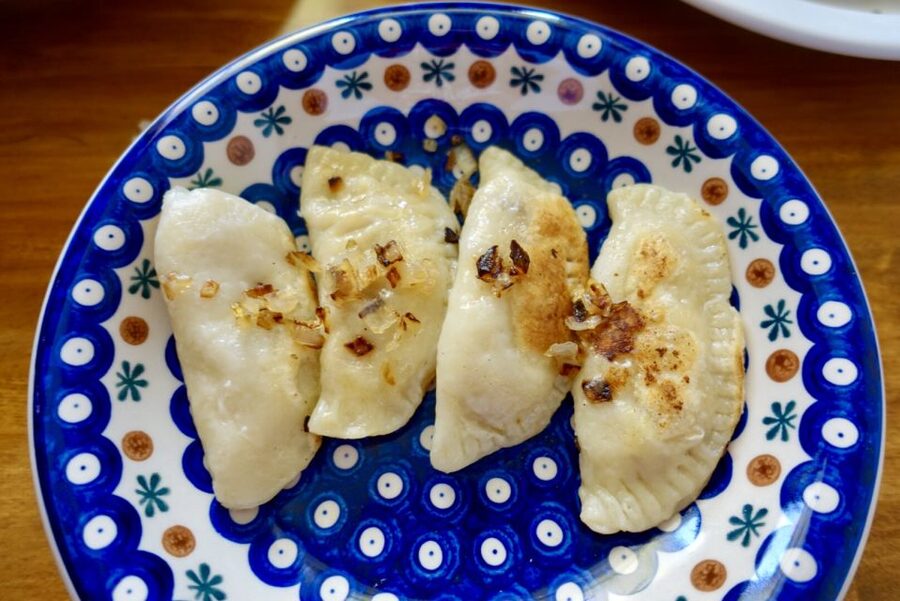
- Hands-on pierogi practice gets you to a point where you can recreate the dough and filling work later
- Beer and a full 3-course meal are part of the payoff, not an add-on
Pierogi Class in a Krakow Home: What Makes It Different
This isn’t a warehouse cooking show. It’s a day that starts in Krakow’s food world and ends at a local’s table, with you cooking alongside the person who actually lives that routine.
You begin with a short transfer on public transport, then meet your guide outside the bookshop Pod Globusem at the corner of Dluga and Basztowa. From there, you head to a lively farmers market where the whole point is seeing how Polish ingredients get chosen—what looks fresh, what smells right, and what you should buy for the flavors that matter in classic dishes.
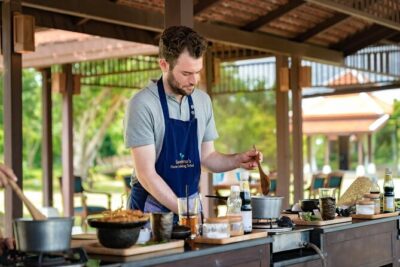
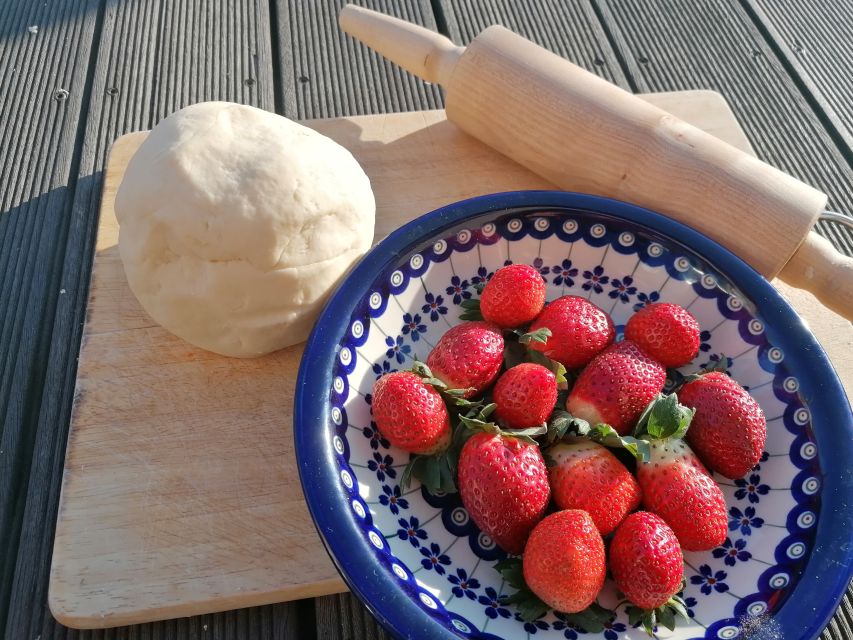
Then you return to the home kitchen and cook. You’ll make pierogi first (the signature skill), and you’ll learn three authentic Polish recipes total—so you’re leaving with a wider base than just one dumpling method. Add Polish music in the background, plus tasting as you go, and it becomes a full-on food day, not a rushed “classroom” moment.
You can also read our reviews of more tours and experiences in Krakow.


Meeting Spot and Timing: Planning Your 4 Hours
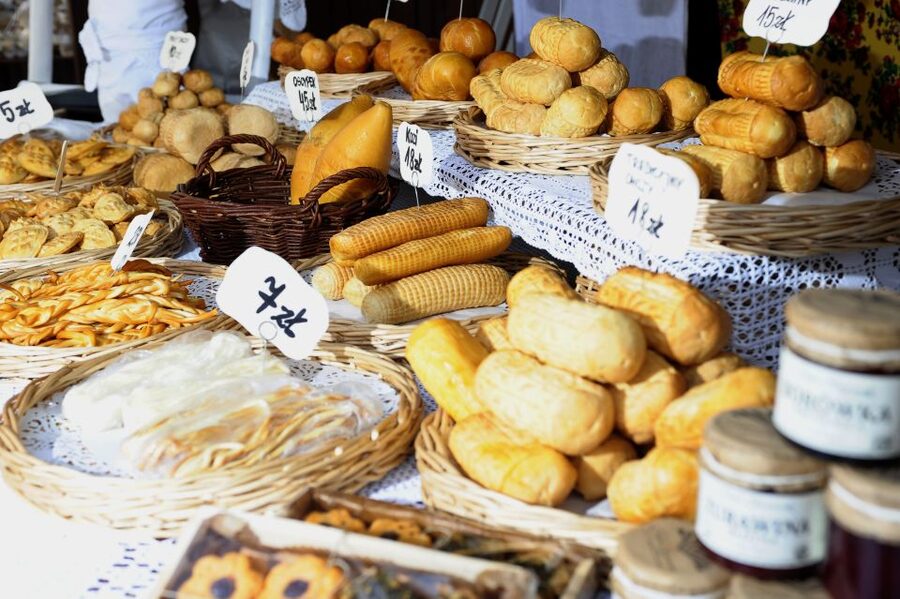
The whole experience runs about 4 hours, and it’s designed around one flow: market shopping, home cooking, then the meal. Since the start point is in the city near Dluga and Basztowa, you don’t want to show up late or it throws off the rhythm.
What I like about the structure is that you’re not guessing what happens next. You’ll know when you’re shopping, when you’re cooking, and when you sit down to eat your 3-course meal paired with Polish beer.
Still, here’s the practical consideration: you’re doing public transport as part of the trip, and the activity ends back at the meeting point. If you’re the type who hates moving around once you’ve started sightseeing, this may feel like one more hop in the day. My advice is to treat this as the anchor event and build your other plans around it.
Shopping at the Farmers Market: Learn the Polish Food “Logic”
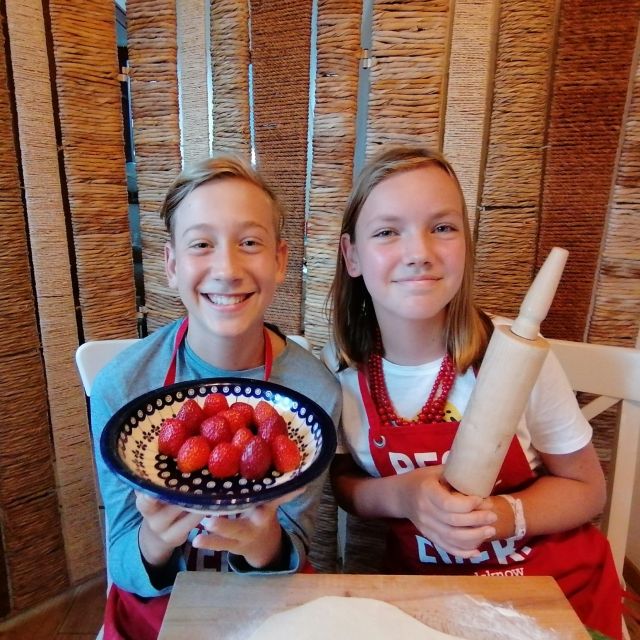
The market stop is more than a souvenir opportunity. You’re learning how locals think about ingredients. Your guide helps you spot what to buy, and you’ll practice key Polish phrases while shopping—so you can ask for what you need instead of just pointing at food.
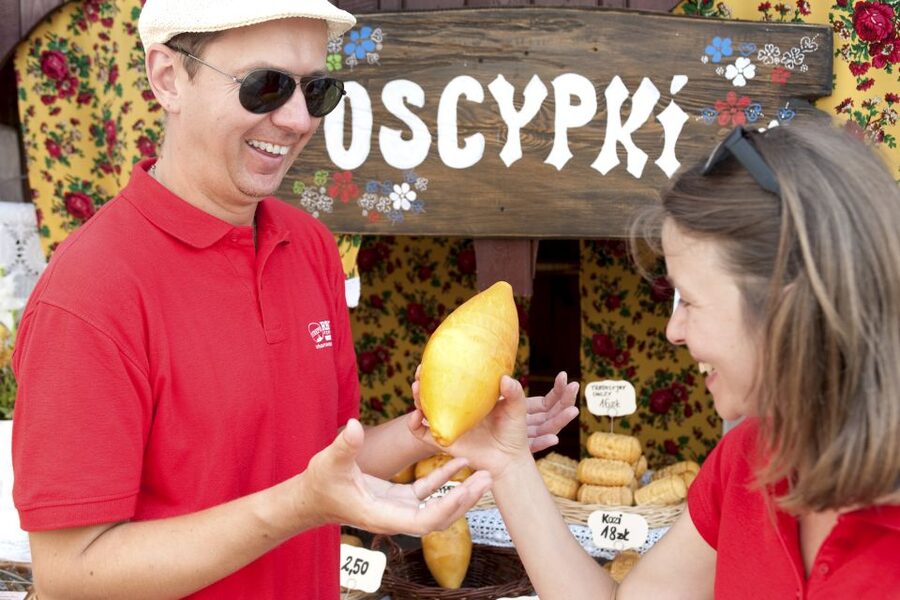
This is also where the fun gets real. The experience encourages you to haggle a bit with market sellers, with your cook guiding you and teaching words and phrases that make the interaction smoother. Even if you only use a few phrases, it turns the market into a conversation. That’s what makes it memorable.
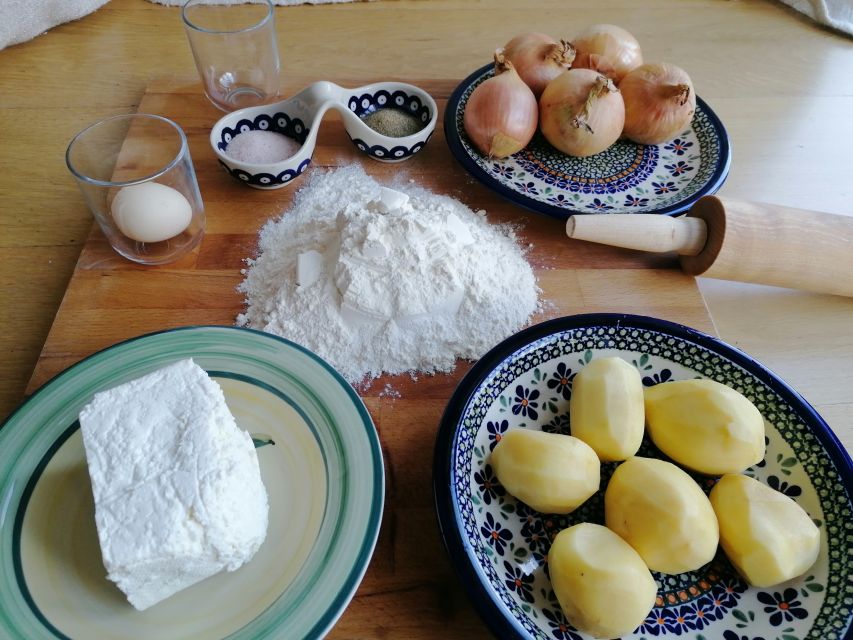
And the reason this matters for your cooking: the dishes you make are built on simple techniques and fresh, good-quality products. When you understand what “good” looks like—fresh vegetables, the right filling ingredients, the right overall selection—you’re more likely to recreate the meals at home with confidence. You aren’t just copying recipes; you’re learning sourcing.
The Home Kitchen Part: Pierogi Skills You Can Actually Use
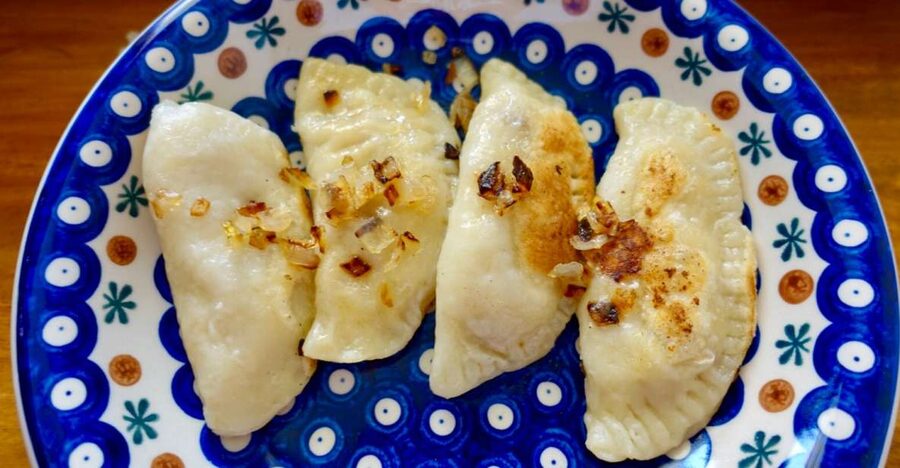
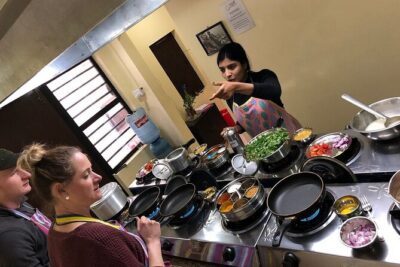
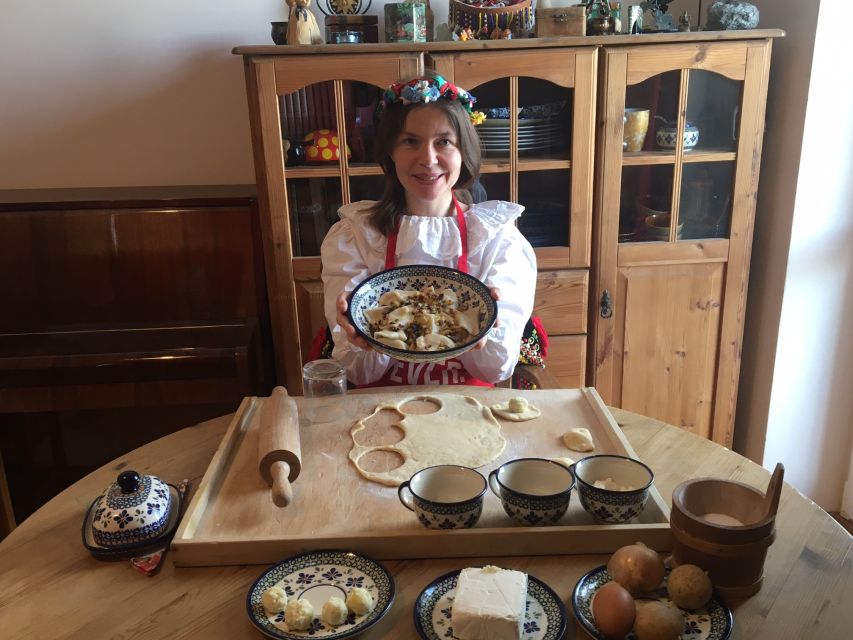
Back at the home, you start cooking right away. You’ll roll up your sleeves and learn the process step by step, with your guide staying hands-on and supportive.
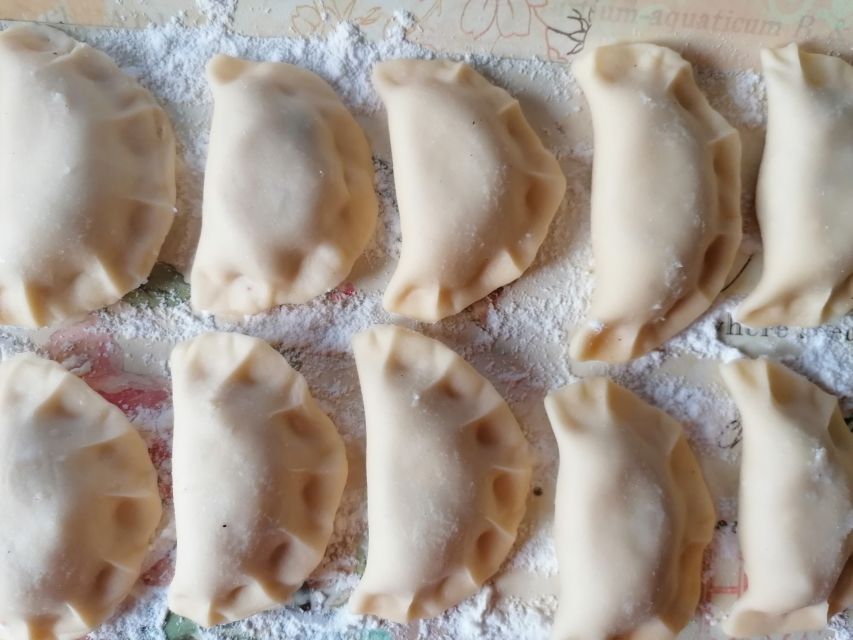
The pierogi portion is the highlight because it teaches you the core mechanics:
- getting the dough right for folding and sealing
- working the filling so it’s flavorful without being complicated
- assembling in a way that holds up during cooking
The class is built so you can recreate these dishes later. That’s a big deal. A lot of cooking classes teach you the moment. This one aims to teach the method.
You’ll also notice how the experience keeps things approachable: the emphasis is on using quality ingredients and practical techniques, not on mastering a long list of advanced culinary tricks. So if you’re worried you’ll feel out of your depth, that worry usually shrinks once you’re at the work surface and the guide is correcting your folding and timing.
A nice detail: there are snacks included during the day, including pickled cucumbers, sauerkraut, kabanos (dried sausage), and oscypek cheese. Those little tastes aren’t random; they help set the Polish flavor scene before the main cooking starts.
The 3-Course Meal and Polish Beer: Your Reward, Done Properly
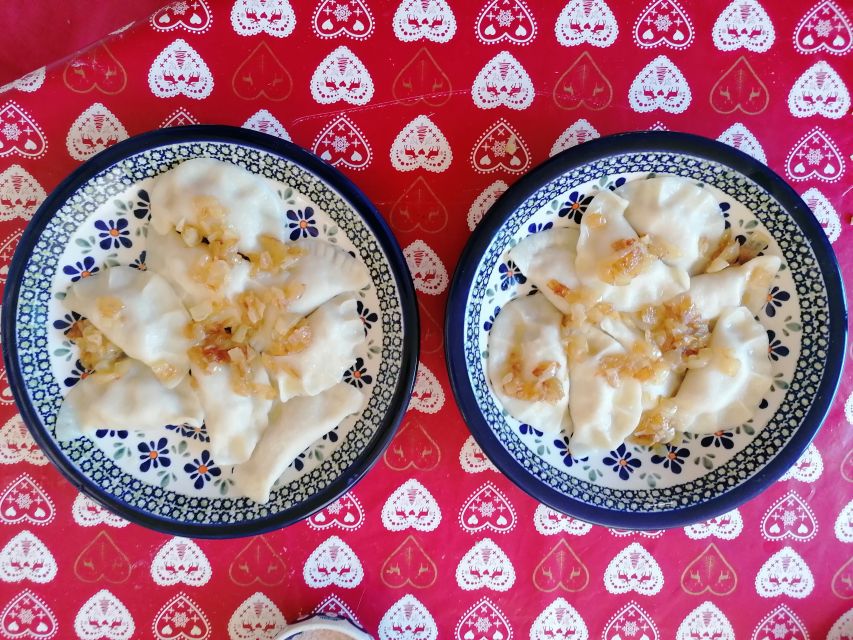
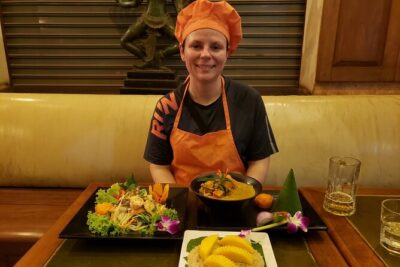
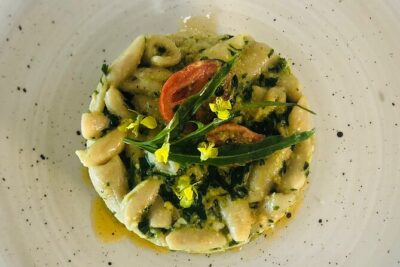
After you cook, you sit down and dine on what you made: a 3-course meal, paired with Polish beer. The beer pairing is included, and water, tea, and coffee are also on the table.
This matters for value. If you’re paying for a cooking class, the “meal” should be part of the experience, not a token bite. Here you’re eating what you prepared, and the meal closes the loop between shopping, cooking, and flavor.
It’s also part of the cultural setup: you eat in a home setting, and you’ll have chances to talk about Polish traditions and what daily life can look like through food. You’ll likely hear explanations along the way as you taste and compare your work to what the guide expects.
One more small point I appreciate: the class includes tasting as you cook. That means you don’t have to wait until the end to know whether you’re on track.
Who Guides You and Why It Matters (Aneta, Alicja, Paula)
The biggest difference-maker in any cooking class is the teacher. Here, the guides seem to have a knack for making people comfortable while still teaching real skills.
I’ve seen examples of guides like Aneta, with market shopping that feels fun and grounded—plus the cooking portion continues in her apartment after you buy the ingredients. Another guide, Alicja, is noted for guiding people through both the market and the kitchen with patience and support, including helpful Polish phrases you can use right there. And Paula stands out for being especially patient and encouraging, even with kids (including 9-year-old twins), while coaching them through pierogi making.
You don’t need the class to be formal to be good. What you do need is someone who can correct your dough handling, explain timing, and keep things friendly when you’re learning something new. This experience has that kind of energy.
Price and Value: Is $108 Worth It?
At $108 per person, you’re not paying “just for a recipe.” You’re paying for a full food day: market shopping experience, utensils and ingredients for cooking, a home-cooked 3-course meal, Polish beer, and included snacks plus drinks (water, tea, coffee).
Here’s how I’d think about the value:
- Small group size (max 6): the teacher attention is more consistent, and you get more hands-on time.
- Public transport included: you avoid figuring out logistics on the fly.
- Food included throughout: snacks, the meal you cook, and Polish beer make it feel like a meal-focused outing.
- Market learning: the ingredient shopping and phrase practice can be hard to replicate on your own during a normal visit.
If your budget is tight, you might compare this to a standard restaurant meal. But this is not only eating. It’s learning skills you can repeat, plus eating what you made. For many people, that combination justifies the price.
What to Bring (and What to Expect in the Day)
You don’t need fancy clothes. The practical list is:
- comfortable shoes
- comfortable clothes
Because there’s market time and then home kitchen time, comfort beats style. Expect a bit of standing, walking, and being active. Even though it’s only 4 hours, you’ll use your hands and focus.
Also keep in mind: the experience is not suitable for wheelchair users. Since it happens in a home setting, you should treat the environment as more “lived-in” than “tour-facility accessible.”
Is This the Right Krakow Experience for You?
This class is a great fit if you want real food culture and hands-on learning instead of a passive activity.
You’ll likely enjoy it if:
- you want to learn pierogi techniques you can repeat at home
- you like markets and want more than just a photo stop
- you enjoy a small-group atmosphere where you can ask questions
- you want a meal that’s part of the learning, not separate
You might choose a different option if:
- you hate being in a shared home kitchen environment
- you prefer your tours to be fully accessible without any limitations
- you want a purely sightseeing-focused Krakow day with less food emphasis
Should You Book Krakow: Pierogi Home Cooking Class?
I’d book it if you’re the type of traveler who loves food that has a technique behind it. The mix of market ingredient shopping, Polish phrase practice, and real cooking instruction is the core appeal. You’re not just tasting Poland; you’re learning how Polish home cooking is put together and served.
The price is not low, but it’s also not “pay extra for nothing.” You’re getting a guided day, cooking tools, snacks, a full 3-course meal, and Polish beer—plus the pierogi skills you’ll remember long after the taste fades.
If you want a Krakow experience that feels personal, tasty, and practical, this is one of the better ways to spend a few hours.
FAQ
How long is the cooking class?
It lasts about 4 hours.
Where do I meet the guide?
You meet outside the bookshop Pod Globusem, at the corner of Dluga and Basztowa.
What language is the live guide?
The guide speaks English.
What’s included in the price?
The experience includes a guide, public transport to the guide’s home, all cooking products and utensils, snacks (pickled cucumbers, sauerkraut, kabanos, oscypek cheese), pierogi, a 3-course meal, Polish beer, and water, tea, and coffee.
Is the class wheelchair accessible?
No. It is not suitable for wheelchair users.
How big is the group?
The group is limited to 6 participants.
Can I cancel for a refund?
Yes. Free cancellation is available up to 24 hours in advance for a full refund.