REVIEW · CALABRIA
Private Cooking Class at a Cesarina’s Home in Reggio Calabria
Book on Viator →Operated by Cesarine: Cooking Class · Bookable on Viator
A real home kitchen in Reggio Calabria beats any demo. You’ll cook three classic courses with a Cesarina host, from starter to fresh pasta to dessert, then sit down to enjoy what you made. One consideration: this is hands-on for the full ~4 hours, so it’s not a quick tasting stop if you only want a light experience.
I like that the focus stays on local, family-style technique, not just throwing ingredients together. You also get a proper meal at the end, including a glass of local wine paired with your courses. Because it happens in someone’s home, expect a relaxed pace that follows how the host cooks, not a strict restaurant timetable.
This is priced at $174.60 per person, which is the tradeoff for a private, hosted cooking experience instead of a group class in a commercial space. It’s also English-friendly, and it runs near public transportation—helpful when you’re juggling train times and dinner plans.
In This Review
- Key points worth your attention
- A private Cesarina kitchen experience in Reggio Calabria
- The home setting: what it feels like
- What you cook: starter, fresh pasta, and dessert
- Why this menu is a good use of your time
- Getting started with your host: welcome, teaching, and kitchen flow
- Sanitary rules and comfort in a home setting
- Lunch (and more) at the end: eating your courses with wine
- Wine pairing: a simple upgrade
- Extra touches you might enjoy
- Price and logistics: what $174.60 per person really buys you
- Who should book this cooking class (and who might want something else)
- Should you book this Cesarina home cooking class in Reggio Calabria?
- FAQ
- Where does the cooking class start?
- How long is the private cooking class?
- Is this class private?
- What dishes will I cook?
- Do you eat what you cook?
- Is the class offered in English?
- What meeting-point logistics should I expect?
- How does the experience handle hygiene and distancing?
- What is the cancellation policy?
Key points worth your attention
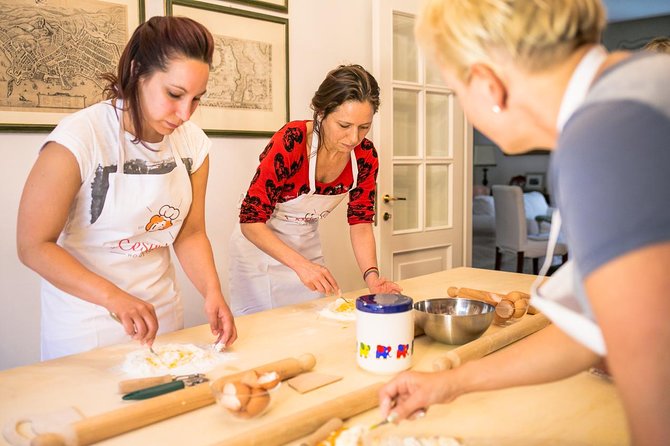
- Cesarina hosting in a real home: learn the rhythm of local cooking, not a staged set
- Three-course hands-on menu: starter, fresh pasta, and dessert made together
- Meal with local wine: you cook, then you eat what you made
- English offered: the teaching stays accessible if you’re not Italian-fluent
- Sanitary care in the home: distance guidance and guest sanitizing supplies are provided
- Private experience for your group: you’re not competing with strangers for attention
A private Cesarina kitchen experience in Reggio Calabria
This class is built around one simple idea: cooking is easier when you’re taught by someone who actually cooks at home. In Reggio Calabria, that means you’re stepping into a local rhythm—where the kitchen isn’t a classroom, it’s the place meals happen.
The Cesarina model is the big value here. You’re not just watching. You’re working side by side with a host, learning how recipes turn into real food in real quantities. The cooking stops being abstract. You understand what changes when you add a bit more, wait a little longer, or adjust to seasonal produce.
You’ll also get a private setup. Only your group participates, so you can ask questions without feeling rushed. I find that matters a lot in food experiences—especially when you care about technique, texture, and taste balance.
The home setting: what it feels like
The experience is scheduled to start and end back at the meeting point in Reggio Calabria, and it’s close to public transportation. That’s practical: you can plan around it without needing a car. Once you’re inside, you’re in a home kitchen environment, which usually means the mood is warm and informal.
From the hosts’ style described in the experience details, you should expect welcome first, cooking second. Hosts like Grazia and Antonella are described as warm and welcoming, and that kind of tone makes it easier to learn—even if you’re not a confident cook.
What you cook: starter, fresh pasta, and dessert
You’ll make three dishes together: a seasonal starter, fresh pasta, and a typical dessert. That trio is smart. It covers the arc of an Italian meal, but it also teaches different skill types.
First comes the starter, built around what’s seasonal. That’s where you learn flavor logic—how Calabria’s local ingredients show up on a plate and why a simple base can be memorable when handled well.
Then you move into fresh pasta. This is usually the part people remember, because it’s hands-on and very process-heavy. You’ll be learning how pasta dough and shaping work in a real kitchen setting, not just in a recipe card. The point isn’t to leave with a perfect dish like a photo shoot—it’s to understand the steps well enough that you can recreate them.
Finally, dessert. A typical Italian dessert teaches a different kind of control—timing, consistency, and knowing when the mixture is ready. It rounds the class out so you’re not only tasting savory things for four hours straight.
Why this menu is a good use of your time
A lot of cooking classes pick one highlight dish and coast. Here, you get three courses. That means you’ll taste your way through a full small meal and you’ll practice multiple techniques instead of doing one task repeatedly.
Also, because the menu includes both fresh pasta and dessert, you’ll likely get a broader take on Italian home cooking—how it moves from simple starters to comfort-food staples to something sweet.
Getting started with your host: welcome, teaching, and kitchen flow
The format is private and hosted in a Cesarina’s home, so the first moments matter. In a good class, you get oriented fast—where to stand, what tools you’ll use, and how the host wants you to work.
The experience details say confirmation comes at booking, and the class is offered in English. That combination usually makes the flow easier: you can follow steps clearly and still ask questions when something doesn’t make sense.
Sanitary rules and comfort in a home setting
The class includes specific guidance for health and safety. The home provides essential sanitary equipment for guests, including paper towels for washing hands and hand sanitizing gel. You’re also asked to maintain a 1 meter distance when possible; if you can’t, masks and gloves should be worn.
That’s a practical detail, and it’s worth noting. It means the host is thinking about guest comfort beyond the cooking. In a home environment, that kind of attention can make the experience feel more confident and relaxed.
Lunch (and more) at the end: eating your courses with wine
The best classes don’t treat food as an afterthought. Here, you’ll sit down for a meal featuring the dishes you prepared, paired with a glass of local wine.
That meal structure is where the whole session clicks. While you cook, you pay attention to texture and aroma. Once you eat, you learn what those choices actually mean. It’s one thing to make fresh pasta; it’s another to taste it right away and understand how it should feel.
Wine pairing: a simple upgrade
Including local wine might sound like a small add-on, but it changes the experience. Wine helps you notice balance—sweetness, acidity, and how a sauce or pasta flavor lands on the palate.
If you enjoy tasting while you cook, you’ll likely love the way the meal ties it together. It also gives the class a real ending, not a stop when the kitchen cleanup starts.
Extra touches you might enjoy
Some host stories include additional warmth and context. In one account, Grazia’s partner Francesco provided transfers to and from the train station and shared an in-depth overview of local history as a bonus. That’s not guaranteed for every home, but it gives you an idea of how personal some of these hosting setups can be.
Price and logistics: what $174.60 per person really buys you
Let’s talk value, because food classes can range from cheap and chaotic to expensive and forgettable.
At $174.60 per person for ~4 hours, you’re paying for four things that are hard to replicate on your own:
- A private host in their home, with attention you don’t get in large groups
- Hands-on teaching for multiple courses, not just one dish
- A full meal afterward, with wine included
- Local, seasonal cooking choices, guided by someone who cooks this way regularly
So the price isn’t just for entertainment. It’s for access—access to technique, to a local kitchen setup, and to a sit-down meal where you taste what you made.
One practical point: since it’s private, the cost can feel high if you’re traveling alone and comparing it to group classes. But if you’re a couple or a small circle of friends, private attention often becomes a good deal quickly.
Who should book this cooking class (and who might want something else)
This class is a strong fit if you want:
- A hands-on food experience in Calabria, not a passive demo
- Fresh pasta skills you can actually talk about after
- A sit-down meal that you helped create
- A small, personal vibe where your group isn’t competing for instruction
It’s also ideal if you enjoy meeting local hosts and hearing context along the way. Some host stories mention not just cooking guidance, but local area history shared during the day.
You might want to choose a different format if you’re looking for a super quick activity, or if you’d rather spend your time sightseeing than cooking. The value here comes from investing the full session and learning the steps behind the food.
Should you book this Cesarina home cooking class in Reggio Calabria?
If you care about real technique and you want a meal that feels like a genuine Italian home dinner, I think it’s an easy yes. The combination of a three-course menu, English-friendly teaching, and a shared meal with local wine makes it more than a “hands-on snack.” It’s a complete food experience.
Book it especially if:
- you’re short on time and want one activity that delivers cooking plus dinner
- you want a private setting for better questions and a calmer pace
- you’re traveling with someone who will enjoy cooking and eating the results
One last check: because you’ll be actively cooking through the whole ~4 hours, it helps to show up ready to participate, not just watch. If you’re good with that, you’ll likely leave with both recipes and confidence in how the food comes together.
FAQ
Where does the cooking class start?
The experience starts in Reggio Calabria, Metropolitan City of Reggio Calabria, Italy.
How long is the private cooking class?
It lasts about 4 hours.
Is this class private?
Yes. It’s private, and only your group will participate.
What dishes will I cook?
You’ll cook three dishes: a seasonal starter, fresh pasta, and a typical dessert.
Do you eat what you cook?
Yes. You’ll enjoy a meal featuring the dishes you prepared, paired with a glass of local wine.
Is the class offered in English?
Yes, it’s offered in English.
What meeting-point logistics should I expect?
The activity ends back at the meeting point, and it is near public transportation.
How does the experience handle hygiene and distancing?
The home provides essential sanitary equipment such as paper towels and hand sanitizing gel. You’re asked to maintain 1 meter distance, and if you can’t, masks and gloves should be worn.
What is the cancellation policy?
Free cancellation is available up to 24 hours in advance for a full refund. If you cancel less than 24 hours before the start time, the amount paid won’t be refunded, and changes made less than 24 hours before the start time aren’t accepted.