REVIEW · TBILISI
Nana’s Kitchen – traditional Georgian cooking class at real Georgian family home
Book on Viator →Operated by Nana's Kitchen · Bookable on Viator
Five dishes, one unforgettable Supra. At Nana’s Kitchen, you cook in a real Georgian family home with Nana and Nina, then eat like you mean it with a traditional feast. What I like most is the hands-on format and the way the evening turns cooking into a window on Georgian hosting.
You’ll start with a glass of homemade Georgian wine, get a quick cultural intro to Supra (the Georgian feast), then roll up your sleeves and make five dishes. One possible drawback: it’s an evening class in a home kitchen, so if you prefer a quick tour or a strictly hands-off experience, you might feel a bit “too involved.”
Still, for $110 for about three hours—plus wine, dinner, and a recipe booklet—it’s a strong value if your goal is real food skills, not just photos. And the atmosphere is exactly the point: warm, relaxed, and friendly, the kind of place where new people get folded into the meal.
In This Review
- Key reasons this class is worth your evening
- A real Georgian home in Tbilisi: where the cooking class actually happens
- Supra 101: how the feast tradition shapes the meal
- The evening flow: wine, kitchen prep, then dinner as a true feast
- Five Georgian dishes you’ll learn to make (and why each one fits Supra)
- Starter: Traditional spinach paste
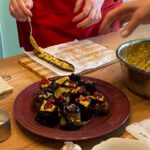
- Main: Red peppers with walnut and spice mix
- Main: Fried eggplants with walnuts
- Main (seasonal): Chakapuli or Chakhokhbili
- Another reason this lineup works
- Wine at the start and dinner at the end: the Supra rhythm
- Teaching style: patient, chatty, and built for small groups
- The take-home part: recipe booklet, and sometimes extra perks
- Price and logistics: what $110 buys you in real terms
- Who should book this class, and who might skip it
- Should you book Nana’s Kitchen in Tbilisi?
- FAQ
- Where does Nana’s Kitchen meet in Tbilisi?
- How long is the cooking class?
- Is the class offered in English?
- What dishes do you learn to cook?
- Is Georgian wine included?
- Is it a private activity for my group?
- Do you get recipes to take home?
- What happens if I cancel or change my booking?
Key reasons this class is worth your evening
- Supra first, recipes second: you learn what makes the feast a feast before you cook.
- Homemade wine at the start: a glass of family-made wine sets the tone right away.
- Five dishes in one sitting: you don’t just watch—you make starters and mains.
- A real family-kitchen vibe: Nana and Nina teach with lots of patience and conversation.
- You leave with a recipe booklet: so you can cook Georgian at home, not just taste it here.
- Small, private-group feel: it’s only your group, which keeps the pace personal.
A real Georgian home in Tbilisi: where the cooking class actually happens
This class meets at 26 Guram Rcheulishvili St, Tbilisi 0179. It’s scheduled for evening hours (Monday through Friday, generally in the 7:00 PM to 11:00 PM window), and the experience runs about three hours.
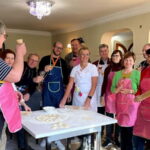
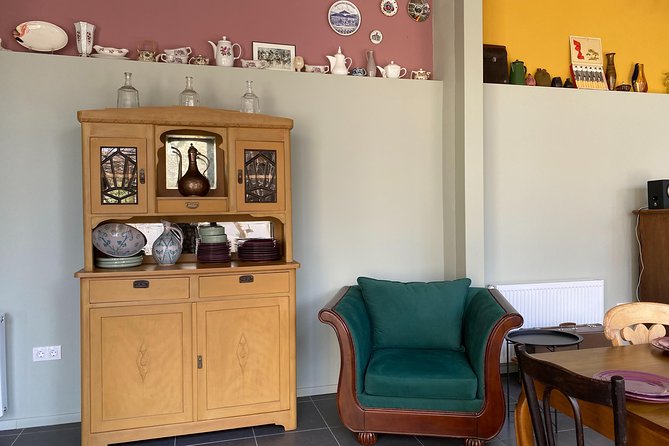
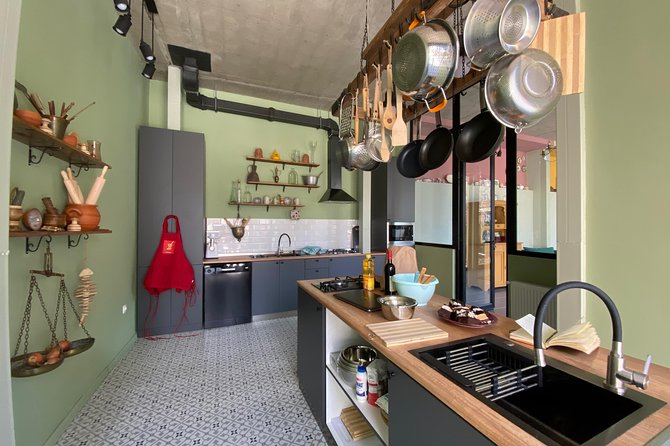
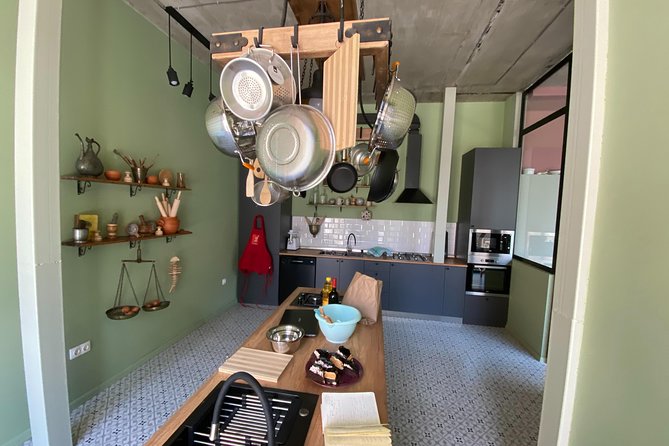
The setting matters. This isn’t a warehouse-style “demo kitchen.” It’s a private home experience, and that changes the energy. People aren’t processed; you’re welcomed. In the kitchen, you get clear step-by-step guidance, and the pace stays friendly instead of rushed.
You’ll also appreciate the location basics: it’s near public transportation, and the operator allows service animals. English is supported, so you won’t feel stuck when it comes to instructions and the cultural context behind the food.
You can also read our reviews of more tours and experiences in Tbilisi.

Supra 101: how the feast tradition shapes the meal
Before you touch a cutting board, you get an intro to Supra. This is the Georgian tradition of hosting a feast—food, wine, conversation, and celebration tied together.
Why this matters for you: if you only learn recipes, Georgian cuisine can feel like a list of flavors. If you understand Supra, the same dishes start to make sense. The class explains the meaning of Supra and gives context on origins and key influences on Georgian cuisine, so you’re not just memorizing steps—you’re learning why certain ingredients and methods matter.
Think of it as cultural seasoning. By the time dinner happens, you’ll know what you’re seeing and tasting, not just eating.
The evening flow: wine, kitchen prep, then dinner as a true feast
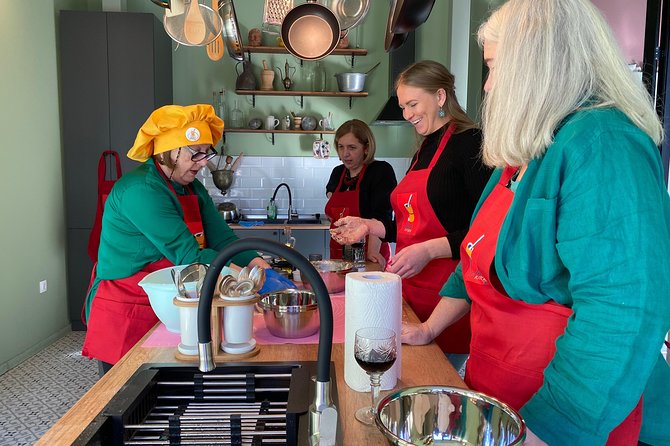
The structure is simple and effective. You begin with a glass of homemade Georgian wine from the family vineyards, plus a short overview of Supra and the background of Georgian cooking.
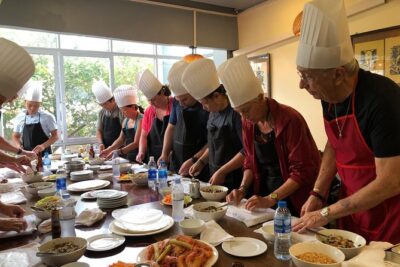
Next comes the kitchen work. You’ll make dishes on your own with guidance and demonstrations from the instructors. This is a “learn by doing” class, which is exactly what you want if your goal is to replicate the food later.
The class ends with dinner in traditional Supra style. That means the meal isn’t treated like a final afterthought. It’s part of the lesson—your chance to eat what you cooked in the rhythm of Georgian hosting.
Five Georgian dishes you’ll learn to make (and why each one fits Supra)
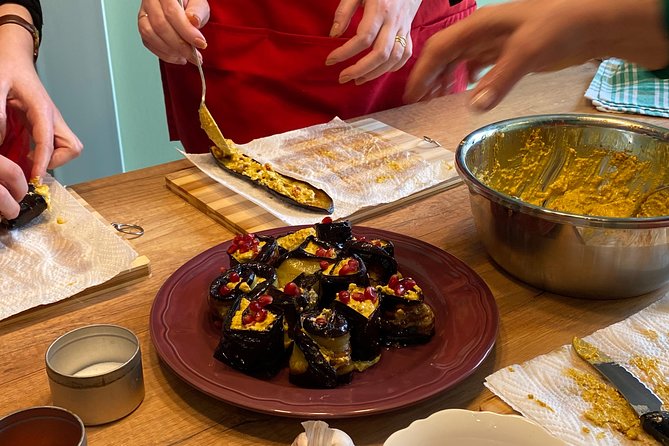
The class is designed around learning five Georgian dishes, with a starter and multiple mains. The exact choices follow the sample menu format and seasonal availability, especially for the final main.
Here’s what you can expect.
Starter: Traditional spinach paste
You’ll start with a Georgian-style spinach paste. This kind of dish is a smart entry point: it teaches you how Georgian flavors often balance earthy greens with herbs and seasoning. It also helps you get comfortable with textures and mixing techniques before you move on to the more assembled or cooked-with-sauce dishes.

Main: Red peppers with walnut and spice mix
This is one of those Georgian flavor combinations that snaps everything into place: roasted or cooked red pepper paired with walnut and a spiced mixture. The walnut adds body, while the spices carry the aroma.
For home cooks, it’s a great lesson because you learn how Georgian cuisine uses nuts not just as a garnish, but as a core flavor structure.
Main: Fried eggplants with walnuts
Fried eggplant plus walnuts brings you into Georgia’s comfort-zone territory—rich, satisfying, and not shy about flavor. Eggplant is a staple across many cuisines, but Georgian versions tend to show their personality through spice blends and the way nuts and seasonings are used.
You’ll likely pick up practical tips on managing eggplant texture and getting the coating or preparation right so the final dish doesn’t go soft or oily.
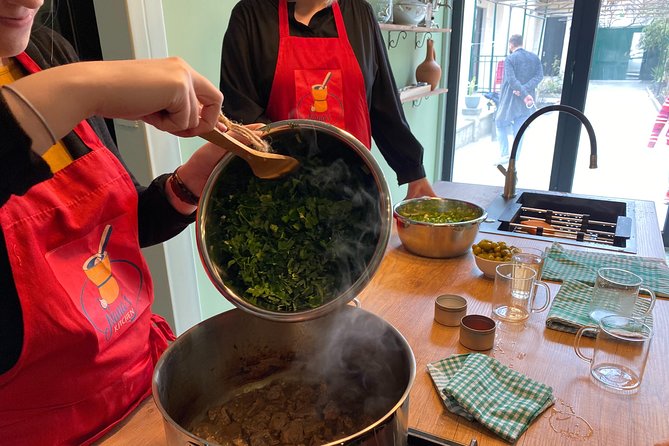
Main (seasonal): Chakapuli or Chakhokhbili
For the remaining main, the menu points to either Chakapuli (seasonal, traditionally made with veal and tarragon) or Chakhokhbili.
This is a key detail. You’re not locked into one single approach no matter the season. You’ll see how Georgian home cooking adapts based on what’s available, which is helpful if you want to cook these dishes year-round later.
Another reason this lineup works
This dish set isn’t random. You’re getting:
- a green-based starter,
- pepper-and-nut flavor building,
- eggplant-and-nut comfort,
- and a seasonal meat-and-herb main (or a classic chicken-based alternative).
That range helps you understand how Georgian tables can move from fresh and herby to deep, nutty, savory—still all part of the same Supra energy.
Wine at the start and dinner at the end: the Supra rhythm
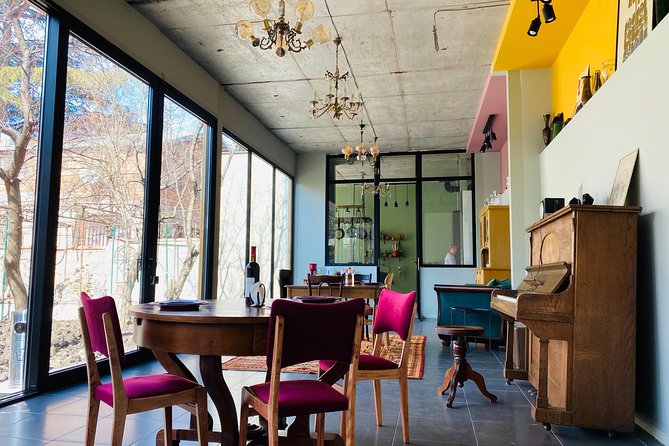
A glass of homemade Georgian wine is included right at the beginning. That isn’t just a nice extra. It sets the tone so the class feels like a night with friends, not a timed food lesson.
Then you finish with dinner served in traditional Supra style. The point of the final meal is practical as well as cultural. You get to taste your work, see how the flavors land together, and experience the pacing that Georgian hosting encourages—food and conversation as one continuous flow.
If you’re a wine lover, this is one of the simplest ways to taste a Georgian wine contextually, tied to the meal rather than being a separate stop.
Teaching style: patient, chatty, and built for small groups
The class is private—only your group participates—and it’s set up for an intimate hands-on experience. That matters because in a cooking class, your learning quality depends on whether the instructor can see your technique and correct small mistakes.
In this home setting, the teaching style comes across as warm and patient. Nana and Nina guide step by step, and the conversation doesn’t feel forced. People also get explanations that go beyond “add this, stir that,” including history behind ingredients and where dishes originated. That helps you remember why something works, so you’re more likely to recreate it successfully.
Even better: the classroom energy stays relaxed. It feels more like learning from family than being put through a checklist.
The take-home part: recipe booklet, and sometimes extra perks
At the end of the course, you receive a booklet with recipes for all the dishes you made. For me, that’s one of the biggest value signals. Taste fades fast. A recipe you can follow keeps the experience alive at home.
Some evenings also include take-home extras like starter spices for remaking recipes later, and a dinner leftover situation for the road (like a take-out box). Those aren’t always guaranteed in every cooking class, so it’s a nice bonus if it happens to you.
Price and logistics: what $110 buys you in real terms
The price is $110.00 per person for roughly three hours, with a homemade wine glass at the start and dinner included, plus cooking instruction and a recipe booklet.
Is that expensive? It depends on what you compare it to:
- If you’re comparing it to a simple tasting tour, yes, it costs more.
- If you’re comparing it to cooking classes that teach skills and feed you, it’s very reasonable.
You’re buying more than dinner. You’re buying the chance to learn how to build Georgian flavors—especially with nuts, herbs, and the logic behind Supra hosting. And because it’s in a real home, you get that intangible hospitality that can’t be replicated by a restaurant tour.
Logistics are straightforward. You meet at the address listed, the activity ends back at the meeting point, and the class runs in the evening window. If you’re planning the rest of your Tbilisi day, treat this as a main event, not a quick side activity.
Who should book this class, and who might skip it
This class is a strong fit if:
- you want Georgian cooking skills you can recreate,
- you care about the cultural meaning behind food, not just ingredients,
- you like intimate settings with personal teaching,
- you enjoy eating what you cook.
It might be less ideal if:
- you prefer a restaurant meal with minimal kitchen involvement,
- you have low tolerance for being active in a home-style cooking environment for about three hours,
- you’re visiting only for a very short time and need something quicker.
The good news: since it’s private for your group, you control the vibe more than you would on a bigger tour.
Should you book Nana’s Kitchen in Tbilisi?
If you want an authentic Georgian night that blends cooking, wine, and Supra culture in a real family home, I think this is an easy yes. The combination is hard to beat: five dishes, a Supra-style dinner, a recipe booklet, and patient instruction from Nana and Nina in English.
Book it especially if you’re the type who likes to bring a place home—by cooking it. You’ll leave with both the flavor memory and the practical tools to make Georgian food again, even after you’re back in your own kitchen.
FAQ
Where does Nana’s Kitchen meet in Tbilisi?
The meeting point is 26 Guram Rcheulishvili St, Tbilisi 0179, Georgia.
How long is the cooking class?
The class lasts about 3 hours.
Is the class offered in English?
Yes, it’s offered in English.
What dishes do you learn to cook?
You can expect five Georgian dishes, including a traditional spinach paste, red peppers with walnut and spice mix, fried eggplants with walnuts, and a seasonal main such as Chakapuli (veal with tarragon) or Chakhokhbili.
Is Georgian wine included?
Yes. The experience starts with a glass of Georgian homemade wine.
Is it a private activity for my group?
Yes. It’s a private tour/activity, so only your group participates.
Do you get recipes to take home?
Yes. At the end of the course, you receive a booklet with recipes for the dishes you made.
What happens if I cancel or change my booking?
The experience is non-refundable and cannot be changed for any reason.