REVIEW · ROME
Fettuccine, Ravioli & Tiramisu Cooking Class in Rome
Book on GetYourGuide →Operated by Master pasta makers srl · Bookable on GetYourGuide
In This Review
- First impressions: three sauces, one mission
- Who teaches and what you’re actually doing
- Key things to know before you go
- Piazza Navona area meeting point: Restaurant Gusto on Via Giuseppe Zanardelli 14
- The 3-hour flow: tiramisù first, then fettuccine and ravioli
- What you’ll do during the pasta portion
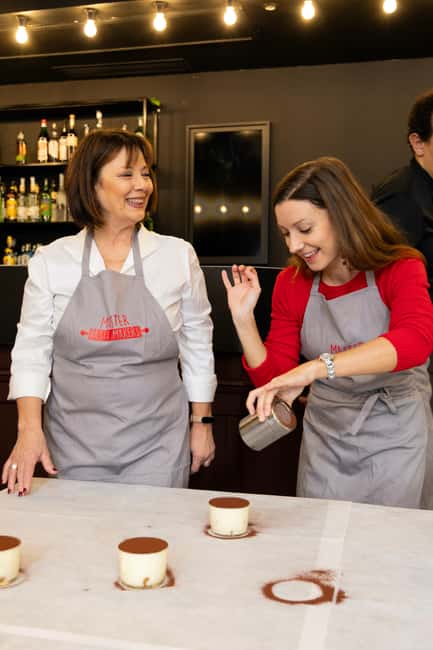
- Tiramisù making in Rome: dessert you can actually recreate
- Fresh fettuccine with Roman sauce options (Cacio e Pepe, Amatriciana, Tomato & Basil)
- Why this menu choice is good value
- Ravioli shaping and the butter-and-sage finish
- Eating time: wine with dinner plus limoncello or coffee
- What you’ll likely feel after the meal
- Instructors and pacing: Lori, Maria, Mimi, and Tommy/Tomi energy
- Price and value: is $82 per person worth it?
- When it might feel less worth it
- Who should book this cooking class (and who should think twice)
- Should you book it? My honest decision guide
- FAQ
- Where do we meet for the Rome cooking class?
- How long is the cooking class?
- What dishes will I make during the class?
- What sauce options are available for the fettuccine?
- Is wine included?
- Is the class suitable for children?
- Is there free cancellation?
First impressions: three sauces, one mission
Pasta dough in Rome is the closest thing to a hands-on souvenir. I love that this class is truly from scratch (tiramisu, fresh fettuccine, and ravioli), not just a tasting with a few props. I also like the Roman choices you get, like picking your fettuccine sauce and then eating a full meal you helped make. One possible drawback: the setting can feel busy, and the pace may be a bit quick—so if you hate production-line vibes, keep that in mind.
Who teaches and what you’re actually doing
You’ll learn kneading and rolling techniques with an English-speaking chef, and several instructors (like Lori, Maria, Mimi, and Tommy/Tomi) keep the tone friendly and lively. The class ends with you sitting down to eat what you made, with wine plus a coffee or limoncello finish. The only caution I’d flag is that your exact pasta plate may not always be handled like a museum display—some people prefer a more individualized serving.
You can also read our reviews of more tours and experiences in Rome.

Key things to know before you go
- Piazza Navona area, easy to reach: meeting point is Via Giuseppe Zanardelli 14 at Restaurant Gusto, just steps from the sights
- Order matters: the cooking starts with tiramisu, then moves into fresh pasta dough and ravioli shaping
- Your fettuccine sauce choice: Tomato & Basil, Cacio e Pepe, or Amatriciana, so you get a Roman-style payoff
- Ravioli with butter & sage: simple, classic flavor that lets the pasta taste shine
- Wine + a sweet finish: a glass of wine or non-alcoholic drink, then limoncello or Italian coffee
- 3 hours, English instruction: a focused session that works well for couples and groups who want one big activity
Piazza Navona area meeting point: Restaurant Gusto on Via Giuseppe Zanardelli 14
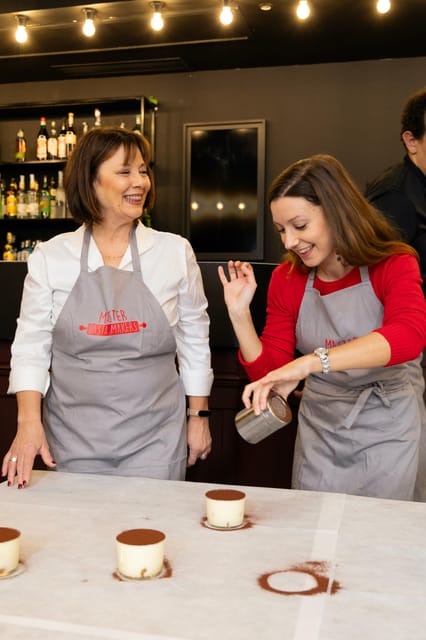
This cooking class is located in the Lazio region and meets at Via Giuseppe Zanardelli 14 at Restaurant Gusto. The big practical win is that you’re near Piazza Navona, so you can turn this into a simple plan: sights first, then pasta-making, without wasting time crossing the city.
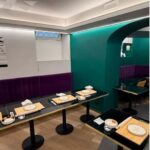
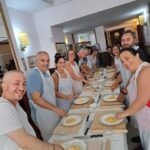
When you arrive, expect a lively restaurant feel rather than a private studio. It’s the kind of place where staff are moving around and the room can get warm during active cooking. If you’re sensitive to heat, wear breathable layers and plan to shed a layer once you’re inside.
Also note: the class is English-instruction and marked as wheelchair accessible. It runs about 3 hours, so you’re not committing to a half-day in a kitchen.
The 3-hour flow: tiramisù first, then fettuccine and ravioli
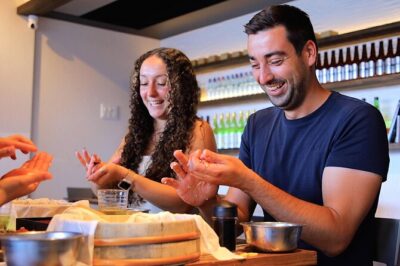
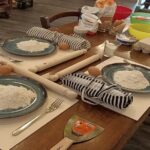
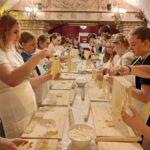
The class is built around a traditional Italian meal, in a logical order: tiramisu, fresh fettuccine, and ravioli. You’re not just watching. You’ll handle the dough—kneading, rolling, and shaping—while the chef guides you through the steps.
Starting with tiramisù makes sense. It gives you something sweet and immediately satisfying while the more hands-on pasta work ramps up. Then you move into pasta dough, where the class really earns its keep: learning how dough behaves as you knead and roll it.
What you’ll do during the pasta portion
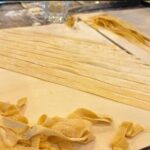
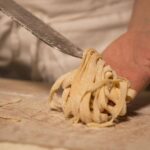
You’ll practice techniques that matter for making pasta at home later: getting the texture right, rolling to a consistent thickness, and working with dough without it turning into a sticky mess. The class also teaches you how to finish your dishes with the right sauce matchups—because in Italian cooking, the pasta isn’t just the star; it’s the partner.
If you like clear instructions and a fun teacher energy, you’ll likely enjoy it. If you need lots of slow, personal attention at each step, the group format may feel a little fast—especially if the room is full and everyone’s cooking at the same time.



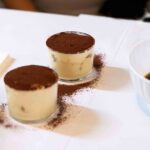
Tiramisù making in Rome: dessert you can actually recreate
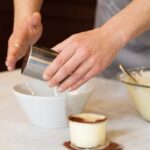
You’ll learn to make tiramisu as part of the meal. This is one of those desserts that sounds simple but can be tricky if you don’t get the balance right. The value here is not just eating it—it’s learning the rhythm and logic of the process so you can reproduce it later.
Tiramisu also works as a confidence booster. Before anyone tastes your pasta, dessert is already in motion. That’s nice if you’re new to Italian cooking and want a win early.
One caution: not every class segment lands the same way for every person. Some participants feel the pasta gets more time and attention, and the tiramisù portion may feel shorter or more practical than showy. Still, you do end up with a finished dessert as part of your included meal.
Fresh fettuccine with Roman sauce options (Cacio e Pepe, Amatriciana, Tomato & Basil)
This is where the experience feels most Roman. You choose your fettuccine sauce from three options:
- Tomato & Basil
- Cacio e Pepe
- Amatriciana
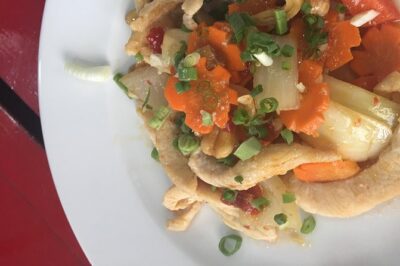
That choice matters because each sauce teaches you a different kind of Italian cooking logic. Tomato & Basil leans bright and straightforward, great if you want a familiar, crowd-pleasing result. Cacio e Pepe is all about technique and balance—cheese and pepper doing the heavy lifting. Amatriciana brings a heartier, savory profile.
And yes, the class is designed so you don’t just learn one flavor and call it a day. You’ll learn the pasta portion and then see how the sauce changes the final personality of the dish.
Why this menu choice is good value
At a price point like $82 per person for a 3-hour, hands-on meal experience, you want more than one thing to learn. This class gives you three major components (dessert + two pasta shapes) and gives you a meaningful sauce choice rather than a single default.
If you’ve never cooked pasta before, sauce variety also helps you remember what you did. You can say, I made fettuccine with Cacio e Pepe, and that sticks.
Ravioli shaping and the butter-and-sage finish
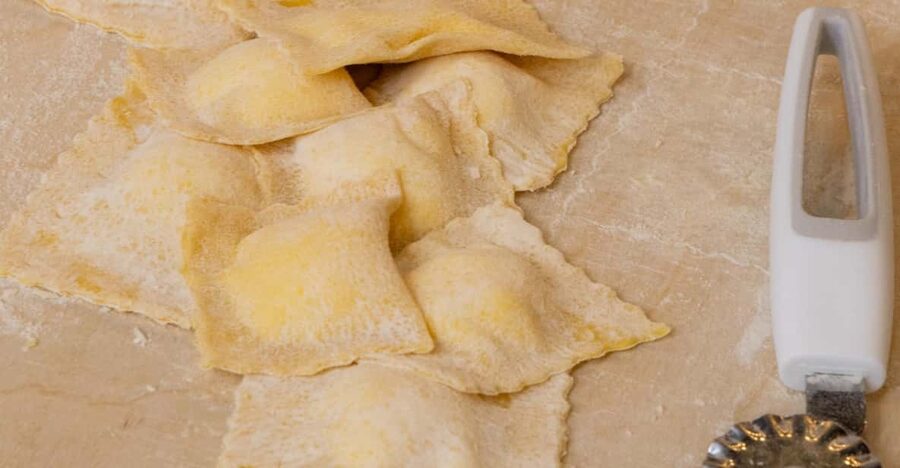
You’ll also make ravioli from scratch as part of the class. The chef guides you through the dough work and shaping process, which is usually where at-home ravioli attempts go wrong. The lesson is practical: how to handle dough without stretching it too much, and how to seal pieces so they cook cleanly.
Your ravioli are finished with butter and sage sauce. This is a classic pairing, and it’s a smart teaching move. It’s flavorful without being complicated, which helps you taste how good the pasta is when the sauce doesn’t drown it.
If you’re the kind of person who always orders ravioli but rarely understands what makes it great, this part can be a real eye-opener. Butter and sage is also forgiving, so even if your first batch isn’t perfect, you still end up with a satisfying plate.
One logistical note to keep expectations realistic: in a group cooking environment, finished items may be served in a way that’s less individualized than you’d get in a private kitchen. That doesn’t mean the food isn’t yours—it just may not always feel like a single plate made and plated one-on-one.
Eating time: wine with dinner plus limoncello or coffee
Once you’re done cooking, you sit down and enjoy your creations. The experience includes a glass of wine or a non-alcoholic drink. There’s also unlimited water, which is exactly what you want once you start tasting wine with salty sauces.
At the end, you’ll finish with limoncello or Italian coffee. That sweet-citrus or caffeine landing pad helps the whole experience feel complete, like a full Roman-style meal rather than a dessert-and-pasta workshop that ends abruptly.
What you’ll likely feel after the meal
After three hours of dough work, you’ll probably be hungry in a good way. The best part is that you’re eating the results right away—so you connect your effort to the flavor, texture, and satisfaction.
If you’re doing this as a pre-planned evening activity, you’ll also appreciate that it handles food for you. No hunting for dinner afterward, no decision fatigue mid-trip.
Instructors and pacing: Lori, Maria, Mimi, and Tommy/Tomi energy
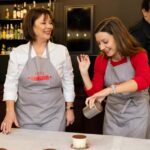
The class is led by an expert chef/instructor in English. Depending on the day, different instructors run sessions, and names that come up include Lori, Maria, Mimi, and Tommy/Tomi.
What these instructors have in common is upbeat teaching—clear steps and lots of interaction. Some people describe an especially fun, entertaining vibe. That matters because pasta-making has a learning curve. A calm teacher can still be clear, but a lively one keeps you from getting stuck or embarrassed when dough acts weird.
Pacing is the only recurring consideration. If your group is large or the room is busy, the class can feel like it’s moving at a steady clip. That’s not automatically bad—it often helps you get everything on the table within the 3-hour limit. Just don’t expect a slow, private atelier style.
Price and value: is $82 per person worth it?
For $82 per person, you’re buying three things at once:
- A hands-on lesson in pasta dough and shaping
- A full included meal (fettuccine + ravioli + tiramisù)
- Drinks (wine or non-alcoholic) plus water, then limoncello or coffee
If you’ve ever tried to book a cooking class that includes both instruction and meal, you know the price can swing wildly. Here, the structure is tight: 3 hours, multiple dishes, plus drink service at the end.
Where the value feels strongest is for beginners or for people who want the memory of doing it—not just tasting it. This class is designed so you leave knowing how to recreate an Italian meal at home, not just how to talk about it at the airport.
When it might feel less worth it
If you’re mainly chasing a huge focus on dessert or if you hate crowded restaurant logistics, you might feel the pasta portion gets more attention than the tiramisù segment. Also, if you’re expecting a quiet studio experience, the restaurant setting can be a mismatch.
Who should book this cooking class (and who should think twice)
This class fits best if you want a real activity with food as the payoff.
You’ll like it if:
- You’re visiting Rome and want one ticket that turns into multiple dishes
- You want to learn practical pasta skills (kneading, rolling, shaping)
- You enjoy choosing flavors, especially the Roman sauce options
- You’re traveling with a partner, friends, or a group that likes doing things together
You might think twice if:
- You want a very quiet, private cooking studio vibe
- You’re very sensitive to heat or crowded restaurant movement
- You prefer unhurried pacing and lots of one-on-one attention
- You’re traveling with kids under 4 (this class isn’t suitable for them)
Should you book it? My honest decision guide
Book this cooking class in Rome if you want a hands-on, meal-centered experience near Piazza Navona, with English instruction, real pasta-making skills, and a complete dinner-style finish. The combination of tiramisù + fresh fettuccine + ravioli, plus wine and a coffee or limoncello send-off, is the kind of value that’s hard to replicate on your own during a short trip.
Skip it (or switch plans) if your priority is a slow, quiet, private class with zero restaurant bustle. Also, if you’re the type who expects a perfectly individualized plating and pacing every step of the way, adjust expectations for a group format.
If you’re flexible, hungry for learning, and happy to trade a little calm for a lot of food-making, this is a very solid way to spend an afternoon in Rome.
FAQ
Where do we meet for the Rome cooking class?
The meeting point is Via Giuseppe Zanardelli 14, at Restaurant Gusto.
How long is the cooking class?
The experience lasts 3 hours.
What dishes will I make during the class?
You’ll make tiramisu, fresh fettuccine, and ravioli from scratch.
What sauce options are available for the fettuccine?
You can choose Tomato & Basil, Cacio e Pepe, or Amatriciana.
Is wine included?
Yes. The class includes a glass of wine or a non-alcoholic drink.
Is the class suitable for children?
It is not suitable for children under 4 years.
Is there free cancellation?
Yes. You can cancel up to 24 hours in advance for a full refund.