REVIEW · FLORENCE
Firenze; Cooking Class Pasta/Tiramisù and Tuscany Wine
Book on GetYourGuide →Operated by Ristorante Murales Bistrò · Bookable on GetYourGuide
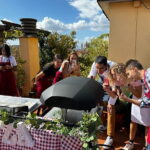
Flour on your hands, sauce in your smile. This Firenze cooking class turns pasta and tiramisù into a hands-on 2.5-hour experience, capped with red and white wine. It’s simple, social, and very practical.
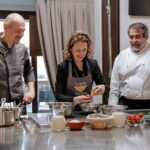
I really like how the lesson focuses on doing the work yourself. You learn handmade pasta the traditional way, without machines or shortcuts, and you finish by eating what you made. I also like the small-group feel (up to 10 people) and how the chefs teach with patience; Kadri, for example, gets praised for being kind and very hands-on.
One thing to consider: you’re not just tasting. You’ll be standing, mixing, kneading, and shaping. If you’re hoping for a mostly hands-off food tour with only bites, this may feel like homework with wine.
In This Review
- Key highlights to know before you go
- Inside Ristorante Murales Bistrò: the vibe and why it matters
- The pasta lesson: two types of handmade dough, no machines
- Tiramisù together: practical dessert steps you can remember
- Wine tastings of Tuscany red and white: what’s included and how to treat it
- What you get for $70: value beyond the headline price
- The day-to-day logistics that matter (and the one possible snag)
- Who should book this cooking class in Firenze?
- Should you book it? My straight answer
- FAQ
- How long is the cooking class?
- How much does it cost?
- How big is the group?
- What will I cook and eat?
- Is wine included?
- What languages are offered?
- Is it wheelchair accessible?
- Are vegetarian options available?
Key highlights to know before you go
- Handmade pasta using only your hands (no machinery)
- Two different pastas, made together with step-by-step guidance
- Tiramisù preparation as a group, then you eat it at the end
- Wine tastings of both red and white, included with the experience
- Small group capped at 10, so you actually get attention from the chef
- Food, drinks, and materials included, so you’re not piecing together extras
Inside Ristorante Murales Bistrò: the vibe and why it matters
This class is run through Ristorante Murales Bistrò, which is key to the whole experience. Instead of a demo that turns into a quick photo opportunity, you’re cooking inside a working restaurant environment. That usually means the tools, timing, and flow make more sense—and you learn in a way that feels real, not staged.
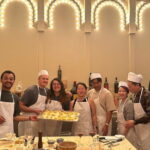
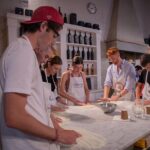
The group stays small, limited to 10 participants. In a setting like pasta dough, that size matters. You don’t spend the class watching someone else work. You get enough time at the counter to ask questions, adjust your technique, and actually finish your dish. Several notes in feedback point to this “more exchange, more attention” feeling, which I agree is the difference between a satisfying class and a crowded show.
You also get a live guide in Italian and English. That’s helpful because pasta and tiramisù can sound straightforward—until someone teaches you what to look for. Having the language support makes it easier to understand cues like texture, consistency, and timing.
You can also read our reviews of more tours and experiences in Florence.
The pasta lesson: two types of handmade dough, no machines
Here’s what you should expect from the main event: you’ll make pasta together, twice. The class is structured as a guided introduction and then a hands-on cooking session where the chefs explain the steps and you follow along.
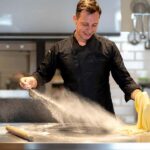
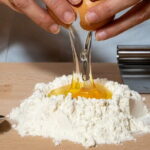
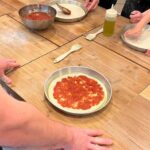
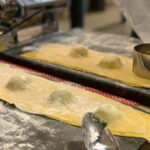
The biggest learning point is that the pasta is made in the traditional way using only hands. No machines. No “roll-it-out-for-you” shortcuts. That means the skills you practice are the real ones: handling dough, working it into the right consistency, and shaping it with confidence.
Two practical reasons this matters:
- You understand the dough, not just the recipe. When you feel the dough change during kneading and resting, you start recognizing when it’s ready instead of guessing.
- You can recreate it later. Machine-based pasta is easier, but hand-rolled pasta teaches you the fundamentals that don’t disappear when you’re back home.
If you’ve ever felt awkward in a cooking class, you’re in the right place. Feedback specifically praises the chef’s kindness and patience with “two very awkward Brits.” That’s a nice reminder that this is taught for normal people with normal coordination issues, not for aspiring pro chefs only.
Also, since it’s a group of up to 10, you’ll likely see different comfort levels at the table. The chef can correct common issues without making anyone feel rushed. That’s the sweet spot: structured enough to learn, relaxed enough to enjoy.
One more thing I appreciate: the class tells you the steps clearly and then keeps you moving. Pasta doesn’t wait. If you’ve got short attention spans, you’ll still be busy doing something every few minutes, not drifting through a lecture.
Tiramisù together: practical dessert steps you can remember
After the pasta work, the session shifts to dessert—tiramisù—prepared as a group. This part is valuable because it covers another side of Italian home cooking: desserts that feel impressive but are built from repeatable steps.
What makes the tiramisù portion feel like more than a side activity is that you prepare it in the lesson and then eat it at the end. That flow matters. When you actually serve and taste the finished dessert, you learn how the texture and flavors should feel when everything comes together.
Also, classes like this tend to teach technique through observation: how the dessert components interact, what consistency looks like, and how to manage timing so the final result holds up. Even if you don’t recreate every step at home right away, you leave with a mental checklist you can use next time.
And yes—you’ll have the satisfaction of finishing the meal. You’re not just leaving with a container and a vague hope that it’ll come out right. You get to taste the outcome immediately, which makes your Italian cooking knowledge stick.
One detail worth noting: there are good vegetarian options mentioned in feedback. The data doesn’t spell out exactly what those options are, so if you’re vegetarian (or eating with dietary restrictions), it’s smart to confirm specifics when you book. But the presence of vegetarian-friendly choices is a positive sign for mixed groups.
Wine tastings of Tuscany red and white: what’s included and how to treat it
You’ll taste two types of wine during the lesson: one red and one white. Wine inclusion is a big part of the “Tuscan evening” mood, but it’s also useful because it turns the class into something closer to a meal culture, not a single-dish workshop.
From feedback, the wine is described as good, and some people mention the overall atmosphere includes music that keeps it relaxed (including notes about chill music). That kind of pacing helps after you’ve been working with dough for a while. Your hands are busy, then suddenly you’re tasting and talking, and the whole experience softens into a fun social event.
Practical note: wine tastings usually aren’t meant to replace a dinner. Expect the pasta and dessert to be the main food, with wine as a companion. If you don’t drink alcohol, this is one area to consider carefully, since wine tasting is part of the structured program.
What you get for $70: value beyond the headline price
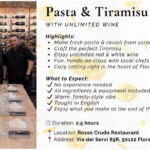
At $70 per person for about 2.5 hours, the real question is value. And here’s what’s working in its favor:
- Food and drinks included. You’re not paying separately for ingredients and beverages during the experience.
- Materials included. That removes the usual “how much extra stuff do I have to buy” friction.
- Small-group instruction (max 10). You’re getting chef attention rather than being background noise in a big crowd.
- Skip the ticket line is listed as part of the experience setup, which can save time in a city where small delays add up.
Also, a couple pieces of feedback mention follow-up support: one review says the cooks sent the recipe plus photos and videos taken during the class afterward. That’s not confirmed as a guarantee in the provided details, but it’s a strong sign that this provider is invested in helping you remember what you learned.
The other value is intangible but real: this is the kind of activity where you leave with a skill, not just a meal. You come away understanding how handmade pasta dough should feel and how a dessert like tiramisù is assembled. That’s the stuff that makes the next home-cooked Italian night easier.
- Cooking Class and Lunch at a Tuscan Farmhouse with Local Market Tour from Florence
★ 5.0 · 4,831 reviews


The day-to-day logistics that matter (and the one possible snag)
This is 2.5 hours, so it fits well between sightseeing blocks without eating your whole day. Since it’s offered at different start times based on availability, you can usually match it to your travel rhythm—morning if you like a calm start, or later if you want the class to be part of your evening plans.
The class is also listed as wheelchair accessible. That’s helpful to see stated clearly, though you’ll still want to confirm any details that matter for your specific mobility needs before you arrive.
The only potential snag is the pace and the format: you’ll be actively cooking. If you’re nursing a sore wrist, recovering from illness, or you hate hands-on tasks, you might find it tiring. But if you’re curious about pasta-making and enjoy learning by doing, that effort is exactly the point.
Who should book this cooking class in Firenze?
This experience is a great fit if you want:
- Hands-on cooking rather than a passive tasting tour
- A small group where you can ask questions and get guidance
- A taste of Tuscan food culture with wine included
- A lesson that covers both pasta and tiramisù, so you leave with a full menu memory
It may not be the best match if you want a purely scenic outing or if you’re avoiding any alcohol at all. Also, if you’re the type who needs every second to be perfectly choreographed, you’ll still be guided, but it’s a cooking class—meaning you’ll be learning through real-time doing.
Should you book it? My straight answer
Yes—if you like the idea of making two handmade pastas and tiramisù with real chef instruction, in a small group, with red and white wine included. The price feels fair because the session is packed: you’re fed, you’re taught, and you’re using the right tools and technique the whole time.
I’d book it especially if you care about learning fundamentals you can repeat later—because hands-only pasta training is harder than it sounds, and that’s exactly why it’s worth doing in person.
If you’re unsure, tell me what kind of traveler you are (foodie vs. history-focused, do you drink wine, and any dietary restrictions), and I’ll help you decide if this fits your Firenze plan.
FAQ
How long is the cooking class?
It runs for 2.5 hours.
How much does it cost?
The price is $70 per person.
How big is the group?
The group is small, limited to 10 participants.
What will I cook and eat?
You’ll cook together two types of pasta and prepare tiramisù, then eat everything at the end.
Is wine included?
Yes. The class includes tasting two types of wine: red and white.
What languages are offered?
The live guide is available in Italian and English.
Is it wheelchair accessible?
Yes, it’s listed as wheelchair accessible.
Are vegetarian options available?
Vegetarian options are mentioned in reviews as a plus, but the specific options aren’t listed in the provided details. It’s worth confirming when you book.
You Might Also Enjoy
More Tour Reviews in Florence
- Cooking Class and Lunch at a Tuscan Farmhouse with Local Market Tour from Florence
★ 5.0 · 4,831 reviews