A Florence cooking class where you shape pasta and build tiramisu from scratch is a great way to eat better. You’ll learn two iconic shapes—fettuccine and ravioli—then finish with a classic tiramisu made layer-by-layer.
What I especially like about this setup is how practical it feels: you work the dough, roll it, shape it, and cook it with classic pairings. I also love that it’s vegetarian-focused, so you still get a full Tuscan meal experience without the usual meat-based detours.
One thing to consider: with a maximum of 15 travelers, it’s not a private lesson. If you want one-on-one attention the whole time, you might find the pace more group-paced than custom.
In This Review
- Key highlights you’ll actually care about
- Florence Vegetarian Pasta And Dessert: The Best Part Is The Skill
- Where You Meet In Borgo Pinti And How The Class Starts
- Fettuccine From Scratch: Knead, Roll, Shape
- Ravioli With Spinach And Cheese, Finished With Sage
- Classic Sauce Pairings: San Marzano Tomato Sauce
- The Tuscan Tiramisù Finale: Build It Layer By Layer
- Wine, Pace, And The Group Size Feel (Up To 15 People)
- Who This Class Is For (And Who Might Skip)
- Price And Value: $34.85 For Pasta + Tiramisu Skills
- Should You Book This Florence Cooking Class?
- FAQ
- FAQ
- How long is the Florence vegetarian cooking class?
- How much does it cost?
- What language is the class offered in?
- What dishes will you make?
- What is included in the price?
- Is there hotel pickup or dropoff?
Key highlights you’ll actually care about
- Hands-on pasta skills: knead, roll, and shape from basic ingredients like flour and eggs
- Two iconic formats: fettuccine plus filled ravioli with a traditional filling style
- Tuscan dessert finale: tiramisu built with mascarpone, espresso-soaked biscuits, and cocoa
- Unlimited red or white wine included during the class
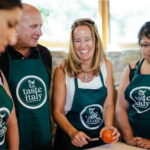
- Small group feel (up to 15 people) that keeps the room social, not chaotic
Florence Vegetarian Pasta And Dessert: The Best Part Is The Skill
This class is built around a simple idea: if you can make fresh pasta dough and shape it, you’ll understand Italian food in a way that no restaurant meal can teach. You start with core ingredients—flour and eggs—and move through the same kind of work Italians did for generations: kneading, rolling, and shaping until the dough becomes sheets of fettuccine and filled ravioli.
Then you do the “reward part,” where cooking turns into eating. You’ll pair what you make with classic sauces, so you learn not just how to cook pasta, but how Italians think about flavor balance—tomato sweetness, herb warmth, and the comfort of creamy fillings.
Finally, the dessert gives the whole experience a satisfying ending. Tiramisu isn’t just a sweet dish here—it’s a build. You’ll learn how to layer mascarpone, espresso-soaked biscuits, and cocoa so the texture stays right instead of turning into mush.
You can also read our reviews of more tours and experiences in Florence.
Where You Meet In Borgo Pinti And How The Class Starts
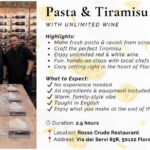
The meeting point is La Carbonata Del Porrati, Borgo Pinti, 95R, 50121 Firenze FI. The activity ends back at the same place, so you’re not spending your evening doing logistics around Florence.
That matters more than it sounds. Cooking classes work best when you arrive with calm momentum. Since there’s no hotel pickup or dropoff, you’ll want to be comfortable taking public transportation or walking a bit in central Florence. The good news: it’s listed as near public transportation, so getting in is usually straightforward.
Also, because the class is in Florence and runs about 2 hours 30 minutes, you’re likely fitting it into a day where you’ll still have time to wander—without the “I booked something all-day” feeling.
Fettuccine From Scratch: Knead, Roll, Shape
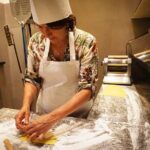
The fettuccine portion is where the class earns its keep. You’ll start with simple ingredients—flour and eggs—and you’ll get guided through traditional techniques used by Italian nonnas, the grandmothers who made pasta weekly.
Here’s what you’ll be doing in real terms:
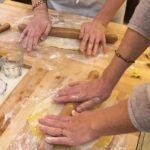
- Kneading the dough until it becomes smooth and workable
- Rolling it into thin sheets
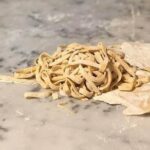
- Shaping it into fettuccine
Even if you’ve never made pasta before, this is the kind of task that clicks fast. Fresh dough is forgiving compared with baking, and the results are visible right away: good elasticity shows up as the dough rolls cleanly instead of tearing. The chef’s job is to keep you from overworking or underworking, and the reviews point to plenty of friendly, useful guidance.
I like that this part is not “watch and eat.” You’re actively making something that later becomes your meal, which is why these classes tend to stick in your memory.
Ravioli With Spinach And Cheese, Finished With Sage
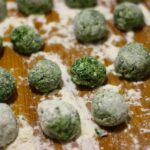
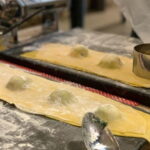
Then you move from flat pasta into filled pasta—ravioli—which feels like an upgrade in both craft and payoff. You’ll be guided through shaping filled ravioli using seasonal ingredients, then you’ll make a specific, classic combination: ravioli filled with spinach and cheese, served with butter and sage.
Filled pasta teaches you two things that are hard to learn from just eating:
- How to seal dough so it cooks properly
- How the filling stays tender while the pasta sets
Butter and sage is a smart sauce choice for ravioli because it coats without fighting the filling. Sage adds aroma, and butter gives that silky finish that makes spinach-and-cheese taste richer than you’d expect.
If you want one “wow moment” during the class, ravioli usually delivers it—because it’s the moment you go from dough work to real Italian comfort food.
Classic Sauce Pairings: San Marzano Tomato Sauce
You’ll also work with a classic pairing: fettuccine with San Marzano tomato sauce. San Marzano tomatoes have a reputation for sweetness and balance, and that’s exactly what you want with fresh pasta—clean tomato flavor that doesn’t taste harsh or watery.
What’s valuable here is the connection between ingredients and technique. When you make fresh pasta, you notice quickly how sauce behaves:
- Thick sauces cling better to fresh strands and cut cleanly
- Thin sauces can feel flat against handmade texture
- Herb timing matters for aroma
This part makes the meal feel like a Tuscan plate instead of a random collection of dishes. It’s also a great learning stop if you want to cook pasta at home later and don’t just want recipes—you want reasons.
- Cooking Class and Lunch at a Tuscan Farmhouse with Local Market Tour from Florence
★ 5.0 · 4,831 reviews

The Tuscan Tiramisù Finale: Build It Layer By Layer
Then you end with dessert: classical Tuscan-style tiramisu. The class doesn’t treat tiramisu like a quick mix-and-pour. You’ll learn the method of layering mascarpone, espresso-soaked biscuits, and cocoa.
That layering technique matters because tiramisù should balance three textures:
- Creamy richness from mascarpone
- Soft, coffee flavor from the biscuits
- Light bitterness from cocoa on top
The espresso-soaked step is the place where beginners often go wrong—too long and the biscuits turn soggy, too short and the flavor doesn’t bloom. The guided format helps you learn the timing through practice rather than guesswork.
And this is also where the class feels like a full-circle Italian meal: pasta feels like comfort and craft, then tiramisù feels like the celebration part.
Wine, Pace, And The Group Size Feel (Up To 15 People)
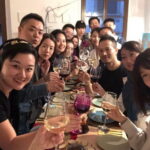
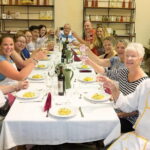
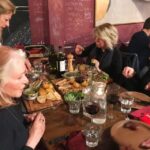
One of the biggest practical perks is that alcoholic beverages are included: unlimited red or white wine. That turns the class into a relaxed social event rather than a strict cooking lab.
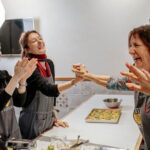
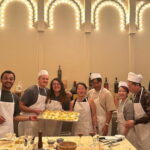
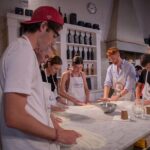
It also helps explain why the atmosphere tends to feel convivial. You’re not just focused on tasks—you’re tasting along the way and eating what you make together. The room size (up to 15 travelers) is a sweet spot: big enough to meet people, small enough that the chef can still check what you’re doing.
The pace is designed to be relaxed and interactive. That’s a good match if you’re traveling solo, going with friends, or sharing the experience as a couple. It’s also a solid choice if you’re not confident in the kitchen—because beginners get value from the step-by-step rhythm.
One consideration: since wine is included, you’ll want to pace yourself. Cooking tasks involve timing and texture, and you’ll enjoy it more if you stay present.
Who This Class Is For (And Who Might Skip)
This experience fits best if you want hands-on Italian cooking in Florence and you care about learning techniques you can reproduce later.
You’ll probably love it if:
- You want to make vegetarian pasta and dessert that still feels classic
- You want a guided class that covers both savory and sweet
- You like small-group energy instead of a huge tour bus vibe
- You want something memorable beyond museum stops
You might think twice if:
- You want a meat-heavy Italian meal (this one is vegetarian-focused by design)
- You’re looking for a private, personalized class
- You prefer no alcohol with cooking (wine is included)
Price And Value: $34.85 For Pasta + Tiramisu Skills
At $34.85 per person, this class is one of those deals where the value isn’t just the meal—it’s the skills. You’re getting:
- Meals (you eat what you cook)
- Unlimited red or white wine
- Cooking equipment
- A professional chef guiding you through dough, shaping, and assembly
Add up what that usually costs if you tried to recreate it on your own in a market plus pay for a teacher, and the math starts to favor this class fast. Even if you only remember parts of what you learn—like how dough should feel or how ravioli filling and sealing works—you’re leaving with practical knowledge you can use at home.
Also, the class includes a complete arc: savory pasta build plus a dessert you can serve to impress people without spending hours figuring it out.
Should You Book This Florence Cooking Class?
If you want a Florence experience that’s more than just looking, I think this is a strong yes. The hands-on pasta and layered tiramisù combination is a rare pairing that teaches real technique, not just how to assemble a dish. Small group size helps keep it friendly, and the included wine makes the whole thing feel like an evening with food people—not a timed lecture.
I’d book it if you’re vegetarian (or simply want a change from the usual meat-centric tours) and you’re excited by the idea of making fettuccine and ravioli with your own hands.
FAQ
FAQ
How long is the Florence vegetarian cooking class?
It’s about 2 hours 30 minutes.
How much does it cost?
The price is $34.85 per person.
What language is the class offered in?
The experience is offered in English.
What dishes will you make?
You’ll learn to make fettuccine, filled ravioli (spinach and cheese), and you’ll make classical Tuscan-style tiramisu.
What is included in the price?
Included are meals, unlimited red or white wine, cooking equipment, and a professional chef.
Is there hotel pickup or dropoff?
No. Private transportation and hotel pickup/dropoff are not included, and the activity ends back at the meeting point.
If you want, tell me your travel dates and whether you’re a total beginner in the kitchen. I can help you decide the best time to fit this into a Florence day.
You Might Also Enjoy

More Tour Reviews in Florence
- Cooking Class and Lunch at a Tuscan Farmhouse with Local Market Tour from Florence
★ 5.0 · 4,831 reviews