REVIEW · TOKYO
Small-Group Osaka-Style Okonomiyaki Cooking Class
Book on Viator →Operated by Calmo Cooking Class in Tokyo Japan · Bookable on Viator
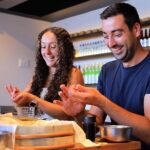
Fluffy okonomiyaki starts at home. This small-group class (max five) is run like a homestay-like meal at a local Tokyo home, not a tourist studio, and your host Eri keeps it personal and conversational. I like that you get to choose your fillings and toppings, then learn the method to make it taste right, even when you’re back at home.
Two things I especially like: you’ll get clear explanations for Japanese staples like dashi and okonomiyaki sauce, and you’ll learn practical ingredient substitution ideas for when certain items are hard to find. On top of that, the class includes dietary adjustments, including vegetarian and vegan options, so it’s not a one-size-fits-all experience.
One possible drawback to keep in mind: it’s about two hours, so you’ll learn a lot and eat well, but it’s not a super-long practice session where you’ll perfect every tiny technique before moving on.
In This Review
- Key Highlights You’ll Actually Use
- What Makes This Okonomiyaki Class Feel Worth It
- Finding the Meeting Point Near Asagaya (Without Stress)
- The Ingredient Lesson: Dashi, Sauce, and How Substitutions Save You
- Osaka-Style Fluffy Okonomiyaki: Layering, Timing, and the Flip
- Customizing Your Fillings (And Making It Yours)
- While You Wait: Stir-Fried Pork and Kimuchi
- Eating Together: Itadakimasu and the Real Point of the Lesson
- Price and Value: Is $150 a Smart Use of Time?
- Who This Class Suits Best
- Should You Book This Osaka-Style Okonomiyaki Class?
- FAQ
- How many people are in the class?
- How long is the okonomiyaki cooking class?
- Is there a vegetarian or vegan option?
- Will I learn how to substitute ingredients after the trip?
- Where do we meet for the class?
- Do I get a mobile ticket?
- Is there free cancellation?
Key Highlights You’ll Actually Use
- Five-person limit for a more personal cooking lesson than big group classes
- Fluffiness tips focused on how to layer, cook, and flip for a softer texture
- Dietary-friendly approach with vegetarian and vegan adjustments available
- Dashi, sauce, and ingredient substitution guidance so your homemade results feel less like guessing
- Layering and toppings freedom so you can build your okonomiyaki the way you like
- Stir-fried pork and kimuchi while you wait for extra savory food alongside your main dish
What Makes This Okonomiyaki Class Feel Worth It
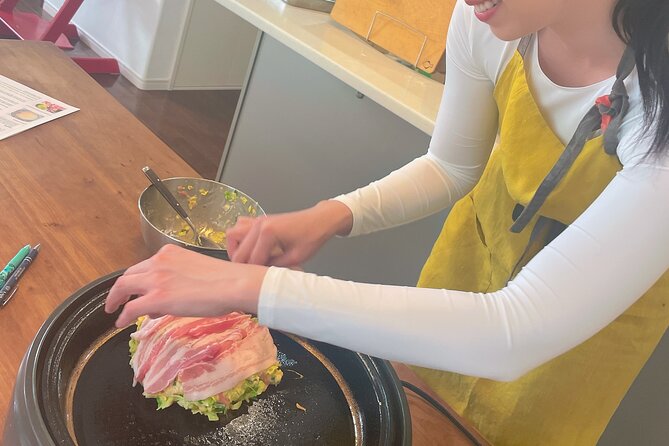
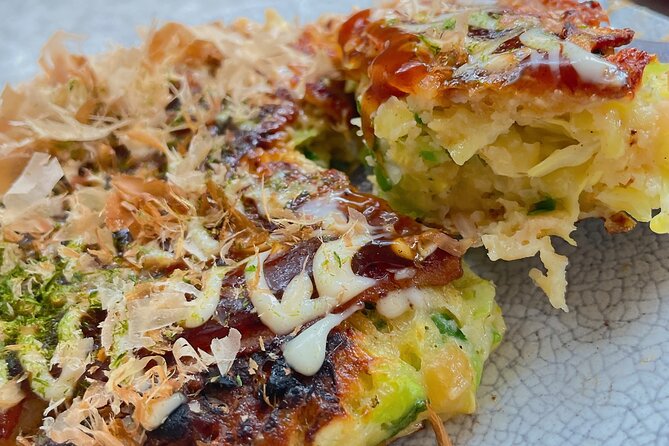
Okonomiyaki is often described like a savory pancake, but the real magic is in the texture. Here, the goal is fluffy, not flat. You’re not just watching someone cook; you’re learning the steps, the timing, and the little decisions that affect how it turns out.
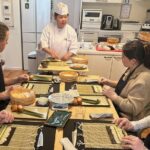
The setup also matters. This isn’t a factory-style cooking demo. You’ll be in a home setting, which changes the whole vibe. You’ll likely feel like you’ve been invited for dinner plus a hands-on lesson. Eri’s English is described as good enough for questions, and the tone is friendly. You can ask anything, including how ingredients work in Japanese cooking.
And the small size is a big deal. With a group capped at five, you get more attention during the important moments, like when you need to flip something without it collapsing into breakfast regrets.
You can also read our reviews of more tours and experiences in Tokyo.

Finding the Meeting Point Near Asagaya (Without Stress)
You meet at NewDaysJapan in Asagaya, specifically at 166-0004 Tokyo, Suginami City, Asagayakita, 3-chōme 南3361, at JR Asagaya Station, 2F outside the ticket gates on the concourse side. The activity ends back at the same meeting point.
Why this matters: when a class is in a neighborhood home, “getting there” becomes part of the experience. Staying near a train stop helps you avoid long transfers or confusion. The info also says it’s near public transportation, which is exactly what you want for a two-hour activity.
If you’re coming from elsewhere in Tokyo, plan to arrive a little early, not because the class is complicated, but because you don’t want to start with rushing. You’re here to cook, not sprint.
The Ingredient Lesson: Dashi, Sauce, and How Substitutions Save You
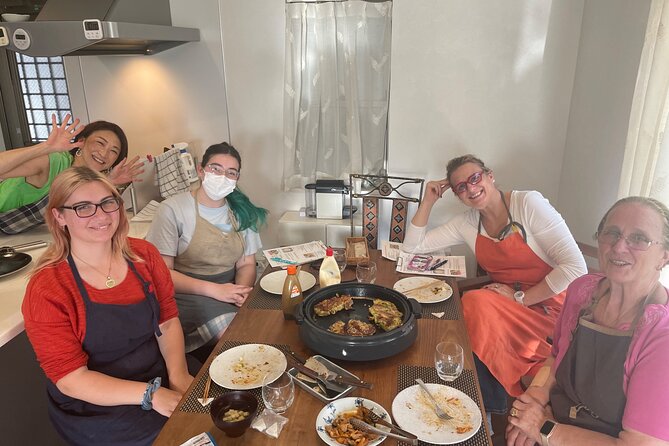
Before the cooking really starts, you’ll get explanations around Japanese ingredients like dashi and sauce. This is the part many classes skip, and it’s what helps you make okonomiyaki that tastes like the real thing instead of just fried batter with toppings.
Here’s the practical takeaway: dashi is the backbone flavor you often need for that savory Japanese depth. If you’ve ever tried to reproduce Japanese flavors at home and ended up with something “close but not quite,” it’s usually because you didn’t have the right foundation. In this class, you’ll learn what to aim for and how to think about it.
Then comes the money-saving skill: substitutions. The class explains how to substitute when you can’t find specific ingredients in your country. You’ll be able to leave Japan with a clear idea of what matters most in each component, not just a list of names.
This is especially helpful if you’re traveling from somewhere where okonomiyaki ingredients (or the exact versions used in Japan) are expensive, hard to find, or simply unavailable.
Osaka-Style Fluffy Okonomiyaki: Layering, Timing, and the Flip
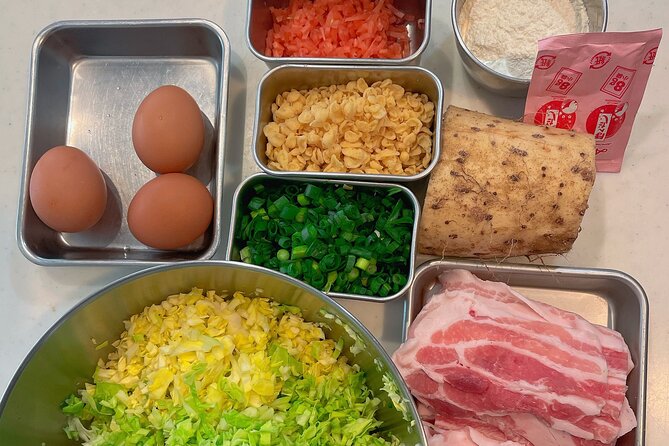
The main lesson is the technique for fluffy okonomiyaki. The class focuses on tips that make the difference between a pancake that’s too dense and one that stays soft.
You’ll learn the fun parts with structure:
- Layering ingredients in a way that helps the texture stay tender
- Cooking until ready to flip rather than rushing the flip
- Flipping once it’s cooked enough so it holds together
- Adding toppings at the end so you get that classic finish
The class also emphasizes flexibility. Okonomiyaki can be made with different fillings, so you get to build something personal while still staying within the method. The host supports you as you choose your ingredients, and dietary adjustments can be made, including vegetarian or vegan options.
One small note for your expectations: flipping is the moment most people worry about. In a small-group home setting, you’re not stuck waiting for the instructor to finish one person’s pancake before helping the next. That’s where the five-person cap pays off.
Customizing Your Fillings (And Making It Yours)
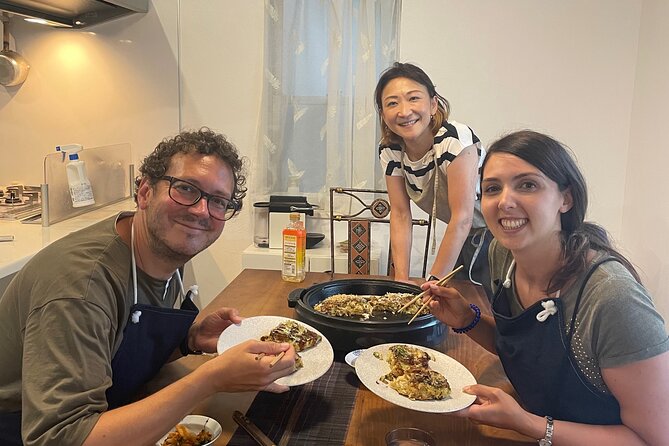
You choose what goes inside, and that’s not just marketing fluff. Ingredient choice changes the whole personality of your okonomiyaki. It can lean comforting, tangy, savory, or spicy depending on what you pack in and what toppings you add.
You’ll also learn how to think about substitutions while customizing. So if your top choice ingredient isn’t available later, you’re not left with a sad attempt. You’ll know what role the ingredient plays and what kind of replacement makes sense.
If you’re traveling with a specific dietary need, this is a rare kind of class because it’s not treated like an afterthought. The description explicitly mentions vegetarian and vegan options and adjustments for restrictions.



While You Wait: Stir-Fried Pork and Kimuchi
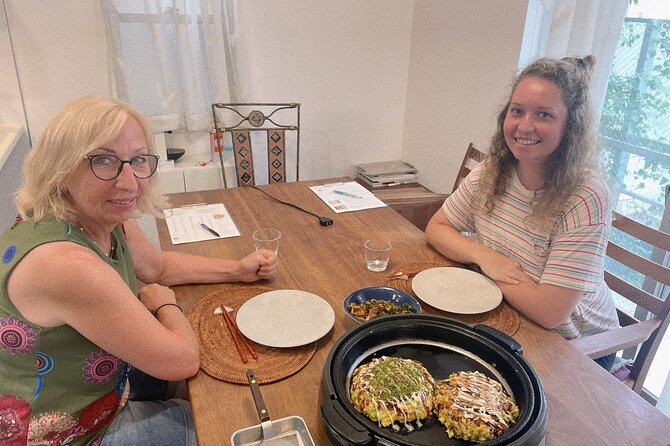
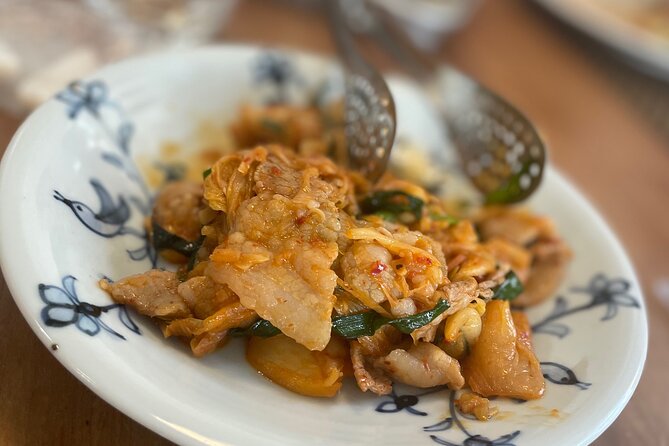
Okonomiyaki takes a little time. During the waiting period, you’ll make and eat stir-fried pork and kimuchi. This is a great pairing because it covers your savory craving while the main pancake cooks through.
Why this is a smart design: it keeps the meal feeling like a proper home dinner instead of a single-item wait-and-hope situation. The pork and kimuchi are described as savory and loved by many guests, which makes sense. It also gives you variety in flavors and textures, so you’re not just eating one hot thing the whole time.
Eating Together: Itadakimasu and the Real Point of the Lesson
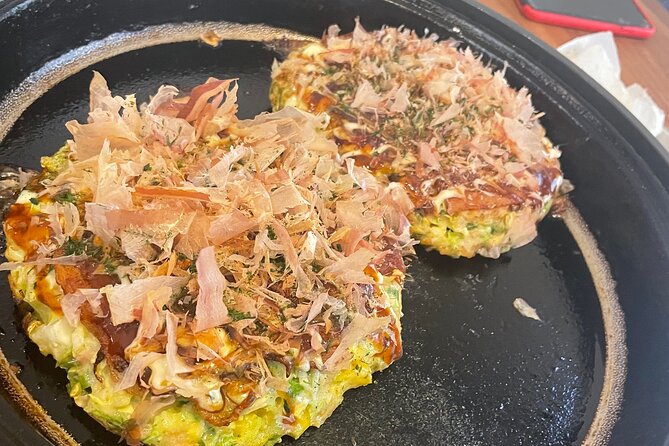
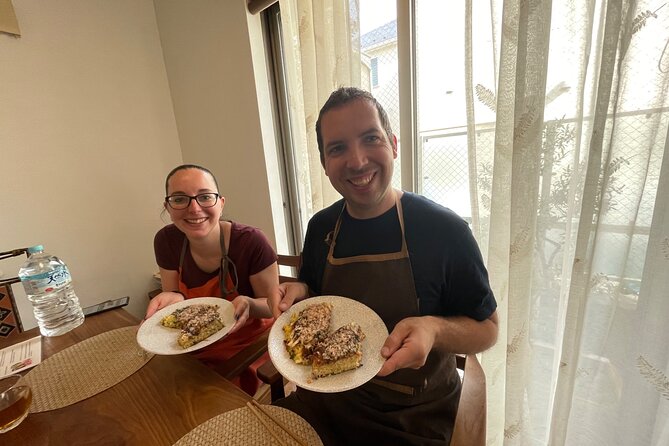
When it’s time, you’ll say itadakimasu and enjoy your meals. That moment matters more than people think. Cooking classes sometimes end when the dish goes on the plate. Here, it’s framed as a shared meal.
You’re getting the technique, yes, but you’re also learning how the meal fits into everyday Japanese home eating. That’s why the homestay-like format is more than atmosphere. It connects the cooking steps to real life, not just a souvenir activity.
Price and Value: Is $150 a Smart Use of Time?
$150 per person sounds like a splurge until you map what you’re actually getting. For that price, you’re getting:
- A two-hour hands-on cooking class
- A max five person group experience
- Instruction in Japanese ingredient basics like dashi and sauce
- Technique coaching aimed at fluffy texture
- A flexible build-your-own approach to fillings and toppings
- Included meal time with okonomiyaki plus stir-fried pork and kimuchi
- Vegetarian and vegan options, plus substitution guidance for life after Japan
If you compare this to generic cooking demos where you watch mostly and snack a little, this one has clear value. The biggest value driver is the group size and the instruction focus on technique. You’re leaving with a repeatable skill set, not just a one-time meal.
Booking is often about 7 days in advance on average, so if you’re traveling in a busy period, plan earlier rather than later.
Who This Class Suits Best
This is a great fit if you want something practical and Japan-specific without feeling trapped in a tourist routine.
It’s especially good for:
- People who like hands-on cooking more than museum-style experiences
- Anyone who wants to recreate okonomiyaki at home with substitutions
- Food travelers who enjoy asking questions and chatting with a host
- Vegetarian or vegan travelers who want accommodations built into the class
If you hate cooking messes or you want a super-fast “eat and leave” experience, this might feel like too much time in the kitchen. But if you’re open to learning, it’s a fun way to understand flavor building.
Should You Book This Osaka-Style Okonomiyaki Class?
I’d book it if you want a small, friendly class where you learn the stuff that actually affects results: texture, flavor foundation, and substitutions. The five-person limit and home-style setting make it feel personal, not scripted.
I’d think twice only if two hours is too short for your style of learning or if you’re the kind of traveler who prefers food from restaurants over learning to cook it yourself. Otherwise, it’s a solid choice for a memorable, useful Tokyo experience.
FAQ
How many people are in the class?
The class has a maximum of five travelers.
How long is the okonomiyaki cooking class?
It lasts about two hours.
Is there a vegetarian or vegan option?
Yes. Vegetarian and vegan options are available, with adjustments for dietary restrictions.
Will I learn how to substitute ingredients after the trip?
Yes. The class includes explanations and substitutes so you can make okonomiyaki at home even if you can’t find certain ingredients.
Where do we meet for the class?
You meet at NewDaysJapan, JR Asagaya Station area: 2F outside the ticket gates on the concourse side, in Suginami City Asagayakita.
Do I get a mobile ticket?
Yes. The tour offers a mobile ticket.
Is there free cancellation?
Yes. You can cancel up to 24 hours in advance for a full refund.