REVIEW · INDONESIA
Nusa Dua: Balinese Cooking Class with Market Tour
Book on GetYourGuide →Operated by Summerinbalitour · Bookable on GetYourGuide
Cooking class by the sea can be surprisingly fun. This Nusa Dua session is built around hands-on Balinese cooking, guided by a friendly chef named Teddy, plus ocean views and live music.
I especially like the small-group feel (max 10 people), because you actually get time to ask questions while you’re working through the dishes. You’ll also get a proper take-home package: a recipe book plus a certificate after you finish.
One consideration: the class runs about 3–4 hours, so if you want a slow, step-by-step pace for every technique, you may feel a little rushed. Also, you’ll want to have cash on hand.
In This Review
- Key things to know before you cook
- Where this Nusa Dua cooking class fits in (and why it works)
- Morning class (10:00–14:00): market tour plus cooking
- The market tour: what it adds to the meal
- Back to the kitchen: welcome tea and snack
- The cooking session: 12 dishes in one flow
- Afternoon class (15:00–18:00): same cooking, no market tour
- The kitchen plan: how the 12 Balinese dishes make the lesson stick
- Why this list is smart for repeat cooking at home
- Spice pastes and flavor bases: the real takeaway
- Eating your work: lunch or dinner with ocean-view energy
- The guide and class vibe: why Teddy gets such strong praise
- Price and value: what $86 really buys you
- Logistics that actually matter before you go
- Who should book this cooking class, and who might not love it
- Should you book the Nusa Dua Balinese cooking class?
- FAQ
- What time does the morning class run?
- What time does the afternoon class run?
- Is there a market tour?
- How long is the experience?
- What do I cook during the class?
- Do I eat lunch or dinner?
- What’s included besides the cooking?
- Do I need to bring cash?
- Is alcohol included?
Key things to know before you cook
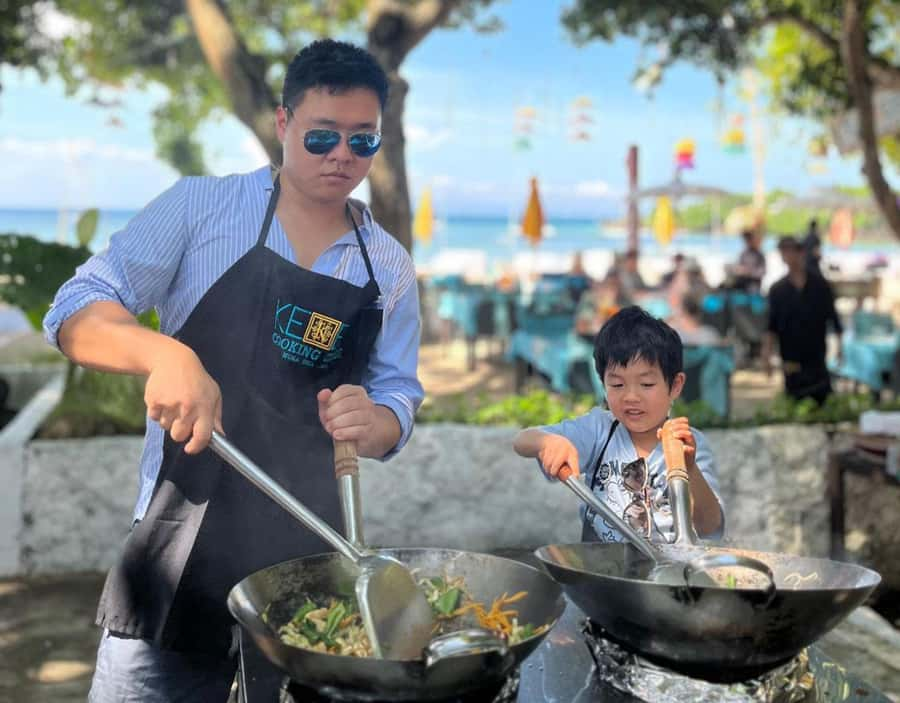
- Ocean-view cooking time: you’re not stuck in a back room; the setup comes with ocean views.
- Teddy’s style makes it feel easy: the chef’s guidance is repeatedly praised as friendly and knowledgeable.
- Market tour only on the morning class: if shopping with a guide matters to you, plan the 10:00 session.
- You’ll cook 12 menu items: from spice pastes to mains and sides, not just one or two dishes.
- You get lunch or dinner depending on your session: you eat what you make, either lunch or dinner.
- Small group, English instruction: the experience is designed for up to 10 participants, with an English-speaking instructor.
Where this Nusa Dua cooking class fits in (and why it works)
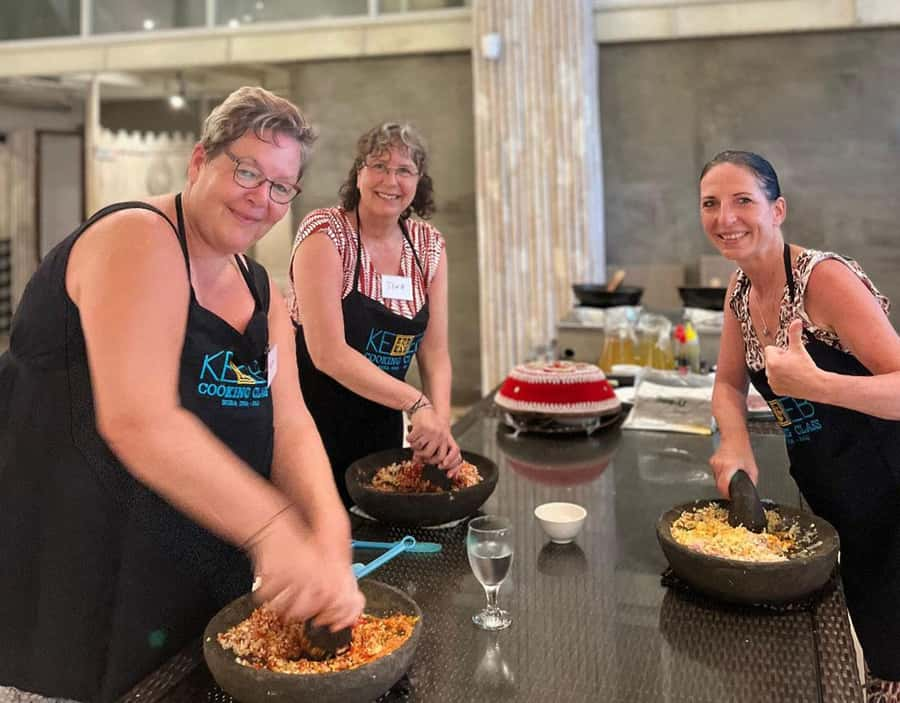
Nusa Dua is a practical base for visitors in Bali. It’s not the place you go to get lost in a maze of alleys. It’s the place you go when you want easy logistics and solid comfort, and then you still want a taste of Balinese food at the source.
That’s what this cooking class does well. You get a structured lesson—12 Balinese menu items—but you’re still moving through real flavors, spices, and cooking steps with a guide who keeps it light and understandable. And the ocean-view setting with live music adds energy, so it doesn’t feel like a classroom. It feels like you’re spending a half-day learning something you’ll actually cook again later.
Morning class (10:00–14:00): market tour plus cooking
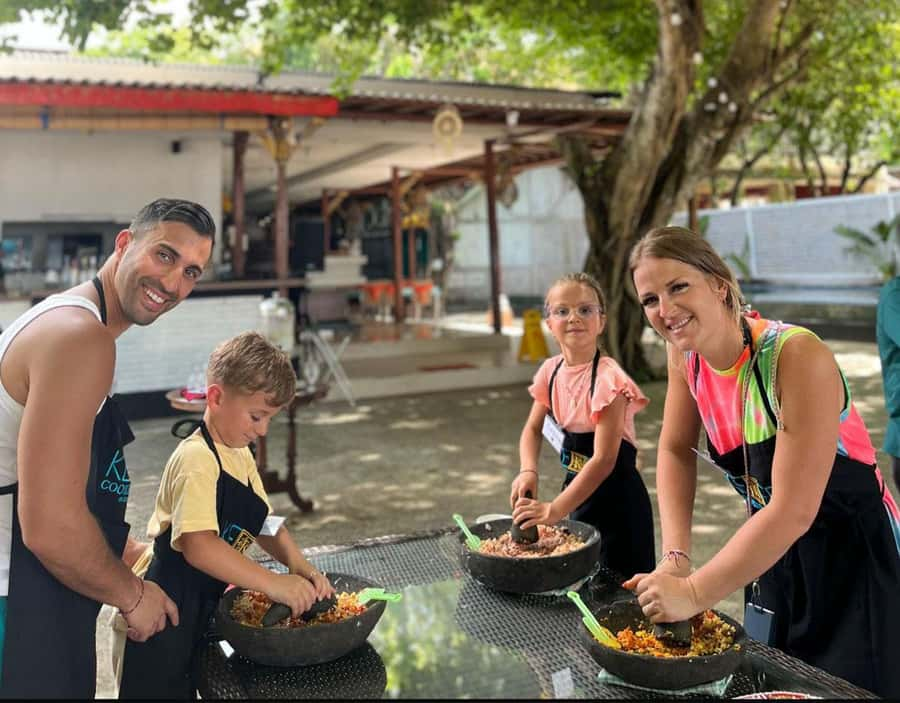
If you book the morning slot, your day starts with a guided market tour. It’s included, and it’s a big reason this class feels more grounded than a pure cooking demo.
The market tour: what it adds to the meal
A market tour isn’t just a photo stop. It helps you connect ingredients to the dishes you’ll make. You’ll see the raw building blocks you later turn into things like the base genep or gede spice paste and the seafood base called be pasih, which has an orange look.
For you, this usually means less “mystery flavor.” You can follow the recipe steps because you’ve already handled the ingredients (or at least seen what they look like before they become sauce and seasoning).
Back to the kitchen: welcome tea and snack
Before the cooking really ramps up, you’ll get welcome tea and a snack. This matters more than it sounds. In a hands-on class, you want something in your system early so you’re not fighting hunger while you’re learning multitask cooking steps.
The cooking session: 12 dishes in one flow
Morning class runs until 14:00, so you’ll be in a full session where the lunch end of the experience fits naturally. The big payoff is that you’re not just watching and sampling—you’re making. The menu list is extensive, and the chef guides you through each one so it stays fun and not boring.
Afternoon class (15:00–18:00): same cooking, no market tour
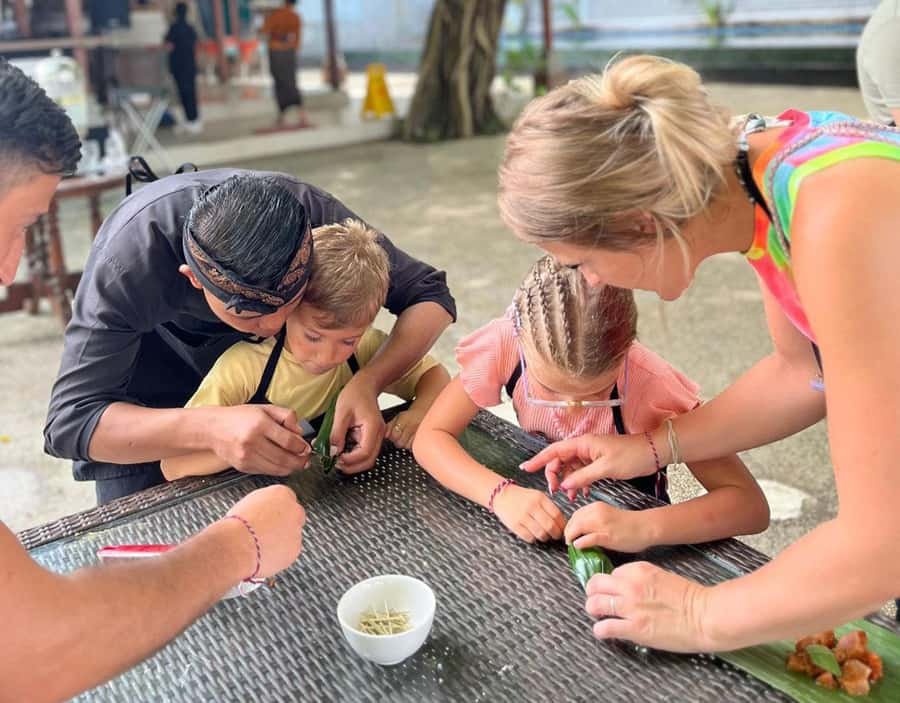
The afternoon class keeps the cooking portion, but it removes the market tour. If you already know the ingredients are the exciting part, the morning is the better choice. If you’re short on time, or you want a later start after a beach morning, the afternoon session is straightforward and efficient.
You’ll still get the welcome tea and snack, and you’ll still cook the same 12 menu items. The difference is simply the pacing and the meal timing: lunch or dinner depends on which class you choose, and the afternoon slot lines up with dinner time.
This is a good option for couples, friends, and solo travelers who want the food skills without adding one more activity earlier in the day.
The kitchen plan: how the 12 Balinese dishes make the lesson stick
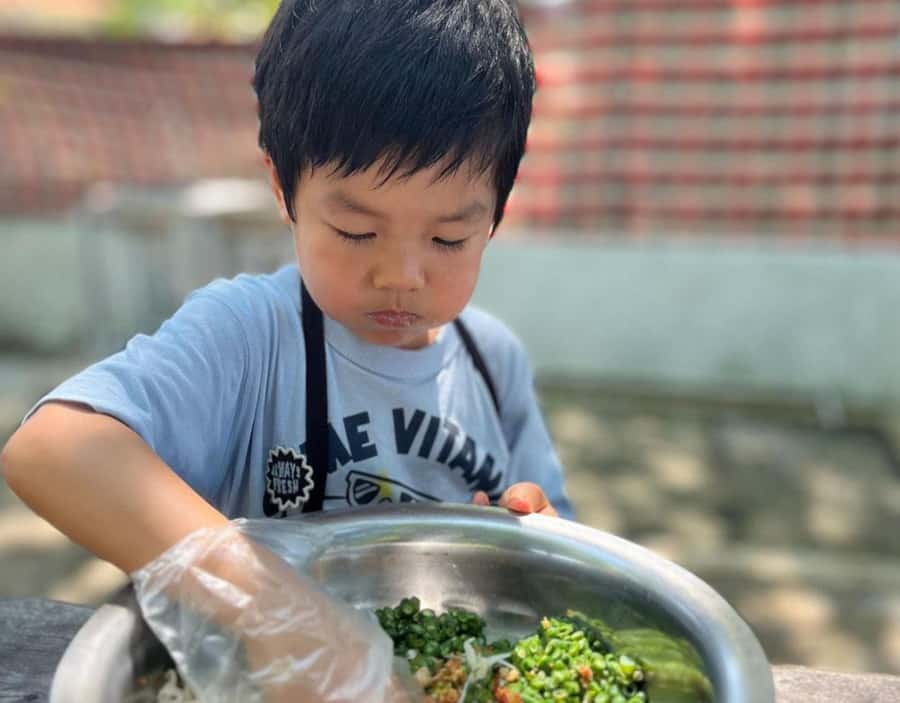
The class is built around a full menu, not a single signature dish. You’ll cook:
- Complete spice paste (base genep or gede)
- Seafood spice paste base (be pasih), noted for its orange appearance
- Beef rendang (rendang daging)
- Whole roasted chicken (ayam betutu)
- Assorted seafood curry (kari seafood)
- Grilled fish in banana leaf (pesan be pasih)
- Minced chicken satay (sate lilit)
- Green bean salad with chicken (lawar kacang)
- Vegetable salad in peanut sauce dressing (pecelan)
- Fried noodles (mie goreng)
- Fried rice (nasi goreng)
- Coconut pancake (dadar unti)
Why this list is smart for repeat cooking at home
If you’ve ever taken a cooking class and only remembered one dish, this menu is designed to prevent that. The course covers:
- Foundations (the spice pastes)
- Core mains (rendang, chicken, curry, fish)
- Everyday comfort foods (fried noodles and fried rice)
- Side dishes and textures (salads and satay)
- A dessert finish (coconut pancake)
So even if you don’t cook everything again, you’ll leave with a cluster of usable skills. The spice pastes matter because so many Balinese dishes rely on them. Learning the base is like learning how to build the engine, not just the dashboard.
Spice pastes and flavor bases: the real takeaway
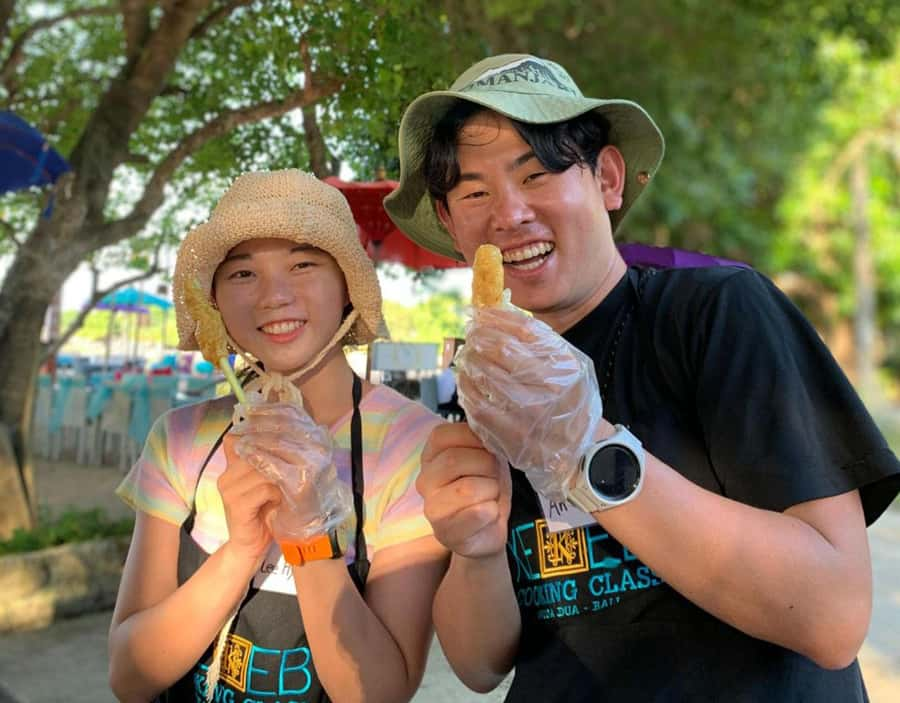
A lot of Balinese cooking comes down to careful seasoning and blending. This class makes that the centerpiece.
You’ll work on:
- The complete spice paste (base genep or gede)
- The seafood base spice paste (be pasih), which the course notes as orange in appearance
Even without turning this into a chemistry lesson, you’ll probably notice the practical difference when a dish uses a spice paste versus a sauce that starts from something else. You’ll also see how these bases connect to multiple dishes in the menu.
For me, this is one of the most valuable parts because it reduces the chance you’ll feel stuck later. You’ll have a framework you can build on.
Eating your work: lunch or dinner with ocean-view energy
After you cook, you’ll savor a feast of your own creations. That’s the part people often underestimate. Eating what you made isn’t just about satisfaction—it’s feedback.
When you taste your own rendang, curry, fried rice, or pancake, you learn what “done” looks like, not just what it should taste like on paper. And with ocean views in the background, the meal feels like a celebration instead of a finish-line snack.
You’ll also get welcome tea and snack earlier, which helps keep energy steady before the main meal.
The guide and class vibe: why Teddy gets such strong praise
The class is led by Teddy, and the reviews consistently flag him for being friendly and knowledgeable, plus making the day feel fun.
That matters because a cooking class can go two ways:
- You feel like you’re following instructions.
- Or you feel like you’re part of the process, asking questions and adjusting your technique.
Teddy’s reputation points to the second option. And with a small group limited to 10 participants, there’s room for more back-and-forth. That’s exactly what you want when you’re trying to replicate dishes later at home.
Price and value: what $86 really buys you
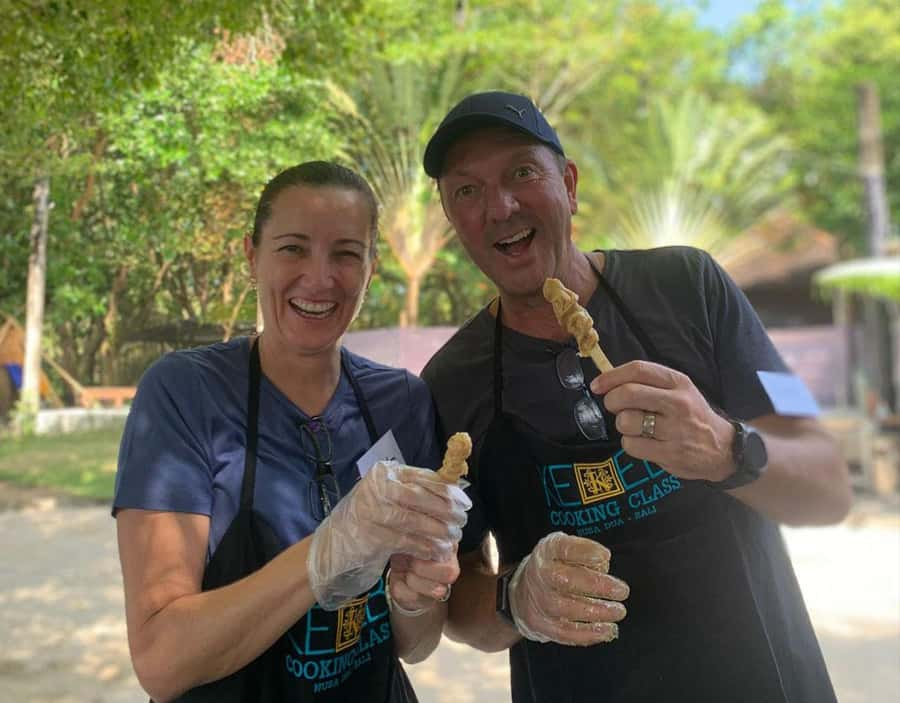
At $86 per person for a 3–4 hour class, you’re paying for more than a meal. You’re paying for:
- Guided instruction in English
- A small group experience (limited to 10)
- A full menu of 12 Balinese dishes
- Welcome tea and snack
- Lunch or dinner depending on the session
- A certificate and a recipe book
In Bali, cooking classes range widely. This one stands out because you’re not leaving after one dish. You’re leaving with a menu you can point to when friends ask what you learned. The take-home recipe book also turns the class into something you can use again, not just a good memory.
Extra costs can happen if you order drinks like beer, since drinks aren’t included. Also, the activity notes alcohol isn’t allowed—so if alcohol is important to you, confirm what’s permitted for your specific session before you arrive.
Logistics that actually matter before you go
This is where a little prep saves stress.
- Meeting point: you’ll be contacted via WhatsApp after booking confirmation.
- What to bring: cash is requested.
- Language: instruction is in English.
- Group size: small group, limited to 10 participants.
- Good to know: you’re asked to book 1 day before your activity start.
- Not suitable for: children under 10.
If you’re traveling light, plan for cash and keep your WhatsApp notifications on. It’s one of those small things that makes arrival smoother.
Who should book this cooking class, and who might not love it
This class is a strong fit if you:
- Want hands-on cooking skills, not just tasting
- Like structured learning with a full menu (12 dishes)
- Prefer a small group setting where you can ask questions
- Enjoy ocean-view settings and a lively atmosphere
It may not be the best fit if you:
- Need a slower pace than a few hours allows
- Are traveling with kids under 10
- Expect alcohol to be part of the included experience (it’s not listed as included)
For most adults and couples, it’s a great way to get real Balinese cooking knowledge without overcommitting your day.
Should you book the Nusa Dua Balinese cooking class?
I’d book it if your goal is skill, not just entertainment. You’re getting a full menu, including spice pastes and multiple mains, plus a recipe book and certificate you can actually use. The small group size and Teddy’s friendly, knowledgeable guidance are the kind of details that change how confident you feel when you cook again later.
If you want to add context to ingredients, choose the morning class for the included market tour. If you want a simpler schedule, the afternoon class still delivers the same cooking menu.
If you’re okay with a compact 3–4 hour format and you’ll bring cash, this is a solid, value-focused Bali experience that’s both practical and genuinely enjoyable.
FAQ
What time does the morning class run?
The morning class runs from 10:00 to 14:00.
What time does the afternoon class run?
The afternoon class runs from 15:00 to 18:00.
Is there a market tour?
Yes, there is a market tour, but it’s included only with the morning class.
How long is the experience?
The duration is 3 to 4 hours.
What do I cook during the class?
You’ll cook 12 Balinese dishes, including complete spice paste (genep or gede), be pasih (orange seafood base), beef rendang, ayam betutu, seafood curry, and more, up to darar unti.
Do I eat lunch or dinner?
You’ll have lunch or dinner depending on which class you choose.
What’s included besides the cooking?
Included items are welcome tea and snack, cooking guidance by a chef, the certificate, and a recipe book.
Do I need to bring cash?
Yes, cash is listed as something to bring.
Is alcohol included?
Alcohol is not included, and the activity notes alcohol and drugs are not allowed.