REVIEW · MALINDI
Malindi : Kenyan Cooking Class with Campfire Meal
Book on GetYourGuide →Operated by Mida Creek Nature Camp · Bookable on GetYourGuide
Fire, food, and real local tradition. That’s the core idea behind this Malindi cooking class at Mida Creek Nature Camp, where you learn Kenyan coastal dishes hands-on and cook over a campfire in a nature setting. I especially like the small-group feel (up to 10 people) and the way the instructor guides you step-by-step with calm, clear explanations.
What I like next is the choice built into the experience: you can eat lunch or dinner with the group, or you can take your cooking home. One drawback to consider is that it’s not suitable for people with food allergies, so if you’re allergy-prone, you’ll want to contact the provider first and plan carefully.
In This Review
- Key highlights to know before you go
- Mida Creek Nature Camp: Why this setting matters for cooking
- Your 2-hour class flow: from meeting to meal time
- The recipes you’ll learn: a coastal Kenyan mix (with room for requests)
- Cooking over the campfire: what you actually learn in practice
- Ingredients and that small camp shop: local first, practical always
- Lunch or dinner: choosing the time that fits your mood and appetite
- Harrison and the teaching style: why people feel cared for
- Price and value: how $25 stacks up for a hands-on meal
- Who should book this class, and who should skip it
- Practical tips before you go (so nothing gets in your way)
- Should you book Mida Creek’s Kenyan campfire cooking class?
- FAQ
- Where does the cooking class take place?
- How long is the experience?
- How much does it cost?
- Is the class a small group?
- What languages are used during the class?
- What should I wear or bring?
- What happens to the food you cook?
- Do I choose between lunch and dinner?
- Does the class include ingredients and a meal?
- What about allergies or dietary restrictions?
Key highlights to know before you go
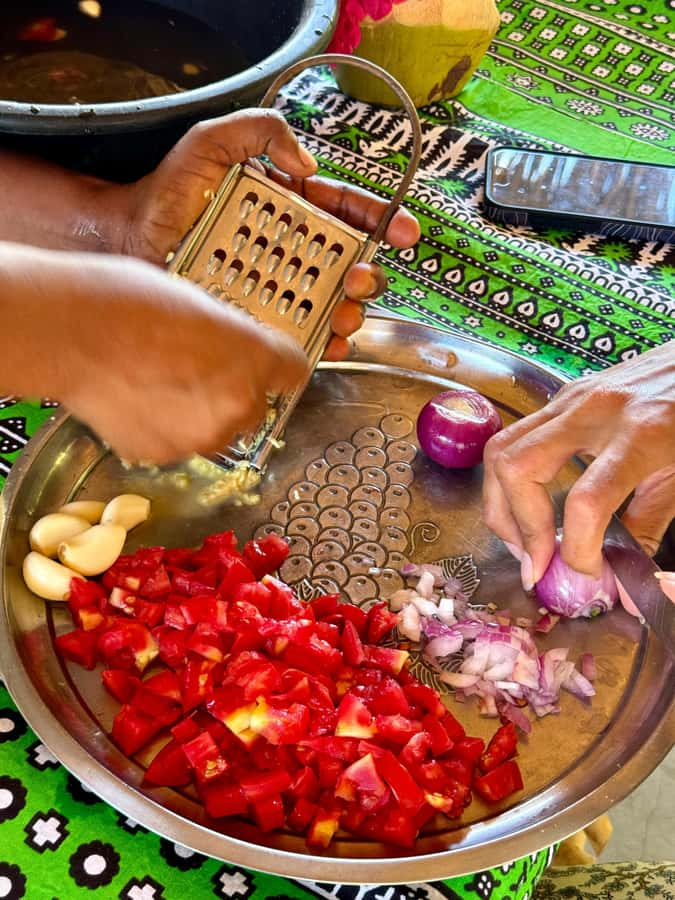
- Campfire cooking at Mida Creek Nature Camp: traditional tools, outdoors, and a natural setting that makes the lesson feel like part of the place
- A small group capped at 10: more attention from the English-speaking instructor
- You cook, you eat, or you take it home: flexible depending on whether you want to stay and socialize or pack your meal for later
- Coastal Kenyan recipes in the mix: dishes like ugali, githeri, Kenyan pilau, wali wa nazi, sukuma wiki, mchicha, Kenyan stew, nyama choma, matoke, mandazi, and grilled maize
- Homegrown-first ingredients, plus a camp shop: you use local items when possible, and a small shop supplies what’s missing
- Dish requests are welcome: the class picks from Kenyan tradition, but you can still ask for options
Mida Creek Nature Camp: Why this setting matters for cooking
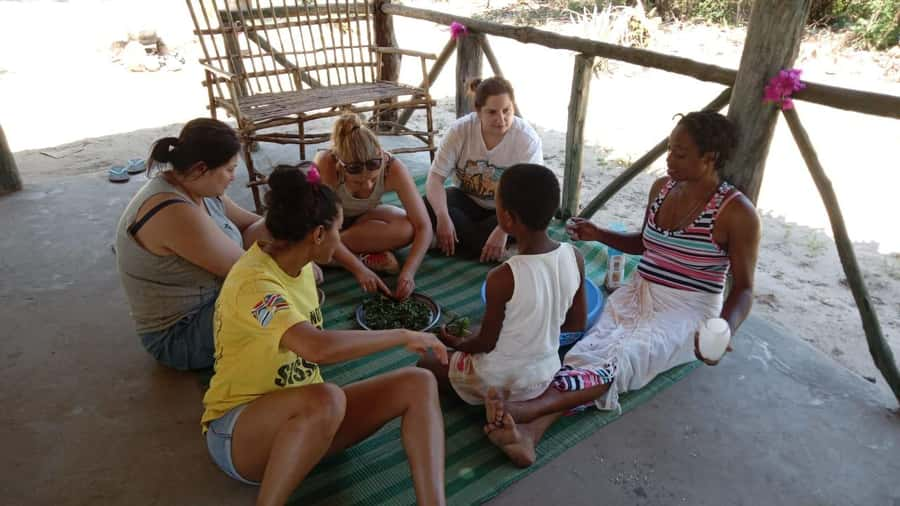
The biggest reason this class works is the location. Mida Creek Nature Camp is right off the main road, but it feels like you’ve left the noise behind. You’re cooking in a leafy, sandy-style environment with the practical focus of a camp kitchen—no fancy food theater, just real cooking with tools you can actually use.
Cooking over a campfire changes the whole rhythm. It forces you to pay attention to heat, timing, and small adjustments, which is exactly what makes the lesson stick. You’re not just watching someone explain food; you’re working through the process.
And because it’s held at a nature camp (not a studio kitchen), you also get that “you’re in Kenya” feeling while you cook. One of the best parts is that the camp itself is built for visitors who want nature and community experiences, not only meal photos.
Your 2-hour class flow: from meeting to meal time
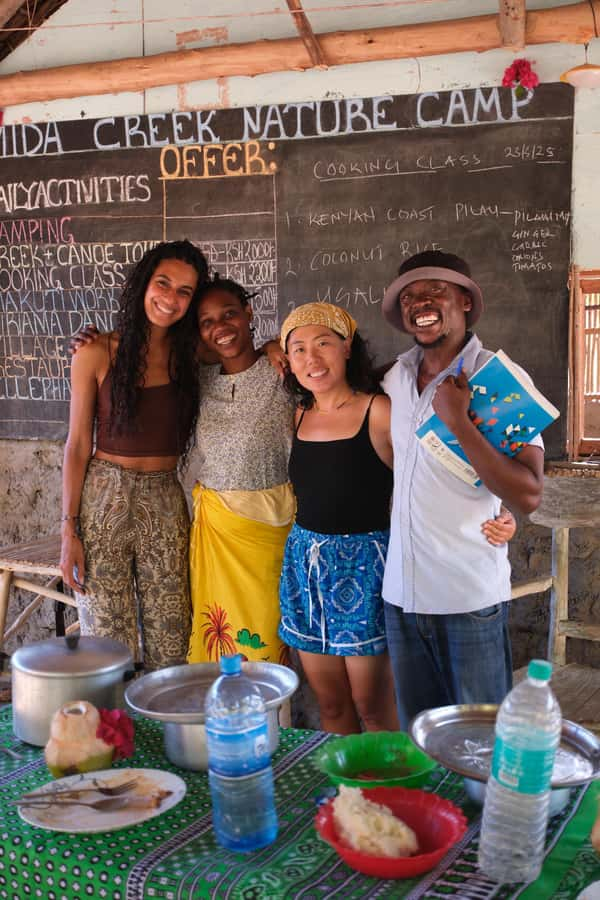
You meet at Mida Creek Nature Camp a couple of hours before lunch or dinner, depending on the schedule your group chooses. From there, the class moves at a cooking pace, not a lecture pace. You start together, and the instructor keeps things organized so everyone can follow along.
The class is designed to be hands-on. You’ll learn traditional techniques using the kind of tools you’d expect in a community cooking setting. The goal is to help you understand the logic behind the dish, not memorize a single recipe step.
Then you reach the best part: food is ready, and you either:
- Eat together with the group, or
- Bring your creations home, if that fits your day better
This “cook, then eat” rhythm is one reason people walk away impressed. It also means the 2 hours feel purposeful. You don’t just spend time cooking; you get to taste what you made while it’s still fresh and hot.
If you’re the type who likes to plan your day, this timing is friendly. The activity is short enough to fit into a larger Malindi/Coast Province itinerary, but long enough to actually learn a few techniques.
The recipes you’ll learn: a coastal Kenyan mix (with room for requests)
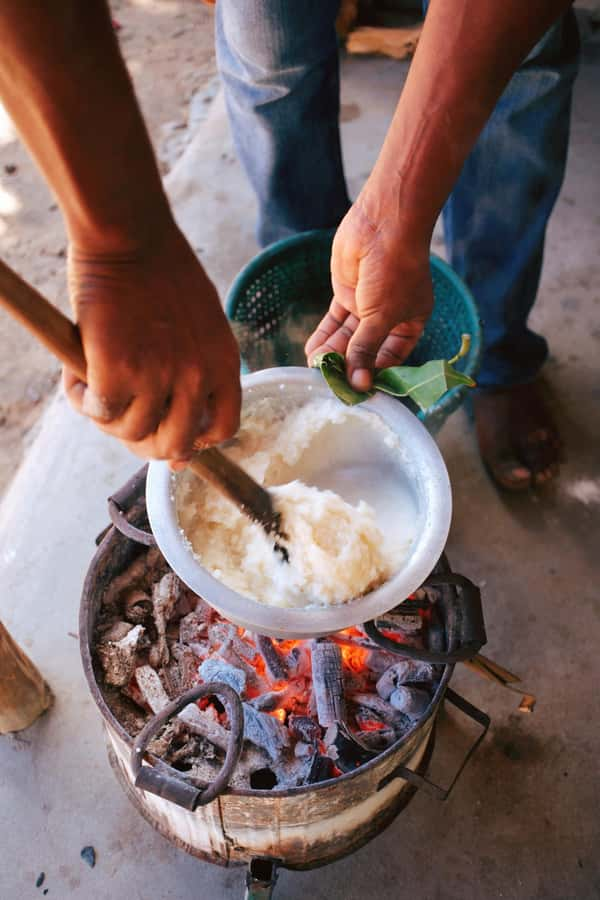
The menu rotates through Kenyan tradition, but the class offers a clear idea of what you’ll likely cook. Some of the listed favorites include:
- Ugali
- Githeri
- Kenyan pilau
- Wali wa nazi
- Sukuma wiki
- Mchicha
- Kenyan stew
- Nyama choma
- Matoke
- Mandazi
- Grilled maize
That range tells you what kind of class this is. You’re not limited to one category like rice dishes or only vegetables. You’ll touch starchy staples, hearty mains, greens, a snack/bread option, and grilled elements. Even if your exact final lineup varies, the overall mix is balanced enough that you’ll leave with a “Kenya skills” feeling, not just “I made one dish.”
Also note the class is open to requests. If there’s something you’ve been craving—within Kenyan tradition—this isn’t a strict fixed menu. It’s worth mentioning your preferences early so the instructor can build your cooking plan around what you want.
If you’re worried the class won’t cover enough for a full meal, don’t. The structure is built so the food is ready to eat as part of the session, and the meal is included.
Cooking over the campfire: what you actually learn in practice
Campfire cooking sounds romantic, but the value here is practical. Heat control is real. Timing is real. And you quickly learn how to respond when the fire changes.
In a well-run class, that turns into skills you can use later, even if you don’t have the exact same tools at home. You start understanding when to stir, when to adjust, and how to keep things moving without losing the texture or flavor.
The class also leans on traditional techniques and tools, which matters if you care about authenticity. It’s not about replacing everything with “easy” substitutes. It’s about cooking the way people do in the region and learning what each step contributes.
One smart touch: you’re encouraged to use homegrown ingredients when possible. And if something is missing, there’s a small shop at the camp to supply what you need. That keeps the class local without turning it into a “guess and improvise” exercise.
Ingredients and that small camp shop: local first, practical always
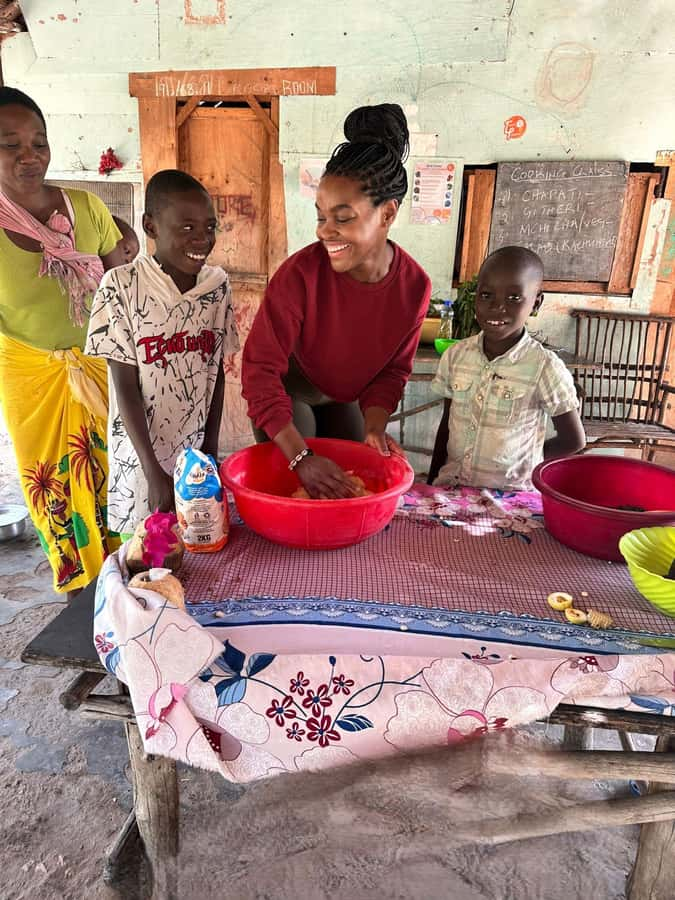
The class tries to rely on local items. That’s part of what makes it feel grounded in the Coast Province food world. But it also sounds like the provider is realistic about sourcing. If the camp shop needs to fill gaps, you’ll do it there—so the lesson stays on schedule and ingredients are handled responsibly.
For you, the takeaway is confidence. You won’t arrive expecting some perfect farm-to-fire fantasy where everything is magically available. Instead, you get a practical approach: local-first, then the camp shop supplies the missing pieces so you can cook the dishes that are on the menu.
One more detail that’s genuinely helpful: the instructor can adapt to preferences, but the ingredients still follow the Kenyan tradition the class is built on. So if you request a specific dish, you’re not asking for a totally different cooking style. You’re asking for a variation within the same cultural food lane.
Lunch or dinner: choosing the time that fits your mood and appetite
You choose between a lunch or dinner experience, and the class begins a couple hours before the meal slot. For many people, this becomes a simple decision about how your travel day is going.
- If you like a relaxed morning or mid-day plan, choose lunch. You get a full meal and still have time afterward for beach time or village exploring.
- If you want your day to stretch out, dinner can feel easier. You can slow down earlier and let the cooking lesson become the anchor activity.
Either way, the structure is the same: cook, then eat (or take home). The included meal is a big part of the value, so your best choice is the time slot where you’ll actually enjoy sitting down and eating fresh food you helped cook.
If you’re short on time, taking food home can also be a win. It’s not just a souvenir; it’s real food made during the class.
Harrison and the teaching style: why people feel cared for
A cooking class lives or dies on the instructor, and this one has a clear strength: patient, precise teaching. In particular, Harrison is highlighted in feedback for being welcoming, explaining clearly, and taking his time.
That matters because when you cook outdoors, small details matter even more. If someone rushes you, you end up with confusion and stress. When someone is calm and passionate, the class feels like a conversation around food.
There’s also something social happening beyond the recipes. The instructor and family focus on connecting visitors with the local community. That doesn’t mean you’re being dragged into a “tour” inside the cooking session. It means the lesson is taught with context and personality, so the food feels like culture rather than a random activity.
And if you want to go further, the camp environment supports other nature and community activities. Feedback mentions things like canoe rides to Green Island and the chance to stay in treehouses or tents, plus small tours around the village, mangroves, and workshops. Even if you’re only booking the cooking class, it helps to know the camp has more going on if you want to extend your day.
Price and value: how $25 stacks up for a hands-on meal
At $25 per person for about 2 hours, this class is in the affordable-to-mid range for a hands-on cooking experience on the Kenyan Coast. The reason it feels good value is what’s included: the ingredients and the meal, plus instruction and the campfire setup.
Many “cooking classes” in tourist areas charge more and then give you a small tasting. Here, you’re cooking enough that you can sit down and eat a full meal with your group, or take the food home. That makes the price easier to justify because you’re not only paying for a skill transfer—you’re also paying for a real included dinner or lunch.
The small-group cap (up to 10 participants) is another value driver. When a class is crowded, you tend to lose attention and time. Here, it’s structured so the instructor can keep things moving without leaving people behind.
Also, the recipe variety boosts perceived value. You’re not just repeating one dish for everyone; you’re learning from a coastal Kenyan spread that gives you options and memory hooks for later.
Who should book this class, and who should skip it
This cooking class is a great match if you:
- want authentic Kenyan coastal food taught in a hands-on way
- enjoy outdoors and don’t mind cooking over a campfire
- like small-group experiences where you can ask questions
- want a meal included in the activity, not a separate restaurant plan
It’s less ideal if you have food allergies. The activity information is clear that it isn’t suitable for people with food allergies. They do ask you to contact the provider about allergies and intolerances, but with food allergies specifically, you should treat that as a major limitation and confirm before booking.
You should also feel okay if you’re a beginner. The teaching is structured, and the instructor is English-speaking. Wear comfortable clothes and expect a practical, friendly class—not a stiff demonstration.
Practical tips before you go (so nothing gets in your way)
Bring comfortable clothes that work for outdoor cooking. You’ll likely be handling food, moving around a camp setup, and spending time near a fire, so you want something you can move in and not worry about too much.
If you have any food intolerances, contact the provider before the start time. The class is designed to communicate possible allergies and intolerances in advance, and that’s the best way to avoid surprises.
If you want particular dishes, message ahead or discuss requests with the provider. The class is open to requests that come from Kenyan tradition, so giving your preference early helps them plan what you’ll cook.
Finally, plan your appetite. This is a class where you’ll cook and then eat the meal, so don’t schedule something right before it that will make you too tired or too hungry to enjoy the food.
Should you book Mida Creek’s Kenyan campfire cooking class?
I’d book this if you want a short, high-reward activity that combines real cooking practice with a meal and a nature-camp setting. The price makes sense because ingredients and the meal are included, and the small group size helps you learn instead of just watch.
I wouldn’t book it if you have a food allergy, even if you’re hoping for a workaround. The information is pretty firm there.
If your schedule allows lunch or dinner and you’re excited about coastal Kenyan flavors—from staples like ugali and githeri to snacks like mandazi—this is one of those “do it once and you’ll remember it” experiences. You’ll leave with cooking confidence, not just photos.
FAQ
Where does the cooking class take place?
It takes place at Mida Creek Nature Camp in Coast Province, Kenya.
How long is the experience?
The cooking class runs for 2 hours.
How much does it cost?
The price is $25 per person.
Is the class a small group?
Yes. The group is limited to up to 10 participants.
What languages are used during the class?
The instructor speaks English.
What should I wear or bring?
Wear comfortable clothes. No other specific items are listed.
What happens to the food you cook?
You can either eat it with the group or bring your creations home, depending on your preference.
Do I choose between lunch and dinner?
Yes. You can choose a lunch or dinner experience, and the class starts a couple of hours before that meal.
Does the class include ingredients and a meal?
Yes. Ingredients and a meal are included, along with the cooking class itself.
What about allergies or dietary restrictions?
The activity is not suitable for people with food allergies. If you have intolerances or other concerns, you should contact the provider prior to the experience.