REVIEW · KYOTO
Kyoto Home Cooking Class &Supermarket tour near Fushimiinari
Book on GetYourGuide →Operated by iroHa cooking studio · Bookable on GetYourGuide
Japanese cooking should feel personal.
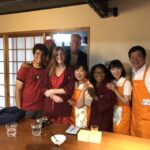
This 4-hour class in a real home near Fushimiinari is built for that: you cook in a traditional room with garden views and finish with a practical supermarket tour that helps you repeat the meal later. I love how it stays hands-on and close to everyday Japanese routines, not showy demo theater. One thing to consider: it’s not wheelchair-friendly and you’ll want to plan for the house setup, including wearing socks.
I also like the teaching style. The instructors (often led by Miho at irohA cooking studio) use clear, step-by-step guidance in English, with licensed guide interpreters so you’re not stuck guessing what each ingredient is doing. The menu can shift by season, so if you have a very specific dish in mind, you’ll want to treat this as a learn-to-cook experience rather than a fixed menu.
Finally, a quick heads-up: the experience includes cooking and then dining in a traditional Japanese room. That’s part of the charm, but it means comfort matters. If you’re bringing a child, note that kids under 6 can’t join, and younger kids need a guardian.
In This Review
- Key Things You’ll Actually Appreciate
- Step Into a Japanese Home Near Fushimiinari
- Dashi Comes First: The Flavor Shortcut You Keep Using
- Hands-On Cooking: About 5 Dishes, Plus Real Guidance
- Lunch in a Garden-View Room: Eat Like You Learned
- The Supermarket Tour Near Fushimiinari: The Practical Payoff
- Vegetarian and Vegan-Friendly Without Feeling Like an Afterthought
- English Instruction That Doesn’t Talk Over You
- Price and Value: Why $127 Can Be a Good Deal
- Who This Class Fits Best (And Who Might Skip It)
- Practical Tips So You Don’t Start Off Frustrated
- Should You Book It?
- FAQ
- What is the duration of the Kyoto Home Cooking Class and Supermarket tour?
- Where is it located?
- How big is the group?
- Is the class taught in English?
- What will we cook during the class?
- Is it vegetarian or vegan friendly?
- What’s included in the price?
- Do I get the recipes?
- What should I bring?
- Is hotel pick-up or drop-off included?
Key Things You’ll Actually Appreciate
- Dashi basics first, so you understand the flavor foundation behind many dishes
- Small group size (max 6) for a calm, hands-on class
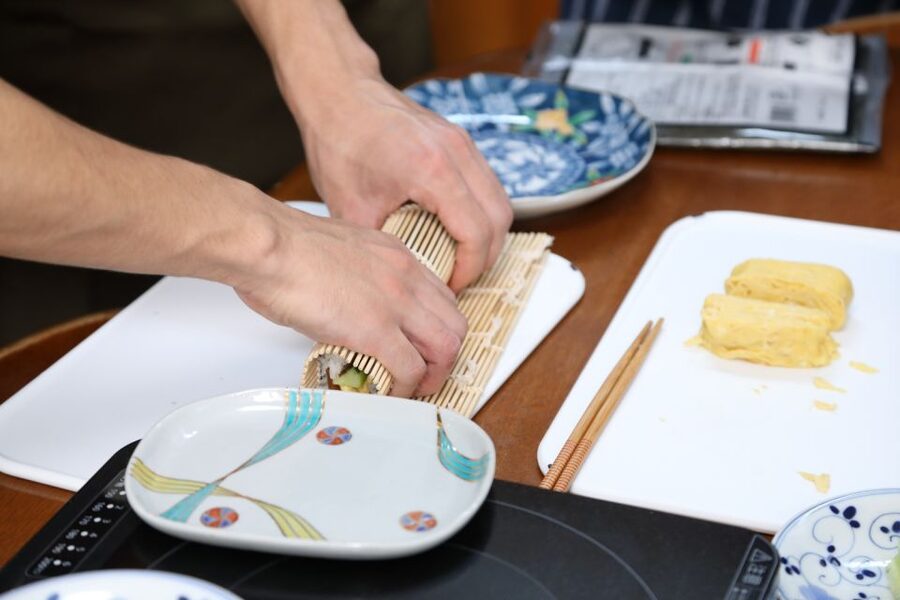
- Cook about 5 dishes with an instructor demonstration before you take the lead
- Eat your own food in a traditional room with garden views
- Supermarket tour with product explanations, so you know what to buy next time
- Vegetarian-friendly dashi options with advance planning for vegan needs
Step Into a Japanese Home Near Fushimiinari
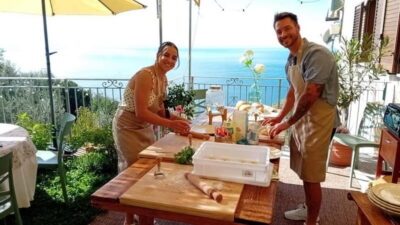
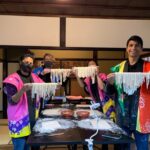
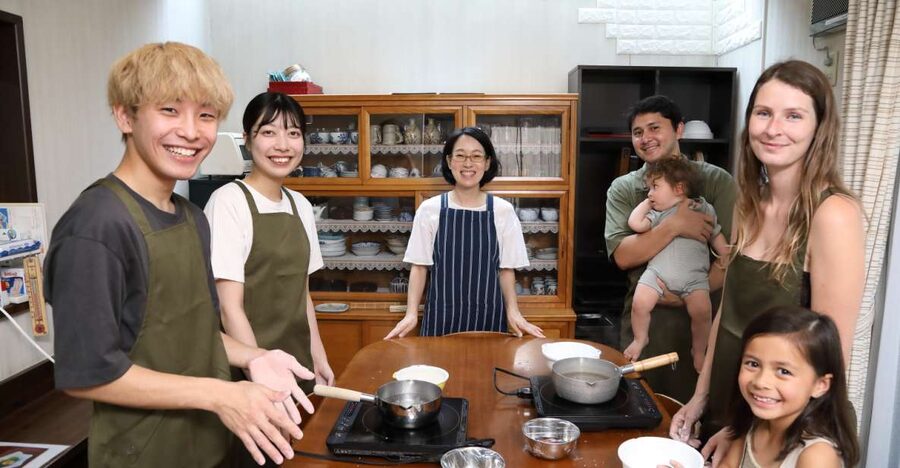
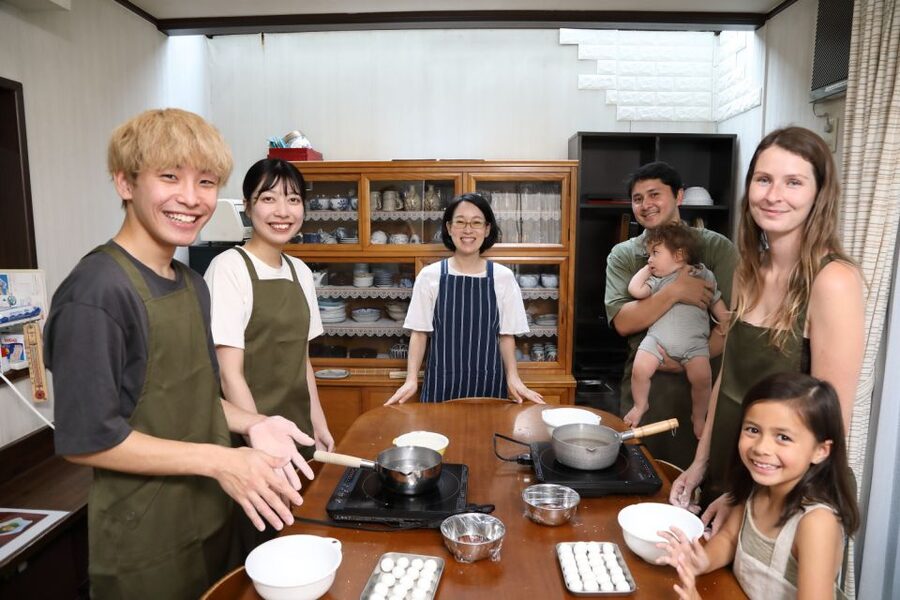
What makes this experience work is the setting. Instead of a classroom or a restaurant kitchen, you spend the lesson in an authentic Japanese home. The room has that quiet, lived-in feel—especially with garden views—so the meal feels like you were invited over, not processed through a tourist route.
The home setup also shapes what to expect. You’ll be working at a pace that fits a small group. That’s part of the value: you get time to ask questions and adjust as you cook, rather than being rushed through. And because it’s a home setting, you’ll want to be prepared for socks-only comfort during the class.
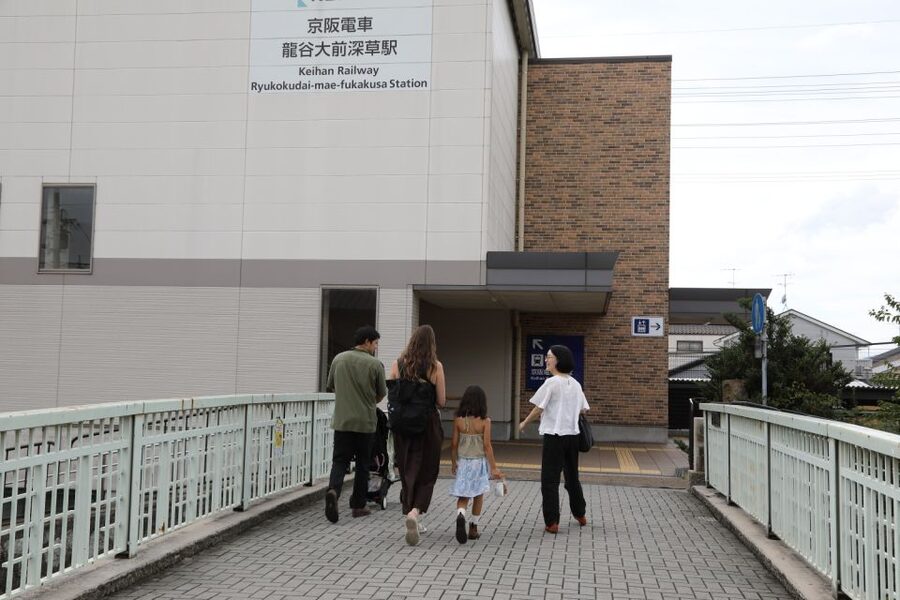
In the practical sense, the location near Fushimiinari helps too. You’re in Kyoto’s food heartland, and the whole day has a natural rhythm: cook, eat, then learn how locals actually shop.
You can also read our reviews of more tours and experiences in Kyoto.
Dashi Comes First: The Flavor Shortcut You Keep Using
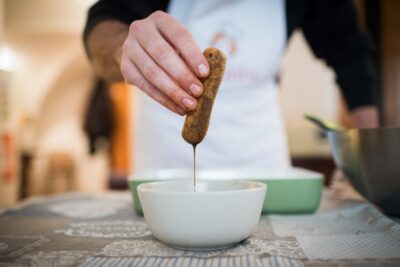
If you remember one thing from this class, make it dashi. The lesson starts by exploring Japanese soup stock—how it tastes, why it matters, and where it shows up in everyday cooking. Dashi is the backbone of a lot of Japanese flavors, so once you grasp it, you stop treating Japanese dishes as separate recipes and start seeing them as connected building blocks.
A big plus for plant-based diets: the class uses vegetarian dashi so vegetarian and vegan participants can join with less worry. That doesn’t mean every dish becomes vegan automatically, but it does mean the foundation can fit your needs. If you’re vegan, I’d still plan on telling the instructor in advance so they can guide you to the right approach for the menu that day.
This isn’t just theory. Because you’re going on to cook, you learn dashi in a way that sticks. You understand it as something you’ll taste, use, and recognize when you’re shopping later.
Hands-On Cooking: About 5 Dishes, Plus Real Guidance
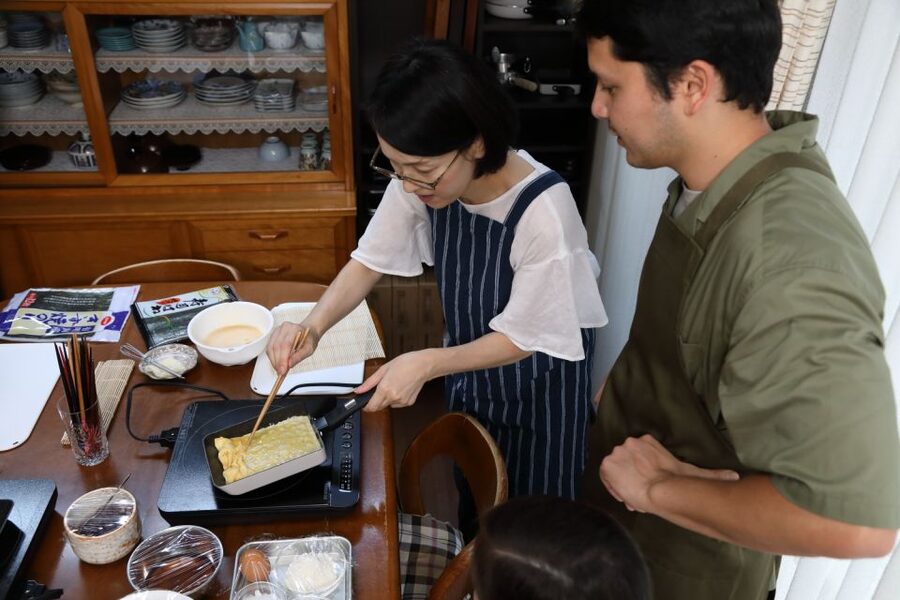
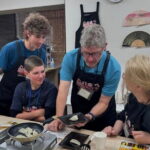
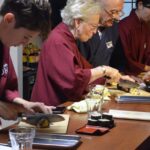
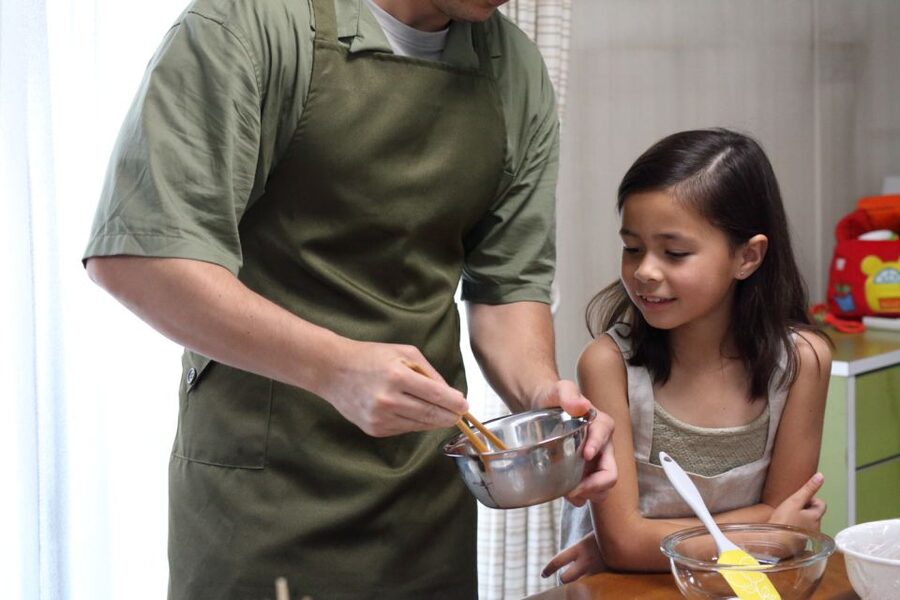
You’re not watching a long cooking show. You’re cooking. The structure is simple: instructors demonstrate key steps in front of you first, and then you take over for your portion of the cooking.
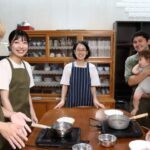
With a maximum of 6 participants, the class stays manageable. That small size matters because you’ll be able to get help when something is unclear, whether it’s technique, timing, ingredient choices, or the small things like how to adjust seasoning as you go.
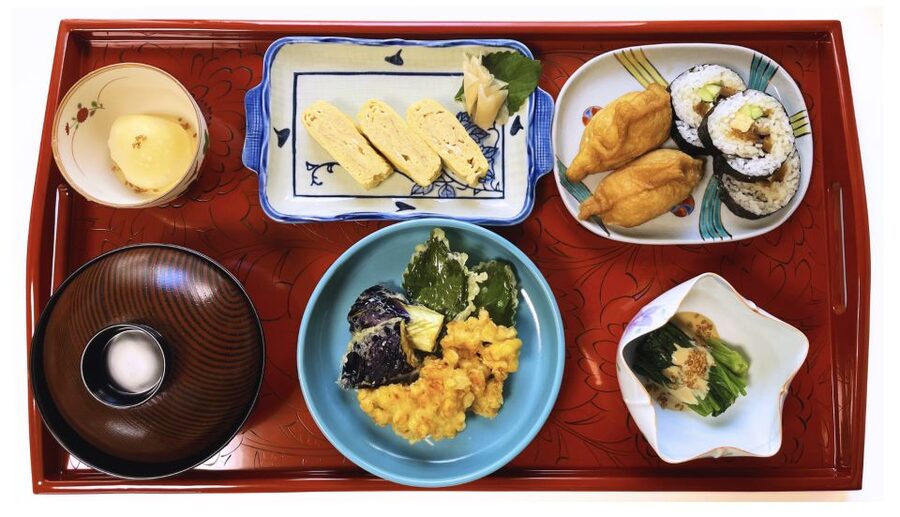
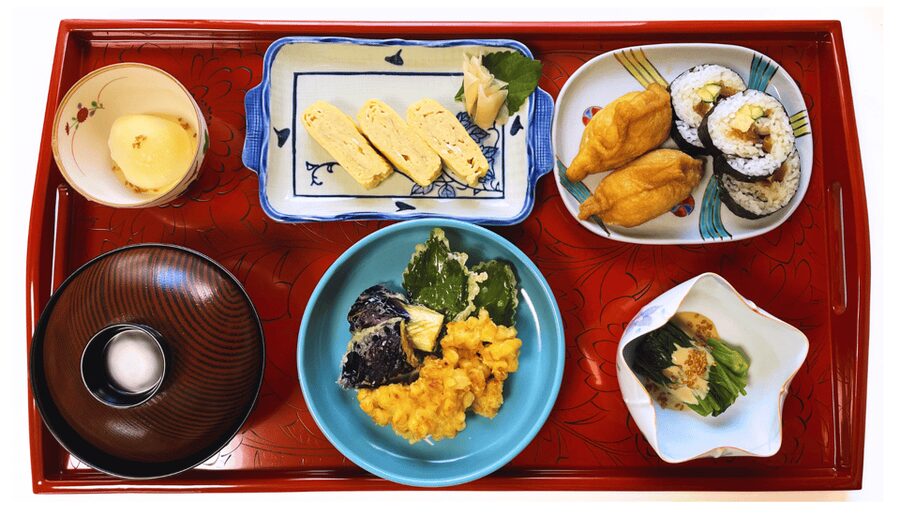
In practice, you’ll likely cover around five dishes during the 4 hours. The exact menu can change with the season, but past menus mentioned in real bookings include dishes like Japanese omelet and dishes you’d associate with classic Japanese home meals. Some participants also reported making items such as miso soup, tempura, sushi, rolled egg, mochi, and a dessert. Treat that as an idea of the range, not a promise of the exact same menu.
Two other teaching details are worth noting:
- The class runs in English, and the instructors are licensed guide interpreters, so the explanation stays clear.
- You receive the recipes after the class, which turns the experience from fun today into something useful later.
If you like cooking but hate feeling lost, this format is a strong match. You get enough structure to move forward, and enough independence to feel confident afterward.
Lunch in a Garden-View Room: Eat Like You Learned
After you cook, you sit down together and enjoy the dishes in the traditional Japanese room. This is one of the most satisfying parts, because the meal becomes immediate proof of what you did right.
The garden view adds more than atmosphere. It slows the pace. Instead of rushing out for photos, you get to taste, talk, and understand the flavor combinations you just created. And since you cooked multiple dishes, you can actually notice how the dishes relate to each other—how dashi flavor carries through, how seasoning balances, and how textures differ across items.
If you’re the type who learns best by doing and then eating, this part lands well.
The Supermarket Tour Near Fushimiinari: The Practical Payoff
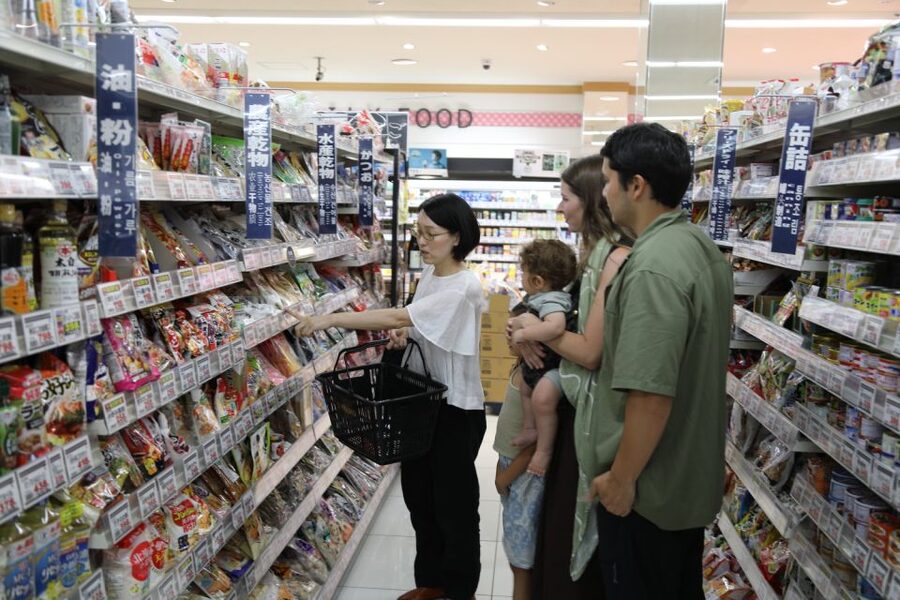
Then comes the part that turns this class from a nice memory into a repeatable skill: the local supermarket tour.
After lunch, you explore the supermarket and find the ingredients you used in the class. If you want, you can buy what you need to cook these dishes at home later. The supermarket segment also helps you learn what to look for in Japanese labeling and product choices, so you’re not just buying ingredients blindly.
This is where you learn shopping intelligence:
- which items are essential versus optional
- how products differ from what you might find at home
- what to buy if you want to reproduce a similar flavor and texture
It’s also where you get explanations as you walk through the aisles. One of the best outcomes is confidence: you start seeing Japanese ingredients as understandable food items rather than mysterious store shelves.


Vegetarian and Vegan-Friendly Without Feeling Like an Afterthought
This class explicitly supports vegetarian dashi, which is a meaningful detail. Plant-based eating in Japan can be tricky because many flavors come from stock and hidden animal ingredients, so starting with vegetarian-friendly dashi makes the cooking experience feel accessible rather than complicated.
Also, the class is described as welcoming for vegetarian and vegan guests. And in real bookings, there’s mention of adapting the menu for kids, and vegetarian appropriateness when you let the instructor know in advance. The takeaway for you: if you have dietary needs, communicate them early so the menu can align.
English Instruction That Doesn’t Talk Over You
Language can make or break cooking classes abroad. Here, everything is conducted in English, and the instructors are licensed guide interpreters. That means ingredient names, techniques, and adjustments should come through clearly.
In a hands-on cooking setting, clear language is more than comfort. It affects outcomes. If you understand what the instructor means—how thick a batter should look, what consistency they’re aiming for, or what seasoning step is next—you cook with less stress.
Also, the class works for both English and non-English speakers, so you won’t feel like you’re the only one in the room who needs extra clarity.
Price and Value: Why $127 Can Be a Good Deal
At $127 per person for 4 hours, the value depends on what you compare it to.
Here’s what you actually get for that price:
- lunch included
- all seasonings and ingredients provided
- a guided cooking lesson with demonstration and hands-on cooking
- recipes you can use later
- a supermarket tour after the meal
That’s a lot packed into one session. And since it’s a small group (max 6), you’re not paying for a massive, impersonal class. You’re paying for guided time, plus the supermarket piece that teaches you how to shop and reproduce the food.
Is it cheaper than cooking at home? Of course. But if you’re in Kyoto for a short time and you want a skill you can use again, the supermarket tour plus recipes make it feel less like a one-time meal ticket and more like a cooking workshop.
Who This Class Fits Best (And Who Might Skip It)
This is a great pick if you want:
- a non-touristy Kyoto food experience inside a real Japanese home
- hands-on cooking in small groups
- clear English teaching
- the ability to shop for ingredients afterward with explanations
It can also work well if you’re cooking as a couple. The format includes preparing dishes yourself or with your partner, which makes it feel collaborative rather than like you’re each stuck watching your own skillet.
A couple of suitability notes from the tour info:
- Not suitable for wheelchair users
- Not suitable for children under 6
- Children aged 12 and below need a guardian
So if you’re traveling with small kids under 6, this won’t fit. If you’re bringing older kids, it may work better because the class is built for guided participation.
Practical Tips So You Don’t Start Off Frustrated
A few small things will help you show up ready:
- Bring socks as requested.
- Wear something comfortable for kitchen-level work and the house setup.
- If you’re vegetarian or vegan, mention your needs ahead of time so the menu can align with the vegetarian dashi approach.
- Expect that the menu may differ by season, so be flexible and focus on learning techniques.
Also, go into the class with curiosity. Japanese cooking often turns on timing and texture. If you treat it like a skill practice, you’ll get more out of every dish.
Should You Book It?
I think you should book this class if you want a Kyoto food experience that feels like you’re learning from real people, in a real home. The best reasons to choose it are the combination of hands-on cooking, the dashi foundation, and the supermarket tour that helps you repeat the meal later.
Skip it if you:
- need wheelchair accessibility
- are set on a strict, unchanging menu
- want something more like a quick tasting tour rather than cooking and eating your own dishes
If you match the style—small group, clear English instruction, practical shopping knowledge—this one is an excellent use of a half day in Kyoto.
FAQ
What is the duration of the Kyoto Home Cooking Class and Supermarket tour?
The experience lasts 4 hours.
Where is it located?
It’s in Kyoto (near Fushimiinari) on Honshu, Japan.
How big is the group?
The group is limited to a maximum of 6 participants.
Is the class taught in English?
Yes. The class is conducted entirely in English.
What will we cook during the class?
You’ll prepare about 5 dishes. The exact menu may differ depending on the season.
Is it vegetarian or vegan friendly?
Vegetarian dashi is used for the class, and the experience is described as welcoming for vegetarian and vegan participants. You may want to share dietary needs in advance.
What’s included in the price?
Included are lunch, and all seasonings and ingredients used during the class.
Do I get the recipes?
Yes. You’ll get the recipes of the dishes you prepare.
What should I bring?
Bring socks.
Is hotel pick-up or drop-off included?
No. Hotel pick-up and drop-off service is not included.