REVIEW · BORDEAUX
Plant-based French Cooking Class in Historic Bordeaux Apartment
Book on Viator →Operated by Vegan French Cooking Class · Bookable on Viator
Vegan French cooking in Bordeaux feels magical. You begin at the Opéra National de Bordeaux, take a short walk along famous boulevards, and settle into apéro time in Sarala’s apartment with a small group. I love how Sarala teaches in clear, practical steps, and I like that you actually cook with your own apron, knife, cutting board, and a recipe card you can use later.
One possible drawback: the apartment is up stairs. You’ll need to walk about 10 minutes and climb up three flights of stairs, so it’s not a good fit if mobility is an issue.
In This Review
- Key things that make this cooking class worth your evening
- Plant-based French cooking in a Bordeaux apartment: the vibe
- Meeting at the Opéra and walking a classic Bordeaux line
- The apéro introduction: friendly, low-pressure, and useful
- Your cooking setup: gear included, so you can focus
- Dessert first: why that timing is smart
- Main course coaching: Tomato tarte Tatin and classic plant-based technique
- Starter and flavors: tapenade and the art of simple starters
- Candlelit dinner plus real Bordeaux advice
- What you’ll learn (and what makes it stick)
- Price and value: what $155.33 buys you here
- Logistics that matter: time, language, and walking
- Who should book this class (and who might skip it)
- Should you book? My practical recommendation
- FAQ
- Where do we meet for the class?
- What time does the class start, and how long is it?
- Is the class in English?
- How many people are in the group?
- What’s included with the price?
- Can I bring wine?
- What kinds of dishes might we make?
- Is the apartment accessible for mobility limitations?
Key things that make this cooking class worth your evening
- Start under the Opéra National de Bordeaux and get your bearings fast with a scenic stroll.
- Small group (max 6) means hands-on attention without feeling rushed.
- You get your own gear: apron, knife, cutting board, plus a recipe card.
- Dessert comes first so it can set or bake on time.
- Classic French technique, plant-based ingredients with practical substitutions.
- BYO wine is allowed, but the host can’t serve alcohol due to local rules.
Plant-based French cooking in a Bordeaux apartment: the vibe
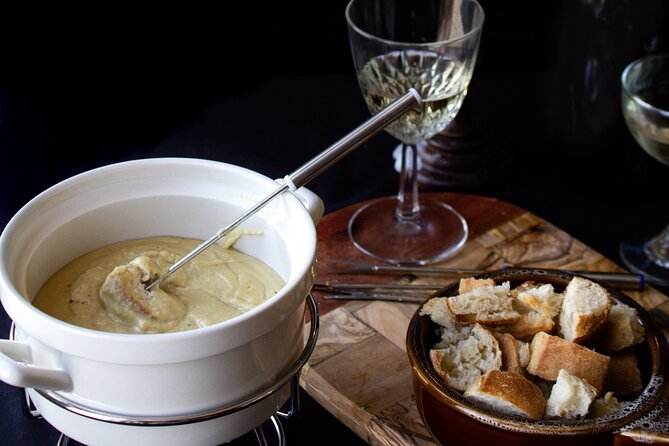
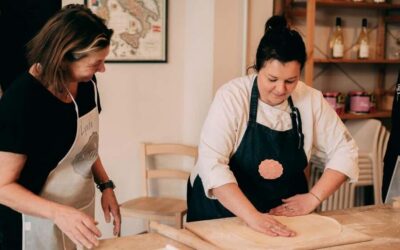
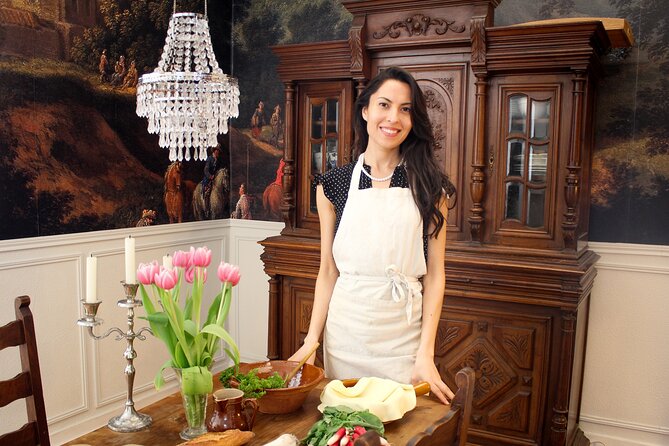
This is the kind of activity that feels like you’re borrowing a local rhythm for an evening. Instead of a big, loud kitchen show, you’re in a historic apartment setting, cooking together at a comfortable pace, then sitting down for a candlelit meal.
What you’re really buying is a mix: French cooking technique, vegan/plant-based flexibility, and a host who explains what matters (and what doesn’t) so you can recreate it later. And the small group size helps a lot. With up to 6 travelers, Sarala can check in, correct your technique, and still keep the mood relaxed.
Meeting at the Opéra and walking a classic Bordeaux line
You meet at the Opéra National de Bordeaux, specifically the Grand-Théâtre at Pl. de la Comédie. It’s a great starting point because it’s central and easy to find if you’re using public transport.
From there, the evening shifts into a light “Bordeaux orientation” mode: a short, scenic stroll down one of the city’s most famous boulevards. You’ll pass charming cafés and boutiques along the way, which makes the start feel more like a guided evening plan than a rushed check-in.
If you want, you can also stop at a local wine shop to pick up a bottle for later. Even if you don’t drink wine, it’s a nice way to get a glimpse of everyday Bordeaux habits without turning the class into a formal tasting event.
The apéro introduction: friendly, low-pressure, and useful
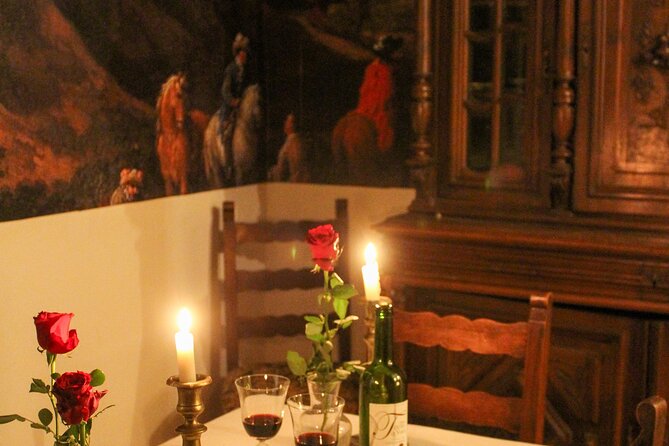
Once you arrive, you don’t jump straight into chopping. You start with an apéro: a drink and small bites, plus an introduction to the menu for the evening.
This part matters more than it sounds. That pre-meal chat helps you relax into the class, learn names, and settle in before the kitchen work ramps up. Sarala also uses the apéro moment to set expectations for the evening, including how the cooking will go and how much or how little you want to participate.
And because you’re in a small group, it stays conversational. You can ask questions while you sip, which is exactly when people learn fastest.
Your cooking setup: gear included, so you can focus
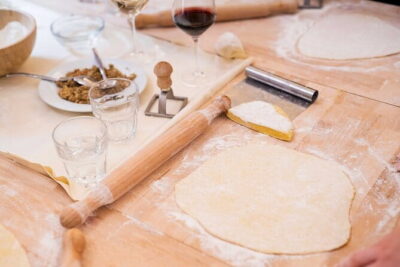
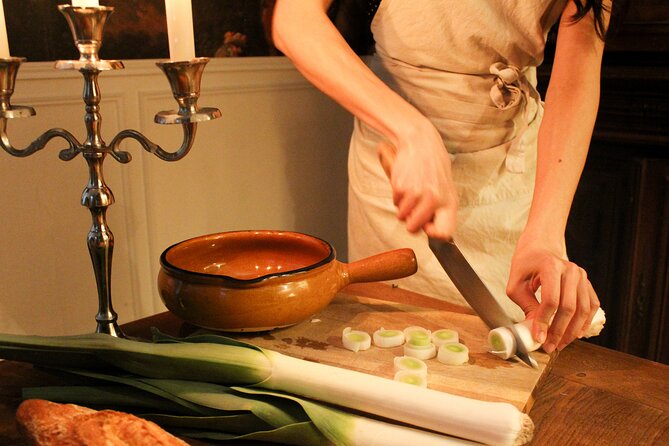
You’ll be provided with your own apron, knife, and cutting board, plus a recipe card. That’s a big deal for two reasons.
First, it makes the class feel organized and fair—everyone has what they need right at their station. Second, it reduces the usual stress of a cooking class where you’re waiting for shared tools or trying to write down steps from memory. With the recipe card in hand, you can follow along during the cooking and then actually recreate the dishes later.
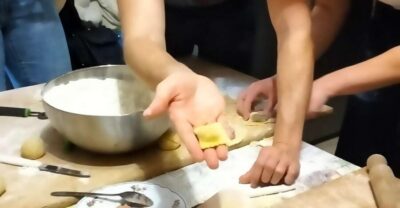
Sarala demonstrates the steps, and you’re invited to participate as much (or as little) as you’re comfortable with. That flexibility is great for first-timers who want to feel competent without feeling like they must do every task.
Dessert first: why that timing is smart
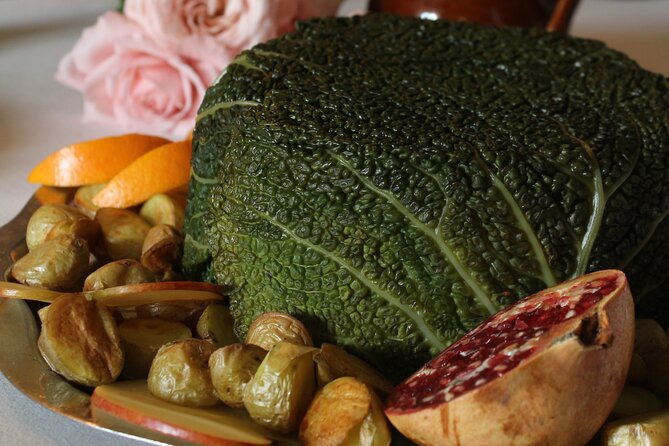
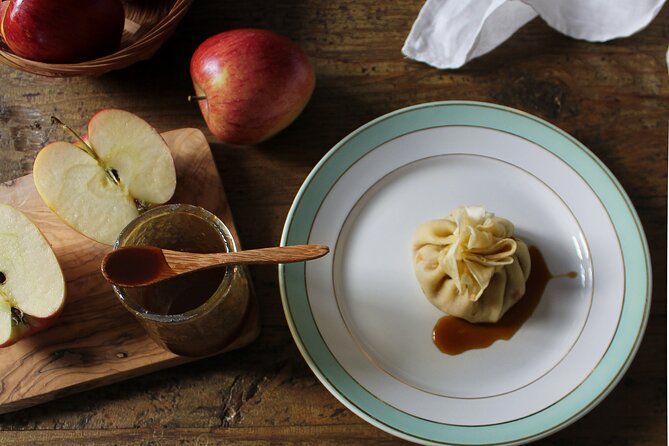
One of the smarter choices in the evening plan is that dessert happens first. It gives things time to set or bake, instead of rushing dessert at the end while everyone is hungry and tired.
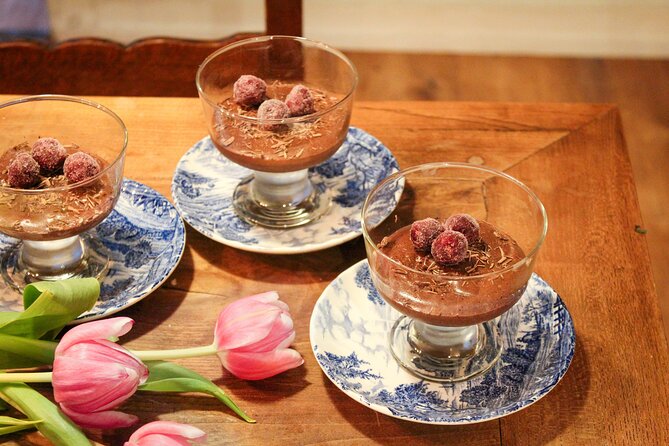
Depending on the menu, dessert could be something like Chocolate and Cream Verrine—layered chocolate ice cream with lightly whipped vanilla cream, topped with fruit coulis in a glass. Verrines look fancy, but the key is structure: neat layers, smooth texture, and a sauce that ties it together.
Even if your dessert isn’t exactly that, the lesson is the same: French-style timing is technique. You learn how to plan your workflow so the kitchen work and the meal on the table actually line up.
Main course coaching: Tomato tarte Tatin and classic plant-based technique
For the main, a common highlight is Tomato Tarte Tatin. Think upside-down savory tart with caramelized tomatoes and a crisp, flaky crust. It’s the kind of dish that makes you understand French technique without needing professional equipment.
What I like about how Sarala runs this: she doesn’t just say what to do—she explains the ingredients and the process in plain language, plus the small decisions that affect the final texture. That’s where plant-based cooking becomes more than swapping ingredients. You learn why the method works.
The class can also include other options, depending on what’s in season and what the group is making. You might see dishes like:
- Vegetable Blanquette
- Chou Farci
- Seasonal Fruit Clafoutis
- Verrines in different styles
So even if tomato tart is the main you get, you’re still building a broader understanding of how French home cooking adapts to plant-based ingredients.
Starter and flavors: tapenade and the art of simple starters
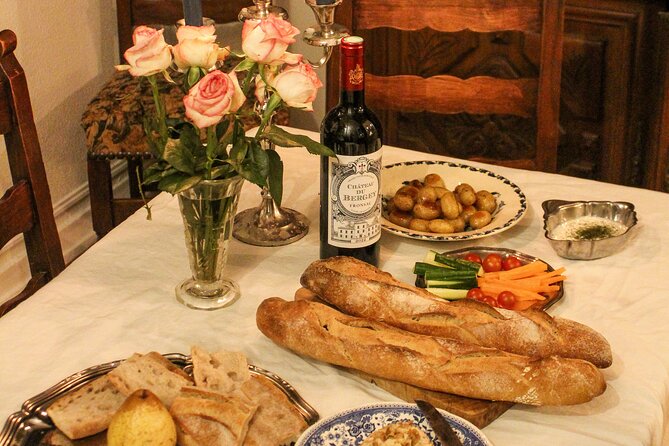
You may start with Tapenade served with fresh bakery bread and olives. Tapenade is one of those dishes that tastes impressive without being complicated. It’s locally made olive spread, and it brings that salty, briny foundation that helps everything else taste brighter.
Paired with hearty fresh bread, it’s an easy win for a group meal before the heavier cooking starts. It also gives you a flavor baseline to understand how the rest of the evening is balanced—something that helps if you’re trying to recreate the menu later.
Candlelit dinner plus real Bordeaux advice
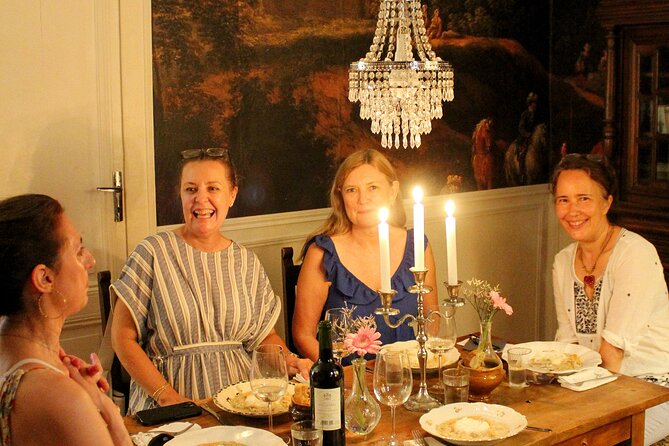
After the cooking, you sit down together for a candlelit dinner. This is the payoff: you eat what you made, you talk about what worked, and the evening turns into a friendly hang rather than a strict workshop.
Sarala also shares recommendations for discovering Bordeaux. It’s not a generic list. You’ll get ideas that fit the way people actually move through the city—good spots to eat, how to structure an evening, and what to prioritize depending on what you like.
If you’re coming to Bordeaux for more than wine shopping, this kind of local guidance helps you spend your limited time in a way that feels personal.
What you’ll learn (and what makes it stick)
The biggest win here isn’t one specific recipe. It’s the coaching style. Sarala tends to explain ingredients, the process, and home options as you go, so you’re not just copying steps—you understand how they work.
From what you can take away immediately:
- You learn how to organize a dessert-first workflow
- You get comfortable with classic French forms like tartes and verrines
- You see plant-based substitutions handled thoughtfully, not as an afterthought
- You leave with a recipe card, not just a memory
That’s exactly why people say they came in thinking vegan French cooking would be good but different, and left feeling like they could make it at home with confidence.
Price and value: what $155.33 buys you here
At $155.33 per person, this isn’t a cheap snack-and-sip activity. But it isn’t overpriced in a “paying for a vibe” way either.
You get:
- A three-course vegan meal (starter, main, dessert)
- Coffee and/or tea plus bottled water
- Apron and all cooking utensils
- Hands-on instruction in English
- A recipe card to bring home
- A small group experience capped at 6 travelers
When you add it up, you’re paying for a full evening of cooking instruction and a meal you’d otherwise need to piece together with multiple reservations. You’re also getting the practical benefit of an organized kitchen setup with tools provided, which makes learning smoother.
Two more value notes:
- The dessert-first timing teaches a real skill you can reuse in your own cooking.
- BYO wine is allowed, so if wine is part of your Bordeaux ritual, you can bring it without feeling like you’re stuck eating without the usual pairing.
Logistics that matter: time, language, and walking
The class runs about 4 hours, starting at 6:00 pm and ending back at the meeting point. That makes it a good dinner-alternative plan if you’re already doing daytime sightseeing.
It’s offered in English, and you’ll get confirmation at booking time. You’ll also receive a mobile ticket, and the meeting point is near public transportation.
Plan for walking and stairs. You should be ready for at least a 10-minute walk plus climbing three flights of stairs. If you’re sensitive to mobility demands, it’s worth thinking hard before booking—this one is designed around a residential apartment setup, not elevator access.
Who should book this class (and who might skip it)
This is a strong match if you want:
- Hands-on cooking instruction in English
- A plant-based approach to French classics
- A smaller, calmer group experience where you can ask questions
- A recipe card you can use at home (not just a full stomach)
It may be less ideal if:
- You need step-free access
- You want a strictly alcohol-included wine experience (the host can’t serve alcohol, though you can bring your own bottle)
Also, it’s a great family option for at least some travelers. One useful detail from past experience: a 10-year-old and a parent were able to recreate dishes after the class, which suggests the coaching level can work well when kids are motivated and curious.
Should you book? My practical recommendation
Book it if you want a Bordeaux evening that’s more than eating out. You’ll leave with a menu you can repeat, technique you understand, and a local hosting style led by Sarala.
Skip it if stairs are a deal-breaker for you, because the apartment location requires walking and climbing. And if you’re expecting alcohol to be served by the host, plan for BYO instead.
If you’re flexible on dishes and just want a friendly, hands-on French cooking lesson in a real apartment setting, this is a solid pick for a memorable first or second Bordeaux night.
FAQ
Where do we meet for the class?
You meet at Opéra National de Bordeaux – Grand-Théâtre, Pl. de la Comédie, 33000 Bordeaux.
What time does the class start, and how long is it?
It starts at 6:00 pm and runs about 4 hours.
Is the class in English?
Yes, it’s offered in English.
How many people are in the group?
The class has a maximum of 6 travelers.
What’s included with the price?
You get a vegan three-course dinner, coffee and/or tea, bottled water, plus an apron and all cooking utensils.
Can I bring wine?
Yes. The host cannot serve alcohol, but you’re welcome to bring your own bottle of wine.
What kinds of dishes might we make?
You may make dishes such as Tapenade, Tomato Tarte Tatin, Chocolate and Cream Verrine, or other options like Vegetable Blanquette, Chou Farci, Seasonal Fruit Clafoutis, and Verrines.
Is the apartment accessible for mobility limitations?
It isn’t recommended if you have mobility limitations. You’ll need to walk at least 10 minutes and climb up three flights of stairs.