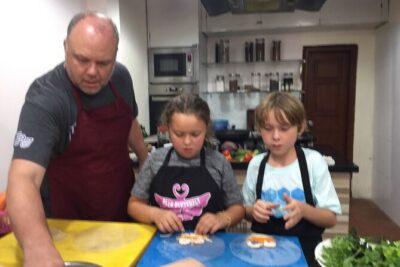
A slow roast beef dinner starts with your hands. This 3-hour Cascais cooking workshop turns a regular night out into a family-style Portuguese meal with wine. You learn how to make a signature dish, then you sit down and eat in a real home setting.
What I like most is the hands-on cooking tied to traditional recipes, not just watching. I also love the built-in Portuguese wine experience, including bottles from Douro and Alentejo demarcated regions.
One thing to consider: the start address is in Aldeia de Juso (not the center of Cascais), so plan your ride carefully. Some people run into confusion when they expect pickup.
In This Review
- Key highlights worth knowing
- Entering Teresa and Mario’s home kitchen at 7:00 pm
- What you’ll cook: Alcatra à Açoreana and slow-roast beef technique
- Wines with demarcated regions: Douro, Alentejo, and more
- How the 3 hours usually plays out (and why that timing is smart)
- Private group comfort: English-led, home-kitchen pace
- Price and value: what $114.28 is really buying you
- Getting there from Cascais: the Aldeia de Juso location is the whole puzzle
- Weather and minimum numbers: two simple reasons plans can change
- Who this Cascais cooking workshop suits best
- Should you book this cooking workshop in Cascais?
- FAQ
- Where is the meeting point for the Cooking Workshop in Cascais?
- What time does the workshop start?
- How long does the workshop last?
- Is the workshop offered in English?
- Is this a private experience?
- What main dish is included?
- Are Portuguese wines included, and from which regions?
- What is the cancellation policy?
Key highlights worth knowing
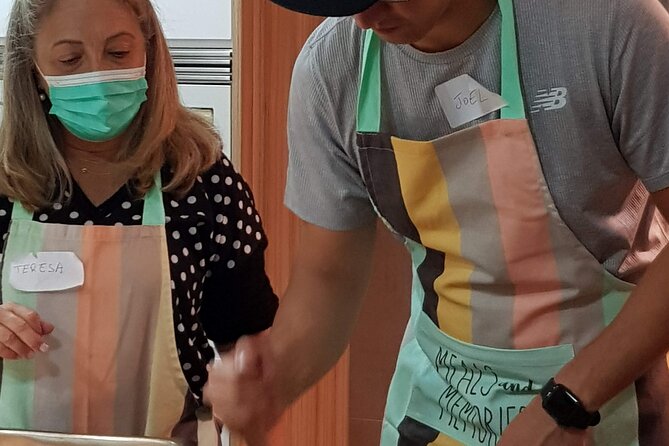
- Teresa and Mario host in their home, so the mood feels personal, not staged
- You cook and eat the same evening, with a menu built around one Portuguese comfort classic
- Wine is part of the program, tied to demarcated regions including Douro and Alentejo
- Only your group participates, keeping the pace relaxed (private tour)
- Plan for the 7:00 pm start, since you’ll want to arrive on time for a smooth dinner flow
Entering Teresa and Mario’s home kitchen at 7:00 pm
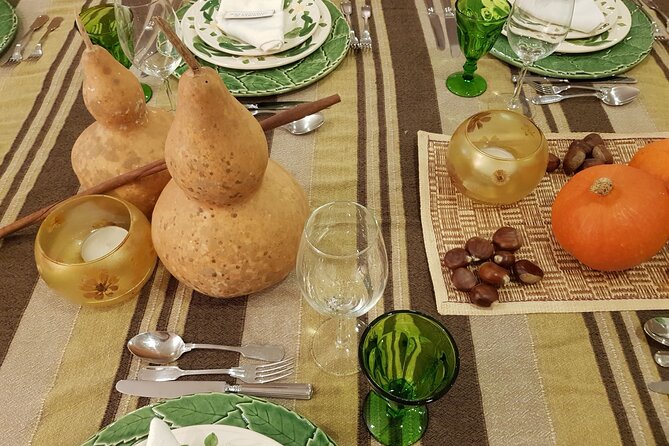
The experience meets at R. Dórdio Gomes 58, 2750-836 Aldeia de Juso, Portugal, with a 7:00 pm start, and it ends back at the meeting point. That “ends where it begins” detail matters. It usually means you can keep your evening simple: arrive, cook, eat, and then head home without additional planning.
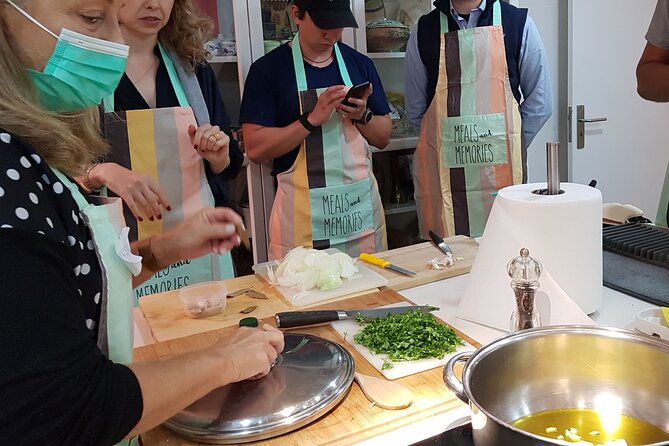
The big draw is that you’re not doing this in a commercial kitchen. Teresa and Mario welcome you into their home, which changes the whole feel. The pace tends to be warmer and more conversational. You’re likely to ask questions that come up naturally while you cook, and you get real answers instead of a lecture that moves on too fast.
Also, because it’s private and English is offered, you’re not stuck translating in your head while someone flies through steps. If you like learning food culture by doing, this format fits you well.
Practical tip: Aldeia de Juso is where the address is, so don’t assume it’s right in central Cascais. If you’re staying in town, give yourself buffer time for the ride so you can walk in relaxed rather than sprinting.
What you’ll cook: Alcatra à Açoreana and slow-roast beef technique
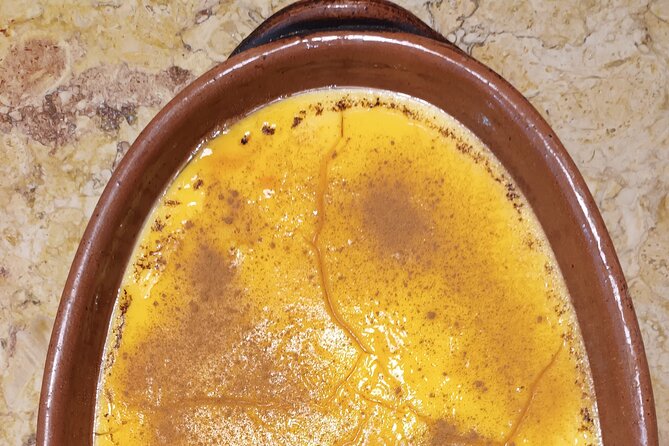
The sample menu centers on Alcatra à Açoreana, described as very slow roasted beef in an Azores clay pot. Even if you’ve never cooked anything Portuguese before, this is a dish with clear logic: slow cooking, gentle heat, and time that turns tougher beef into something tender.
What’s valuable here is that this isn’t only about the final plate. The point is to learn the process behind a traditional recipe—how to handle the key cooking idea behind the dish. Clay-pot cooking is all about steady, even heat, and that can be a fun thing to understand because it feels different from typical home methods.
If you care about bringing something home with you, choose this class because it gives you a concrete target. You’re not leaving with a vague memory of a meal. You’re leaving with a specific Portuguese technique and dish you can talk about (and try again later).
One more useful note: since you’ll be cooking as part of the group, expect some level of hands-on work. If you don’t like getting involved—if you prefer pure tasting and watching—this might feel like more than you want. But if you want to feel useful and involved, it’s exactly the kind of workshop that clicks.
Wines with demarcated regions: Douro, Alentejo, and more
Portuguese wine isn’t treated like an afterthought here. The workshop includes Portuguese wines from demarcated regions of Douro, Alentejo and others. That phrase matters because demarcated regions signal a real geographic identity tied to Portuguese rules and traditions—so you’re not just drinking whatever is on hand.
For you, the practical payoff is pairing. You’ll taste wines alongside a meal that’s built from Portuguese traditions, so the flavors make sense together. And since the workshop is only about 3 hours, you’ll probably keep a steady pace instead of turning the evening into an all-night wine marathon.
A quick reality check: wine is included, and the class runs into evening time. If you plan to drive afterward, you should assume you can’t safely do that. Plan for a taxi or rideshare back to your lodging.
How the 3 hours usually plays out (and why that timing is smart)
The duration is about 3 hours, which is a sweet spot for a cooking workshop. Long enough for you to learn something real, but short enough that you don’t lose the evening.
Here’s the rhythm you can expect, based on how these home cooking experiences work:
- You arrive at the meeting point, then step into the home and get briefed
- You cook with guidance tied to the recipe and the main dish
- You share food as part of the evening meal
- You settle back into conversation, with wine helping the time feel easy
Why this timing works: dinner classes that last too long can turn stressful. Three hours keeps you focused. You’re not rushing between tasks for an hour straight, and you’re not waiting forever after you think the cooking is done.
Since the event is private for your group, you can also benefit from a slower pace. If someone asks a question, the moment usually isn’t swallowed by a large group schedule.
Private group comfort: English-led, home-kitchen pace
This is listed as a private tour/activity, meaning only your group participates. That matters more than you might think. In a big group class, you often spend half the time trying to see what’s happening and the other half waiting for your turn. Private formats tend to reduce that friction.
English is offered, and that’s a big plus if you want the explanations to make sense. Food cooking isn’t just technique. It’s also culture: why a recipe exists, how families treat certain ingredients, and what people consider “right” for a dish like Alcatra.
Also, the information provided mentions a minimum number of travelers. If that minimum isn’t met, you may be offered a different date or a full refund. So when you’re comparing this to other cooking classes, check your dates early—especially if you’re traveling during peak times.
Price and value: what $114.28 is really buying you
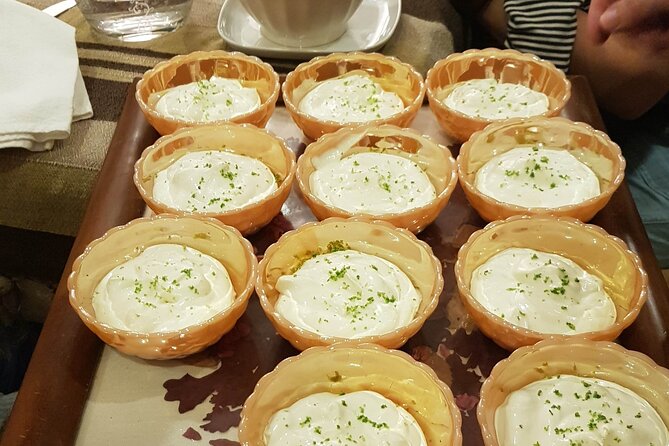
The price is $114.28 per person for about 3 hours. At first glance, that can sound like a splurge. But in value terms, you’re not paying only for cooking instruction.
You’re paying for:
- A hands-on cooking evening built around a specific Portuguese dish
- A full meal experience tied to the workshop
- Portuguese wine included, from named demarcated regions such as Douro and Alentejo
- A private, home-based setting hosted by Teresa and Mario
In other words, this is closer to paying for an experience than paying for a single ingredient lesson. If you enjoy food travel—if you like learning through doing rather than just sightseeing—this price starts to make sense.
If you’re traveling as a couple or a small group, this can also feel efficient compared to piecing together dinner + drinks + a cooking activity separately. You get one coordinated evening instead of three separate bookings.
Where you should be picky: if you prefer a class where you can choose from multiple dishes, this one is centered on a main dish (Alcatra à Açoreana). If that works for you, great. If you want variety above all else, you might compare it to other workshops that list multiple menu items.
Getting there from Cascais: the Aldeia de Juso location is the whole puzzle
The meeting point is not described as a central Cascais pickup. It’s an address in Aldeia de Juso, and the experience ends back at that meeting point. That means you should plan to get there on your own.
From what you can learn here, the biggest risk isn’t the cooking. It’s timing and directions. Some people have reported confusion about pickup expectations. So treat it like a meet-at address event:
- Save the meeting address clearly
- Plan a rideshare or taxi route early
- Aim to arrive ahead of the 7:00 pm start time so you’re not flustered
If you’re using navigation apps, double-check the street number and neighborhood name. Aldeia de Juso can be easy to miss if you type only “Cascais” into your map and assume it will do the rest.
Weather and minimum numbers: two simple reasons plans can change
The workshop requires good weather. If it’s canceled due to poor weather, you’ll be offered a different date or a full refund.
It also has a minimum number of travelers. If the minimum isn’t met, you’ll receive either a different date/experience or a full refund.
This doesn’t mean you’re guaranteed trouble. It just means you should keep your schedule flexible on the day you book. If you’ve planned a tight itinerary with no slack time, consider saving this for an evening that can shift.
Who this Cascais cooking workshop suits best
This experience is a strong match for you if:
- You want an authentic Portugal-in-a-home dinner vibe
- You like cooking lessons where you actively participate
- You enjoy Portuguese wine and like it tied to real regions
- You prefer a smaller, personal setting over a large group class
It may not be ideal if:
- You hate being in a hands-on role
- You want a super-central location with zero transport hassle
- You’re traveling on a date where weather could be unpredictable and you have no flexibility
Should you book this cooking workshop in Cascais?
Yes, I’d book it if you want a memorable evening that goes beyond eating out. The combo of Teresa and Mario’s home hosting, hands-on cooking, and Portuguese wine from demarcated regions like Douro and Alentejo makes it feel like more than a typical dinner.
Before you confirm, do two smart checks:
- Make sure the Aldeia de Juso meeting point fits your transport plan
- Choose a date with a bit of weather luck, since good weather is required
If you’re craving a real taste of Portuguese family cooking and you like learning by doing, this is a very solid choice.
FAQ
Where is the meeting point for the Cooking Workshop in Cascais?
The meeting point is R. Dórdio Gomes 58, 2750-836 Aldeia de Juso, Portugal.
What time does the workshop start?
It starts at 7:00 pm.
How long does the workshop last?
The duration is about 3 hours.
Is the workshop offered in English?
Yes. It’s offered in English.
Is this a private experience?
Yes. It’s a private tour/activity, and only your group will participate.
What main dish is included?
The sample menu includes Alcatra à Açoreana, described as very slow roasted beef in an Azores clay pot.
Are Portuguese wines included, and from which regions?
Yes. Portuguese wines are included, including from the demarcated regions of Douro, Alentejo and others.
What is the cancellation policy?
You can cancel for a full refund if you cancel up to 24 hours in advance of the experience’s start time.