REVIEW · APULIA
Lecce: Market and Private Cooking Class at a Local’s Home
Book on GetYourGuide →Operated by Cesarine · Bookable on GetYourGuide
Shopping for dinner starts at the market. In Lecce, you pair a guided market trip with a private cooking class in a local home, then sit down to eat what you made with local wines. I also like that the whole experience is built around family-style teaching, not a factory classroom. One thing to consider is that this is in a real home, so the address is shared after booking and it can feel less formal than a restaurant setting.
I love the way you learn to choose ingredients in the market and bring those choices straight into your meal. You’ll also likely meet warm hosts like Carlos and Giusy, or Antonietta and Gianni, and they tend to share the personal side of Puglia food as you cook. If you need very strict routines or lots of walking gear-friendly options, you may want to think about whether home-kitchen logistics will fit your comfort level.
In This Review
- Key highlights worth your attention
- Lecce market shopping: where your meal starts
- Your home cook guide: what you learn in the first hour
- Back to the family home: how the private class really feels
- Three local recipes at the table: tasting is part of the lesson
- Wine, coffee, and the real pace of an Italian meal
- Value and practicalities of a 5-hour private session
- Who should book this, and who might skip it
- Should you book this Lecce market and private cooking class?
- FAQ
- How long is the Lecce market and private cooking class?
- What does the experience include?
- Is this a private group experience?
- When does the market visit usually start?
- Do they offer instruction in English?
- Can dietary requirements be accommodated?
- Where does the experience meet?
- What recipes will you make?
- Is there a minimum number of people needed to run the activity?
Key highlights worth your attention
- Lecce market shopping with a home cook so you learn what to buy, not just where to buy it
- Private class at a family home with a calmer pace than larger group sessions
- Tasting 3 local recipes you help make, with water, wine, and coffee included
- Real connection with Italian families, often with stories that go beyond recipes
- Practical cooking skills, including techniques like making pasta from scratch when it’s on the menu
- English and Italian instruction, so you can actually follow what’s happening in the kitchen
Lecce market shopping: where your meal starts
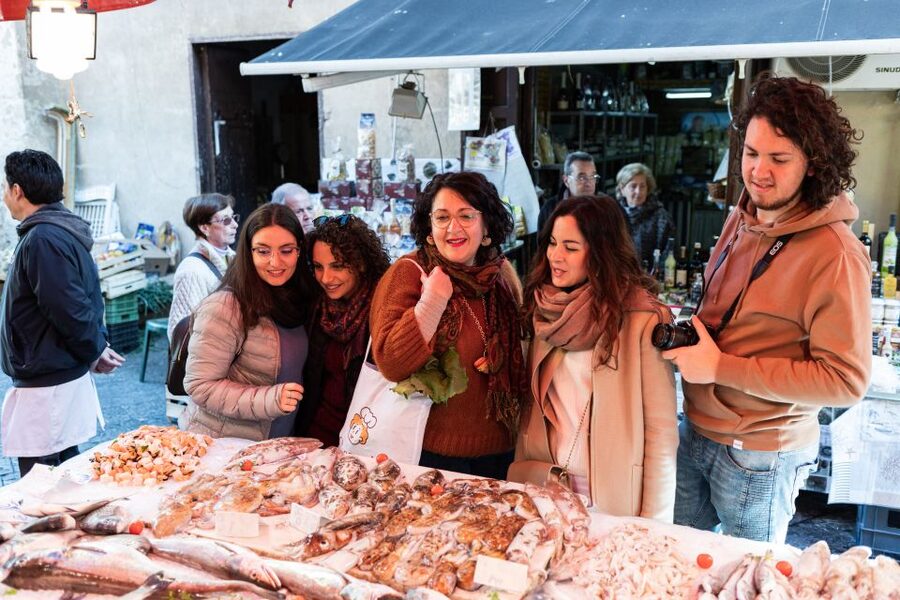
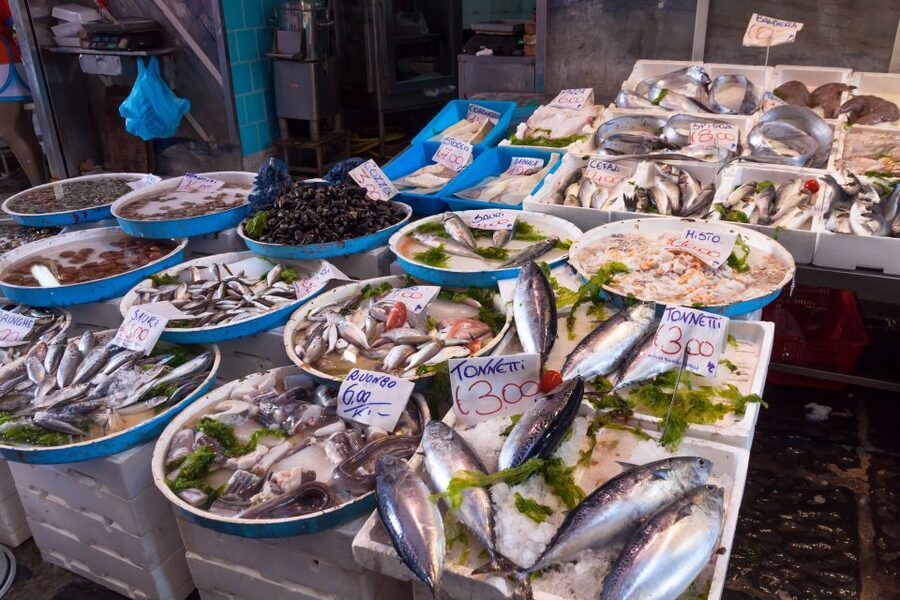
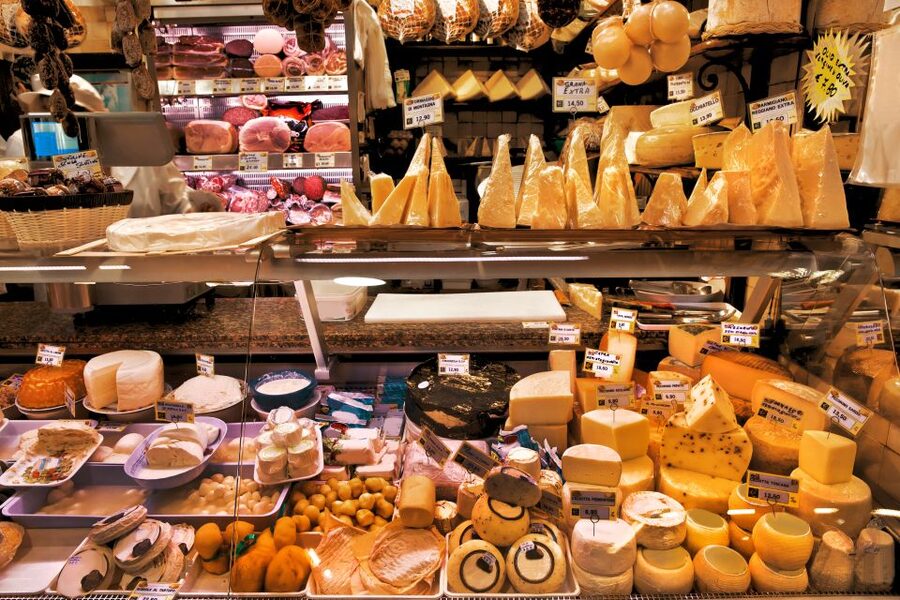
The best part of this experience is that your cooking lesson begins before you touch a pot. First you head into the local market area in Lecce with your home cook guide, and the shopping is the real education.
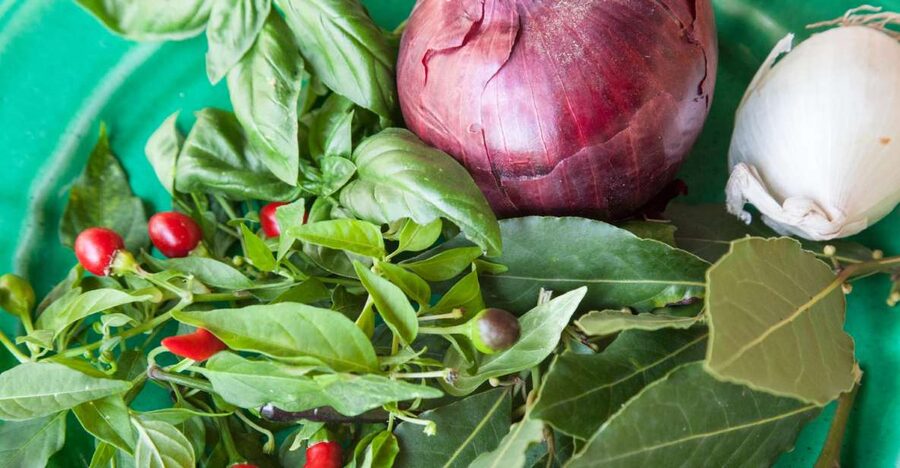
You’re not just looking around. You’re learning how to pick produce that will taste like Apulia, and that matters because the market choices decide the flavor of everything afterward. The market has that hands-on rhythm Italians know: people comparing, choosing, tasting, and moving with purpose. Your guide helps you do the same—so you leave with a better sense of what quality looks like.
Timing is flexible. The market visit usually starts around 9:00 AM or 4:00 PM, and the local partner can adjust based on your needs if you notify them in advance. That’s useful if you want to build the experience around your sightseeing day instead of shoehorning your plans around a fixed schedule.
What you should expect from the market step:
- Buying ingredients for the cooking class
- Guidance on choosing the best produce
- A quick feel for the way locals shop and talk about food
If you enjoy food travel where you actually learn something you can use later, this opening is a big win.
Your home cook guide: what you learn in the first hour
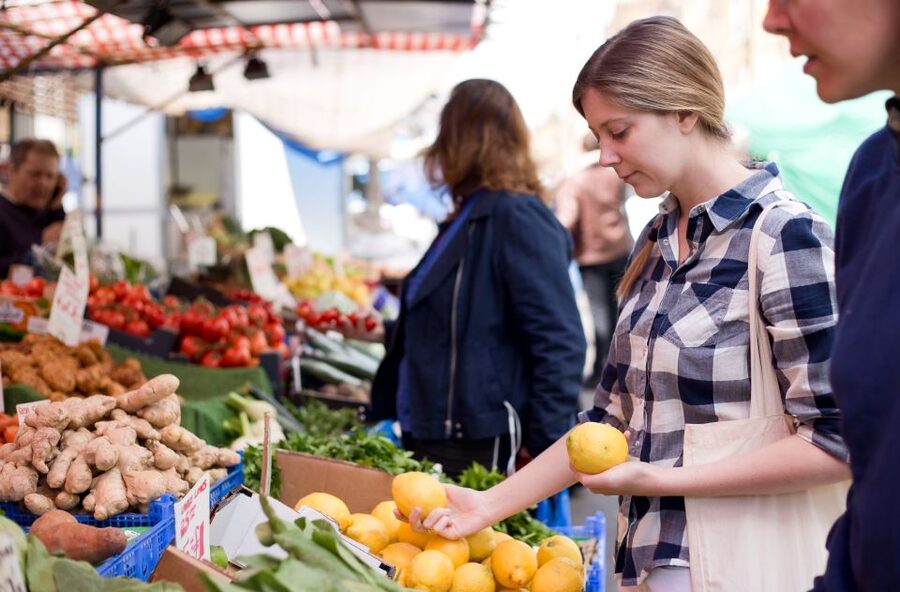
The guide is the bridge between market and dinner. Since the experience is led by a home cook, the advice tends to be practical and rooted in daily habits, not theory.
You’ll usually focus on picking ingredients you can recognize, pronounce, and recreate. That means you’re paying attention to things like texture, ripeness, and how ingredients behave once they hit a pan. When the cooking starts, you’ll understand why your guide steered you toward those choices.
In the home-kitchen stories that come with these experiences, you’ll also pick up the human side of the recipes. Past hosts have shared their passion for Puglia food and even personal home details—like welcoming you with family warmth (and yes, sometimes cats). That kind of context turns recipes into something you can picture, not just copy.
A helpful reality check: you’ll get the most from the market part if you’re willing to ask questions. If you want strict step-by-step instructions only, you might feel slightly more social than technical. But if you like conversations while learning, this is exactly the point of the experience.
Back to the family home: how the private class really feels
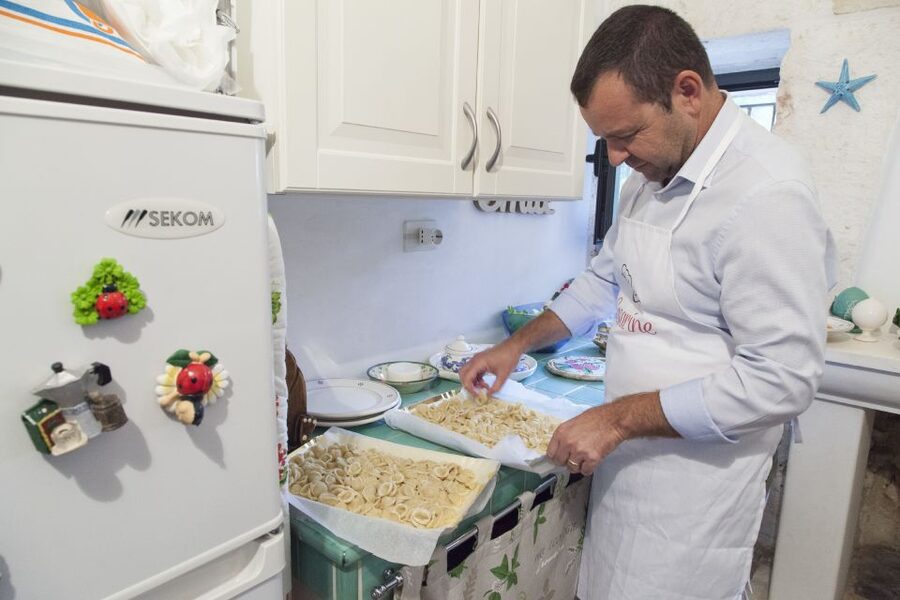
After shopping, you head to your host’s home for the private cooking class. The meeting point works like this: for privacy reasons, you receive the full address after booking, and the local partner contacts you with details so you know where to go.
In a real home, the room feels lived-in. That can be a joy. It also means you should expect a more casual setup than you’d find in a professional cooking school. The upside is the teaching feels personal. You’re not just watching a demonstration. You’re learning in a way that fits the kitchen you’re actually standing in.
This is a private group, and the class lasts about 5 hours total. That length gives your host room to teach technique, not just rush you through a single dish. It also leaves time for the meal, which is included.
Language support is built in. The instructor speaks English and Italian, so you can follow along even if your Italian is still in the early stages. (And if your Italian is better than your English, you’ll have fun using it here.)
What you’ll likely do during the class:
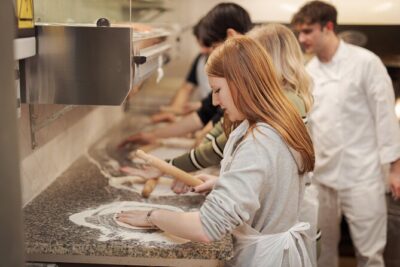
- Cook and assemble regional recipes with your guide
- Learn methods that match what Italian home cooks actually do
- Taste as you go, so the end result matches what you expect
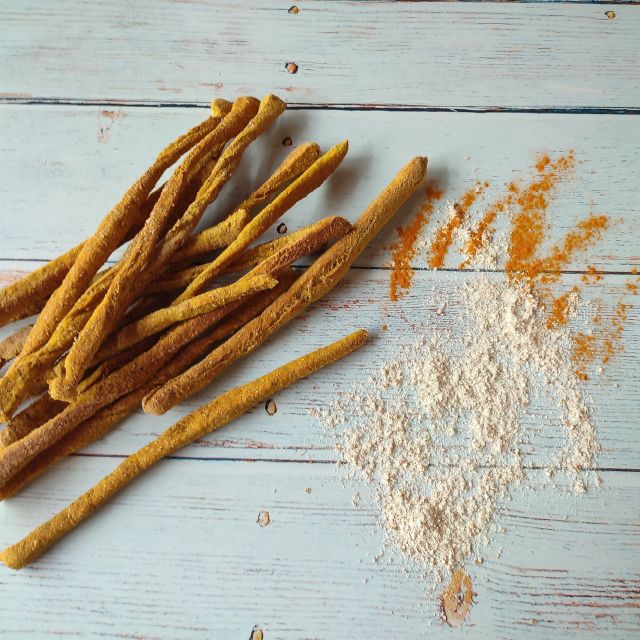
From what’s worked in past classes, the menu can include things like vegetable dishes and pasta from scratch. Baking skills can show up too—one host (Antonietta) is described as an expert baker. Don’t treat that as guaranteed, but it’s a good sign that your class can include hands-on technique, not just chopping and plating.
Three local recipes at the table: tasting is part of the lesson
Cooking is only half the evening. The other half is eating together—and you do that right after you finish cooking.
You’ll taste 3 local recipes made during the class, and you’ll do it at the table with drinks. Included beverages are water, local wine, and coffee, which is a very Italian touch: the meal doesn’t end at the last bite, it slows down a bit for conversation and digesting.
This is where the experience becomes more than entertainment. When you taste what you make immediately—especially dishes guided by a home cook who understands the logic behind each step—you start to learn how flavors should balance. You also learn the difference between a dish that looks right and one that tastes right.
Here’s what to pay attention to during the meal:
- How your host describes the dish while you eat, not after
- How ingredients you chose in the market show up in the final flavor
- How the wine fits the food (your host will guide you with local pairings)
And because the format is private, you can ask things that might never come up in a larger class, like how to adjust a sauce texture, or what to look for when choosing ingredients.
One more small upside: you’re learning from family-style knowledge. You’ll hear how recipes have been passed down and why certain steps matter. That storytelling may sound “extra” until you realize it helps you remember the technique.
Wine, coffee, and the real pace of an Italian meal
The inclusion of local wine and coffee isn’t just a perk. It changes the entire rhythm of the experience.
Wine makes sense here because regional Italian cooking is built around balance. If you only focus on food, you miss the point of how Italians think about dinner as a whole. The meal becomes a round-trip between market, kitchen, and table, with wine as the connective tissue.
Coffee after the meal is also important in terms of pacing. It signals that you’re done cooking and now you’re in conversation mode. In a home setting, that can mean you stay at the table longer than you would in a restaurant where the staff needs to turn tables.
This pacing is great if you like cultural exchange, not just a checklist of activities. If you’re the type who gets anxious when things run a bit slower, it could feel longer than you expect—but it’s a normal part of eating this way.
Value and practicalities of a 5-hour private session
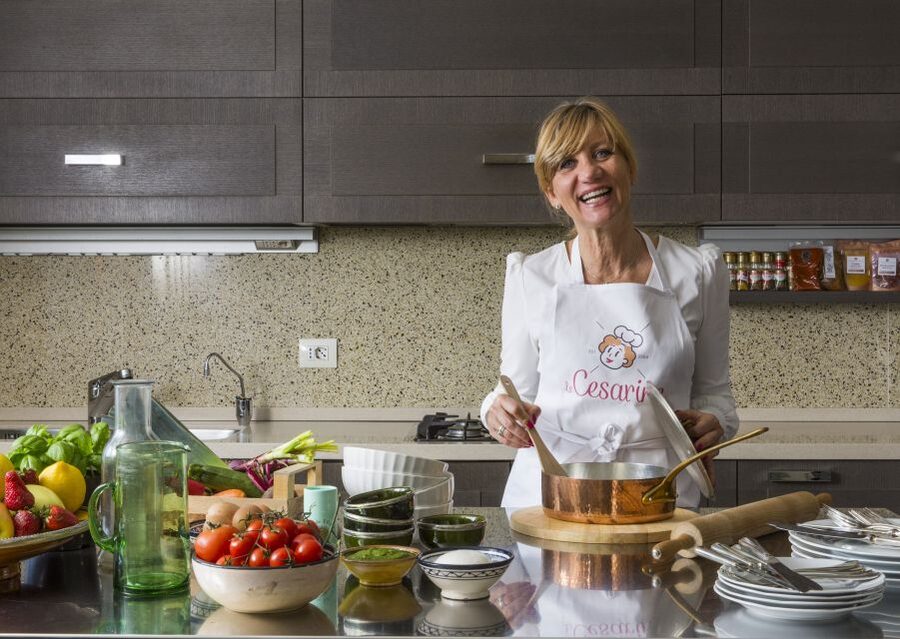
Let’s talk value, because $214.11 per person is not pocket change. For me, the question isn’t whether it’s expensive—it’s what you’re getting for that price.
You’re paying for:
- A guided local market visit
- A private cooking class in a home
- Tasting of 3 recipes you help make
- Beverages including water, wine, and coffee
- Instruction in English and Italian
- A personal, family-focused experience with a home cook guide
That bundle matters. A lot of cooking classes give you one recipe and a quick tasting. Here, the tasting is built in and treated like the conclusion of the lesson, not a token snack. You also get to spend part of your time on ingredient selection, which is usually missing from more touristy food classes.
The other practical point is the home setup. You’ll receive the address after booking, and your host will contact you with instructions. That’s normal for privacy in a private home. Just plan for it like you would a dinner invite from a friend: arrive with enough time, and don’t assume it will be signposted like a museum.
Dietary needs can be catered to, but you must confirm directly with the local partner after booking. Because this is a family kitchen, adjustments are best planned early so the host can organize ingredients and timing.
Who should book this, and who might skip it
This experience suits you if you:
- Want to learn cooking through hands-on cooking rather than watching
- Like buying ingredients where locals shop, then using them immediately
- Enjoy a private format with time for questions
- Want a dinner that feels like spending time with a Puglian family, not doing a staged performance
It might be less ideal if you:
- Prefer highly predictable schedules and institutional-style instructions
- Need a kitchen environment designed for specialized physical constraints (the activity is in a private home, and the details aren’t provided here)
- Want a quick class without a shared meal component
Should you book this Lecce market and private cooking class?
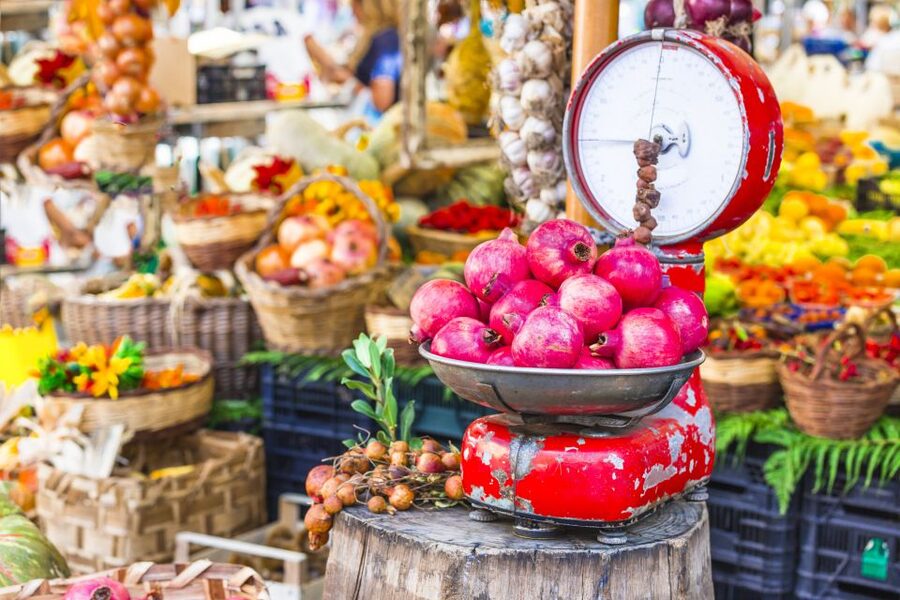
Yes—if you care about real food learning. This is one of the better ways to spend time in Lecce because you start with ingredients and end with taste. The market step teaches you what matters before you cook, and the private home table makes the whole thing stick.
Before you book, ask yourself two questions: Do you want a slower, more personal meal experience? And are you comfortable going to a private home where the exact address comes later and the host runs the show the way families do?
If your answer is yes, you’ll likely come away with both skills and stories you can’t get from a standard restaurant tour.
FAQ
How long is the Lecce market and private cooking class?
The experience lasts about 5 hours. You can check availability for starting times.
What does the experience include?
It includes an expert home cook guide, a local market visit, a private cooking class, tasting of 3 local recipes, and beverages including water, wine, and coffee.
Is this a private group experience?
Yes, it’s a private group.
When does the market visit usually start?
It usually starts around 9:00 AM or 4:00 PM, and the local partner can be flexible if you notify them in advance.
Do they offer instruction in English?
Yes. The instructor provides instruction in English and Italian.
Can dietary requirements be accommodated?
Dietary requirements can be catered to, but you need to confirm with the local partner after booking.
Where does the experience meet?
It takes place in a local family’s home. You’ll receive the full address after booking, and the partner will contact you with instructions.
What recipes will you make?
You’ll cook regional recipes and then taste 3 local recipes made during the class, but the exact dishes can vary.
Is there a minimum number of people needed to run the activity?
Yes. At least 1 person is required for the activity to run.