REVIEW · HOI AN
Market Tour – Cooking Class – Coconut Boat Riding
Book on GetYourGuide →Operated by Hoian Eco Coconut Tour · Bookable on GetYourGuide
Hoi An tastes different from the water. This market-to-coconut-boat-to-cooking class shows you Hoi An beyond the old streets and into real daily life, plus you’ll get to cook iconic dishes yourself.
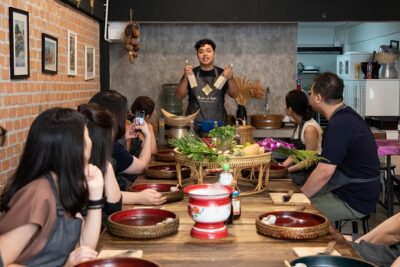
Two things I really like: the stop at the big central Market in Hoi An (you’ll see everything from herbs to seafood) and the hands-on time with a local chef where you actually make lunch or dinner, not just watch.
The one drawback to think about: there’s paddling, standing, and moving around, so it’s not suitable for people with mobility impairments or heart problems.
In This Review
- Key Highlights You’ll Feel Immediately
- Entering Hoi An Through the Market’s Nose and Eyes
- Ivegan Shop Meet-Up and Your Two Best Ways to Do It
- The Coconut Bamboo Basket Boat Ride: Quiet Water, Spinning Fun
- From Rural Ride to Real Cooking: What the Chef Teaches You
- What You’ll Cook in Hoi An: Bánh cuốn, Bánh Xèo, Phở, and Chè
- Who This Tour Fits Best (and Who Should Skip It)
- Price and Value: How $17 Holds Up
- Guides and Atmosphere: Why It Feels Personal
- Should You Book the Hoian Eco Coconut Tour?
- FAQ
- How much does the Market Tour – Cooking Class – Coconut Boat Riding cost?
- What’s included in the tour price?
- Where do I meet for the tour?
- How long is the coconut basket boat ride?
- What dishes will I learn to make?
- Are there different tour options?
- What should I bring?
- Is luggage or pets allowed?
Key Highlights You’ll Feel Immediately
- Big central market time with fruit, noodles, herbs, meat, and fish to browse and learn how locals shop
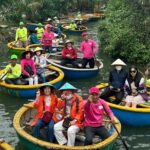
- 40 minutes on a bamboo basket boat, including a spinning coconut-boat ride through palm-lined water
- Fishing-net practice, plus folk songs during the ride
- Coconut leaf souvenirs, handmade and tied to the boat experience
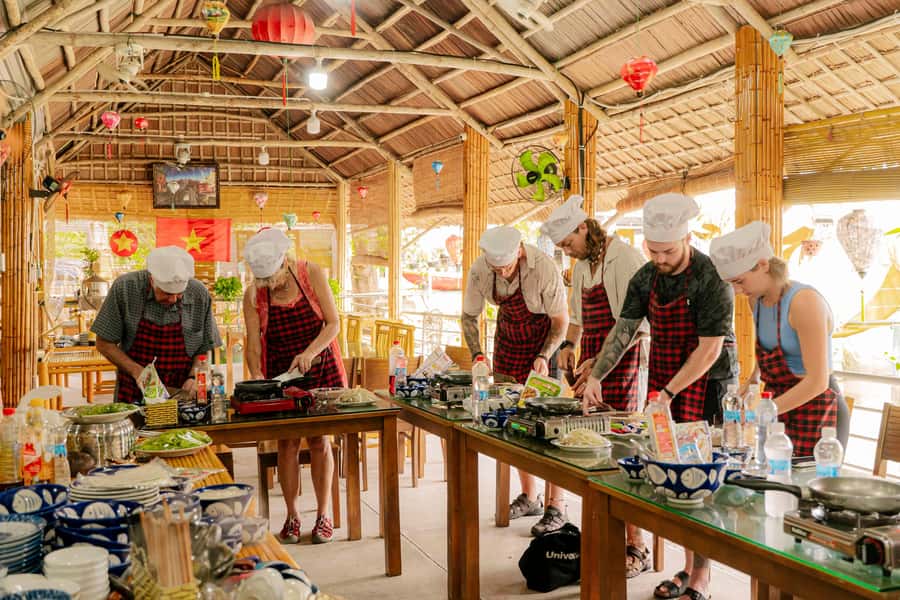
- A real cooking class with a local chef, where you prepare and eat dishes like Bánh cuốn and Bánh Xèo
Entering Hoi An Through the Market’s Nose and Eyes
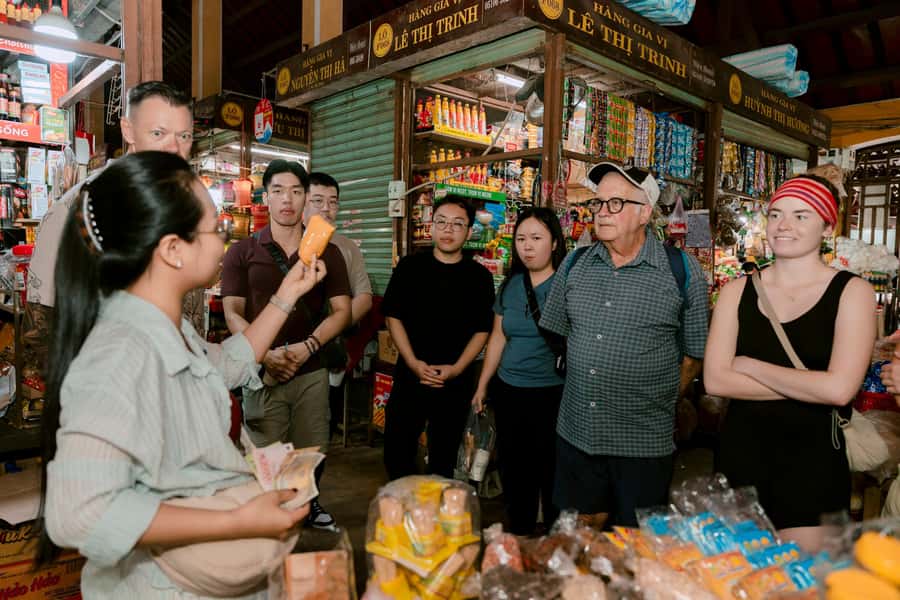
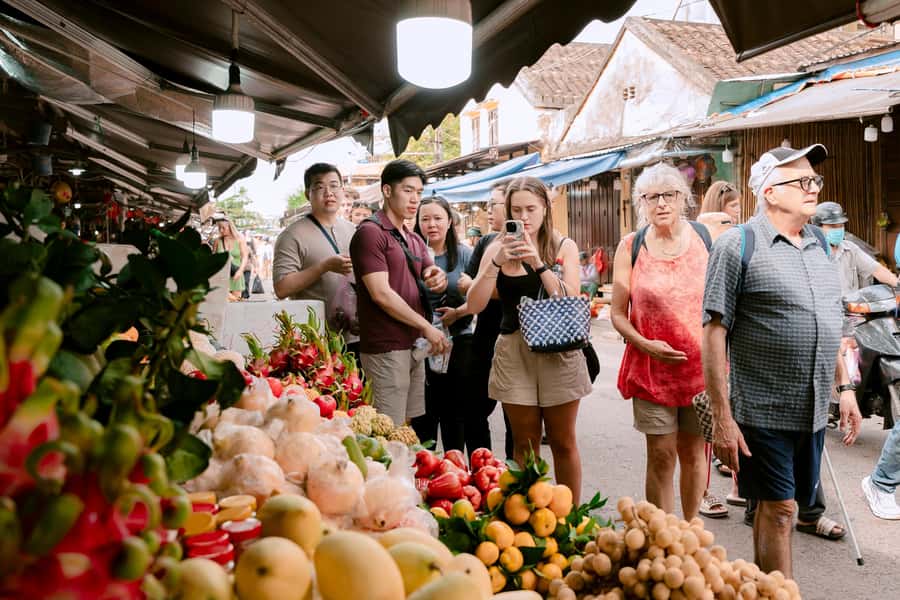
If you want to understand Hoi An food fast, start with the market. This tour begins with a guided visit to the city’s largest central market, where ingredients aren’t “set dressing.” They’re picked, weighed, stacked, and traded in the way locals actually do it.
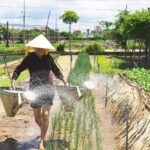
You’ll see seasonal fruits and piles of herbs that make Vietnamese cooking feel less mysterious. Expect to spot noodles, vegetables, meats, and fish laid out with the kind of logic you only notice when someone points out what’s common here and what’s used together. And because you’ll interact with vendors, you’ll get practical advice on what to buy and how to ask questions without feeling awkward.
One of my favorite parts of market time is the bargaining rhythm. You won’t become a professional trader in a morning, but you will learn the basics: how vendors respond, what questions matter, and how to keep the tone friendly. Even if you skip buying extras, you’ll leave knowing what to look for when you’re grocery shopping later on your trip.
You can also read our reviews of more tours and experiences in Hoi An.
Ivegan Shop Meet-Up and Your Two Best Ways to Do It
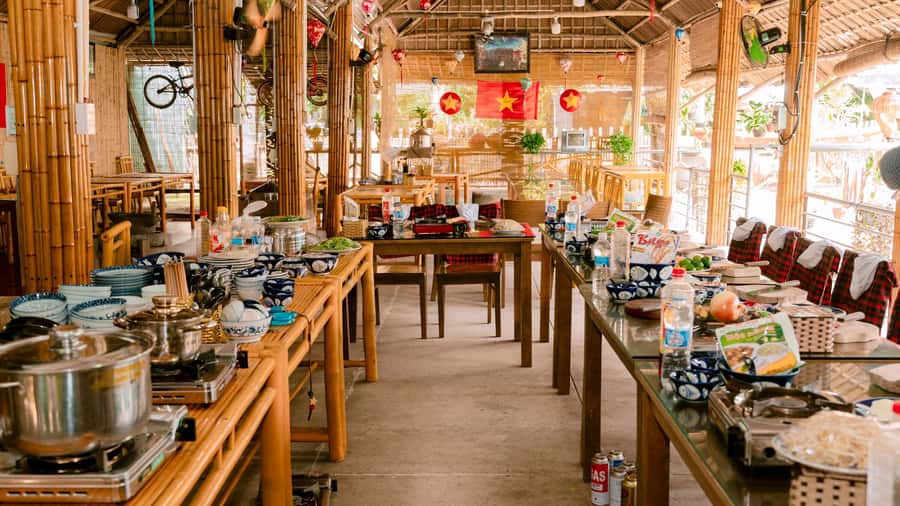
This experience is set up with options, so you can match your energy level to your day. You’ll meet at the Ivegan shop first, then your route depends on which option you choose.
- Full tour: market tour, coconut boat riding, and cooking class
- Boat riding + cooking class: skip the market
- Cooking class only: skip the market and boat
Why this matters: the market portion is the most “walking and scanning” part. If you’re tired, have limited time, or just want to get to cooking, the shorter options make the experience more comfortable. If you love food texture and ingredients, go for the full version so you see how the raw goods become meals.
Also, note the timing style: you can do it in the morning or afternoon. Either way, it keeps you moving through different environments, which is exactly what you want in Hoi An. You’re not just repeating the same old street scenes.
The Coconut Bamboo Basket Boat Ride: Quiet Water, Spinning Fun
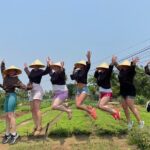
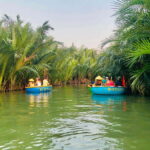
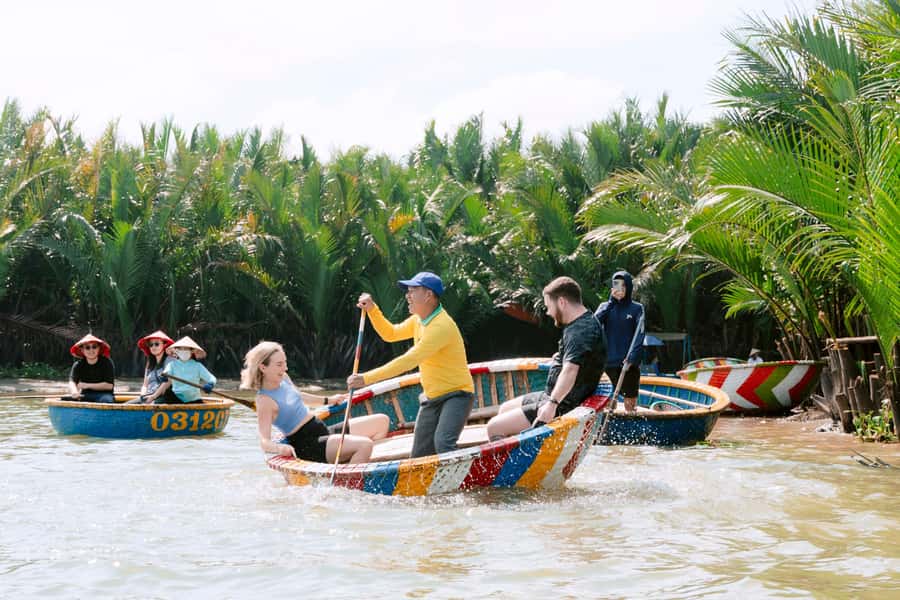
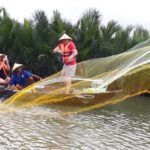
After the market (or after you skip it, depending on your option), the tour shifts into the countryside. You’ll paddle into a dense coconut palm forest on a traditional bamboo basket boat. The ride lasts about 40 minutes, and it’s not a passive “sit and look” situation. You’re on the water, exposed to the sun, and part of the rhythm of the journey.
The highlight here is the spinning. It’s one of those experiences that feels simple, but it changes how you feel about the boat instantly. Suddenly you’re not thinking about it as a prop. You’re thinking about balance, movement, and the skill it takes to handle the boat safely while keeping it fun.
You’ll also learn about fishing with a net during the ride. This is where the experience becomes more than scenery. It connects the place to the daily work of people who have lived with these waters for a long time. Add in folk songs and you’ve got a tour that feels like cultural storytelling, not just sightseeing.
The icing on the ride: you receive handmade souvenirs made from coconut leaves. It’s the kind of small, thoughtful takeaway that actually fits the theme. And since they’re made from local materials, it feels more real than buying a generic keychain in the old quarter.
From Rural Ride to Real Cooking: What the Chef Teaches You
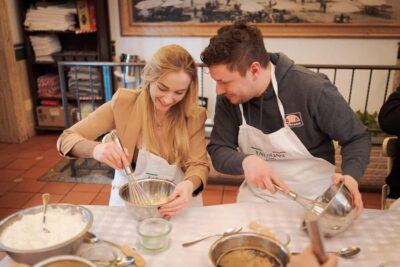
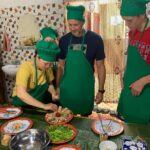
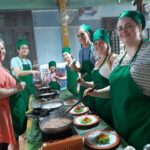
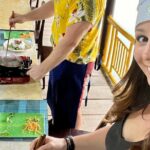
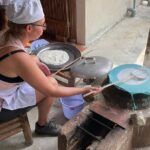
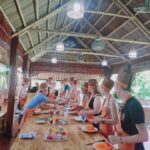
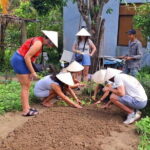
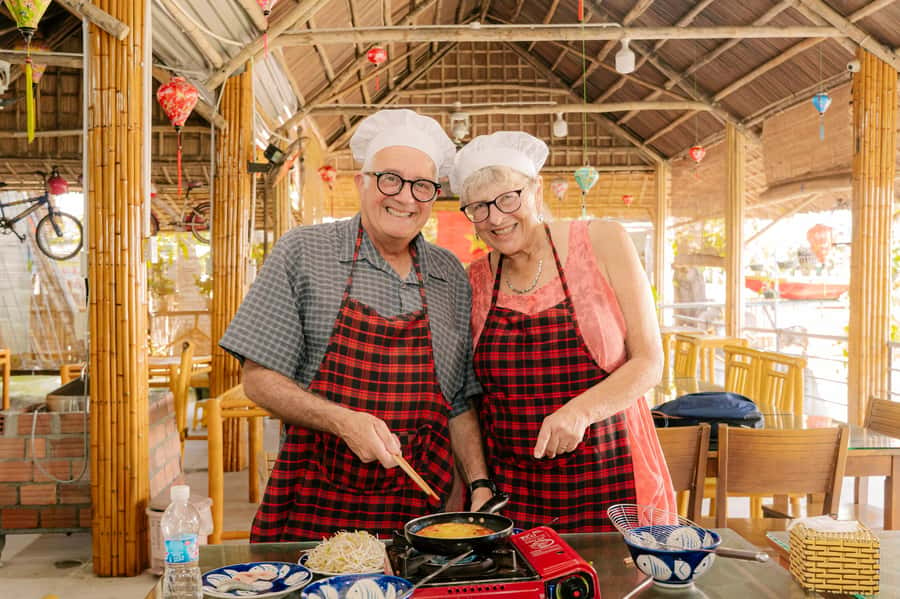
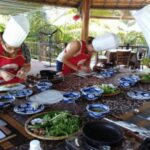
Once the boat part is done, you shift gears to the cooking class. This is where the tour becomes useful for your future meals at home. You’re not only eating Vietnamese food; you’re learning how to make it, with a local chef guiding you step-by-step.
The tour is designed around a straightforward idea: see ingredients first, then move into preparation. When you’ve already looked at herbs, noodles, vegetables, and seafood, the cooking session clicks faster. You know what something is when you encounter it again in chopped form. That’s a big part of why this works as a “value-for-money” experience.
You’ll prepare your own lunch or dinner, so don’t show up expecting a quick tasting. Plan on time and a bit of effort. Vietnamese cooking is hands-on by nature. Even when the class pace is comfortable, you’ll still feel like you contributed.
A practical note: this part of the day is better if you keep your shoes comfortable and your camera ready. There’s a lot to record, but also a lot to remember. A lot of the learning is visual and hands-on, not just verbal.
What You’ll Cook in Hoi An: Bánh cuốn, Bánh Xèo, Phở, and Chè
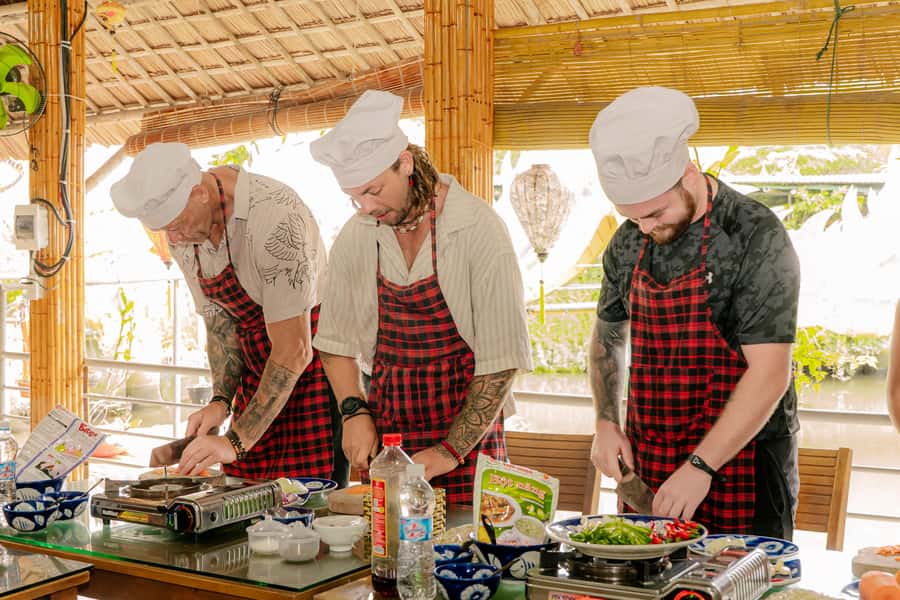
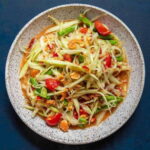
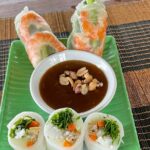
The cooking class centers on well-known Vietnamese dishes, including Bánh cuốn (Vietnamese steamed rice rolls), Bánh Xèo (Hoian rice pancakes), Phở (beef noodles), and Chè (sweet bean soup).
Here’s why these dishes are smart choices for a beginner-friendly class:
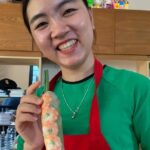
- Bánh cuốn teaches you how Vietnamese food can be delicate and light. The steamed roll vibe is different from fried street snacks, so you get a broader sense of texture.
- Bánh Xèo is the recognizable “Hoi An rice pancakes” style. It’s a dish where ingredients matter, and where you can taste how herbs and savory components work together.
- Phở brings you into the world of beef noodles. Even if you’re only making parts of the dish in class, the flavor logic is what you’ll carry with you later.
- Chè is your sweet reset. Sweet bean soup gives you a finishing course that feels Vietnamese in a way many desserts elsewhere don’t.
I also like that this set covers multiple meal categories: savory rolls, savory pancakes, noodles, and dessert. You don’t leave with one flavor memory. You leave with a small “menu” in your head, which is exactly what you want if you’re trying to understand Vietnamese cuisine instead of just collecting photos.
Who This Tour Fits Best (and Who Should Skip It)
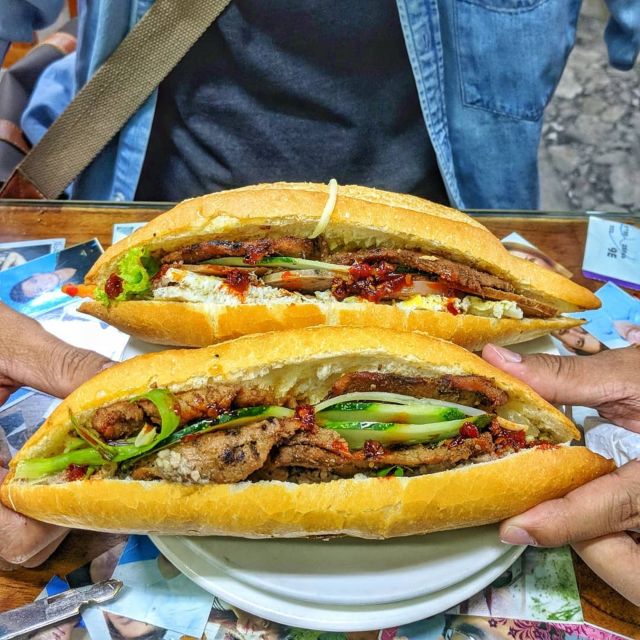
This is a great choice if you enjoy food-focused travel and you like learning by doing. It’s also ideal if you want a break from purely walking tours. You’ll get market atmosphere, rural water scenery, and cooking skills in one afternoon or morning.
But this is not the right fit if you have mobility challenges or heart problems. The tour isn’t suitable for wheelchair users either. Between walking around the market, moving during the cooking process, and riding in the boat environment, it requires a level of physical comfort.
If you do go, protect yourself from the sun. The countryside water area can feel hotter than you expect, especially during mid-day. Bring a sun hat and wear comfortable shoes you can stand in and move around. A camera helps too, since the boat ride and the cooking session both give you clear visual moments.
Price and Value: How $17 Holds Up
At $17 per person, this tour is priced like a “serious experience,” not a casual add-on. And importantly, some costs are already handled for you. The tour includes an English-speaking tour guide, insurance, and a bottle of water.
What you don’t get is personal spending. That means if you want snacks, drinks, or extra purchases along the way, you’ll pay separately. The upside is you won’t feel nickel-and-dimed for the essentials. Your money goes into guide time, market exploration, the boat experience, and the cooking class that feeds you.
In value terms, the cooking piece matters most. A lot of tours show you food. This one has you making it. When you cook dishes like Bánh cuốn, Bánh Xèo, Phở, and Chè, you’re basically buying time with a local chef plus a meal you can’t easily recreate without a learning experience first.
If you’re the type who wants to leave Hoi An with skills and not just photos, this is a fair deal.
Guides and Atmosphere: Why It Feels Personal
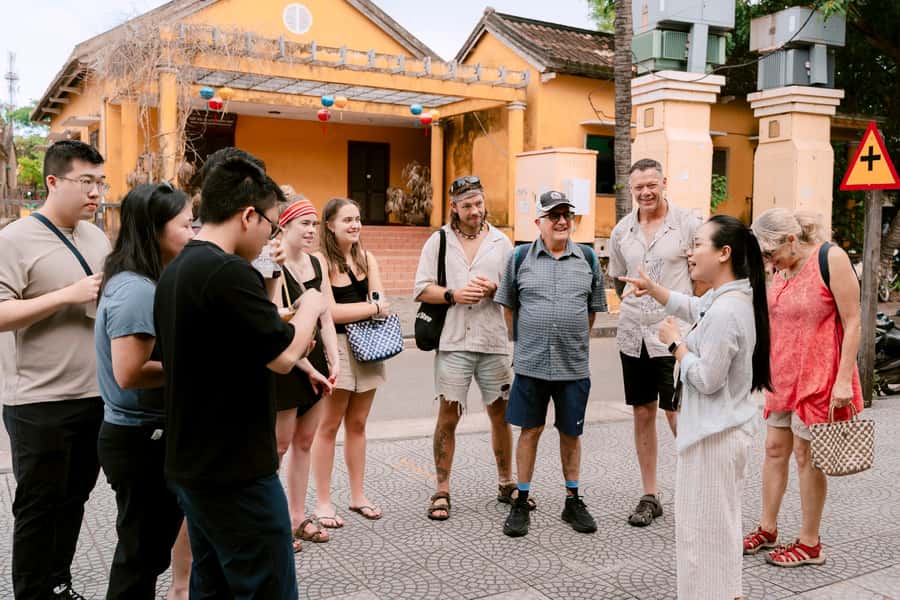
The tour is guided in English, with Vietnamese support possible depending on the guide. Past participants have highlighted guides by name, including Linh, Thao, Jackie Diem, Ngoc, and Pearl. The consistent theme in their praise is clear communication and a genuine interest in showing how food and culture connect.
That matters because the difference between a “good meal tour” and a “great one” is how much context you get. When your guide explains what you’re seeing at the market, what you’re tasting in class, and what the boat experience represents, the whole day becomes more meaningful.
Also, the cooking class isn’t only about recipes. It’s about how people eat and how they treat ingredients. That kind of perspective is exactly why this format works.
Should You Book the Hoian Eco Coconut Tour?
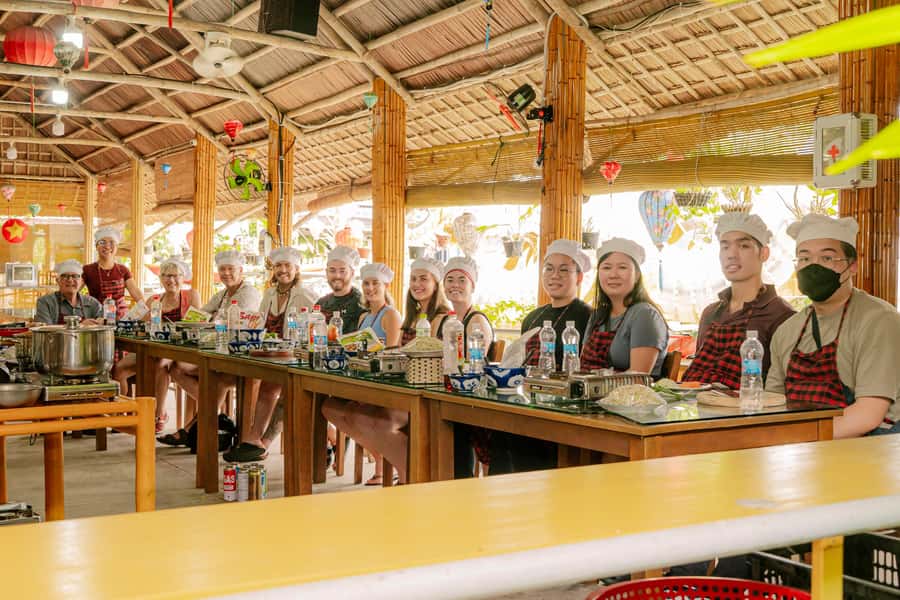
Book it if you want a food experience that goes beyond the old town and gives you real hands-on learning. The combination of the market, the spinning coconut bamboo basket boat ride, and the cooking class with a local chef is a strong “three-part day” that’s hard to replicate on your own without time and local know-how.
Skip it if you need wheelchair access, have mobility limitations, or have heart problems. It’s also less ideal if you want a fully low-effort tour. This one has movement and sun exposure baked in.
If you’re flexible on timing, pick the morning or afternoon slot that fits your day best, then choose the option that matches your energy. For many people, the full tour is the best value because it links ingredients to cooking to culture in a clean chain.
FAQ
How much does the Market Tour – Cooking Class – Coconut Boat Riding cost?
It costs $17 per person.
What’s included in the tour price?
The tour includes an English-speaking tour guide, insurance, and a bottle of water.
Where do I meet for the tour?
You meet at the Ivegan shop.
How long is the coconut basket boat ride?
The coconut basket boat ride lasts about 40 minutes.
What dishes will I learn to make?
You’ll learn to prepare Vietnamese dishes such as Bánh cuốn, Bánh Xèo, Phở, and Chè.
Are there different tour options?
Yes. You can book the full tour (market, boat, and cooking), boat + cooking (skipping the market), or cooking only (skipping the market and boat).
What should I bring?
Bring comfortable shoes, a sun hat, and a camera.
Is luggage or pets allowed?
Pets are not allowed, and luggage or large bags are not allowed.