REVIEW · SEOUL
2-Hour Private K Cooking Class
Book on Viator →Operated by K.dreams.Seoul · Bookable on Viator
A market makes cooking real fast. This 2-hour private K class in Seoul turns food shopping, Korean basics, and home-style recipes into one smooth experience. You’ll start at Mangwon Station, then learn how Koreans pick ingredients and how to handle the table like you belong there.
I especially like the hands-on market shopping and the fact you leave with step-by-step recipes you can actually repeat at home. The second half is also flexible, since the program runs as either a morning market-focused class or an afternoon alcohol-culture and drinking-games session.
One thing to consider: the afternoon option includes Korea’s alcohol culture and drinking games, so if you prefer a quieter, non-drinking experience, you may want to choose the morning format.
In This Review
- Key highlights at a glance
- How Mangwon Station sets the tone
- The morning market tour: shopping skills you’ll use again
- What to watch out for in the market portion
- Afternoon option: alcohol culture and drinking games (with social coaching)
- Consideration if you don’t drink
- Cooking part: home-style recipes with real step-by-step help
- Why the recipe focus is the real deal
- Basic Korean and dining etiquette: small skills that pay off fast
- How to use this after the class
- Your private group format: better questions, calmer pace
- What’s included for $80: where the value comes from
- Who gets the best value
- Practical prep: make your class day smoother
- Should you book this private K cooking class in Seoul?
- FAQ
- Where does the cooking class start and end?
- How long is the experience?
- Is this a private class?
- What’s included in the price?
- What’s not included?
- Do I get recipes to take home?
- Can I cancel for a full refund?
Key highlights at a glance
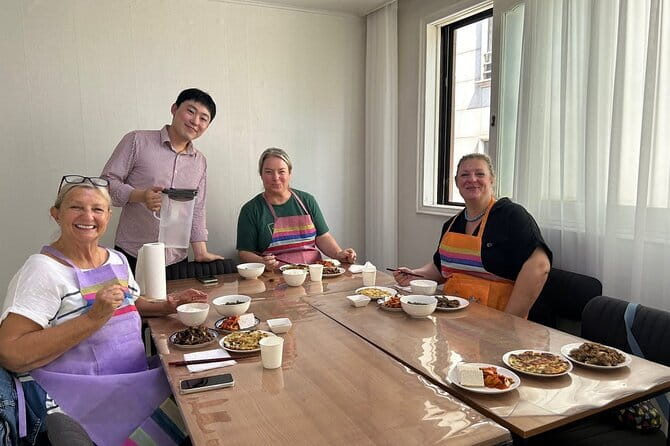
- Mangwon Station start point with return back to the meeting area, so navigation stays simple
- Traditional market tour that teaches you what to buy and how to choose it
- Simple, home-friendly Korean recipes built for real kitchen use (not restaurant-only skills)
- Basic Korean language and dining etiquette so you can interact more smoothly
- Alcohol culture and drinking games if you pick the afternoon session
- Private format means you can ask questions without feeling rushed
How Mangwon Station sets the tone
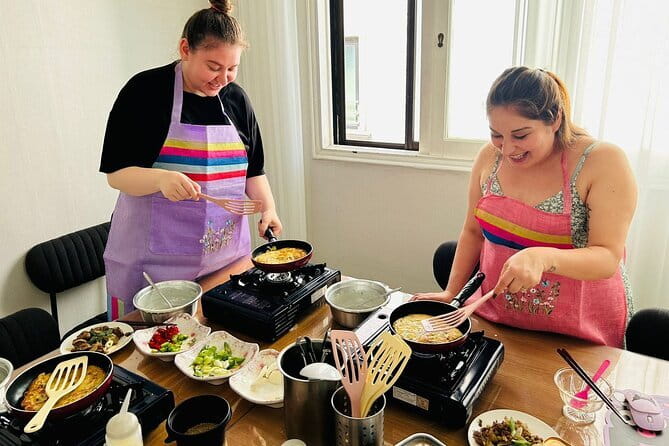
Mangwon Station is a smart place to begin. You’re on public transportation lines, which matters in Seoul where “getting there” can easily steal time from the actual activity. Starting and ending back at the meeting point also keeps the experience from turning into a half-day logistics puzzle.
From there, the class focuses on more than cooking technique. It’s built around Korean daily life: shopping for ingredients, communicating basics at the table, and understanding the social side of eating. That’s what makes it feel more authentic than a typical cooking workshop.
If you’re the type who likes to understand why food tastes the way it does, this setup helps. You don’t just memorize steps; you learn how ingredients fit into Korean meals and local shopping habits.
You can also read our reviews of more tours and experiences in Seoul.
The morning market tour: shopping skills you’ll use again
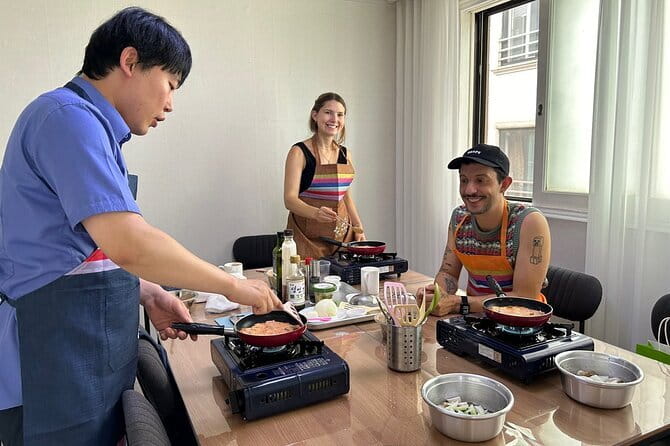
The morning class centers on a traditional Korean market tour. This is where the value quietly shows up. Buying ingredients is usually the hardest part of cooking Korean food at home because the “right” versions of staples are often different from what you expect.
In the market, you’re guided through how to select and purchase fresh ingredients, and you learn about their significance in local culture. That cultural context matters because it changes what you look for. Instead of grabbing what looks similar, you start thinking like a shopper: what’s essential, what’s seasonal, and what affects flavor.
You’ll also get a guide who can explain the logic behind Korean food choices. In feedback, the host is described as knowledgeable and open to questions, with a focus on the history behind what you’re eating. That kind of talk helps you connect ingredients to outcomes—so later, when you’re back in your own kitchen, you’re not guessing.
What to watch out for in the market portion
Market walking can be a lot, especially if you’re not used to crowds or uneven footpaths. The class is private, which helps—your guide can pace you—but it’s still a real market. Wear shoes you’re comfortable walking in, and plan on using your time efficiently so you can actually enjoy the stalls instead of racing from one place to the next.
Afternoon option: alcohol culture and drinking games (with social coaching)
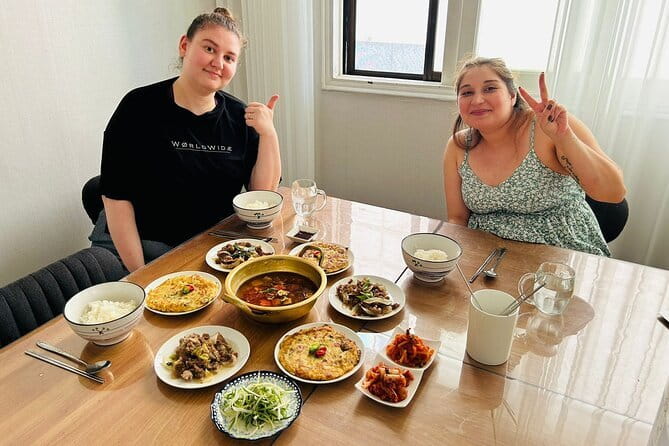
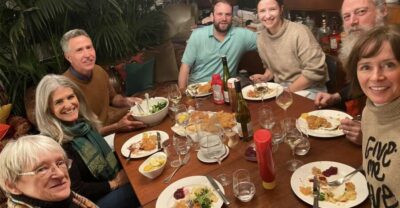
If you pick the afternoon class, you’re signing up for Korea’s alcohol culture rather than a purely food-only lesson. The program includes a guide to dining etiquette and drinking culture, plus you participate in drinking games to socialize and connect with others.
This can be a great fit if you want Korean culture in a lived-in way. Drinking culture in Korea isn’t just about the drink—it’s about the flow of the table, the rhythm of conversation, and how people interact in a meal setting. The class aims to help you communicate smoothly through basic Korean language and cultural pointers, so you’re not stuck nodding politely while hoping nobody asks you a question.
Consideration if you don’t drink
The data says beverage is included, but it also clearly frames this option around alcohol culture and games. If you don’t drink or you’d rather keep things low-key, the morning market-and-recipes format may match your style better. Either way, it’s worth choosing the version that aligns with how you want your Seoul day to feel.
Cooking part: home-style recipes with real step-by-step help
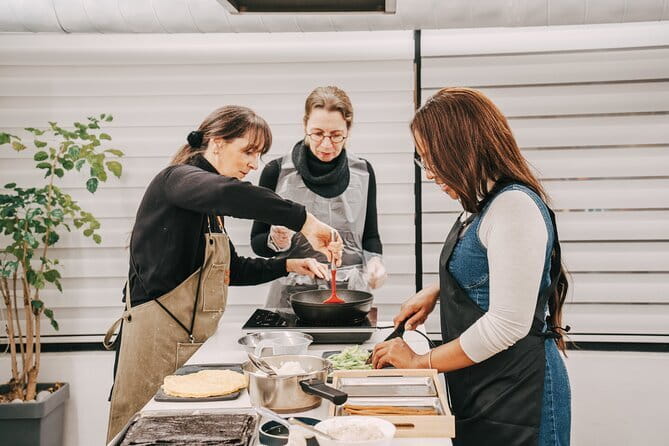
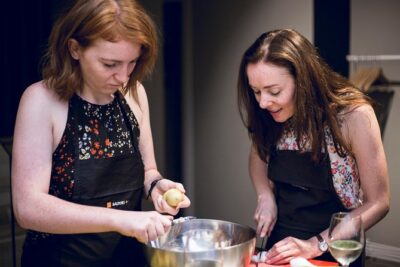
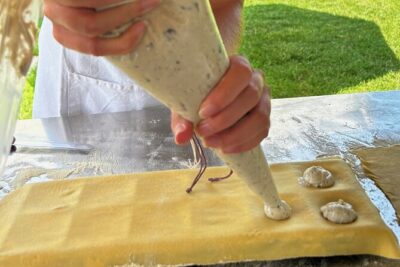
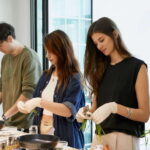
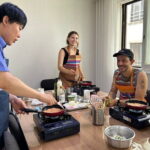
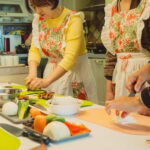
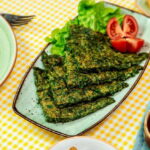
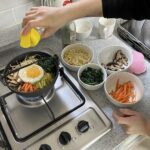
Both class formats come back to the same core promise: you’ll learn simple Korean recipes you can follow not just during the session, but also at home.
What I like about this approach is that it treats cooking as a repeatable skill. Korean food can feel intimidating when you’re facing unfamiliar ingredients or complex processes. Here, the focus is on easy home versions—dishes you can recreate without turning your kitchen into a warehouse of specialty items.
The ingredients, utensil use, and beverage are included. That means you’re not scrambling for supplies before you arrive or figuring out what you’re missing mid-class. You leave with recipes, and in feedback those recipes are described as beautifully illustrated—useful if you’re learning by visual cues rather than memorizing text.
Why the recipe focus is the real deal
A cooking class is only as valuable as what you can do after. The market teaching plus the recipe portion is a smart combo: you learn what to buy, and you learn how to use it. If you’ve ever cooked a dish once and never repeated it, this structure helps prevent that.
At home, you’ll likely find you make Korean food more often because the recipes are built for daily reality, not restaurant theatrics.
Basic Korean and dining etiquette: small skills that pay off fast
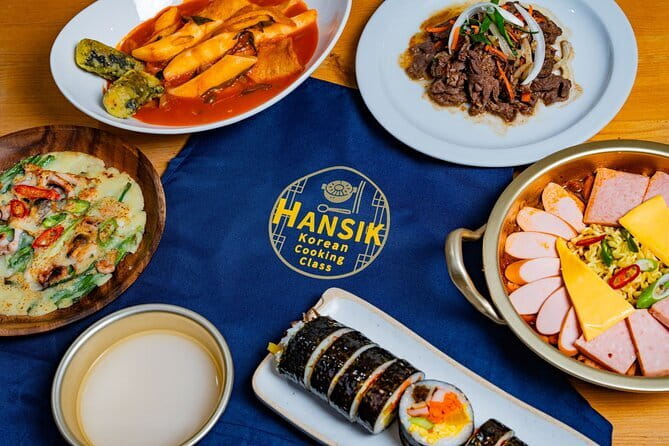
A standout feature is the inclusion of basic Korean language and dining etiquette. This isn’t presented as a heavy language course. It’s practical: enough to help you communicate smoothly with Koreans during meals and social situations.
The class also includes guidance on traditional dining etiquette and drinking culture. Even if you don’t plan to become fluent, these small table behaviors matter. They help you feel less like a spectator and more like a participant.
From a practical travel perspective, language + etiquette gives you confidence. In Seoul, meals can move quickly—people might switch topics, ask questions, or expect you to interact more than you’re used to. A short, targeted coaching session before you’re thrown into real life is a big advantage.
How to use this after the class
When you go out to eat later, look for moments where the class language and etiquette rules apply. You’ll likely notice you can handle simple exchanges more easily, and you’ll feel more comfortable joining the flow of the meal.
Even if your Korean stays basic, learning how to behave at the table helps you enjoy the food more, because you’re not distracted by uncertainty.
Your private group format: better questions, calmer pace
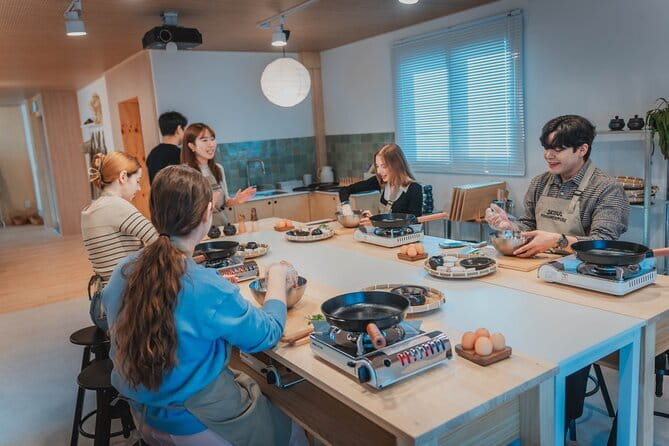
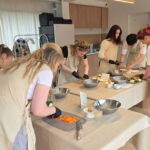
This is a private tour/activity, meaning only your group participates. That changes everything about how a class feels.
Instead of performing for a crowd, you can ask follow-up questions. If you want substitutions for ingredients, want to clarify why a flavor works, or want advice on what to buy later at local stores, a private format gives you room to do that.
Feedback also highlights that the host helps develop understanding, especially for expats living in Korea who want easy versions of familiar dishes and guidance for buying staples in local stores. That’s a strong indicator the class isn’t just for complete beginners—it’s also for people who already know Korean food they love, but need a bridge to cooking it at home.
What’s included for $80: where the value comes from
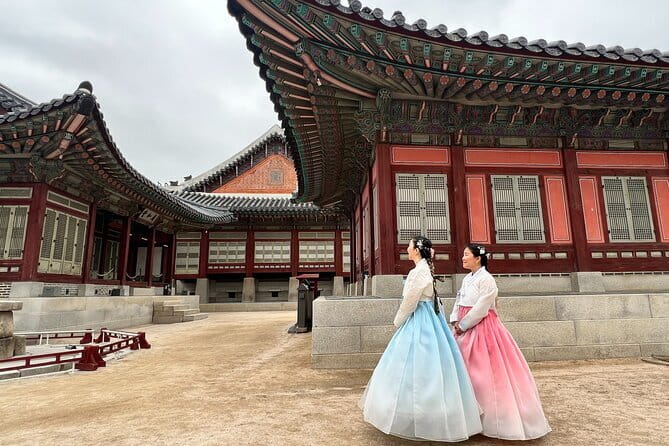
The price is $80, and the session runs about 2 hours 30 minutes (approx.). For a private class, the cost is not cheap, but it also isn’t just “someone teaches you a recipe.” You’re paying for several layers at once:
- ingredient and utensil support
- a guided experience in a traditional market (for learning selection skills)
- Korean language basics and cultural table coaching
- recipe materials you can repeat at home
Also, ingredients and beverage are included, and that matters because it reduces extra out-of-pocket decisions. Coffee and/or tea and any additional beverages are not included, so if you’re someone who plans to add on drinks, factor that in.
Who gets the best value
You’ll likely feel the value most if you fall into one of these groups:
- You want Korean food you can reproduce at home, not just taste once
- You’re curious about Korean culture beyond food and want a guided framework
- You prefer asking questions and learning at your own pace
- You like market shopping and want to know what to look for
If your main goal is only a quick cooking demo with minimal culture, you might feel the social/cultural elements are extra. But if you want the full Korean meal context—ingredients, table manners, and how people socialize—this is a strong fit.
Practical prep: make your class day smoother
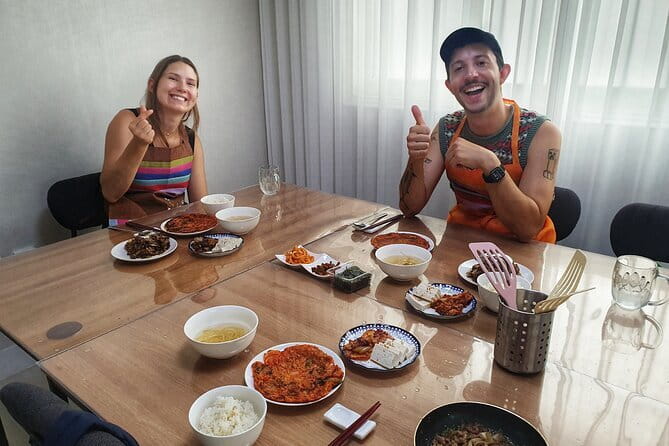
There’s no laundry list of rules given, but a few practical moves will help you get more out of the time:
- Bring comfortable walking shoes for the market segment.
- Expect to shop and learn as you go, not just sit and watch.
- If you choose the afternoon format, be ready for alcohol culture and drinking games.
- If you’re sensitive to heat or crowds, plan water intake accordingly (the class includes beverage, but outside market conditions can still be intense).
Also note the experience uses a mobile ticket, and it’s near public transportation. That combination is useful when you’re moving around Seoul and don’t want extra friction.
Should you book this private K cooking class in Seoul?
Yes, if you want a cooking experience that teaches the whole system: market shopping, simple recipe execution, and Korean table basics. This is especially appealing if you’re the kind of traveler who likes to take skills home, not just photos.
Choose the morning market option if you want to focus on ingredients and cooking repeatability with less social pressure. Choose the afternoon option if you want culture through Korea’s alcohol and drinking games, with etiquette coaching that helps you participate confidently.
One last decision tip: think about how you want to remember Seoul. If you want a day that feels like daily life—buying food, learning how meals work, and cooking with confidence—this is the kind of class that tends to stick.
FAQ
Where does the cooking class start and end?
The class starts at Mangwon Station in Seoul and ends back at the meeting point.
How long is the experience?
It runs for about 2 hours 30 minutes (approx.).
Is this a private class?
Yes. It’s listed as a private tour/activity, so only your group participates.
What’s included in the price?
Included items are listed as ingredients, beverage, cooking utensil, etc.
What’s not included?
The listing specifically notes that coffee and/or tea and additional beverages are not included.
Do I get recipes to take home?
You’ll learn simple recipes you can make at home, and the class provides recipe information at the end of the session.
Can I cancel for a full refund?
Yes. Free cancellation is available if you cancel up to 24 hours in advance for a full refund. Canceling less than 24 hours before start time doesn’t include a refund.