REVIEW · SEOUL
Korean Grandma Cooking Class l Gimbap & Kimchi Pancake l Seoul
Book on Viator →Operated by Local Contents Lab · Bookable on Viator
A Korean grandma cooking class is the fastest route to real-life Korea. In Seoul, you get hands-on gimbap and kimchi pancake lessons in a home setting, not a studio. You’ll also get stories, a house tour, and the kind of attention that comes from cooking with someone’s family recipes.
I especially like the home-based format and the fact that you cook the food yourself. I also really appreciate that the experience includes shared meals and photo time with Grandma, so it’s more than just watching and leaving.
One consideration: this is only fun if you’re comfortable in a home-kitchen setting, and the class also depends on a minimum number of travelers.
In This Review
- Key highlights you’ll care about
- Why This Seoul Gimbap-and-Kimchi Class Feels Different
- Meeting at the 11:00 AM Home Base in Gangbuk-gu
- Welcome Tea and First Conversations With Grandma
- The Home Tour: Korean Living Spaces, Kitchen Setups, and Family Details
- Hands-On Gimbap: Making the Roll the Korean Way
- Kimchi Pancake Workshop: Grandma’s Kimchi and Her Method
- Sharing the Table: Stories, Photos, and Eating Together
- Price and Value: Is $52 Worth It?
- Timing and What the 2.5 Hours Actually Feel Like
- Who Should Book This Class (and Who Might Skip It)
- Should You Book This Korean Grandma Cooking Class?
- FAQ
- What dishes will I learn to make?
- How long is the cooking class?
- Is this a private tour?
- Where do I meet the host?
- What time does it start?
- Will I receive a mobile ticket?
- When will I get confirmation after booking?
- Can I get a refund if my plans change?
Key highlights you’ll care about
- Visit Grandma’s actual house and see Korean daily living spaces up close
- Welcome tea + introductions so the group feels like people, not strangers
- Gimbap hands-on instruction that teaches the Korean approach to rolling and assembling
- Kimchi pancake making using Grandma’s kimchi and her method
- Family stories and photo time that make the meal feel personal
- Private group experience so you’re cooking with only your group
Why This Seoul Gimbap-and-Kimchi Class Feels Different
If you’ve done a few cooking classes in big venues, you know the pattern: quick demo, short chatter, then you’re out. This one works differently because it’s built around a grandmother’s home life. You’re not just learning recipes. You’re learning how a family cooks, talks, and eats.
Two things make it especially appealing. First, you get to cook both gimbap and a kimchi pancake, so you leave with two practical dishes you can reproduce. Second, the tone is personal: Grandma shares stories and family recipes, and you sit together afterward to share what you made.
The small downside? Home settings can be less standardized than commercial schools. If you prefer ultra-structured pacing or very large-room logistics, this might feel simpler than you expect. But if you want authentic, that’s usually a feature, not a bug.
You can also read our reviews of more tours and experiences in Seoul.
Meeting at the 11:00 AM Home Base in Gangbuk-gu
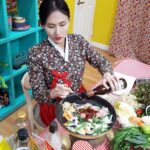
The day starts at 11:00 am at 메리츠화재연수원92 Ui-dong, Gangbuk-gu, Seoul, South Korea. The session ends back at the same meeting point, so you’re not stuck figuring out how to get home at the end.
The listing also notes it’s near public transportation, which matters in Seoul, where getting from one neighborhood to another can eat time. And because it’s described as a private tour/activity, you’re not sharing the house with an unpredictable crowd.
For families, that private feel can be a big deal. One of the strongest review points was how patient and skilled Grandma was, and that the experience became a standout for kids (including ages 9 and 11). When kids feel comfortable, the whole class goes smoother for everyone.
Welcome Tea and First Conversations With Grandma
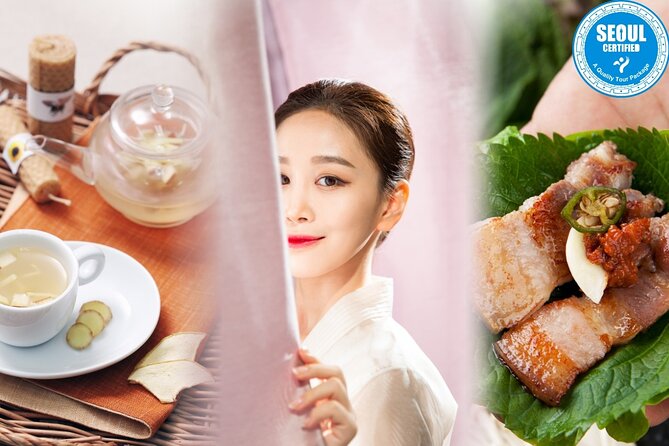
Before you start cooking, you’ll settle in with a cup of welcome tea. This isn’t just a cute add-on. It’s a simple way to slow things down and make introductions happen without awkwardness.
You’re also meeting fellow group members during that tea moment, so you can connect early. That matters when you’re about to work at a table together making food, because it turns the experience into teamwork instead of separate tasks.
And since the program includes stories and conversation with Grandma, those first minutes help you get into the rhythm of the home. You’ll get more from the meal when you know a little about the people you’re sharing it with.
The Home Tour: Korean Living Spaces, Kitchen Setups, and Family Details
One of the best parts of this class is the short tour of Grandma’s home before the cooking begins. This is where you get to see the everyday environment behind the food.
The home tour is designed to show how Korean living spaces work, plus traditional kitchen setups. That kind of context is useful because cooking doesn’t happen in a vacuum. When you understand the kitchen layout and how someone’s family approaches prep and cooking, the lesson sticks better.
You might also hear about family heirlooms or other personal touches, because the class is presented as family-centered, not teacher-as-performer. In a review, Grandma’s hospitality and patience were emphasized, and that same warmth usually shows up during this early tour too.
The practical takeaway: even if you’re a fast learner, this home tour gives you time to orient yourself. That makes the hands-on steps less stressful.
Hands-On Gimbap: Making the Roll the Korean Way
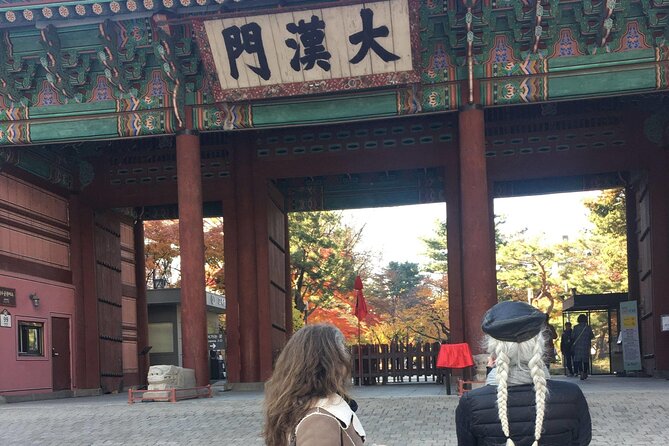
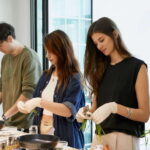
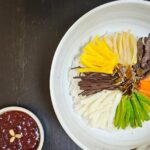
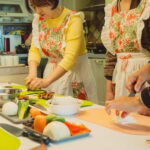
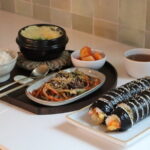
Now for the food work. You’ll make gimbap hands-on, with Grandma teaching you how to do it like Koreans do.
Gimbap is one of those dishes that looks simple until you actually try it. Getting it right often comes down to details: how you assemble ingredients, how you spread and roll, and how you balance flavors. This class gives you the advantage of learning by watching Grandma’s method and then practicing it yourself.
I like this approach because you’re not just copying a recipe card. You’re understanding technique. And technique is what helps when you’re making gimbap later at home—when you’re improvising with what you have.
Also, because the class is hosted in a home, you’re likely to get more patience than you’d get in a fast-paced commercial cooking school. One review specifically praised Grandma’s patience and skill, and noted that her English was good enough to make communication easy. If you’re traveling with kids, that communication clarity can turn a potentially frustrating moment into a fun one.
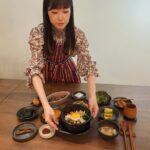
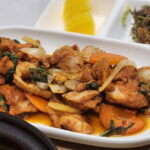
Kimchi Pancake Workshop: Grandma’s Kimchi and Her Method

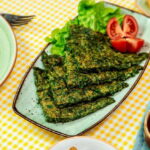
After gimbap, the next hands-on segment is a kimchi pancake using Grandma’s kimchi. You’ll not only taste, you’ll also make the pancake yourself.
Kimchi pancakes are a classic comfort dish, and the key is in how the kimchi is handled and how the batter and cooking are managed. In a studio class, this often becomes about speed. In a home setting, it’s more likely to become about getting it right, because Grandma can guide you based on how you’re doing in the moment.
I like that the class pairs gimbap with a second dish that’s totally different in texture and cooking style. That makes your learning more complete. You go from assembling and rolling to cooking something that needs attention and timing.
And the best part: you’re eating what you made with Grandma’s guidance behind it. In the review summary, the overall experience was described as a top family favorite, which usually means the kids didn’t just tolerate the food lesson. They felt included in it.
Sharing the Table: Stories, Photos, and Eating Together
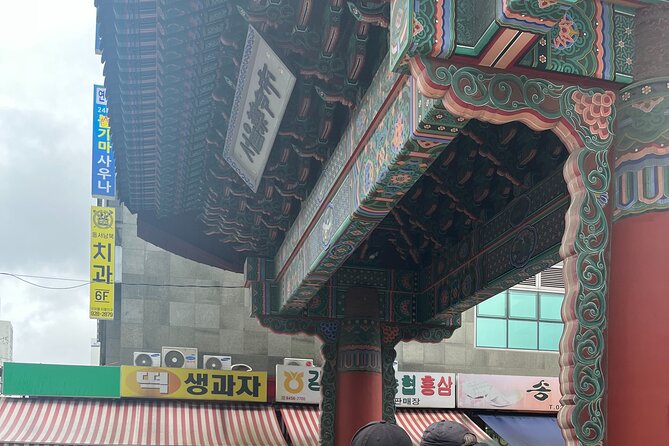
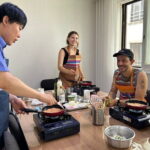
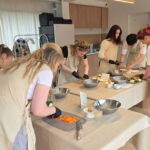
Once the cooking is done, you’ll gather around the table and share the meal you prepared. This isn’t a quick photo-then-leave setup. It’s framed as a moment to cherish the connections made through the class.
You’ll also take a picture with Grandma. That sounds small, but it matters. Cooking classes can sometimes feel transactional. The photo and shared meal make it feel like relationship-building.
The class format also encourages you to share your own stories. That’s a big part of why I think this kind of experience works better than most “culture workshops.” Food is the vehicle, but the real value is the conversation and the human side of the recipe.
One review highlighted the warmth of the host and thanked Grandma Sharon specifically for hospitality. That kind of personal hospitality is exactly what you’re paying for here: attention, patience, and a home-cooked vibe.
Price and Value: Is $52 Worth It?
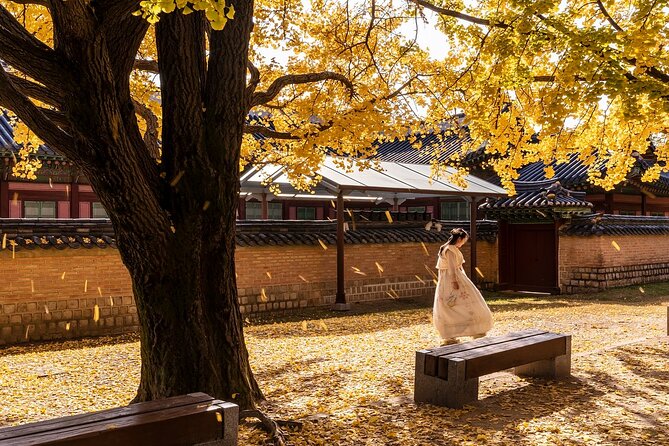
At $52 per person for about 2 hours 30 minutes, this sits in the mid-range for Seoul cooking experiences. The real question is whether it gives you enough more than a standard cooking class.
Here’s what makes the price feel reasonable for me:
- You cook two dishes (gimbap and kimchi pancake) rather than one
- You’re in a private, home-based setting, not a big commercial kitchen
- You get a home tour and welcome tea, which adds real context
- You share the meal with the host, which often becomes the emotional highlight
Also, the class is described as booked about 108 days in advance on average. That usually signals demand, and demand often means the experience is filling up because it delivers what people want: personal attention and authenticity.
You should also know it’s run by Local Contents Lab. That matters because local operators are often better at building genuine local connections than generic lesson providers.
Timing and What the 2.5 Hours Actually Feel Like
The class runs for roughly 2 hours 30 minutes. Within that time, you’re moving through a sequence:
- Meet and settle in
- Welcome tea and introductions
- Short tour of the home and kitchen context
- Hands-on gimbap making
- Hands-on kimchi pancake making
- Eating together and sharing stories, plus a photo moment
That flow is important. If you only want a quick snack and a short demo, you might find this a bit longer than necessary. But if you want actual practice and time to talk, the pacing fits well.
Starting at 11:00 am is also a plus. It’s a solid late-morning activity, so you’re not fighting the heavy evening dinner rush. And because the end is back at the meeting point, your day stays simple.
Who Should Book This Class (and Who Might Skip It)
This fits best if you:
- Want a real home experience in Seoul, not just a lesson in a classroom
- Like learning through doing, not just watching
- Travel with kids and want a host who can teach patiently
- Are excited by Korean everyday foods like gimbap and kimchi pancake
It might be less ideal if you:
- Want a highly scripted, corporate-style schedule
- Prefer large-group experiences or a more entertainment-focused class
The review you have here is a good signal for families: Grandma’s English was described as good, and the host’s patience made it easy for children to stay engaged.
Should You Book This Korean Grandma Cooking Class?
If your goal is to eat Korean food and also understand how people actually live and cook in Seoul, I’d book it. The combination of a home tour, welcome tea, hands-on gimbap, hands-on kimchi pancake, and shared meal time is a rare set of ingredients for one price.
The biggest reason to choose it is the personal tone. The class isn’t positioned as a quick transaction. It’s built around Grandma’s stories and a family-style kitchen experience. And if you’re traveling with kids, that patience and communication piece can make the difference between a memorable day and a stressful one.
One last tip: because it’s popular enough to be booked well in advance, plan ahead. You’ll get more peace of mind when you lock in your time slot early.
FAQ
What dishes will I learn to make?
You’ll make gimbap and kimchi pancake, with hands-on instruction.
How long is the cooking class?
The experience lasts about 2 hours 30 minutes.
Is this a private tour?
Yes. It’s listed as a private tour/activity, meaning only your group participates.
Where do I meet the host?
The meeting point is 메리츠화재연수원92 Ui-dong, Gangbuk-gu, Seoul, South Korea.
What time does it start?
It starts at 11:00 am.
Will I receive a mobile ticket?
Yes. The tour uses a mobile ticket.
When will I get confirmation after booking?
Confirmation is received within 48 hours of booking, subject to availability.
Can I get a refund if my plans change?
Yes. Free cancellation is available if you cancel at least 24 hours before the start time for a full refund. If you cancel less than 24 hours before, you won’t be refunded.