REVIEW · MYKONOS
Shared Group Cooking Class at Home of Mykonian Family in Mikonos
Book on Viator →Operated by Kafedena's Village · Bookable on Viator
A Mykonos cooking class in a real home. It’s the kind of experience where you’re not just watching Greek food happen, you’re making it alongside a Mykonian family team. I love the hands-on setup (they keep you working at every step) and the big portions that make the 3 hours feel like a full meal plan, not a snack. One thing to plan for: it’s outdoors and depends on good weather, so you’ll want to keep some flexibility.
This class is built around local instruction, from a warm welcome with Greek coffee and dessert to cooking, eating, and chatting with hosts who share stories about Mykonian gastronomy. If you hate group activities or want a quiet, sit-only tour, this probably won’t match your style. But if you’re here for food, culture, and learning how locals cook, it’s a great use of your morning.
In This Review
- Key Highlights You’ll Actually Feel
- Kafedena’s Village at 10:00 am: A meeting spot that keeps it local
- Greek coffee and dessert to start: the calm before you start cooking
- The hands-on part: cooking with Nicholas, Irene, and Chef Rita
- Lunch, wine, and beer: how the meal turns into the real memory
- Is $114.64 worth it for 3 hours of cooking and lunch?
- Recipe booklet payoff: recreating Mykonian dishes after you leave
- Who should book this Mykonos cooking class, and who should skip it
- Should you book this cooking class?
- FAQ
- How long is the cooking class?
- What time does the class start, and where do I meet?
- How big is the group?
- What’s included in the price?
- Is transportation included?
- What happens if the weather is bad or I need to cancel?
Key Highlights You’ll Actually Feel
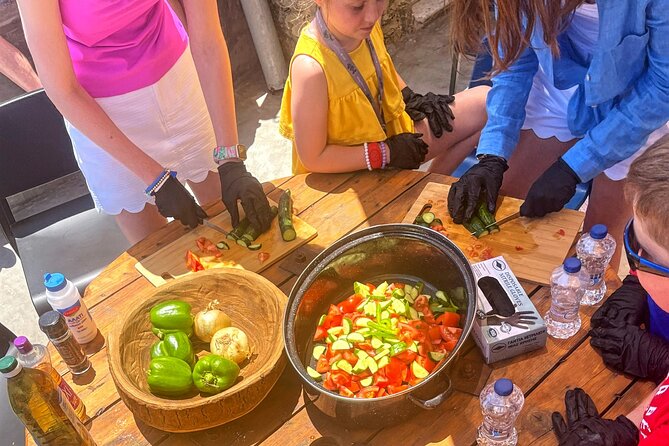
- A Mykonian home garden setting at Kafedena’s Village: relaxed, local, and far from a sterile kitchen demo.
- Chef Rita and the host team keep you involved: you chop, cook, and get practical guidance.
- Greek coffee + dessert kick things off: you start tasting before the first step of cooking.
- Local wine and beer with lunch: pairing is part of the experience, not an afterthought.
- Maximum 20 people for hands-on attention: easier questions, more one-on-one time.
- Recipe booklet to recreate the dishes at home: you leave with more than photos.
Kafedena’s Village at 10:00 am: A meeting spot that keeps it local
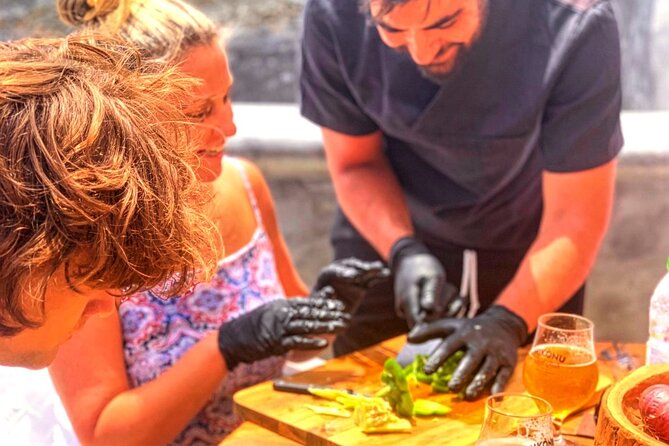
The class meets at Kafedena’s Village (Ag. Dimitriou, Mikonos 846 00). It starts at 10:00 am, and you’ll get a mobile ticket, so you don’t need to chase paper confirmations. Since the experience is about learning a family’s cooking rhythm, the time of day matters too: you’re eating lunch right after you cook, which means you’re not stuck waiting around.
If you’re coming from the cruise port, plan on a taxi ride. This is one of those activities where going with local convenience beats trying to over-plan. And because the group is capped at 20 travelers, the meeting point tends to feel manageable. In other words, you won’t be herded like cattle into a giant room.
Also, this is an outdoor setting in a traditional Mykonian house’s garden. When the weather is good, the whole experience feels easy and social. When weather isn’t cooperating, you may be offered a different date or a full refund, so keep an eye on forecasts if you’re booking near the edge of your trip.
You can also read our reviews of more tours and experiences in Mykonos.
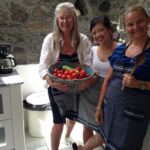

Greek coffee and dessert to start: the calm before you start cooking
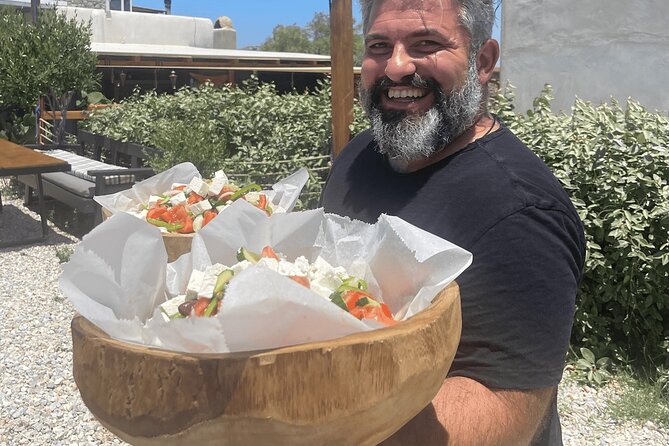
Before you touch ingredients, you get a warm welcome: Greek coffee and dessert. This matters more than it sounds. It helps everyone get comfortable, especially if you’re traveling solo or your cooking skills are more “microwave warrior” than culinary wizard.
It also sets the tone for how the class flows. You’re not thrown into a silent task list. You’re offered a small taste, then you’re guided into the steps with conversation. That’s a big part of why people love this. You’re basically joining a kitchen day, not attending a performance.
If you want the best experience, come with an empty stomach or at least a light breakfast. The class includes lunch with large portions, and you’ll be much happier when you’re hungry enough to enjoy everything fully. A heavy morning meal can turn a fun, social lunch into an uncomfortable “I’ll just pretend I’m full” moment.
The hands-on part: cooking with Nicholas, Irene, and Chef Rita
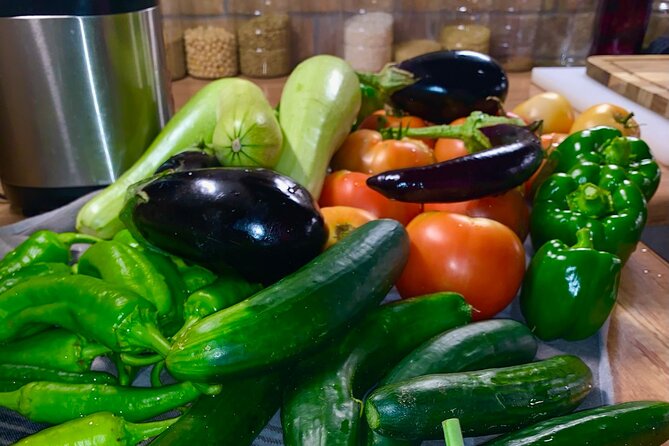
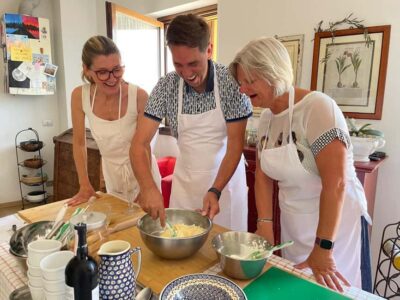
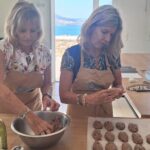
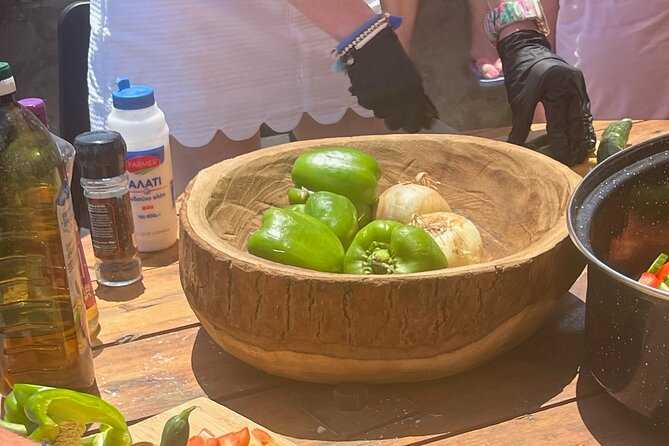
The core of the experience is instruction from home cooks who genuinely share their Mykonian food knowledge. You won’t just be told what to do. You’ll be kept working through the process: choosing fresh ingredients, using authentic techniques, and tackling the practical steps that make Greek dishes taste right.
From what I’ve learned about the host style, the teaching doesn’t feel rigid. The group stays active with tasks like chopping and cooking while you talk and ask questions. Nicholas and Irene are part of the host team, and they also share stories and family background—especially how Mykonian cuisine connects to local inspiration. That context is what transforms the class from a recipe transfer into something you can actually understand and repeat.
And then there’s Chef Rita, who comes through as accommodating and quick—exactly the kind of person you want if you’re learning on the fly. If you make mistakes (you will, maybe), the pacing still works and you don’t feel like you’re slowing anyone down.
Small-group size helps. With a max of 20 travelers, it’s easier to get real feedback. You’re not stuck waiting your turn for someone to notice your salt level or your cutting size.
Lunch, wine, and beer: how the meal turns into the real memory
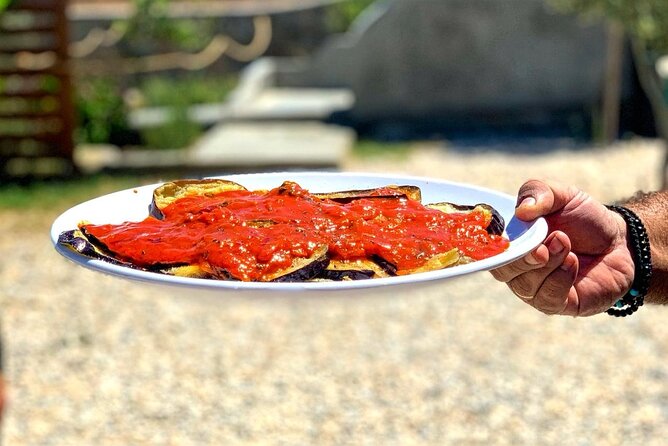
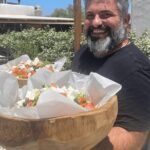
After you cook, you sit down to eat the dishes you made together. This is where the class earns its keep. You’re not just tasting “samples.” You get large portions that can easily feel like the main meal of your day on Mykonos.
Local wine and local beer are included with the meals, and that changes the vibe. It encourages conversation, and you’ll hear more about Mykonian gastronomy while you’re still full enough to enjoy it. The hosts share history and tradition, but the stories land because you’re connected to the food first.
One practical note: because it’s outdoors, it helps to dress comfortably. Bring layers if the morning feels cool. And keep your expectations friendly and social. This isn’t a quiet class where you leave with a tidy binder and no chatter. It’s a shared kitchen experience.
The “lively conversation” piece is not marketing fluff. In a kitchen setting, talking happens naturally—about ingredients, techniques, and how food connects to island life. If you like meeting people but want it to be organic, this fits.
Is $114.64 worth it for 3 hours of cooking and lunch?
At $114.64 per person, the price isn’t low. But it’s not “pay-to-watch” either. You’re paying for three big value drivers:
First, you’re getting full meal service—lunch and dessert, plus coffee to start. That alone makes it closer to a dining experience than a half-hour workshop.
Second, you get drinks included: local wines and local beers. That’s a real cost you would otherwise pay out on the island.
Third, you’re buying instruction with attention. A maximum group size of 20 travelers means you’re more likely to get personal help and not just stand around while someone else cooks.
And the final value point is the takeaway: you receive secret Mykonian recipes in a recipe booklet so you can repeat what you learned at home. That turns the class into something you can keep using, not just a single evening memory.
So my take: if food is a priority and you want a hands-on experience with local hosts in a home setting, this pricing makes sense. If you’re only curious about Greek food in a general way and you’d rather spend your money on beaches or views, you might feel it’s too specialized.

Recipe booklet payoff: recreating Mykonian dishes after you leave
One of the best parts of this class is that you don’t leave empty-handed. You get a recipe booklet that helps you recreate what you made—along with secret Mykonian recipes shared by your hosts.
That matters because cooking classes often fall into a trap: you taste great food, then you go home and try to guess the details. Here, you’re meant to take home clear guidance so you can reproduce the flavors. Even if you tweak things based on your pantry, having the structure makes a huge difference.
If you cook at home even occasionally, this is where the experience keeps paying off. You’re not relying on memory. You have a reference. And because you cooked alongside the host team, you understand how the steps feel in practice. That’s what turns a recipe from paper into something you can actually follow.
Who should book this Mykonos cooking class, and who should skip it
This class is a strong fit for:
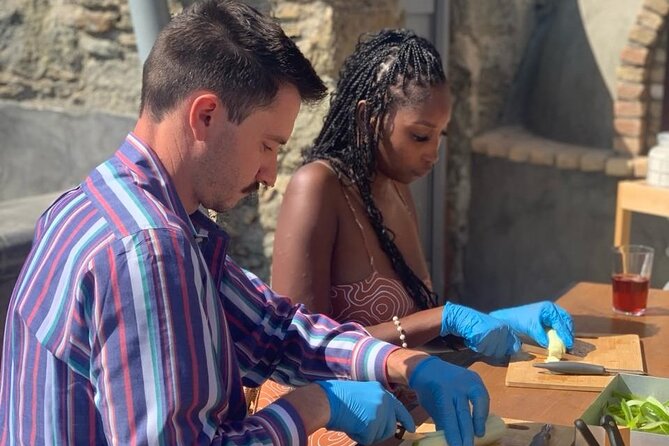
- Food lovers who want to cook, not just eat
- Travelers who like local stories and family-run hospitality
- Groups of friends who want a shared activity that ends with a proper meal
- People who enjoy a social setting with wine and conversation
You might want to choose something else if:
- You’re looking for a museum-style, quiet experience
- You prefer private transportation and fully self-guided days (private transport isn’t included)
- Weather can be a huge issue for your schedule, since it requires good weather and can be rescheduled if needed
The best preparation is simple: come hungry. The portion size is a standout. If you show up after a heavy breakfast, you’ll still have fun, but you might feel “full fast” before you’ve finished enjoying the full meal.
Also, if you’re sensitive to strong smells from cooking (garlic, herbs, etc.), tell your group or adjust what tasks you take on. The class is active, so you’ll be around the process.
Should you book this cooking class?
I think it’s an easy yes if you want a genuine Mykonos experience tied to food and family hospitality. The setting in a traditional home garden, the hands-on teaching style, and the fact that you eat what you cook all work together. You’ll likely end the class full, informed, and with a recipe booklet you can use again.
Book it if your schedule includes the 10:00 am start and you can dress for outdoor time. Skip it if your main goal is just scenic photos or you’d rather spend your morning strolling and saving your appetite for restaurants.
If you do book, plan for an empty stomach, bring comfortable shoes, and go in ready to talk. That’s where the magic tends to happen.
FAQ
How long is the cooking class?
The experience runs for about 3 hours.
What time does the class start, and where do I meet?
It starts at 10:00 am at Kafedena’s Village (Agίου Δημητρίου, Mikonos 846 00, Greece).
How big is the group?
The activity has a maximum of 20 travelers.
What’s included in the price?
You get Greek coffee and dessert, lunch, alcoholic beverages (local wines and local beers), and recipe information including secret Mykonian recipes.
Is transportation included?
No. Private transportation is not included.
What happens if the weather is bad or I need to cancel?
The class requires good weather. If it’s canceled due to poor weather, you’ll be offered a different date or a full refund. You can cancel for a full refund up to 24 hours before the experience starts.