REVIEW · MYKONOS
Mykonos Cooking Class of Local Specialties
Book on Viator →Operated by Delos Private Tours · Bookable on Viator
Cooking on Mykonos beats just eating out. This private 3-hour cooking class focuses on local specialties and the kind of practical tips you only get when a chef is standing right there. You’ll cook and then sit down to eat what you make, with local wine and a written recipe set for later.
I love how hands-on it is for a small private group, plus the menu hits real Mykonos comfort food instead of generic Greek tourist plates. And you’re not stuck watching a cooking show; the format is designed for active participation, even if the balance can shift by group size. One consideration: it runs about $238.28 per person, so it’s best if you value a guided, meal-included experience more than bargain-hour entertainment.
In This Review
- Key Things I’d Put On Your Radar
- Your Evening Starts in Ornos, Then Turns Into Dinner
- What You’ll Cook: Real Mykonos Favorites (Not Just Greek Covers)
- Starters: Mostra and Tsatziki
- Mains: Kremidopita and Keftedakia Mykonou
- Dessert: Rafiolia
- A Greek salad at the table
- The “Renowned Chef” Part: Why the Teaching Style Matters
- What you should expect during class time
- Value for Money: When $238.28 per Person Actually Makes Sense
- Practical Timing: 4:30 pm is Built for an Easy Flow
- Who This Class Is Best For
- Who Should Skip It (Or Confirm First)
- What You’ll Take Home Besides Full Tummies
- Small Details You’ll Be Glad You Noticed
- Should You Book This Mykonos Cooking Class?
- FAQ
- What time does the Mykonos cooking class start?
- How long is the cooking class?
- Where is the meeting point?
- What language is the class offered in?
- Is this a private experience?
- Is local wine included?
- Is it recommended for vegans?
- Are recipes included at the end?
- What’s the cancellation policy?
Key Things I’d Put On Your Radar
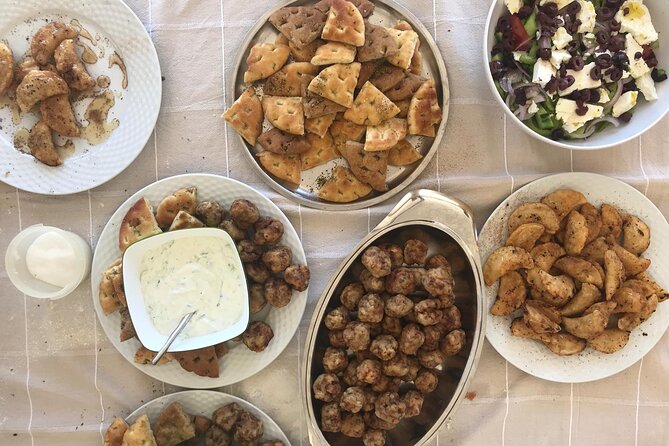
- Private class format for just your group, so questions don’t get lost in a crowd.
- Chef-led cooking with local specialties, built around dishes like kremidopita and keftedakia Mykonou.
- You eat the full meal you prepare, not just a small tasting.
- Local wine included, turning the class into a proper family-meal style dinner.
- Written recipes provided at the end, so you can recreate it later at home.
- Not recommended for vegans, since the menu includes dairy and often cheese.
Your Evening Starts in Ornos, Then Turns Into Dinner
This experience is set up like a relaxed early-evening meal. The meeting point is in Ornos (Ornos 846 00, Greece), and the start time is 4:30 pm. It ends back at the meeting point, so you’re not left figuring out a last-mile logistics puzzle late at night.
The timing matters. Cooking classes that start early evening give you enough time to actually enjoy the food, not just scarf it down and sprint off to another stop. It also means you get to see a different side of Mykonos than the late-night party flow—more everyday, more family-table energy.
And yes, it’s in English, which is a big deal if you want real back-and-forth about what you’re doing. Cooking is all about small decisions: texture, salt level, heat control, and when to stop. English instruction keeps it from turning into guesswork.
You can also read our reviews of more tours and experiences in Mykonos.


What You’ll Cook: Real Mykonos Favorites (Not Just Greek Covers)
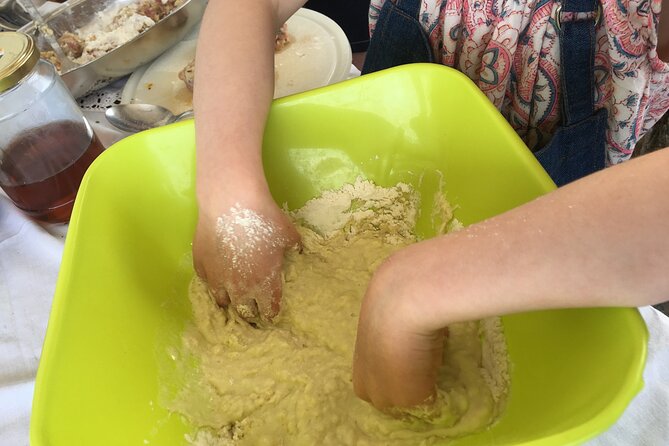
The menu you’ll prepare is a clear tour of classic flavors and textures. Even if you’re not a big “foodie,” you’ll recognize a few pieces and learn how locals build them.
Here’s what’s on the sample menu:
Starters: Mostra and Tsatziki
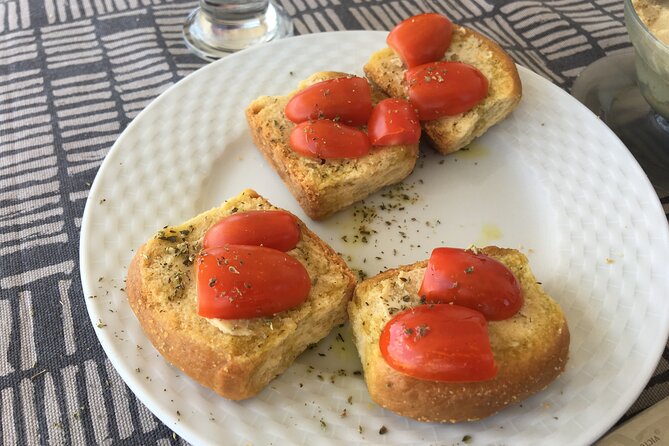
Mostra is a rusk or bread spread with kopanisti cheese (spicy), topped with tomato, oregano, and extra virgin olive oil. The key thing to watch for is the balance: the cheese brings heat, and the olive oil plus tomato cools and rounds it out. It’s not just a starter; it’s a shortcut to understanding how Mykonos uses cheese as a flavor engine.
Then there’s tsatziki, made with thick yogurt, drained cucumber, olive oil, garlic, mint, lemon juice, and salt. The “practical” part here is draining the cucumber properly—too wet and it turns watery fast. This is the kind of technique you’ll remember at home.
Mains: Kremidopita and Keftedakia Mykonou
Kremidopita is an onion-and-cheese pie. Onions can be sweet or sharp depending on handling, and this recipe leans on that tang: the onion bite gets balanced by a creamy local cheese mix (tirovolia), plus dill and herbs. If you’ve only ever had onion pie that tastes flat, this is the one that changes your mind. The combo of onion and dairy is comfort food with a smart edge.
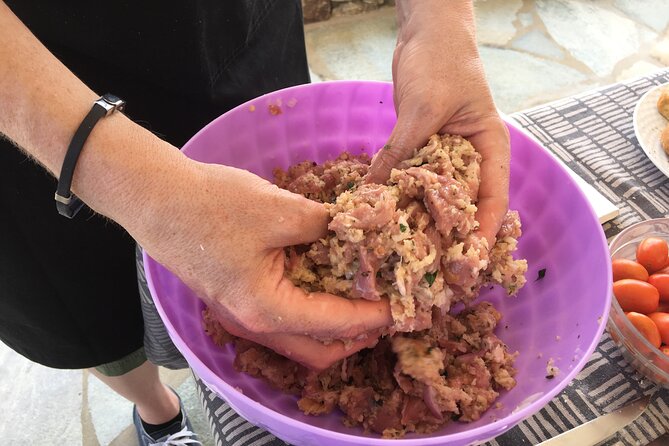
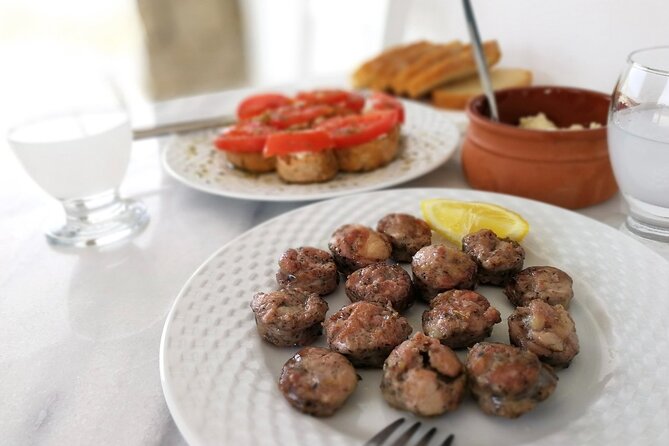
The second main is keftedakia Mykonou, pork meatballs (you can request beef). They’re hand-minced and mixed with grated onions, bread, eggs, oregano, mint, olive oil, and ouzo. That ouzo detail isn’t random; it’s part of the aromatic profile that makes the meatballs taste distinctly Greek, not generic. You’ll also get a feel for how minced texture affects tenderness.
Dessert: Rafiolia
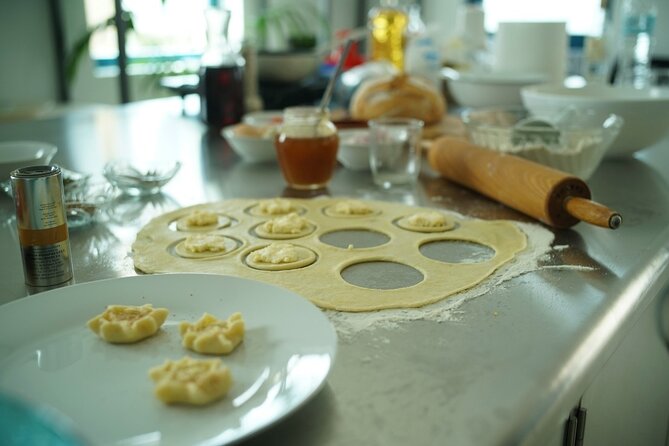
Rafiolia are fried dough sweets that may include tirovolia cheese, then finished with honey, orange, and cinnamon. Fried dough desserts can be tricky—too hot and they brown fast without cooking inside. This is exactly why cooking with a chef helps. You’ll see the timing, not just hear it explained.

A Greek salad at the table
You’ll also make or prepare a Greek salad with tomatoes, cucumbers, onions, green bell peppers, feta, oregano, and olive oil. It’s familiar, but the value is in seeing how it fits into a meal with heavier dishes. The salad acts like a palate reset before the dessert.
The “Renowned Chef” Part: Why the Teaching Style Matters
This class is directed by a chef who guides the process step by step. One review talks about Chef Alex bringing a kind, humorous, calm vibe that kept teens engaged. Another mentions a host named George, with plentiful cheese and lots of wine. There’s also a family-led feel in the reviews around a host called Jorgi, plus Christina helping out.
I wouldn’t treat those names as a promise of who you’ll get. But the takeaway is consistent: you’re not just cooking; you’re learning how local families cook day-to-day. That means technique, not memorization.
What you should expect during class time
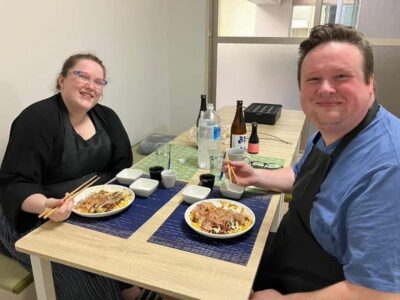
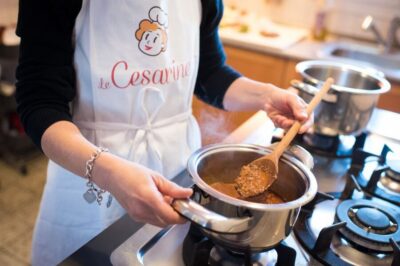
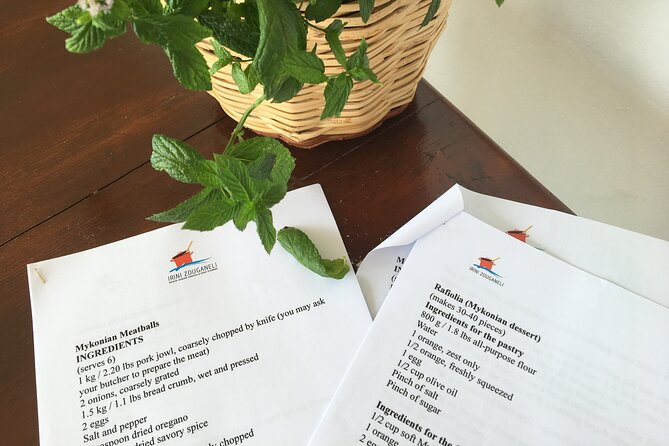
You’ll be met at the meeting point, then taken to the class location. During the class, you’ll cook the local specialties and eat them afterward. Local wine accompanies the meal. At the end, you’ll receive the recipes in written form.
One useful detail from the feedback: the class format can be demo-heavy, with some people actively helping while others watch. In one family group, two people helped while four watched, and it worked for them. So if you want maximum hands-on time, it’s worth keeping an eye on group size and how the chef splits tasks.
Value for Money: When $238.28 per Person Actually Makes Sense
Yes, the price is high compared to basic cooking workshops. One review explicitly said it felt expensive. But the value question depends on what’s included and how private it is.
Here’s what you’re paying for, based on the details you have:
- Private experience: only your group participates.
- Chef instruction throughout the cooking process.
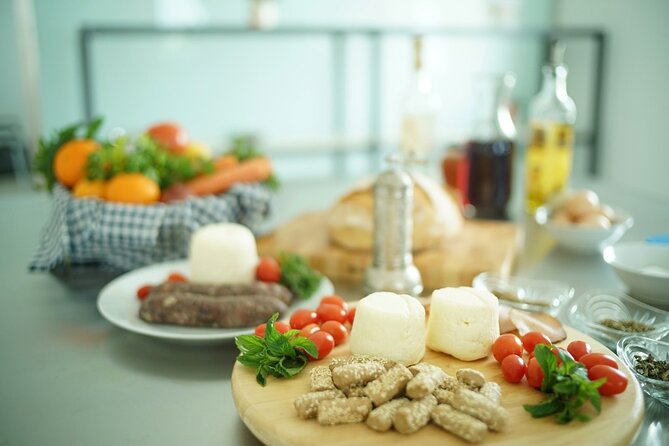
- Full meal: starters, mains, dessert, plus Greek salad.
- Local wine included.
- Written recipes to take home.
If you compare this to piecemeal costs—like paying for a guided activity plus an upscale meal plus alcohol—the total starts to look less wild. Also, Mykonos isn’t a cheap island. When you’re paying island prices anyway, the question becomes: do you want to eat and leave, or do you want to learn something you can repeat?
This class leans hard into repeatable value. Those written recipes are what turn a one-night food memory into something you can recreate.
Practical Timing: 4:30 pm is Built for an Easy Flow
With a 4:30 pm start, you get a “late afternoon to dinner” rhythm. It’s the kind of slot that fits well if you’ve been beach hopping or walking around town earlier. It also helps you avoid the dinner-line chaos.
Since the tour returns you to the same meeting point, you can plan your evening with less stress. You can head toward dinner plans nearby or just enjoy a slower post-class stroll, depending on your energy level.
Who This Class Is Best For
This experience is a strong match if you want:
- A guided, hands-on Mykonos food lesson
- An English-speaking chef who can explain and correct as you cook
- A meal that feels like a real dinner, not a snack with a show
- Recipes you can actually use later
It’s also a good fit for families, including teens, based on the feedback about keeping teens engaged. And because it’s private, it tends to work well when you have people who learn best by doing rather than listening.
Who Should Skip It (Or Confirm First)
The big “do not” is clear: it’s not recommended for vegans. The sample menu includes multiple dairy and cheese components like kopanisti and tirovolia, plus yogurt in tsatziki.
If you eat dairy or you can handle cheese-heavy cooking, you’re in good shape. If you have other allergies or dietary restrictions, you should confirm what can be adjusted before booking, since the provided menu is cheese-forward.
Also consider the price and your expectations. If you want a super casual tasting only, this might feel more structured than you hoped. If you want instruction and a full meal, it’s more likely to feel worth it.
What You’ll Take Home Besides Full Tummies
The written recipes are the obvious takeaway. But the less visible value is knowing the “why” behind the flavors.
For example:
- Copying Mostra isn’t just about ingredients; it’s about how you balance spicy cheese with olive oil and tomato.
- Getting good tsatziki is mostly about texture control—especially draining cucumber.
- Onion pie tastes easy in theory, but kremidopita shows how onions can be sweet-tangy when balanced with creamy cheese and herbs.
- Keftedakia isn’t “just meatballs.” The onion, bread, herbs, eggs, and ouzo create a specific Greek profile.
- Dessert tells you when fried dough should be timed to avoid raw centers.
Those are the kinds of lessons that stick. They make you better at cooking Greek food at home, not just better at eating it.
Small Details You’ll Be Glad You Noticed
A few practical notes can help you get more from the experience:
- You’re cooking in an evening slot, so wear comfortable clothes you don’t mind getting a little messy.
- Plan to be hungry. The class is built around starters, mains, dessert, and wine.
- Because the class can mix helping and watching, consider whether you want to be hands-on every minute. If so, arrive ready to jump in.
Should You Book This Mykonos Cooking Class?
Book it if you want a chef-led, private Mykonos local-food experience where you cook real classics and then eat them right away. The price is steep, but the combination of guided instruction, a full meal, wine, and take-home recipes makes it easier to justify—especially on an expensive island like Mykonos.
Skip (or ask lots of questions) if you’re vegan, have strong dietary restrictions beyond what’s listed, or you mainly want a cheap activity. This is a meal-with-instruction class, not a quick taste tour.
If you’re the type who likes to come home with something more than photos—something you can cook again—this one fits.
FAQ
What time does the Mykonos cooking class start?
The class starts at 4:30 pm.
How long is the cooking class?
It lasts about 3 hours.
Where is the meeting point?
The meeting point is Ornos 846 00, Greece.
What language is the class offered in?
The class is offered in English.
Is this a private experience?
Yes. It’s a private tour/activity, meaning only your group participates.
Is local wine included?
Yes. Local wine accompanies the feast.
Is it recommended for vegans?
It is not recommended for vegans.
Are recipes included at the end?
Yes. You’ll be given the recipes in written form at the end of the class.
What’s the cancellation policy?
You can cancel for a full refund if you cancel up to 24 hours in advance of the experience start time. Cancellation less than 24 hours before the start time isn’t refunded.