REVIEW · KO LANTA
Ko Lanta: Thai Cooking Class with Market Tour and Dinner
Book on GetYourGuide →Operated by Lanta Tourist Center · Bookable on GetYourGuide
Cooking Thai food is a hands-on shortcut. You’ll see the ingredients behind the flavors on a local market tour, then turn them into real Thai dishes with a Thai chef’s guidance. The format works well if you want something more than a quick taste and photos.
Two things I really like: first, the herb and ingredient focus. You’re not just following steps. You’re learning what to look for in produce and spices so you can cook more confidently later. Second, you leave with practical take-home gear: an apron, recipe book (plus pen), and a cooking certificate.
One possible drawback: details like certificates can be a little inconsistent. One person noted they didn’t receive a certificate as mentioned, so I’d treat certificates as a nice bonus and still plan to enjoy the learning even if a paper is late or missing.
In This Review
- Key highlights you’ll feel on the day
- What makes this Ko Lanta cooking class feel local
- Market tour and lunch: Monday, Wednesday, Saturday (09:00–14:30)
- Dinner cooking class: Tuesday, Thursday, Friday (16:00–21:00)
- Homemade curry paste and sauces: the skill you’re really buying
- Fruit and vegetable carving (15:00–18:00): a calm, useful extra
- Price and what you’re getting for about $80
- Who this fits best, and what to watch for
- Should you book Ko Lanta Thai Cooking Class with Market Tour and Dinner?
- FAQ
- FAQ
- How long is the market tour and lunch program on Ko Lanta?
- What is included with the market tour and lunch class?
- Which dishes are cooked on Monday for the market tour and lunch option?
- When does the dinner cooking program run, and which days are available?
- What dishes are included in the Tuesday dinner program?
- Is there a fruit and vegetable carving class?
- What take-home items do I receive after the cooking class?
- What languages are the classes taught in?
- Is reserve & pay later available, and can I get a refund if I cancel?
Key highlights you’ll feel on the day
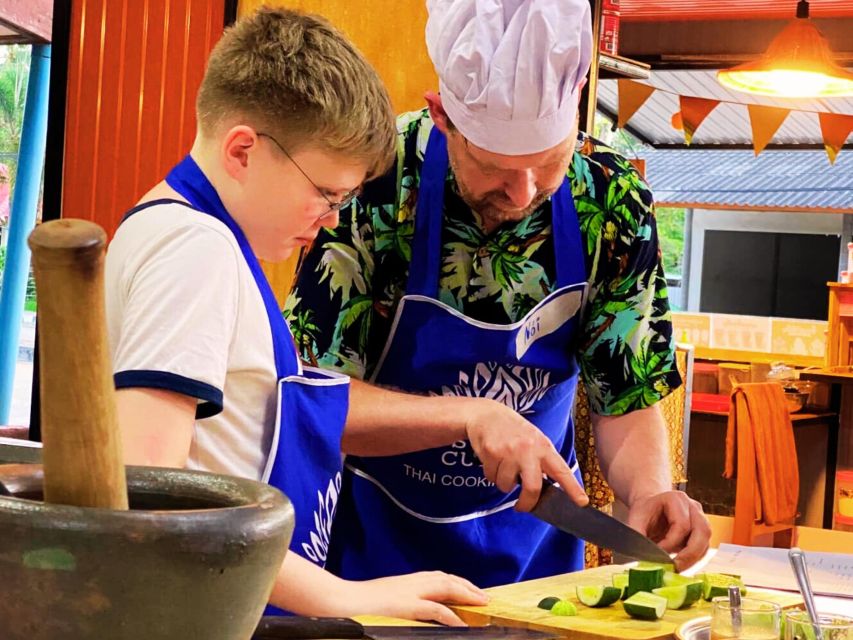
- Hotel pickup and a full day plan built around either lunch or dinner timing
- Local market sightseeing tied directly to what you’ll cook next
- Homemade curry paste and sauces so the flavors make sense
- A menu that changes by day, so you can match your schedule
- Fruit and vegetable carving for a calm, skills-based extra session
- Take-home items: apron, recipe book, and certificates (plus food you can bring back)
What makes this Ko Lanta cooking class feel local
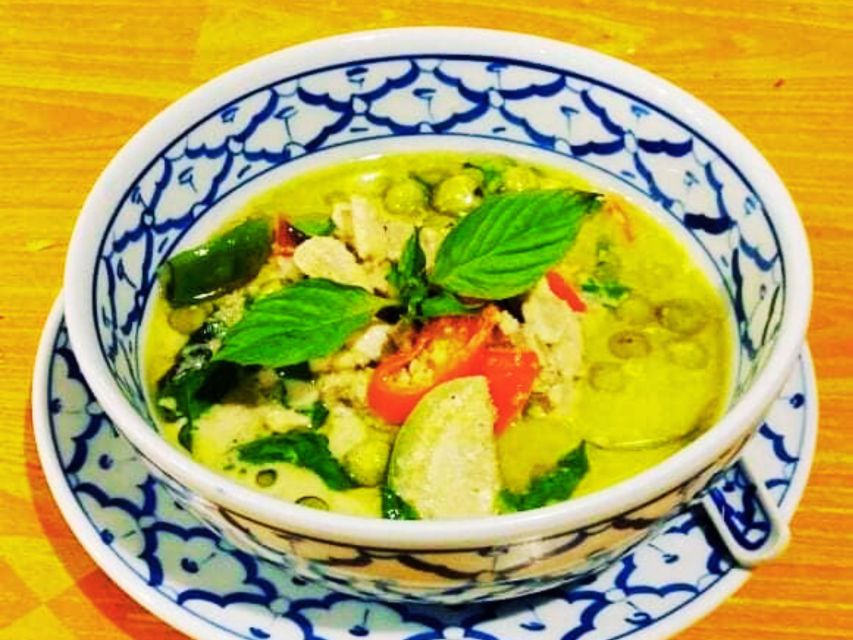
Ko Lanta cooking classes can be either generic or specific. This one leans into the Lanta way of life: you’re not just making Thai food in a vacuum. You start by seeing ingredients in context, then you cook with that same mindset.
The best part is the structure. The experience is split into clear programs that match the rhythm of the island. If you’re a morning person, you’ll enjoy the market walk and lunch class. If you prefer slower afternoons, the dinner cooking program fits better. And if you want an extra skill beyond the stove, the fruit and vegetable carving session is a different kind of fun, still tied to Thai food culture.
The teaching style also matters. In one class, the chef named Chef Pak was described as fun and helpful, with explanations that start at the basics and build toward dish-specific techniques. That combo is ideal on a busy travel day: you get structure without feeling like you’re in a test.
If you’re the type who likes to understand ingredients (not just copy recipes), you’ll likely get a lot out of this. You’ll come away with ideas like what makes Thai curry paste taste the way it does, and why herbs show up where they do.
You can also read our reviews of more tours and experiences in Ko Lanta.
Market tour and lunch: Monday, Wednesday, Saturday (09:00–14:30)
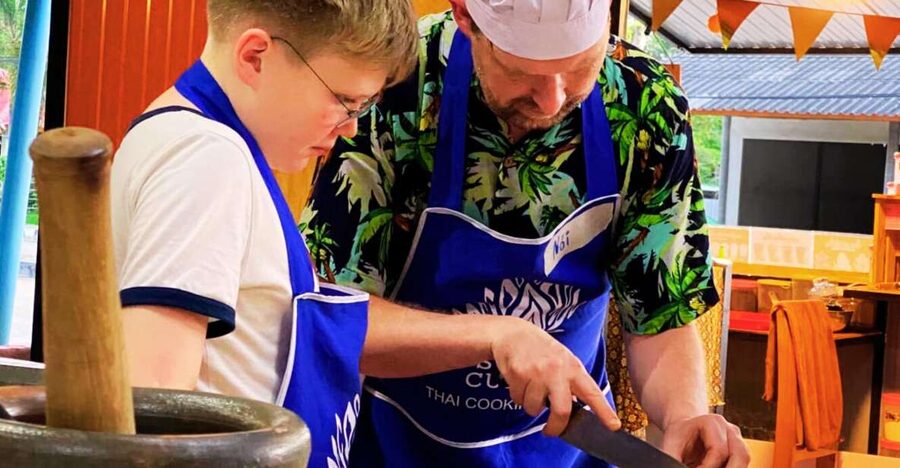
This is the full-on daytime version. You get picked up from your resort at 08:30, then the program begins at 09:00 and runs until 14:30 on Monday, Wednesday, and Saturday.
What makes the market stop worth your time is the connection to cooking. The walk is designed as both sightseeing and practical sourcing. You learn about local products and ingredients that show up in Thai dishes, especially herbs and spices that define the flavor profile. It’s not just wandering with a camera. The market is part of the lesson plan.
Then you move into the kitchen and start cooking the dishes listed for that day. The class menus change, so check the day you’re booking. Here’s what Monday includes, for example:
- Pad Thai
- Goong Hom Sabi
- Tom Kha
- Homemade Pad Thai sauce
- Khao Niew Ma Muang
Wednesday’s menu shifts to different dishes and flavors:
- Gaeng Kiew Wan
- Kanom Pang Na Gai
- Tom Yam Goong
- Homemade green curry paste
- Tub Tim Grob
Saturday again offers a different mix:
- Pad Thai
- Wihok Non Rang
- Tom Jiw Gai
- Homemade Pad Thai sauce
- Khao Niew Ma Muang
Even if you’re new to Thai cooking, the range is a good sign. You’re not only doing one cuisine style. You’ll see sweet, sour, creamy, and spicy elements working together across soups, mains, and desserts.
Practical tip: this lunch-format is a great choice if you want a full experience without turning your evening into a cooking marathon. It’s also a smart option if you’re planning to explore the island afterward, since you’ll be done by the afternoon.
Dinner cooking class: Tuesday, Thursday, Friday (16:00–21:00)
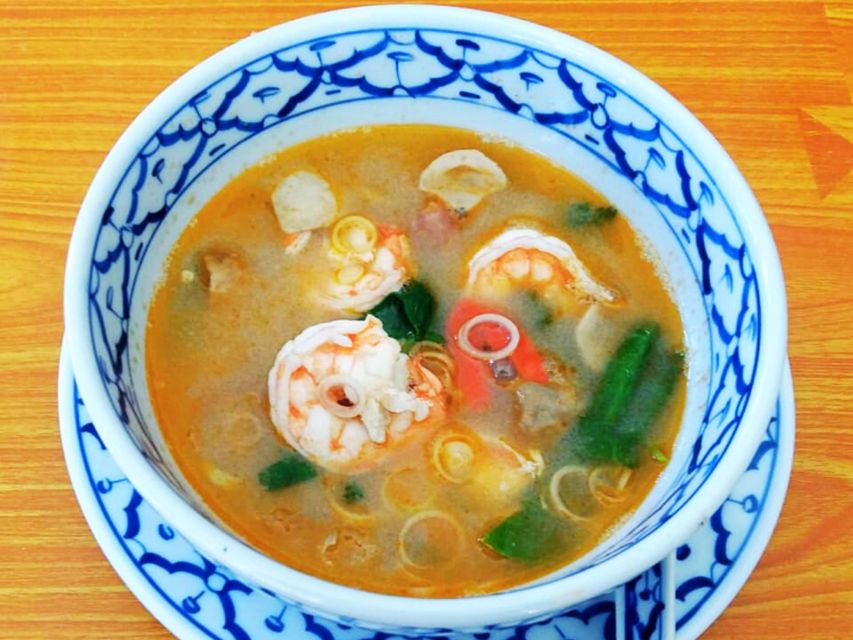
If you’re spending the morning on the beach (or just need a later start), the dinner program fits neatly. You’re picked up at 15:00, the class begins at 16:00, and it runs until 21:00 on Tuesday, Thursday, and Friday.
The dinner class includes extra explanation before cooking. You’ll get background on the history of foods, plus how ingredients, herbs, and spices work in recipes. That matters because Thai flavors can feel mysterious if you only learn by taste. When you understand what an ingredient is supposed to do, you can adjust more easily at home.
The dinner menus again change by day. Tuesday includes:
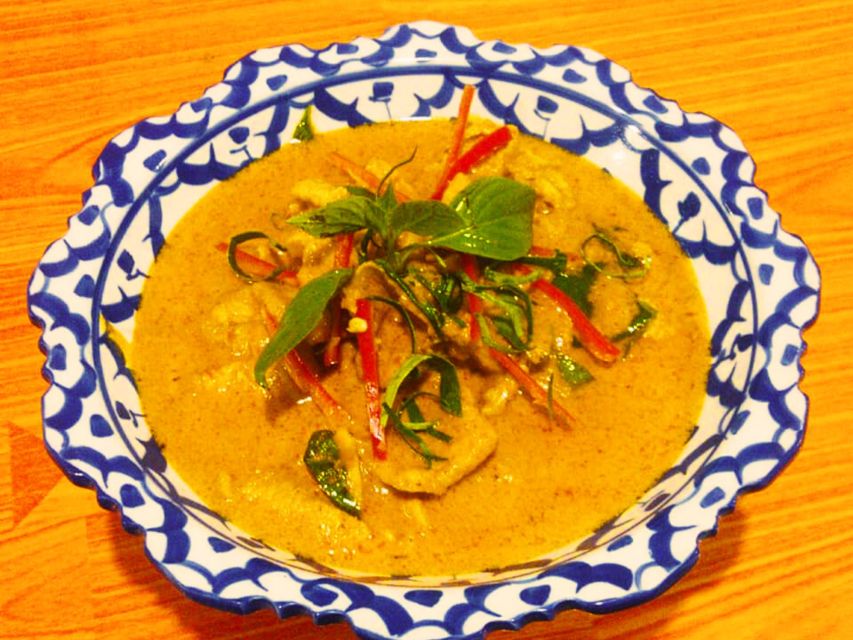
- Homemade Panang curry paste
- Poh Pia Puk Tod
- Khao Pad Subparod
- Gaeng Panang
- Bue Loy Kai wan
Thursday offers:
- Homemade Red curry paste
- Khao Pad Ga Prao Gai
- Toong Tong
- Tom Kha
- Gaeng dang
Friday focuses on Massaman style:
- Homemade Massaman curry paste
- Som Tum Thai
- Gaeng Massaman
- Tom Yum Goong
- Tub Tim Grob
One thing I appreciate about this format is that it’s designed for a full evening, not a quick show. You get the time to learn techniques and actually make dishes, rather than rushing through steps. And the program includes take-home materials: apron, recipe book, and a cooking certificate, plus you can bring some food back to share.
If you’re picky about your timing, this is the schedule to choose. It’s a reliable slot when you don’t want to book something that starts before the heat of midday.
Homemade curry paste and sauces: the skill you’re really buying
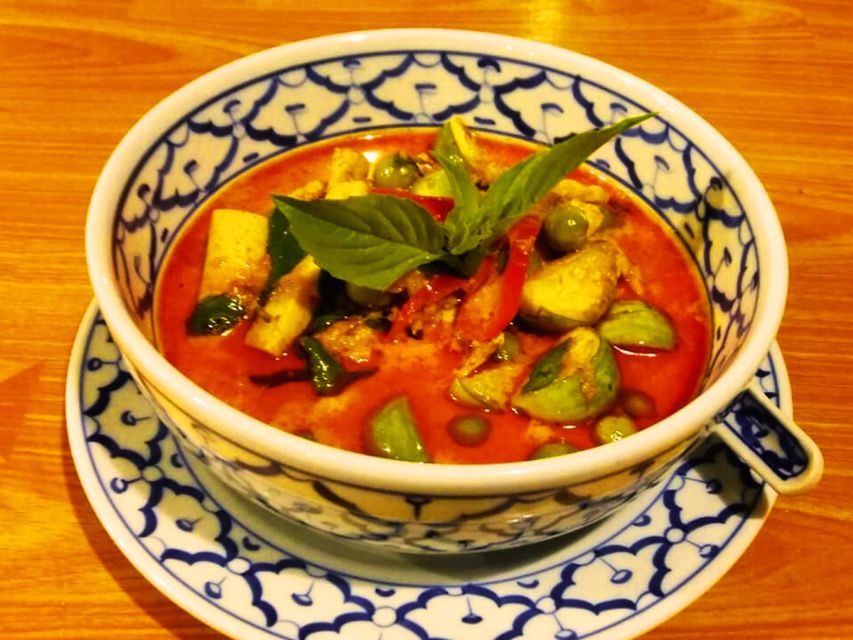
At first glance, the menus look like a list of Thai classics. But the real value here is what you’re learning to build flavor from the ground up.
The programs explicitly include making homemade curry pastes (and in the lunch menu, you’ll also make sauces like the homemade Pad Thai sauce). That’s the part most home cooks struggle with: store-bought paste is convenient, but it doesn’t teach you how the balance works.
When you make the paste yourself, you practice the logic of Thai cooking:
- You handle aromatics and spices in a controlled way
- You learn what changes when certain ingredients are added
- You see how paste becomes the base for curries and other dishes
That’s why the experience is more than a meal. It’s a flavor toolkit.
Also, many Thai dishes rely on more than one flavor role. In your course, you’ll touch soups like Tom Kha and Tom Yum Goong (both coconut/creamy and sour/spicy directions show up), plus mains like Pad Thai and curry-based dishes. That variety helps you stop thinking of Thai food as a single “spicy cuisine” label and start recognizing how each dish is built.
And if you like taking shortcuts, there’s still a win. The recipe book and apron help you keep the process going later. You can use what you learned to guide what you buy back home, even if you’re not measuring every herb exactly the same.
Fruit and vegetable carving (15:00–18:00): a calm, useful extra
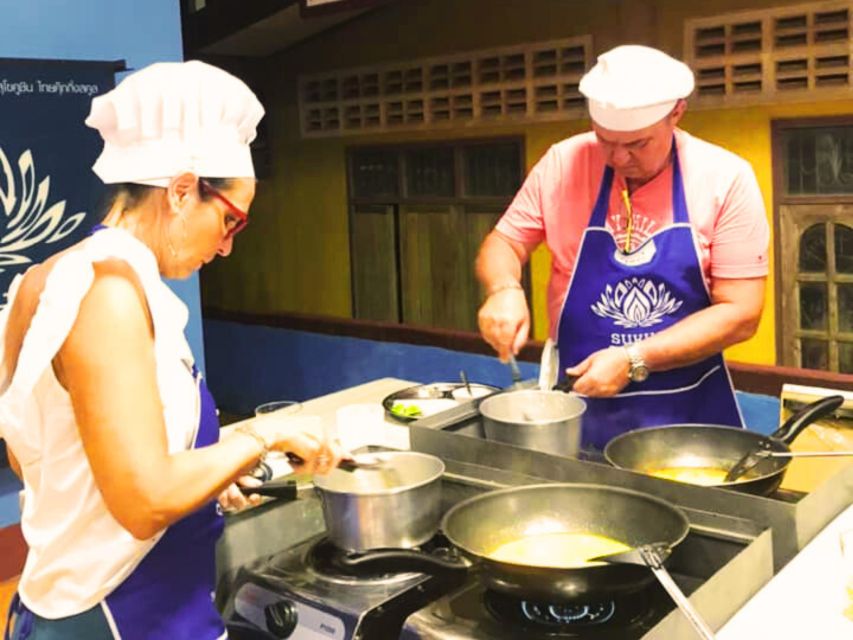
This is a separate add-on session that runs Monday through Saturday, from 15:00 to 18:00. It includes free coffee and tea during the program, and it comes with its own certificate of carving at the end.
If you’ve only seen fruit carving in tourist shows, this class is different. It’s technique training with tools, starting from basics. You’re taught how to use carving equipment and how to carve fruit and vegetables into decorative shapes you can actually recreate.
The real payoff is the mental shift. Carving is slow. You need patience and a delicate touch, and the best results come from taking your time instead of trying to force it. In one description, the teacher highlighted that calm practice matters as much as technique. That’s the kind of skill that transfers outside the kitchen too.
What I also like is that the carving class isn’t only about decorations. Thai food presentation is part of the experience. If you care about making dishes look good, this session gives you a way to add that finishing touch without needing expensive ingredients.
When you’re choosing between the lunch/dinner kitchen class and the carving session, think about what kind of memory you want. The cooking class gives you flavors you can eat. Carving gives you a skill you can do again.
Price and what you’re getting for about $80
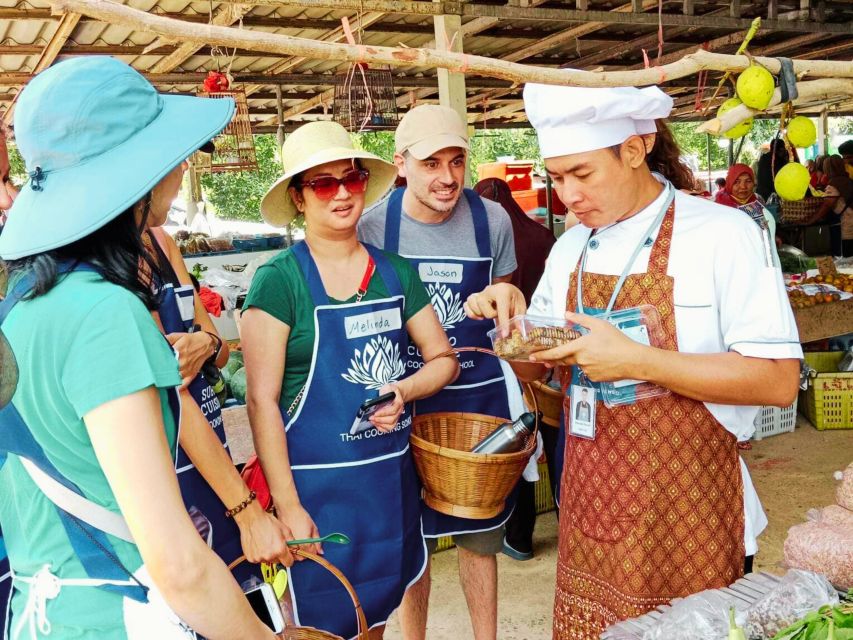
The price is listed at $80 per person. That can sound like a lot until you match it with what’s included and what a typical cooking class usually charges for separately.
Here’s what your money covers:
- Hotel pickup and drop-off
- Welcome drink, snack, coffee, tea, and drinking water
- Apron to take home
- Recipe book and pen
- Cooking certificate (and carving certificate if you do that session)
- Food you cook, and you can bring food back to share
So you’re paying for transportation, teaching time, ingredients used for multiple dishes, and the take-home materials. That’s important in Ko Lanta, where getting to an activity without hassle is half the battle.
Also, the day isn’t short. The lunch program runs from late morning to mid-afternoon, and dinner runs until 21:00. Longer sessions tend to mean more hands-on time, and the menus suggest you’ll get a broad set of dishes rather than repeating one recipe.
If your goal is to learn Thai cooking basics you can repeat, this is better value than a class that only gives you one dish and a photo. If your goal is just to eat, you might consider whether you want the extra work of a market tour and cooking instruction. But if you want the skill and the context, $80 is a reasonable ask.
Who this fits best, and what to watch for
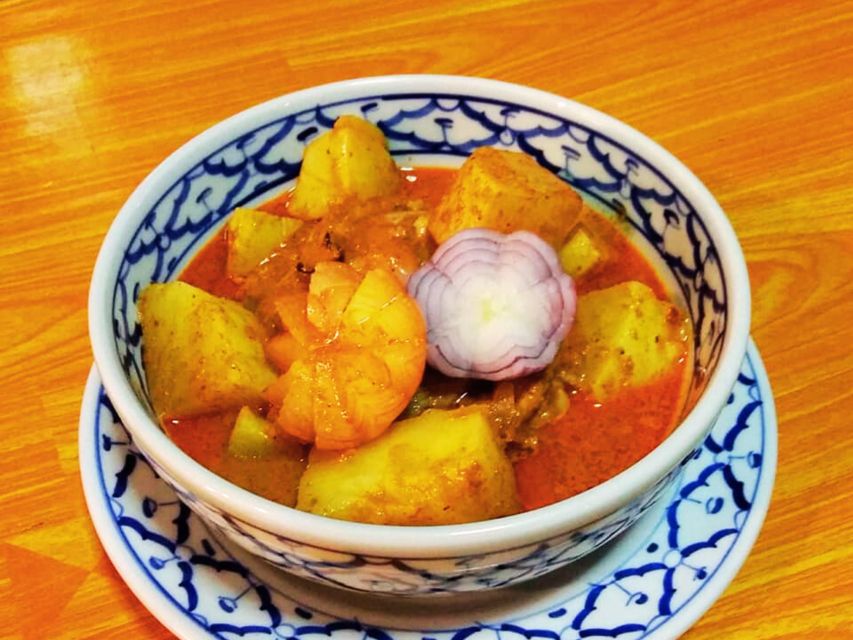
This experience fits best if you:
- Want Thai cooking instruction that starts from ingredients, not only steps
- Like learning flavors through the logic of curry paste, herbs, and spices
- Prefer a structured day with pickup included
- Want take-home tools, not just a one-time meal
It’s also a good match if you’re traveling with someone who learns differently. Cooking gives one person the kitchen experience. Carving gives the other a creative, calmer challenge with its own certificate.
What to watch for:
- Certificates: one participant noted they didn’t receive a certificate as described. I’d still expect them, but don’t let it ruin your day if the paper is delayed.
- Day-specific menus: Monday, Wednesday, Saturday (lunch) and Tuesday, Thursday, Friday (dinner) each have different dishes. Pick the day that matches the dishes you’re excited about.
- Timing: lunch ends at 14:30, while dinner goes to 21:00. Plan your other island activities around the finish time.
Language-wise, the class runs in English and Thai, which is a big deal for confidence. You won’t have to rely on guesswork to understand why a technique matters.
Should you book Ko Lanta Thai Cooking Class with Market Tour and Dinner?
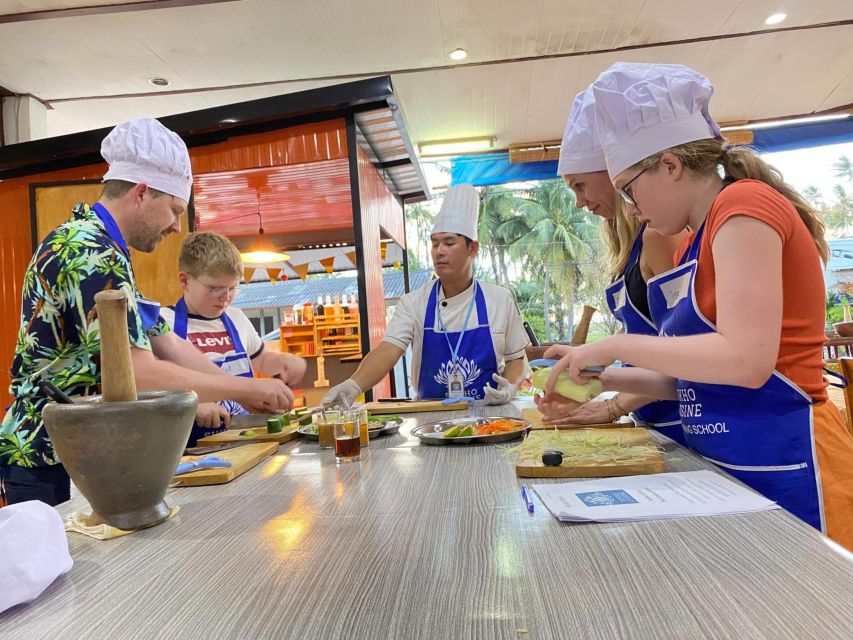
I’d book it if you want a Thai cooking experience that treats ingredients as the story. The market tour component, the focus on herbs and spices, and the homemade curry paste/sauce element all point to real learning. And the add-on fruit carving gives you something memorable beyond the stove.
Skip it only if you’re looking for a quick, casual meal with no instruction. This program is built for people who want to cook, understand, and then recreate. If that sounds like you, this class is a solid way to spend a day in Ko Lanta.
FAQ
FAQ
How long is the market tour and lunch program on Ko Lanta?
The market tour and lunch program runs from 09:00 to 14:30, with hotel pickup from your resort at 08:30. It operates on Monday, Wednesday, and Saturday.
What is included with the market tour and lunch class?
You get hotel pickup and drop-off, a welcome drink, snack, coffee, tea, drinking water, a take-home apron, a recipe book with pen, and a cooking certificate. The class also includes cooking several Thai dishes specific to the day.
Which dishes are cooked on Monday for the market tour and lunch option?
Monday’s menu includes Pad Thai, Goong Hom Sabi, Tom Kha, a homemade Pad Thai sauce, and Khao Niew Ma Muang.
When does the dinner cooking program run, and which days are available?
The dinner cooking program starts with pickup at 15:00 and begins at 16:00, running until 21:00. It operates on Tuesday, Thursday, and Friday.
What dishes are included in the Tuesday dinner program?
Tuesday’s dinner menu includes homemade Panang curry paste, Poh Pia Puk Tod, Khao Pad Subparod, Gaeng Panang, and Bue Loy Kai wan.
Is there a fruit and vegetable carving class?
Yes. The fruit and vegetable carving class runs from 15:00 to 18:00 and is available Monday through Saturday. It includes carving equipment instruction, free coffee and tea, and a certificate of carving.
What take-home items do I receive after the cooking class?
You receive a take-home apron, a recipe book and pen, and a certificate of cooking. You may also bring back food to share with friends or family.
What languages are the classes taught in?
The classes are offered in English and Thai.
Is reserve & pay later available, and can I get a refund if I cancel?
The experience offers reserve & pay later. It also allows cancellation up to 24 hours in advance for a full refund.