REVIEW · SEOUL
Seoul: Korean Kimchi Cooking Class in the Heart of the City
Book on GetYourGuide →Operated by Secret Food Tours · Bookable on GetYourGuide
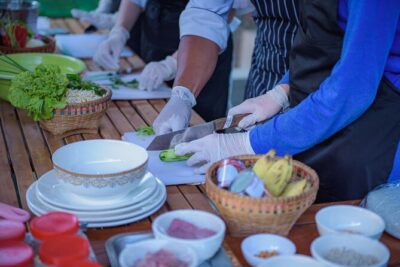
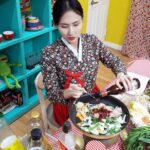
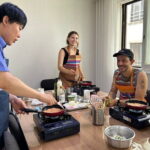
Kimchi is easier when someone shows the steps. This Seoul cooking class takes you to a 3rd-floor kitchen near Gyeongbokgung Palace, where you learn how fermentation works and how to balance bold flavors with calm ones. The format is simple: hands-on cooking, short explanations, and a big focus on what you can actually recreate at home.
In This Review
- What I Like Most: Skill, Not Just Recipes
- One Consideration Before You Go
- Key Things to Know Before You Cook
- Finding the Kitchen Near Gyeongbokgung Palace (and What the Directions Mean)
- How You Learn Kimchi: Fermentation Secrets and Real Flavor Rules
- Cabbage Kimchi Pancake (Kimchi-buchimgae): Crispy Edges with Umami Built In
- Radish Kimchi (Kkakdugi) and the Bacon Egg Stir-Fry Rice: Crunch to Comfort
- White Kimchi (Baek-kimchi) with Broth and Noodles: A Gentler Side of Kimchi
- The “Secret Dish” Plus Tasting Extras: Cheese, Eggplant, and Lemon-Sweet Notes
- Price and Time: Why $86 for 2 Hours Can Still Be Good Value
- Who This Cooking Class Suits Best (and Who Might Want Another Option)
- From Class to Kitchen: What You Can Do After 2 Hours
- Should You Book This Seoul Kimchi Class?
- FAQ
- What dishes will I cook in the class?
- Is the class in English?
- Where is the meeting point?
- What drinks are included?
- Are dietary requirements handled?
- Is it wheelchair accessible?
What I Like Most: Skill, Not Just Recipes
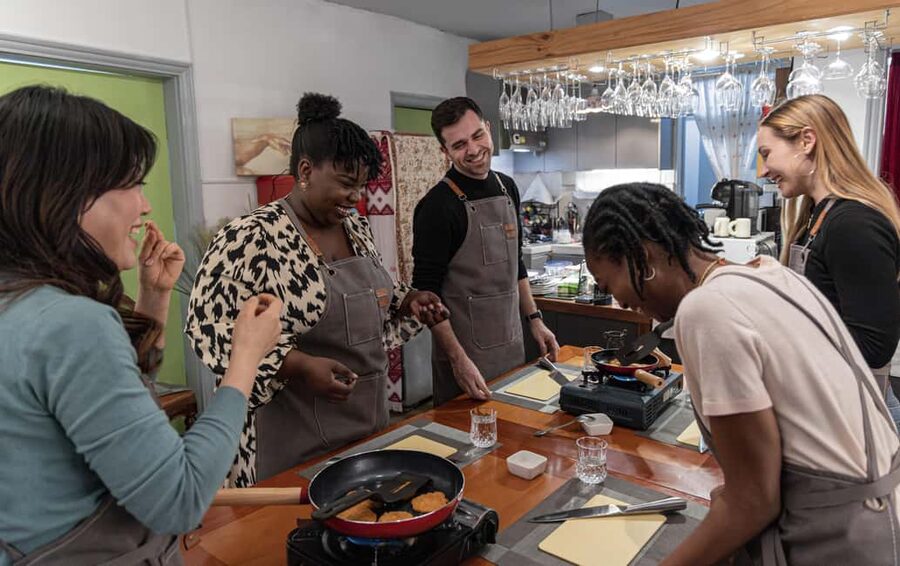
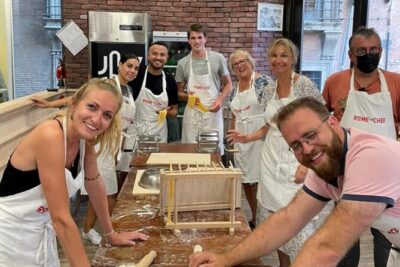
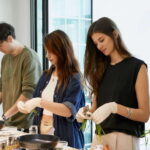
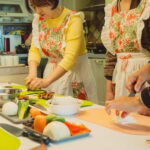
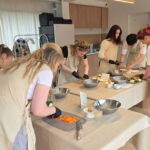
I like that you make three different kimchi-based dishes, not just one. Pancake, radish kimchi, and a cooler white kimchi dish all teach different parts of the kimchi story, from texture to spice level to how it plays with other flavors. I also like the small-group size, limited to 8 participants, which keeps the class relaxed and helps you get answers when you get stuck.
One Consideration Before You Go
The biggest catch is mobility. The experience is not suitable for wheelchair users or guests needing special assistance, so plan for stairs and a compact working space.
You can also read our reviews of more tours and experiences in Seoul.
Key Things to Know Before You Cook
- Near Gyeongbokgung Palace, with a meeting point you can reach easily from Gyeongbokgung Station (Exit 2).
- You’ll learn the practical “how” behind fermentation and flavor balancing, not just a checklist of ingredients.
- Three kimchi dishes cover crunchy, crispy, and gentle styles, plus pairing with a full meal.
- There’s always a Secret Dish included, which keeps the tasting part fun and unpredictable.
- The class is led in English and designed for all cooking levels, from beginner to returning home cook.
Finding the Kitchen Near Gyeongbokgung Palace (and What the Directions Mean)
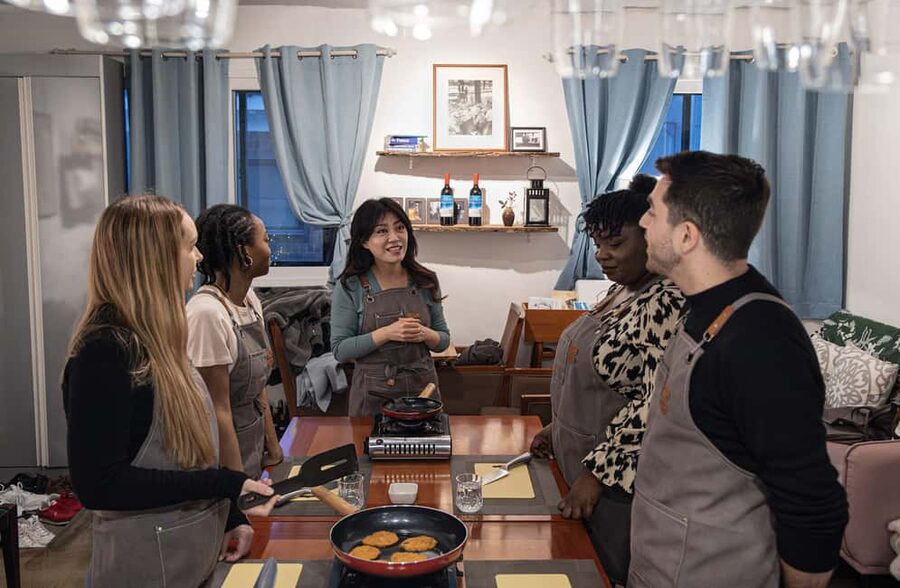
This class starts in central Seoul, in Jongno District, close to the area most people use as a landmark: Gyeongbokgung Palace. Your meeting point is on the Third floor at 36 Jahamun-ro 7-gil, Jongno District, Seoul, inside a building with Cuisine La Cle on the ground floor.
The directions are straightforward, and I recommend using them exactly as written so you don’t lose time:
- From Exit 2 of Gyeongbokgung Station, walk straight about 200 meters until you see Woori Bank.
- Turn left.
- Walk past the bar Cham.
- Head to the destination on the 3rd floor of the building with Cuisine La Cle on the 1st floor.
One practical note: there’s no pickup or dropoff included. That actually makes the timing better for you if you like to wander on foot, but it means you should build in a few extra minutes for finding the exact building and going up to the Third floor.
How You Learn Kimchi: Fermentation Secrets and Real Flavor Rules
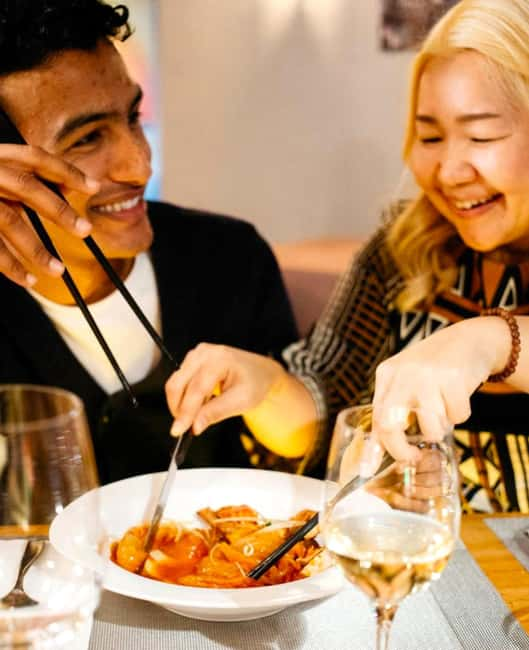
A big reason this class is worth your time is the way it teaches you kimchi as a system. You don’t just chop ingredients and call it a day. You’ll hear explanations about:
- Fermentation and why it changes taste and texture over time
- How to balance flavors that can feel intense on their own
- How to pair kimchi with other foods so it works as part of a full meal
What you end up with is practical knowledge you can transfer. Even if you never cook all three dishes again, you’ll understand how kimchi behaves in different settings: crisp and salty in a pancake, crunchy and savory in stir-fry, and gentler in a white kimchi broth.
You also get a chance to learn about local ingredients and how to find similar ones in your own city later. That matters because the most common home-cooking failure is not technique, it’s sourcing.
And yes, there’s a hand-washing moment before you start cooking. It sounds small, but it helps the class feel organized and calm from the start.
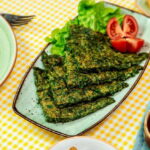
Cabbage Kimchi Pancake (Kimchi-buchimgae): Crispy Edges with Umami Built In
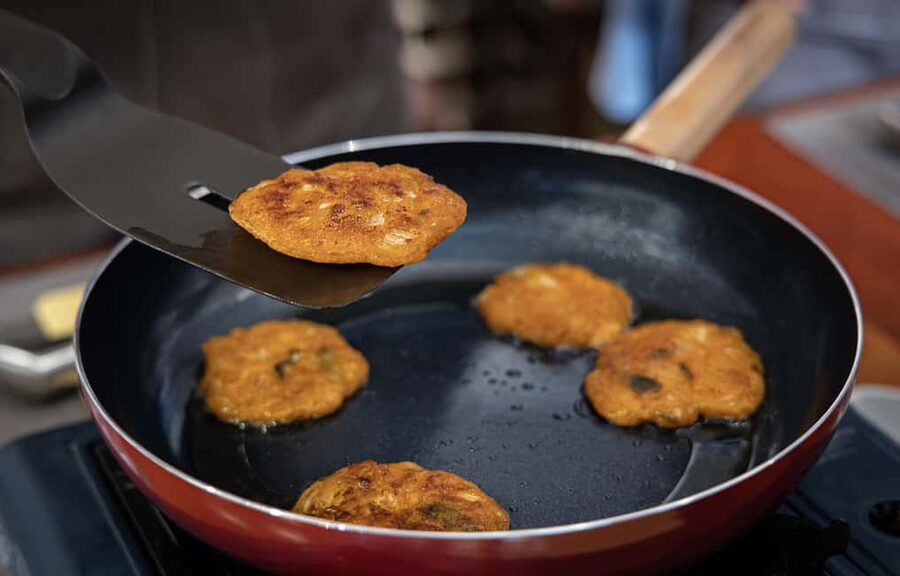
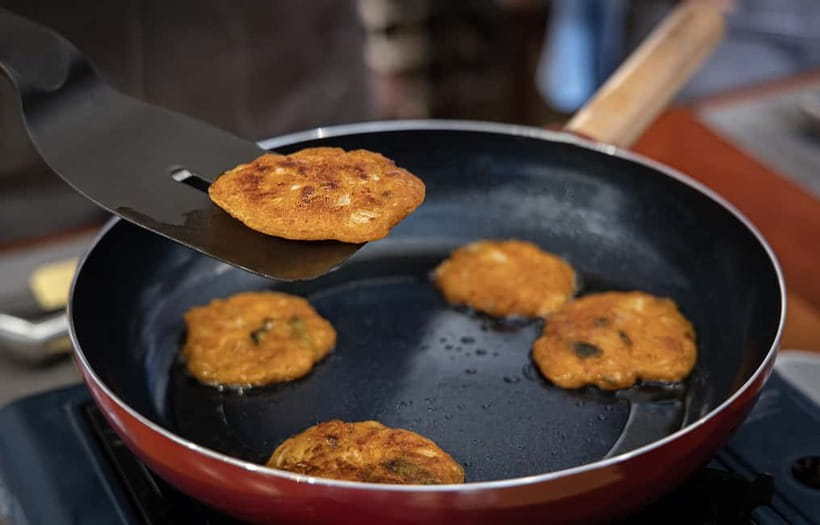
Your first dish is Kimchi-buchimgae, a cabbage kimchi pancake. This is one of those foods that teaches you a lot quickly because the whole dish depends on the interplay between batter, heat, and the fermented flavor inside the kimchi.
What makes this one special is the goal:
- Crispy, savory pancake texture
- Packed with the umami from fermented cabbage kimchi
You’ll learn how to work with kimchi so it cooks through without turning into a soggy mess. That’s a core skill. When you understand how to control that balance, you can adapt the same idea to other savory pancakes and pan-fried snacks later.
If you’re a beginner, this is a friendly entry point because the dish has clear cues: sizzling pan, batter consistency, and how the kimchi releases flavor as it heats.
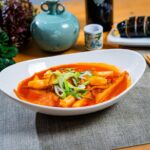
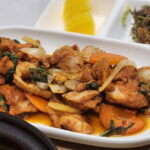
Radish Kimchi (Kkakdugi) and the Bacon Egg Stir-Fry Rice: Crunch to Comfort
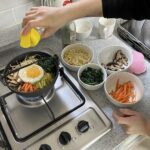
Next up is Kkakdugi, radish kimchi. The class treats this as both a dish in its own right and a springboard to a larger meal.
You’ll master the radish kimchi style that’s known for:
- Crunch
- Bright flavor
- The way fermentation changes its character
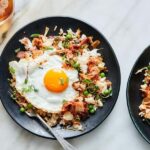
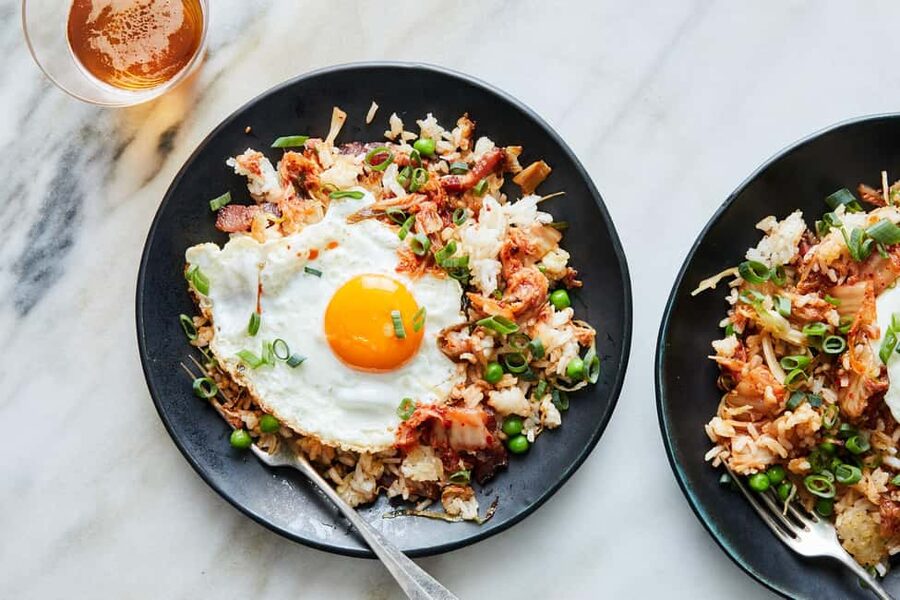
Then you use that radish kimchi to create a hearty stir-fried rice dish with bacon, topped with a golden, perfectly cooked egg. This part matters because it shows you how kimchi can be more than a side. It becomes a cooking ingredient that seasons the whole pan.
There’s also mention of a classic stir-fry with seasonal vegetables as part of what you prepare and eat. Even if the exact vegetable lineup can change with availability, the lesson stays the same: you’re practicing kimchi as a flavor engine that works with other textures, not only with its own sour heat.
If you like food that feels comforting but not boring, this section is likely to be your favorite. It’s the closest thing in the class to a full Korean home-dinner plate.
White Kimchi (Baek-kimchi) with Broth and Noodles: A Gentler Side of Kimchi
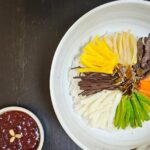
For your third dish, you make Baek-kimchi, white kimchi. This is the non-spicy variation, served with a delicate broth and noodles.
This section does two valuable things:
- It teaches you that kimchi is not only about heat.
- It shows how texture and acidity shift when the kimchi style changes.
White kimchi tends to feel lighter on the palate than many spicy versions. In a class, that matters because it resets your taste buds between richer items like pancakes and stir-fry. It also gives you a contrast you can remember when you cook later.
Think of it as your built-in palate trainer. Once you taste both the crisp savory and the gentler broth style, you’ll be better at deciding when to use kimchi for punch and when to use it for balance.
The “Secret Dish” Plus Tasting Extras: Cheese, Eggplant, and Lemon-Sweet Notes
This experience includes a fun wildcard: a Secret Dish that’s always part of the program. You shouldn’t expect the same thing every time, but you can expect it to fit the theme of kimchi cooking and Korean food culture.
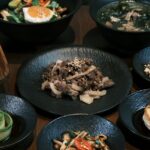
In addition to the three dishes you cook, the highlights include sampling:
- Cheeses
- Eggplant parmigiana
- Lemon amaretti cookies
That list might sound like it belongs to a casual café menu, but the point here is variety. You’re not just repeating one flavor profile all night. You get salty, savory, and sweet notes, plus a bit of Western-style familiarity through items like parmigiana and amaretti. It’s a way to keep your taste buds interested while the class stays focused on kimchi.
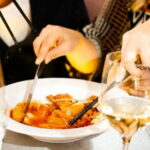
You’ll also enjoy a drink with your meal. Makgeolli (Korean rice wine) is included, and there’s an alcohol-free drink option as well. Just keep the rule in mind: the legal minimum age for drinking alcohol is 18.
Price and Time: Why $86 for 2 Hours Can Still Be Good Value
At $86 per person for a 2-hour class, you’re paying for more than ingredients. You’re paying for:
- An instructor-led structure in English
- Hands-on guidance while you cook (which is where most cooking classes win or lose)
- Limited class size (up to 8 people), which usually means more attention
- Multiple dishes and an included drink
- A full tasting component with the secret dish
If you were only making one dish, it might feel steep. But here you’re learning three cooking formats and seeing kimchi used in different roles: pan-fried, stir-fried, and served in a broth noodle setup.
So the value comes from scope. You leave with a broader kimchi toolkit than you’d get from a quick demo-style experience.
Who This Cooking Class Suits Best (and Who Might Want Another Option)
This is a great fit if you:
- Want a hands-on activity near major sights like Gyeongbokgung
- Are curious about how kimchi changes in different dishes
- Prefer small classes where you can ask questions
- Cook at home and want repeatable technique, not just a meal
You’ll also like it if you’re an intermediate home cook who wants Korean fermentation and pairing logic. The class is described as working for all levels, and the structure supports beginners without slowing down the people who want to learn fast.
The main mismatch is mobility. The experience isn’t suitable for guests with wheelchairs or those needing special assistance. Also remember it’s a Third-floor meeting point and there’s no pickup.
From Class to Kitchen: What You Can Do After 2 Hours
A good cooking class should change how you shop and cook, not just how you eat that night. This one pushes you toward that.
Here’s what you can carry forward:
- A mental model for fermentation flavor and how it intensifies
- How kimchi behaves in heat-driven cooking (pancakes and stir-fry)
- How to use kimchi as a key ingredient, not only a side condiment
- Practical awareness of ingredient swaps and what you might find in your own city later
Also, you’ll likely remember the taste contrast between the three dishes. Cabbage pancake gives you crisp umami. Kkakdugi-based stir-fry shows crunchy depth. Baek-kimchi and broth gives you a gentler, cool-down option. That trio is a strong “map” for future meals.
If you like cooking experiments, this class gives you permission to vary style and spice level instead of chasing only one kind of kimchi.
Should You Book This Seoul Kimchi Class?
I’d book it if you want a short, focused food experience near Gyeongbokgung that teaches you how kimchi works in multiple Korean dishes. The small group size, the English instruction, the hands-on cooking, and the included drink plus tasting make the $86 price feel more reasonable than it might at first glance.
Skip it if mobility is a concern, since it’s not set up for wheelchair users or guests who need special assistance. Also, if you have dietary needs, contact the organizer in advance so they can cater appropriately.
If your goal is to leave Seoul with real technique you can repeat at home, this is a smart use of two hours.
FAQ
What dishes will I cook in the class?
You’ll prepare three kimchi-based dishes: cabbage kimchi pancake (Kimchi-buchimgae), radish kimchi (Kkakdugi) used to make a stir-fried rice dish with bacon and topped with an egg, and white kimchi (Baek-kimchi) served with delicate broth and noodles.
Is the class in English?
Yes. The instructor is listed as English.
Where is the meeting point?
The meeting point is at the Third floor, 36 Jahamun-ro 7-gil, Jongno District, Seoul. From Gyeongbokgung Station Exit 2, walk about 200m to Woori Bank, turn left, pass by Cham bar, and look for the destination on the 3rd floor of the building with Cuisine La Cle on the 1st floor.
What drinks are included?
Makgeolli (Korean rice wine) is included, and there is also an alcohol-free drink option. The legal minimum age for drinking alcohol is 18.
Are dietary requirements handled?
The experience notes that you should contact them in advance for any dietary requirement so they can cater as best as possible.
Is it wheelchair accessible?
The information provided states it is not suitable for wheelchair users or people with mobility impairments, and they regret they are unable to accommodate guests with wheelchairs or any impairments requiring special assistance.