REVIEW · FUKUOKA
Fukuoka Japanese Home Cooking: Ginger Pork
Book on Viator →Operated by byFood · Bookable on Viator
Real home cooking, right in Fukuoka. I love the hands-on focus on ichijiu-sansai and the chance to learn how ginger pork fits into a full home-style meal. One more thing I really like is that the class builds flavor the practical way, using dashi-based miso soup as the foundation for umami.
One consideration: this is a small setup and you need to be on time at the meeting point, since transportation to the home is not included.
In This Review
- Key highlights before you go
- Fukuoka home cooking that feels like a real visit
- Price and value for a 3-hour small-group cooking class
- The meeting point at Futaba Senior High School (and why it matters)
- What you cook: the ichijiu-sansai set meal
- Dashi-based miso soup: where the umami lesson starts
- Ginger pork: the main dish you’ll actually master
- Kakiage tempura: crispy texture, Japanese-style frying focus
- Green vegetable sesame dish: comfort food flavor, Japanese way
- Karashi mentaiko with hot rice: the local finishing touch
- Eating together: coffee, dessert, and the human side
- Group size, pace, and what to expect from the kitchen flow
- Practical tips so you get more from the class
- Who this cooking class is best for
- Should you book Fukuoka Japanese Home Cooking: Ginger Pork?
- FAQ
- What dishes are included in the class?
- How long is the experience?
- How much does it cost?
- Where do I meet for the experience?
- Is transportation to and from the home included?
- Is alcohol provided during the meal?
- What’s the group size limit?
- Can I cancel for a full refund?
Key highlights before you go
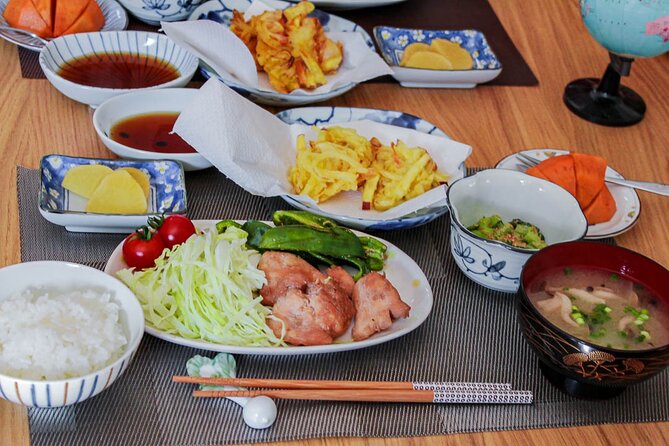
- Ichijiu-sansai structure: one soup plus three dishes, so you eat a balanced Japanese home meal, not just one item
- Dashi-based miso soup practice: learn how umami comes together at the start, then carries through the rest of the cooking
- Hands-on ginger pork: you cook the centerpiece dish, not just watch
- Kakiage tempura + sesame vegetable dish: expect both crispy and savory-sesame flavors on the same table
- Karashi mentaiko with hot rice: a local, spicy-salty pairing that makes the meal feel properly regional
- Small group size (max 4): you get a calmer, more personal kitchen experience, not a crowded class
Fukuoka home cooking that feels like a real visit
If you like the idea of Japanese food, but you want to understand how it’s actually put together at home, this class is a smart choice. You’ll work in a genuine Japanese home in Fukuoka and cook a full set meal: one soup and three dishes, the classic ichijiu-sansai rhythm.
The big win here is that you’re not just learning recipes. You’re learning a way of thinking about flavor. The class starts with the miso soup built on dashi. That matters because dashi is the backbone that makes so many Japanese flavors taste rounded instead of flat. Once you understand that base, the rest of the meal starts to click.
The meal itself is also well chosen for first-timers and foodies alike. You’ll make ginger pork, a crispy kakiage tempura, and a savory green vegetable sesame dish, then round things out with karashi mentaiko served with hot rice. After that, you’ll get coffee and dessert to finish like a proper home meal.
Price and value for a 3-hour small-group cooking class
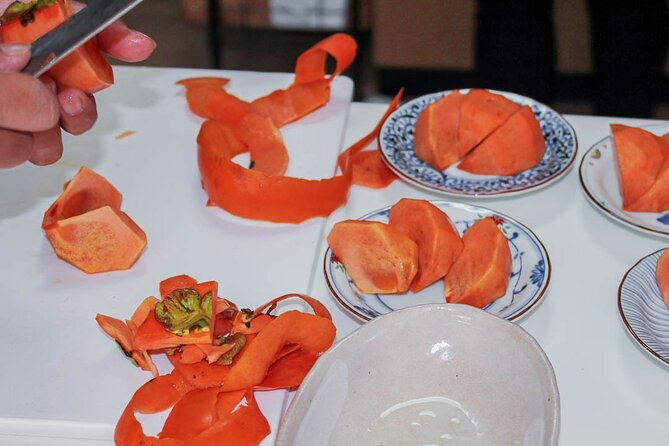
The cost is $79.21 per person for about 3 hours. On paper, cooking classes can look expensive. Here’s why this one can still feel like good value.
You’re getting:
- All ingredients and cooking tools
- An apron, mini towel, and recipes
- Tips and tricks from a Japanese home cook
- A full meal you help prepare
- Coffee and dessert after you eat
The value angle is less about the final food alone and more about what’s included. When you’re paying this kind of price, what you’re really buying is guidance and a complete meal experience in someone’s home kitchen. With a maximum of 4 travelers, you’re also less likely to get rushed or stuck waiting your turn.
You should also consider what’s not included: alcohol isn’t provided, and transportation to and from the home isn’t included. If you want to make it seamless, plan your route ahead of time and treat this as a focused experience at one location.
The meeting point at Futaba Senior High School (and why it matters)
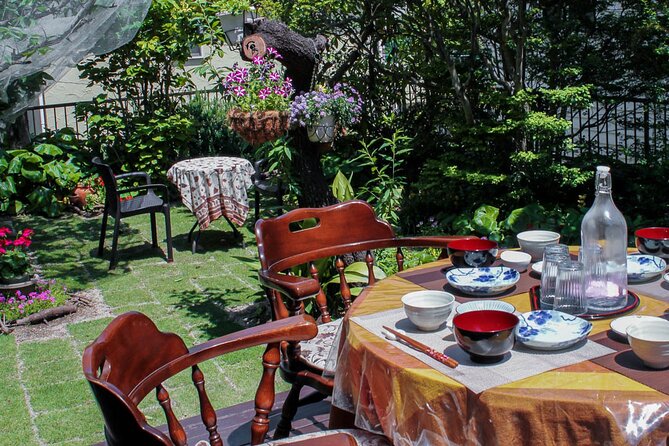
You meet at Fukuoka Futaba Senior High School, at 7-1 Goshogadani, Chuo Ward, Fukuoka, 810-0027. The start time is 10:30 am, and the activity ends back at the meeting point.
The practical tip: go to the north gate of the high school, on the side of Fukuokafutabagakuen Zentenkogata Field. Showing up a few minutes early is worth it. In a small class, one late person can throw off the kitchen flow, so being punctual is not just polite, it helps you enjoy the whole session.
This experience is described as near public transportation, which is good news if you don’t want to rely on a taxi. Still, since transportation isn’t included, you’ll want to confirm your easiest route to that specific high school gate.
Also note: you’ll receive a confirmation within 48 hours of booking (subject to availability), and you’ll have a mobile ticket.
What you cook: the ichijiu-sansai set meal
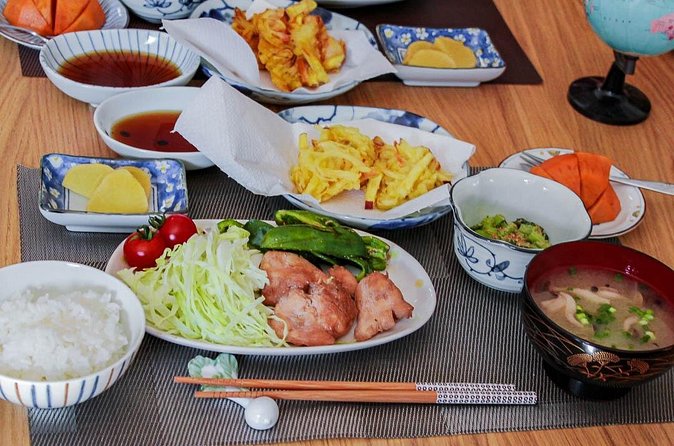
The class is built around ichijiu-sansai, which is one soup plus three dishes. That’s a useful structure because it mirrors how many Japanese home meals are organized. Instead of cooking random items, you build a coordinated plate where each part has a job.
From the menu, you can expect:
- Hearty miso soup based on dashi
- Ginger pork
- Kakiage tempura (crispy, fried)
- Savory green vegetable sesame dish
- Karashi mentaiko paired with hot rice
- Coffee and dessert after the meal
This combo is especially good for a first cooking class because it covers flavors and textures you’ll actually recognize in Japanese restaurants, but it also teaches you how home cooks keep things balanced.
Dashi-based miso soup: where the umami lesson starts
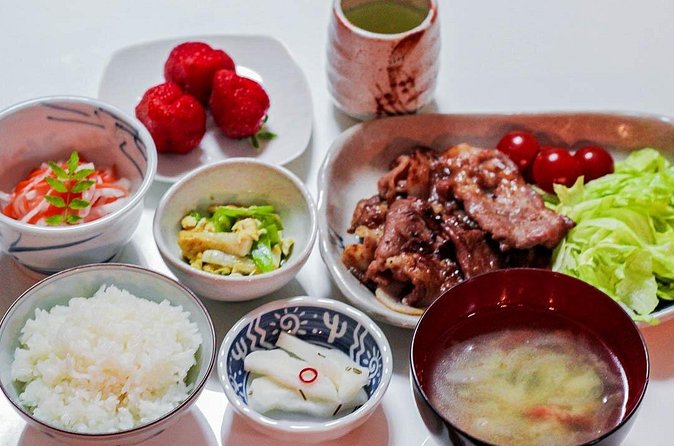
You’ll start with miso soup made on a dashi base. This is where the class earns its keep, because it’s not just about tasting soup—it’s about learning how umami shows up in everyday cooking.
In Japanese cooking, dashi is often treated like a quiet helper. It brings depth and makes ingredients taste more “whole.” Once you practice that foundation, the rest of your dishes won’t taste disconnected. Even if you’ve had miso soup before, learning the base process tends to make it easier to reproduce at home later.
A practical benefit for you: soup is usually the most forgiving thing to learn in a class. It sets the tone, gets you comfortable in the kitchen, and gives you a flavor reference point before the frying starts.
Ginger pork: the main dish you’ll actually master
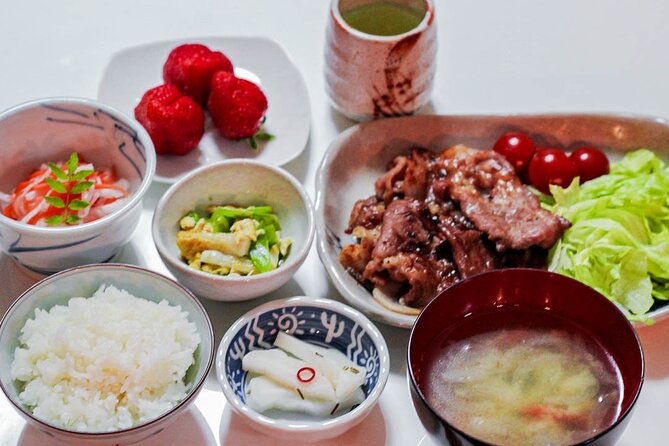
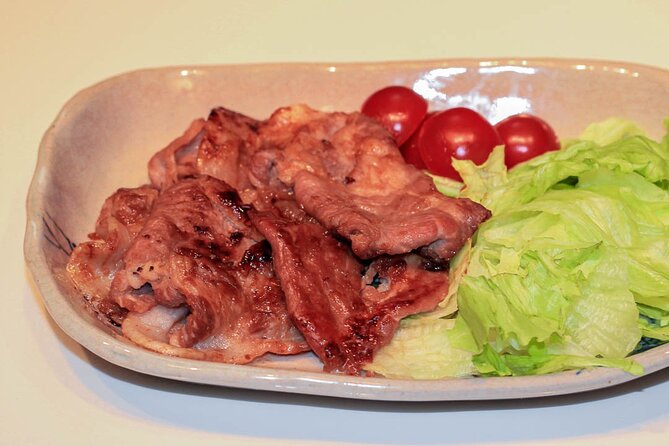
Then comes the centerpiece: ginger pork. Ginger pork is a classic because ginger does two things at once. It adds brightness, and it also helps cut through the richness of pork fat, so the flavor stays lively instead of heavy.
In a home cooking class, this kind of dish is the right choice. It gives you a real technique to learn (how the seasoning and pork work together), and it’s also a dish that many people can’t cook confidently without practice. By the time you sit down to eat, you’ll understand why ginger-forward flavors taste so good with plain rice.
If you want a souvenir you can recreate later, ginger pork is the one that most often turns into a repeat recipe after a trip.
Kakiage tempura: crispy texture, Japanese-style frying focus
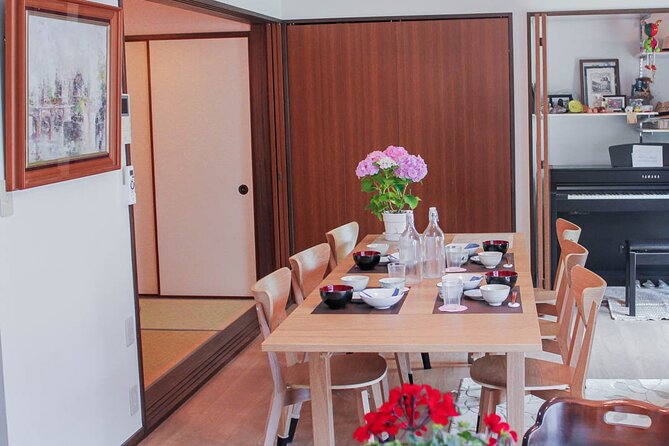
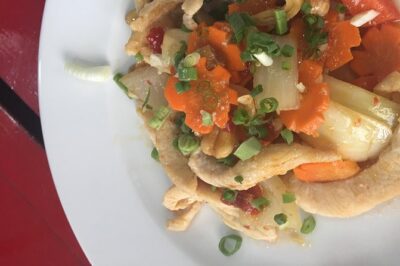
One of the dishes is kakiage tempura, which is a style of tempura where ingredients are combined and fried to make a crispy, crunchy bite.
Frying is the part of cooking that many people feel least confident about at home. So the value here is not only the food you eat, it’s the know-how you pick up about timing and texture.
The likely payoff for you is texture recognition. When you eat it, you’ll be able to tell the difference between properly crisp tempura and tempura that turns soft too fast. That’s the type of practical cooking memory that sticks.
Also, tempura on the menu helps balance the meal. You’ve got savory soup, ginger-seasoned pork, sesame vegetables, and then crispy tempura, so the table has contrast, not just similar flavors.
Green vegetable sesame dish: comfort food flavor, Japanese way
You’ll also make a green vegetable sesame dish. This is the kind of dish that signals Japanese home cooking. It’s not loud, but it’s satisfying.
Sesame brings a nutty depth that feels comforting. Paired with green vegetables, it adds savory richness without turning heavy. This matters because it keeps the meal balanced against the richer items like pork and tempura.
If you’re a vegetable lover, you’ll appreciate how the dish uses simple building blocks to make the vegetables taste more interesting. If you’re not a vegetable person, this is also a good chance to see how Japanese cooking makes greens taste friendlier.
Karashi mentaiko with hot rice: the local finishing touch
The class doesn’t stop at cooked dishes. You also get to enjoy karashi mentaiko with hot rice.
This is one of those regional touches that helps the whole meal feel like it belongs in Fukuoka. Karashi mentaiko brings heat and a salty, briny punch that turns plain rice into something you actually want to keep eating. It also gives you a different kind of umami than soup—more concentrated, more savory, and very addictive with rice.
For your meal planning, think of it like this: tempura gives crunch, sesame gives comfort, ginger pork gives brightness, and karashi mentaiko gives that punch that makes the whole set meal memorable.
Eating together: coffee, dessert, and the human side
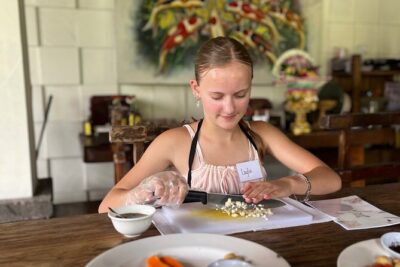
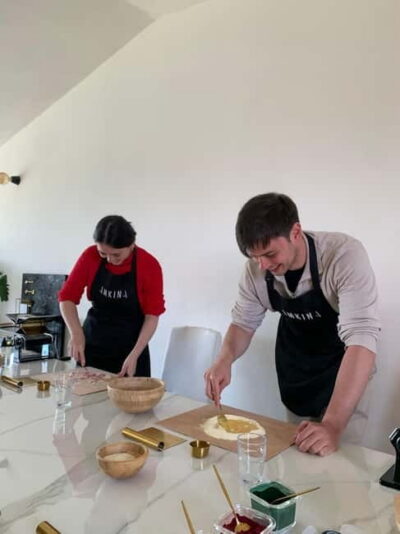
In the end, you’ll eat what you helped make. The experience also includes coffee and a dessert, which is a nice home-meal finish rather than a rushed end to the class.
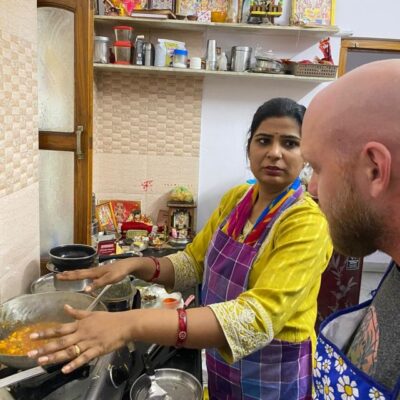
From the way the experience is described, a big part of what makes it special is the hosts. The class is run by a Japanese couple, and the tone sounds relaxed and welcoming. People mention enjoying conversation as much as the food, and that makes sense: when you’re invited into a home kitchen, you’re not just taking instructions. You’re sharing the meal.
For you, that matters because cooking classes can sometimes feel mechanical—watch, stir, plate, leave. Here, the small group size and home setting help the experience feel like a real visit.
Group size, pace, and what to expect from the kitchen flow
The group is capped at 4 travelers. That’s a huge practical detail. Smaller groups usually mean:
- Less waiting around while others cook
- More chances to ask questions
- A calmer pace when frying or seasoning
- A better chance to learn the why, not just the what
The total time is about 3 hours, which is long enough to teach multiple dishes without feeling rushed, but short enough to fit into an active day in Fukuoka.
One more practical note: alcohol is not provided. If you like wine or beer with meals, you’ll need to plan that separately. On the plus side, this keeps the class focused and usually means better attention while you’re cooking.
Practical tips so you get more from the class
Here are the smart moves I’d make if I were preparing for this kind of class in Fukuoka.
- Arrive a few minutes early at the north gate so you don’t feel stressed before cooking starts.
- Wear comfortable clothes. You’ll be standing and working in a kitchen for part of the session, and you’ll likely move around while learning.
- Use the apron and mini towel provided. It’s not just for cleanliness; it also helps you get comfortable cooking without worrying about spills.
- Pay attention during the miso soup part. That’s the foundation for understanding umami, and it can make the rest of the meal feel logical.
- Go hungry. The class ends with coffee and dessert, and the set meal is filling.
If you’re the type who likes to bring something home from a trip, this class has that built in. You’ll have recipes provided, so you can recreate the flavors later instead of only remembering the taste.
Who this cooking class is best for
This experience is a strong fit if you:
- Want hands-on cooking rather than a tasting-only event
- Prefer learning a complete meal structure (ichijiu-sansai) over random dishes
- Like regional Japanese food and want a Fukuoka-flavored touch with karashi mentaiko
- Enjoy small-group settings where you can actually talk and ask questions
- Want a more personal alternative to food tours that keep you walking and scanning
If you’re hoping for a big production, this isn’t that. It’s a home kitchen, not a restaurant stage. If you want something intimate, practical, and meal-focused, you’ll likely enjoy it.
Should you book Fukuoka Japanese Home Cooking: Ginger Pork?
I’d book this if your goal is to leave Fukuoka with real cooking knowledge and a meal that feels like it belonged to a local home. The small group, the fact that you cook a full soup-and-three-dishes set, and the inclusion of recipes make it feel like more than a one-time class.
Skip it if you mainly want an evening out with lots of dining variety, or if getting to the meeting point and handling timing feels like a hassle. Since transportation isn’t included and punctuality matters, you’ll be happier if you can plan your arrival cleanly.
Overall, this is one of those experiences that can genuinely change how you cook and how you think about Japanese flavors. If you care about that, it’s a very solid choice.
FAQ
What dishes are included in the class?
You’ll make a dashi-based miso soup and three dishes as part of ichijiu-sansai: ginger pork, kakiage tempura, and a green vegetable sesame dish. You’ll also enjoy karashi mentaiko with hot rice, plus coffee and dessert after the meal.
How long is the experience?
It lasts about 3 hours.
How much does it cost?
The price is $79.21 per person.
Where do I meet for the experience?
Meet at Fukuoka Futaba Senior High School, 7-1 Goshogadani, Chuo Ward, Fukuoka, 810-0027, Japan. The start is at 10:30 am, and the activity ends back at the meeting point.
Is transportation to and from the home included?
No. Transportation is not included, so you’ll need to plan how to get to the meeting point.
Is alcohol provided during the meal?
No. Alcoholic beverages are not provided.
What’s the group size limit?
The experience has a maximum of 4 travelers.
Can I cancel for a full refund?
Yes, free cancellation is available. You must cancel at least 24 hours before the start time for a full refund.