REVIEW · MIAMI
Traditional Cuban Cooking Class in Miami
Book on Viator →Operated by Flavors of Miami Experiences · Bookable on Viator
Cuban cooking starts the moment you walk in. This class is hands-on, chef-led, and built around making Cuban food from scratch, then eating what you make. I especially love the mojito coaching, plus the fact that you leave with recipe copies so you can cook this again at home. One thing to consider: it runs outdoors and depends on good weather, so plan for possible rescheduling.
You’ll meet your instructor in a quaint private residence setting at 5:00 pm, in a small group (up to 12). In one Noche Buena celebration, hosts Annette and her mom welcomed the group with the kind of warmth that makes you feel like you’re joining a family dinner, not a staged demo. If you’re looking for a fun date night in Miami that’s equal parts practical and tasty, this hits the mark.
In This Review
- Key highlights at a glance
- A 5:00 pm Cuban kitchen in a Miami backyard
- What you’ll make: appetizer, ropa vieja, and dessert
- Appetizer time: where you get quick wins
- Ropa vieja: the main event you’ll actually remember
- Dessert and the final tasting
- Mojitos with a real lesson, not just a pour
- The family-style meal: more Cuban classics on the table
- Why family-style is a big deal
- Coffee, water, and drinks included: what that means for value
- Who this cooking class is best for
- Logistics that matter: group size, location feel, and timing
- Small group (max 12)
- Outdoor setting and good weather
- No private transportation
- Practical tips to get the most out of the class
- Should you book Traditional Cuban Cooking in Miami?
- FAQ
- What is the duration of the Cuban cooking class?
- What time does it start in Miami?
- What dishes will I learn to make?
- Does the price include dinner and drinks?
- Is a chef included?
- How big is the group?
- Is private transportation included?
- What if the weather is bad?
- Are service animals allowed?
Key highlights at a glance
- Chef-led Cuban cooking with step-by-step guidance for multiple dishes
- Hands-on appetizer and ropa vieja so you’re doing the work, not just watching
- Mojito cocktail skills alongside the food lesson
- Dinner and drinks included, plus coffee/tea and bottled water
- Small group size (max 12) for a more personal experience
- Take-home recipe copies so the learning sticks
A 5:00 pm Cuban kitchen in a Miami backyard
This is the kind of Miami evening I like: you start with a time and a place, then the rest turns into a relaxed rhythm of chopping, stirring, and tasting. The class takes place at a private residence, and it’s set in an outdoor setting. That matters because it changes the vibe. You get the energy of being outside, but it still feels controlled and cozy because it’s set up for teaching.
The timing is also a real plus. With a 5:00 pm start and about 3 hours 30 minutes, you’re not stuck waiting around all afternoon. It’s a smart way to turn dinner plans into something active, social, and memorable.
For drinks and pacing, the structure is built around the meal. You’ll make components during the class, then you’ll sit down for the family-style meal portion, including other dishes prepared in advance. That means you get the fun of hands-on cooking without the risk of everyone being exhausted before dessert.
What you’ll make: appetizer, ropa vieja, and dessert
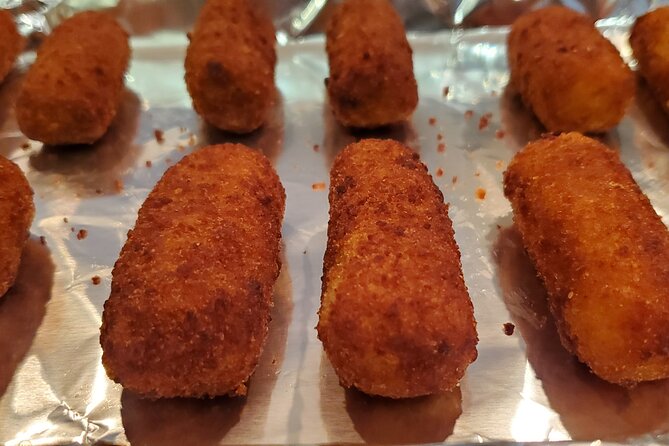
The core of the lesson is learning how to make an authentic Cuban set menu from scratch. You’ll follow a chef’s guidance through the steps for an appetizer, a main course featuring ropa vieja, and a dessert. You’re not just sampling Cuban flavors—you’re learning the process well enough to reproduce it later.
Appetizer time: where you get quick wins
The appetizer is your confidence builder. In a cooking class, I like the first dish because it gets your hands moving fast and helps you understand how the chef expects you to work. It’s also where you learn basic technique—things like how ingredients come together, how to season during cooking, and how to keep your station organized as others join in.
Even if you don’t consider yourself a cook, this format is friendly. You’ll be guided through each step, and you’ll get to taste what you’re making as the evening develops.
Ropa vieja: the main event you’ll actually remember
Ropa vieja is the headline dish in this class, and it deserves the focus. It’s traditionally the kind of comfort food Cuban cooking is known for: rich, savory, and built on slow development of flavor. Practically speaking, it also teaches you “how Cuban meals are built,” because it’s not a quick sauce you throw together at the last minute. You learn how to work with a base, season properly, and keep the flavor moving in the right direction.
This is one reason the class feels valuable. When you learn a dish like ropa vieja, you’re learning more than one recipe—you’re picking up the logic of the cuisine.
Dessert and the final tasting
You’ll also go through dessert as part of the chef-guided experience. While the class includes other food prepared in advance for the family-style meal, dessert is part of the main learning arc—so it isn’t only an afterthought. By the time you reach dessert, you’ve already been cooking and tasting enough to understand what worked in earlier steps.
If you’re the type who gets excited by sweets, this ending is satisfying, not just decorative. Cuban desserts tend to be comfort-forward, and this class reflects that.
Mojitos with a real lesson, not just a pour
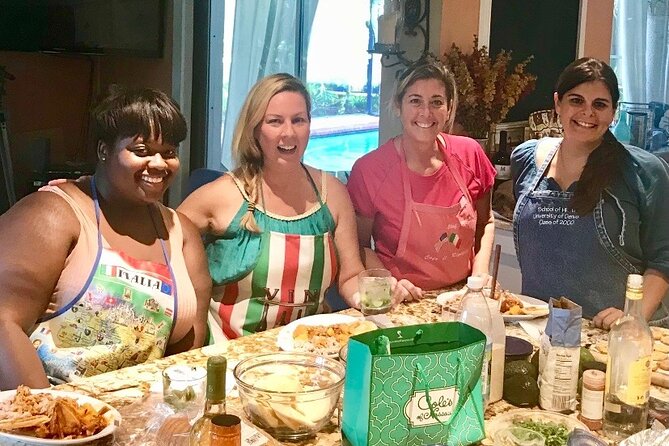
Food classes can be hit-or-miss when it comes to drinks. Here, mojitos are a named feature, and that’s important. You’ll learn how to make your very own mojitos during the experience, not just drink one and move on.
In practical terms, cocktail instruction adds a second skill set to the night. You’re tasting and cooking, then switching to mix-and-measure—often with different techniques than the kitchen tasks. That keeps the evening from feeling like one long, repetitive step.
The class also includes other alcoholic beverages as part of the included meal setup. In past groups, sangria has been a standout drink, which makes sense. If you like fruity, easy-to-sip cocktails with dinner, you’ll probably find plenty to enjoy while you’re learning the mojito method.
One more small tip: because you’re doing hands-on cooking, it helps to pace your drinks. You’ll get more out of the mojito lesson when you’re alert enough to remember the steps you’re practicing.
The family-style meal: more Cuban classics on the table
After the main cooking portion, you’ll eat a family-style meal. This is key because it rounds out the night into a real dinner experience rather than a short tasting.
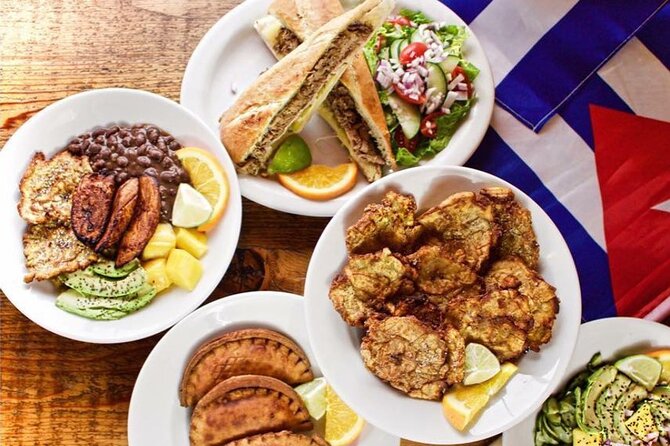
The meal includes foods that are carefully and traditionally prepared in advance, and it’s built to support the menu you learned. Depending on what’s served that night, you may see Cuban classics like beans and rice, stuffed plantains, flan, and pastelitas, along with ropa vieja, plus mojitos at the center.
This approach is smart for you. You’re learning a set of skills, but you also get the wider picture of Cuban home cooking. You can compare textures and flavors across dishes: savory and saucy mains, starchy sides, and sweet desserts. That makes it easier to recreate a “Cuban feast” later, not just repeat one recipe from memory.
Why family-style is a big deal
Family-style dining creates a natural flow. You’re not waiting for food to arrive plate by plate, and it encourages conversation at the table. For a date night or a group of friends, that social pace can be the difference between a fun meal and a forgettable activity.
Also, with a maximum group size of 12, the table tends to feel lively without being chaotic.
Coffee, water, and drinks included: what that means for value
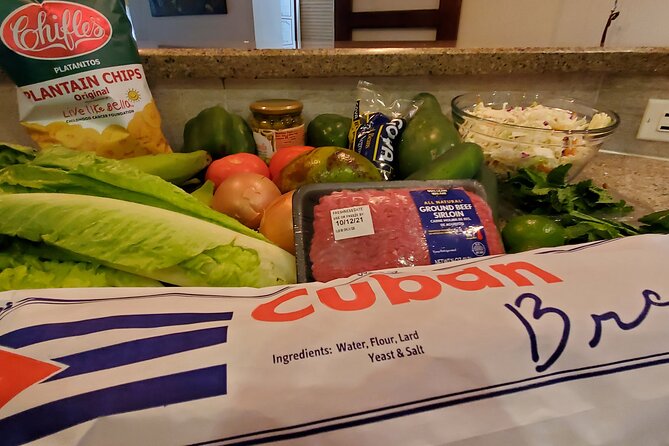
The price is $155 per person, and the real question is whether you’re getting enough to make it feel worth it. In this case, the inclusions do a lot of the work.
Your class includes:
- Dinner
- Alcoholic beverages
- Coffee and/or tea
- Bottled water
- Instruction by a chef
That means you’re not paying extra for the meal or trying to figure out what to drink. You show up, cook, taste, and eat as part of the package.
For Miami, where add-ons can inflate the final bill fast, this bundled format helps you stay within one budget. You’re paying for the chef-led instruction and the full dinner experience in one go, instead of paying for a class ticket and then separately paying for dinner nearby.
Who this cooking class is best for
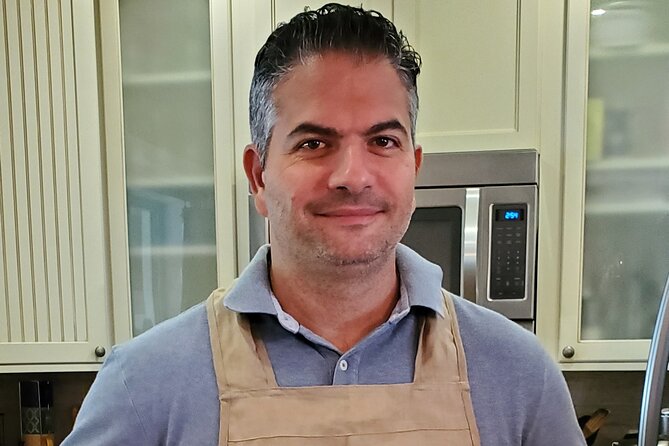
This is a strong fit if you want a Miami experience that’s practical and real. I’d especially recommend it for:
- Couples looking for a different kind of date night (hands-on, then dinner)
- Food lovers who like learning technique, not only tasting
- Travelers who prefer small-group activities over large tours
- Anyone who wants take-home recipes they can actually use
If you’re traveling solo, you still get a warm welcome and a guided structure. If you’re traveling with a friend group, the small group size helps keep it personal and social.
The class is also family-friendly in the sense that it’s centered on accessible comfort food and shared dinner. That said, because alcohol is included, it’s a better match for adults or responsible drinkers.
Logistics that matter: group size, location feel, and timing
A few details make a difference here.
Small group (max 12)
With a maximum of 12 travelers, you’re more likely to get attention when questions come up. That matters in a cooking class because technique and timing are hands-on skills. You don’t want to be one person in a crowd of 30.
Outdoor setting and good weather
This experience requires good weather. Since the class is in an outdoor setting, you should dress with Miami realism: comfortable clothes for cooking, and something light for the evening air.
No private transportation
Private transportation is not included. That’s not a dealbreaker, but it changes your plan. You’ll likely want to use public transportation or rideshare options from your starting point in Miami.
Practical tips to get the most out of the class
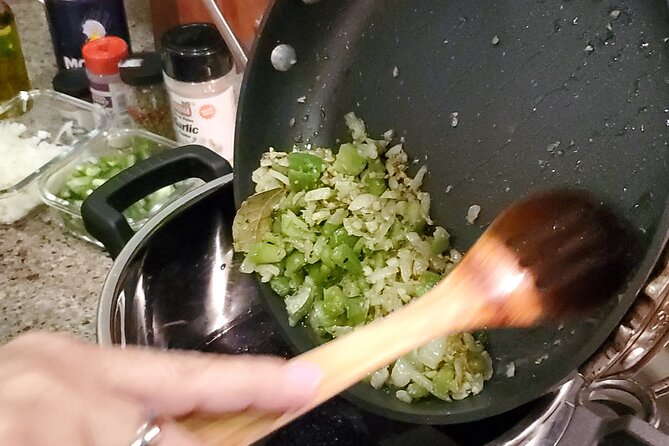
I like to think of classes as “skill-building nights,” not just dinner. Here’s how to get more out of what you’ll be doing:
- Come hungry, but don’t arrive famished. You’ll taste while cooking, and you want to enjoy the full meal.
- Wear shoes you can stand in comfortably for a couple hours. Kitchens and outdoor setups are rarely ankle-friendly.
- Pay attention during ropa vieja, because that dish teaches the logic of the meal. If you get that rhythm right, the rest will feel easier.
- During the mojito lesson, focus on the method, not just the flavor. If you can replicate the steps, you’ll actually use the recipe later.
- If you have dietary needs or restrictions, you’ll want to clarify those when you book. The class includes dinner, drinks, and specific dishes.
Should you book Traditional Cuban Cooking in Miami?
Book it if you want a cooking class that feels like dinner with real instruction, not a quick show-and-tell. The chef-led structure, the hands-on appetizer and ropa vieja, and the included mojito lesson create a full evening of learn-and-eat. The small group size and take-home recipe copies add long-term value.
Skip it only if you strongly prefer indoor-only activities, dislike weather-dependent experiences, or you don’t want to handle transportation logistics on your own. Otherwise, this is a fun, grounded way to enjoy Cuban food in Miami and leave with the skills to recreate the night at home.
FAQ
What is the duration of the Cuban cooking class?
The experience runs for about 3 hours 30 minutes.
What time does it start in Miami?
The start time is 5:00 pm.
What dishes will I learn to make?
You’ll learn how to make a Cuban appetizer, a main course featuring ropa vieja, and a dessert, plus how to make mojitos.
Does the price include dinner and drinks?
Yes. Dinner, alcoholic beverages, coffee and/or tea, and bottled water are included.
Is a chef included?
Yes. The experience includes instruction by a chef.
How big is the group?
The tour/activity has a maximum of 12 travelers.
Is private transportation included?
No. Private transportation is not included.
What if the weather is bad?
The experience requires good weather. If it’s canceled due to poor weather, you’ll be offered a different date or a full refund.
Are service animals allowed?
Yes, service animals are allowed.