REVIEW · VERONA
Verona: Pasta Cooking Class with Wine Tasting
Book on GetYourGuide →Operated by Corte San Mattia · Bookable on GetYourGuide
Flour on your hands, wine in your glass. At Corte San Mattia outside Verona, you make fresh pasta and ravioli in the Verona countryside, then eat what you cooked with organic wines.
I love the hands-on pace of the lesson, with clear guidance as you shape fettuccine and fill and form ravioli from scratch. I also like that the wine isn’t a random add-on; it’s built into the session with three local pours while you cook and then dine.
One drawback to consider: this isn’t a gentle, sit-and-watch experience, and it’s specifically listed as not suitable for gluten intolerance and pregnancy.
In This Review
- Key things to love about this Verona pasta and wine class
- Corte San Mattia: a farm day that actually feels like Verona
- The morning or afternoon walk: why the countryside part isn’t just filler
- Wine tastings built into the cooking rhythm
- Making fresh fettuccine and ravioli from scratch
- Fresh fettuccine: the foundation skill
- Ravioli: filling, shaping, and sealing
- Farm ingredients you’ll actually taste
- Lunch: eating your pasta with the countryside behind you
- Price and value: why $106 can make sense here
- Who this Verona pasta class is best for
- Practical tips so you enjoy the day even if you’re new to pasta
- Should you book? My honest take
- FAQ
- How long is the Verona pasta cooking class?
- What’s included in the price?
- Is wine tasting included?
- Does the class accommodate gluten intolerance or pregnancy?
- What should I do if I have allergies or special needs?
- Is there free cancellation, and can I reserve without paying yet?
Key things to love about this Verona pasta and wine class
- Hands-on pasta making: you learn both fresh fettuccine and ravioli, not just one easy step
- Three wine glasses during the class: sparkling wine at the start, then Valpolicella options as you cook and eat
- Farm-to-table feel: many ingredients come from the agriturismo’s own organic production
- A guided walk first: you get context for the farm and the countryside before you enter the kitchen
- Small group size (up to 10): more attention, less waiting, better conversation with the guide and hosts
- Lunch built from your work: you sit down and eat the pasta and ravioli you made, paired with the wines
Corte San Mattia: a farm day that actually feels like Verona
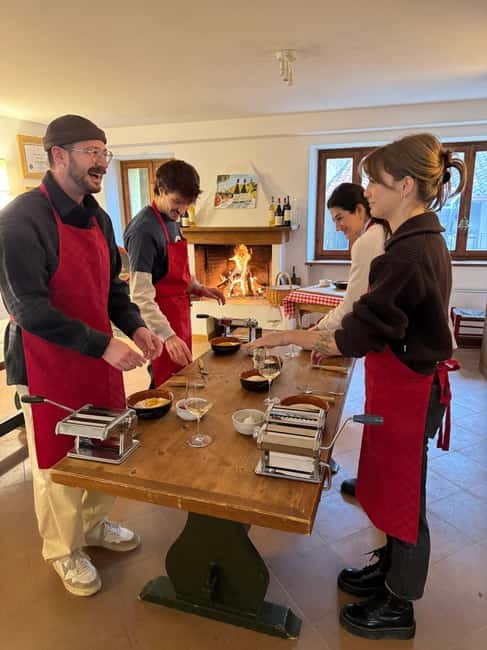
This class works because it ties together three things that often feel separate in Italy: countryside time, real food skills, and wine that’s made nearby. You’re not just driving into a “demo kitchen” and leaving with a worksheet. You’re at Corte San Mattia – Agriturismo Verona, where the farm is part of the story.
The experience runs about 3.5 hours and keeps the group small, limited to 10 people. That matters more than you’d think. With a tiny class, you’re more likely to get personal help with dough texture, shaping, and timing—especially when you’re juggling flour, eggs, and a recipe you’re learning for the first time.
You’ll also have an English live guide. So you’re not stuck guessing what’s happening while someone gestures at ingredients. You get explanations tied to what you’re doing in the moment.
You can also read our reviews of more tours and experiences in Verona.
The morning or afternoon walk: why the countryside part isn’t just filler
The day begins with a guided walk through the countryside around the agriturismo. It’s not long, but it gives you a sense of place: this isn’t just a venue, it’s a working farm philosophy.
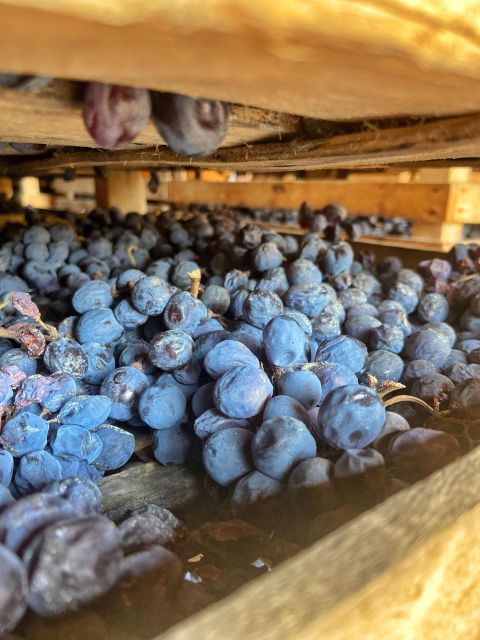
During the walk, you learn how the property fits into what you’ll later taste. The agriturismo produces organic wine, plus EVO olive oil, goat cheese, honey, eggs, and fruits and vegetables. Since many ingredients come from just steps away from the kitchen, that opening walk helps you understand why the flavors feel cohesive rather than random.
A practical note: since it’s a walk and then a cooking session, wear shoes you don’t mind getting a little dusty. You’ll want to be comfortable standing and moving, because once you’re in the kitchen, you’ll be using your hands.
Wine tastings built into the cooking rhythm
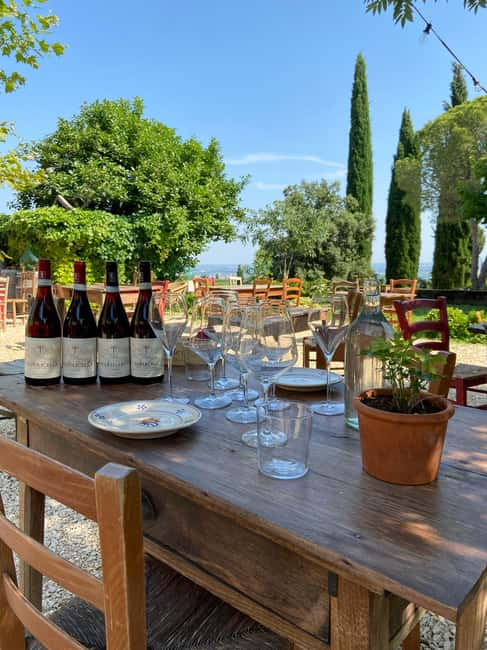
Wine is served throughout the experience, with three glasses included. And it’s paced like a course plan, not like a party. You’ll taste a crisp sparkling wine to start, then shift into a Valpolicella as you prepare the ravioli, and finish with a Valpolicella Superiore to pair with the meal you cooked.
That sequence makes sense for two reasons. First, the sparkling wine helps you start fresh while your focus is on getting organized and learning the basics. Second, Valpolicella works well alongside rich pasta fillings, and the Superiore at the end is a stronger pairing for the final lunch.
Two things to keep in mind:
- The wine portion is only for people of legal age (alcohol can’t be served to minors under 18).
- If you don’t drink wine, the class still follows a structured schedule around wine pairing, so you’ll want to decide in advance how comfortable you are with that.
Also, because this is an agriturismo operation and the wine is made there, the tasting feels less like a lecture and more like part of the day’s work.
Making fresh fettuccine and ravioli from scratch
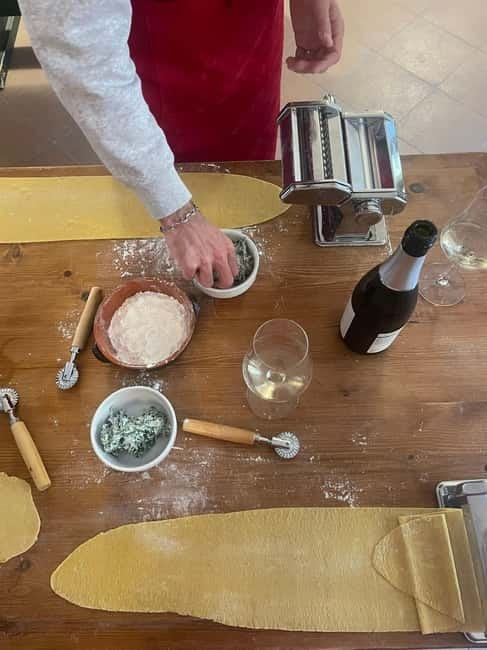
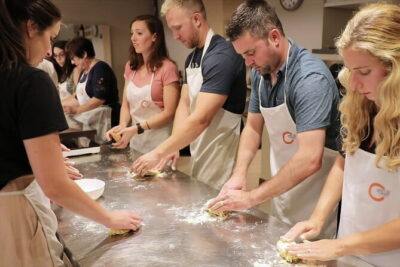
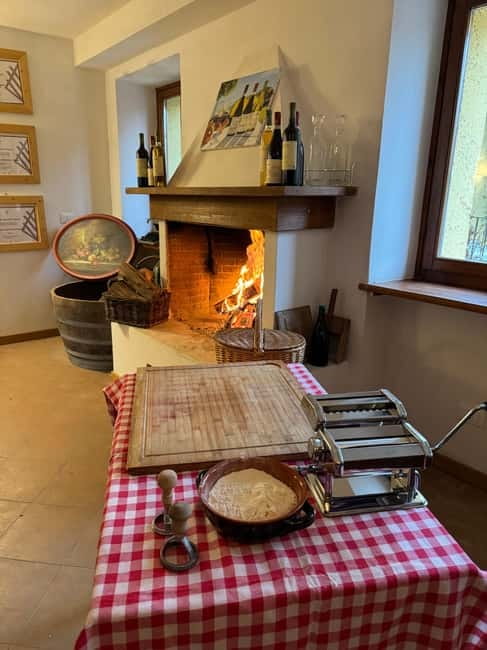
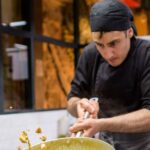
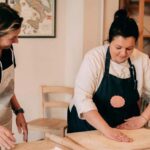
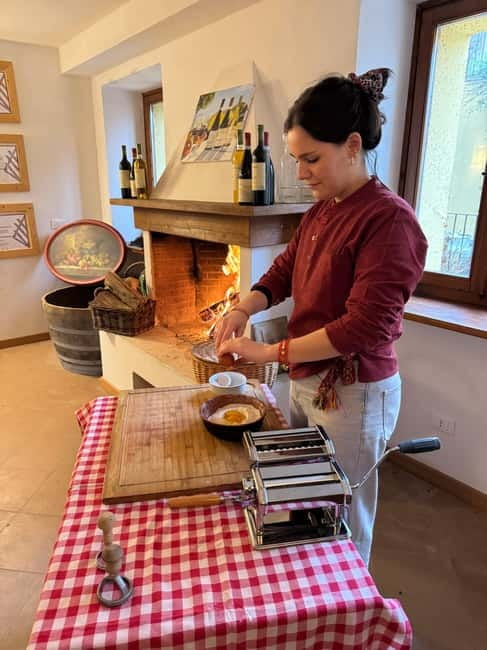
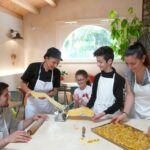
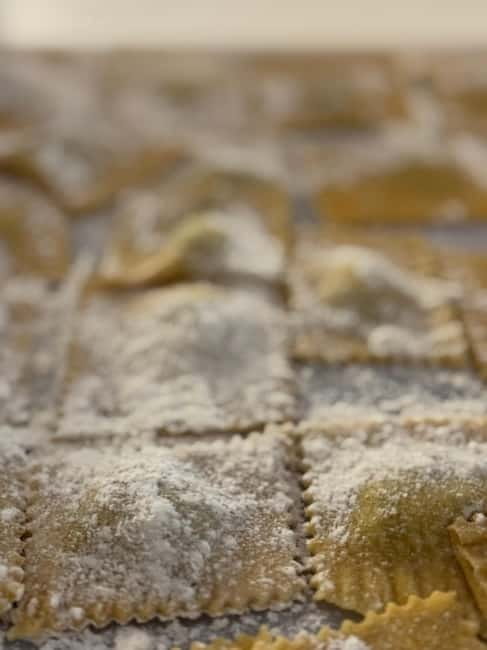
Now for the part you came for: you’ll work at the kitchen station and learn two traditional dishes—fresh fettuccine and ravioli.
Fresh fettuccine: the foundation skill
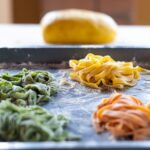
Fettuccine seems simple on a plate, but learning it is all about control. You’ll be guided step-by-step, focusing on how the dough behaves as you handle it. The key value here is not that you suddenly become an Italian grandmother. It’s that you learn what makes pasta dough elastic and workable, so your results look like food instead of a floury science project.
Expect this to take attention. The timing between dough preparation, rest, and shaping matters. And since the class is hands-on, you’ll feel that timing in your own hands.
Ravioli: filling, shaping, and sealing
Ravioli is the bigger challenge in most pasta lessons because it involves multiple steps: making the pasta sheets and then forming parcels around filling. In this class, you’ll prepare ravioli during the middle portion of the experience—right when the tastings shift to Valpolicella.
That pairing timing isn’t random. It gives you a gentle reset while you’re doing the fiddly part of the process. And when you finally sit down to eat, you’ll understand the shape better, because you made it.
Farm ingredients you’ll actually taste
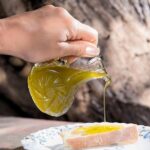
The farm produces items that show up in the overall flavor profile—EVO olive oil, goat cheese, honey, eggs, fruits, and vegetables. You’re not just tasting “Italian food.” You’re tasting ingredients that are part of one system: grown or made on site and used by the kitchen.
One practical tip: if you have any allergies or special dietary needs, report them in advance. The class notes that you should share needs before you go, because ingredients and preparation matter with both fresh pasta and dairy-based components.
Lunch: eating your pasta with the countryside behind you
After the pasta is ready, the reward is immediate. You’ll sit down for a lunch featuring the dishes you prepared—your fresh fettuccine and your ravioli—paired with the wines served during the session.
This is one of the most valuable parts of the experience. A lot of food classes end with a “you watched me do it” meal. Here, the meal is the payoff for the work. That changes how you taste it. You notice the texture differences because you shaped the dough, and you recognize the filling because you handled it.
The setting is also part of the experience. The day’s rhythm—walk outside, kitchen inside, meal outside or near it—lets you slow down. One review highlighted eating and relaxing with views and good company on the terrace area. That fits the feel of a farm day: you’re not rushed through lunch; you’re meant to enjoy the moment.
And since the group is small, lunch isn’t just eating next to strangers. It’s easier to chat with fellow guests, compare what went well (or what stuck to your fingers), and ask quick questions about local cooking.
Price and value: why $106 can make sense here
At $106 per person, this isn’t the cheapest thing in Verona. But it also isn’t just a “watch and taste” class. You’re paying for several things that add up in practice:
- A 3.5-hour hands-on lesson with fresh pasta and ravioli (two dishes)
- An expert guide for step-by-step instruction
- All ingredients and equipment provided, which matters because pasta-making tools and supplies aren’t free
- A guided walk through the countryside around the agriturismo
- Three included glasses of local wine, served during the cooking flow
- Lunch included, featuring what you made
The main things not included are transportation to and from the agriturismo and any additional food or drinks beyond the wine and meal provided.
So here’s the value math in plain terms: if you want just a food tasting, you can probably find cheaper. If you want an actual skill-building cooking session plus a proper lunch and wine, the package price starts to look more fair—especially with a small group and ingredients coming from the farm.
Who this Verona pasta class is best for
This experience is a great match if you:
- Love cooking classes but want the kind where you do the work, not just observe
- Want a Verona day that goes beyond city streets and into the Veneto countryside
- Like wine and want a structured tasting tied to what you’re eating
- Prefer small-group attention (limited to 10 participants)
It’s not a great match if you:
- Need gluten-free options (the class is not suitable for gluten intolerance)
- Are pregnant (listed as not suitable for pregnancy)
- Want a fully relaxed, low-activity experience (you’ll be making dough and shaping pasta)
If you’re traveling with friends or a partner, it can be especially fun. You’ll both have something to talk about at the table because you’re learning the same techniques side by side.
Practical tips so you enjoy the day even if you’re new to pasta
You don’t need to be a pasta expert to have a good time. But a few small choices can make it smoother:
- Wear comfortable clothing you don’t mind getting flour on. Pasta dough is sticky during the learning phase.
- Plan for standing and working with your hands for much of the 3.5 hours.
- If you’re sensitive to alcohol or don’t plan to drink, tell yourself that the class includes wine pacing so you’re not surprised by the rhythm.
- Share allergies and special needs before you arrive. The experience explicitly asks for this in advance.
Also, since the meeting point is at the agriturismo reception on Via Santa Giuliana 2A in Verona, you’ll want to be on time. The day starts with the walk and then you transition into the kitchen setup.
Should you book? My honest take
Book it if you want a Verona food experience that feels grounded in real farm production—organic wine and farm ingredients—while you learn two pasta skills you can actually use again at home. The small group size and the included lunch you make yourself are the big reasons this class feels like value, not just entertainment.
Skip it if you need gluten-free options, if pregnancy makes the activity unsuitable, or if you prefer a sit-down tasting over hands-on cooking. In those cases, the format will likely feel like more work than it’s worth.
If your goal is a memorable half-day in the Veneto that mixes countryside time, real cooking instruction, and wine pairing, this one’s a smart bet.
FAQ
How long is the Verona pasta cooking class?
The experience lasts about 3.5 hours.
What’s included in the price?
The class includes a guided walk through the countryside, a hands-on cooking class to make fresh pasta and ravioli, three glasses of local wine, and a lunch featuring what you prepared. Equipment and ingredients are also provided.
Is wine tasting included?
Yes. You’ll have three glasses of local wine during the experience. Wine tasting is reserved for people of legal age.
Does the class accommodate gluten intolerance or pregnancy?
No. The activity is listed as not suitable for gluten intolerance and for pregnancy.
What should I do if I have allergies or special needs?
Report allergies or special needs in advance, because you’ll be working with ingredients used for the pasta and meal.
Is there free cancellation, and can I reserve without paying yet?
You can cancel up to 24 hours in advance for a full refund. You can also reserve now and pay later.