REVIEW · CAPE TOWN
Private Cape Malay Cooking Class in Cape Town with a Local Family
Book on Viator →Operated by Traveling Spoon · Bookable on Viator
One family kitchen, real Cape Malay food. This private class with Lorette and Desmond in Grassy Park turns dinner into a lesson, with you cooking alongside your hosts instead of just looking on. I love the undivided attention and the way Lorette uses fresh herbs from her garden to bring the dishes to life.
The only real catch is getting there. Transportation isn’t included, so you’ll want a solid plan for reaching Grassy Park and heading back afterward.
In This Review
- Key things to know before you go
- A Grassy Park kitchen where the lesson feels personal
- The 3-hour rhythm: cooking first, then sitting down together
- What you’ll cook: rotis, curry, bobotie, and malva pudding
- Mini roti with chicken curry (Cape Malay-style roti)
- Bobotie: curried mince baked with custard
- Malva pudding (and the classic custard pairing)
- Hands-on cooking that actually teaches
- The host-family dynamic: welcome drink, real conversation, and warmth
- Food, drinks, and what’s included in the ticket
- Price and value: when $100 feels like a smart splurge
- Getting there in Cape Town: plan transport ahead
- Who this cooking class is best for
- Quick tips for making the most of the evening
- Should you book it?
- FAQ
- What is the duration of the private cooking class?
- How many dishes will I learn to make?
- Where does the class take place?
- Is transportation included?
- What’s included with the ticket?
- Do I get to eat what I cook?
- When will I receive confirmation?
- Can I cancel for a full refund?
Key things to know before you go
- Private, in-home class means you cook with your host at a normal kitchen pace, not a loud demo line
- 2–3 Cape Malay dishes are taught and made by you, with options that often include roti, bobotie, and malva pudding
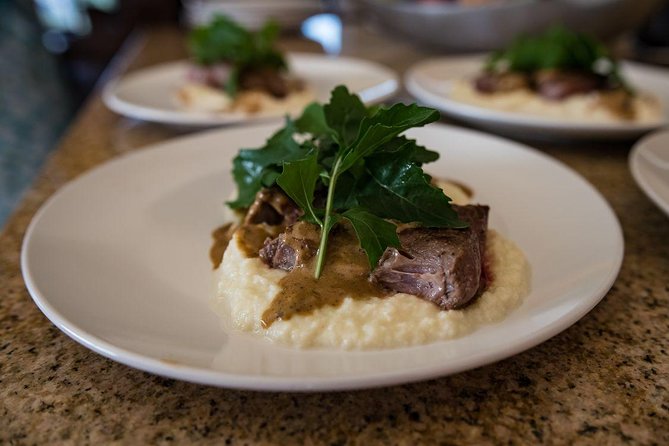
- Fresh-garden cooking is part of the experience, since Lorette likes using herbs she grows
- A meal with conversation comes right after the cooking, in the same welcoming home setting
- Alcoholic beverages are included, plus bottled water for the table
- Near public transportation, but you still need to manage your own trip to Grassy Park
A Grassy Park kitchen where the lesson feels personal
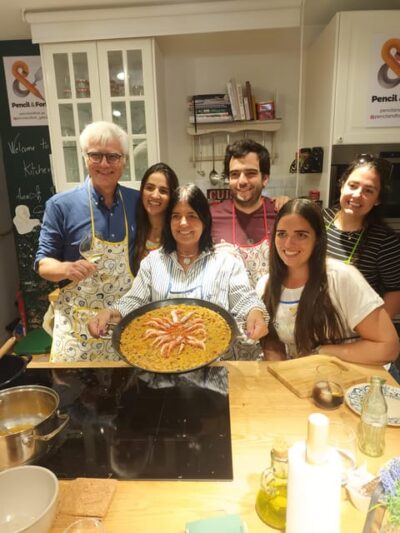
This experience is built around one big idea: learn food the way families actually do it. Instead of a crowd in a big venue, you’re welcomed into Lorette and Desmond’s home in Grassy Park for a private cooking class. The home itself has a story, too. It was built by Lorette’s dad about 44 years ago, and the couple later bought it and renovated it themselves, so it feels lived-in rather than staged.
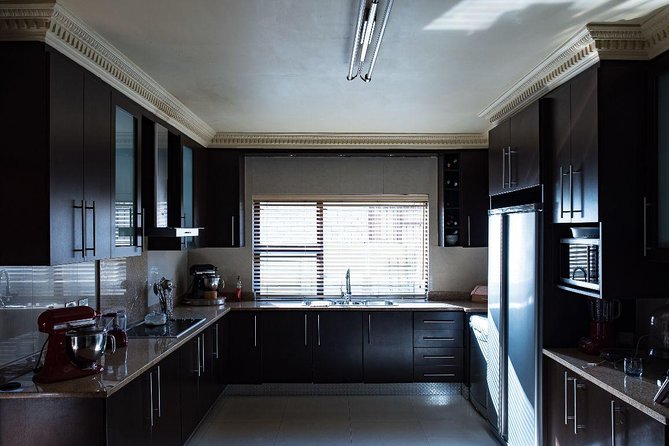
You’ll start with a welcome drink, then move into Lorette’s spacious modern kitchen. This matters more than it sounds. A kitchen that’s designed for real work makes the class flow better, and it’s easier to ask questions while you’re chopping, stirring, tasting, and learning.
You can also read our reviews of more tours and experiences in Cape Town.
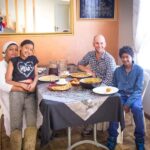
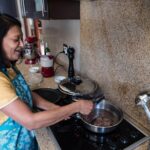
The 3-hour rhythm: cooking first, then sitting down together
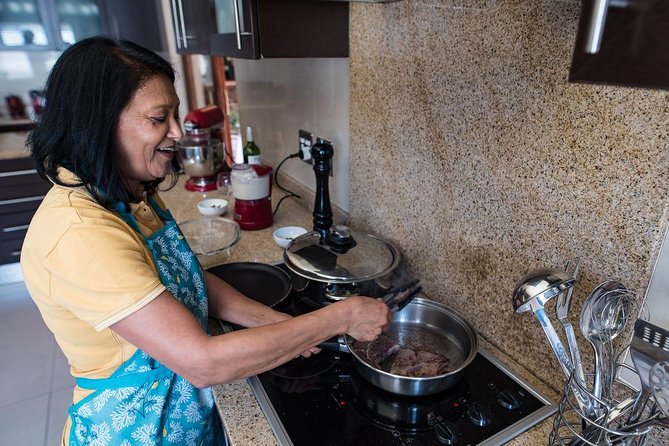
The total experience runs about 3 hours. The cooking part usually takes 1–2 hours, followed by eating what you made and talking with Lorette and Desmond. That split is exactly what makes this feel like an evening with substance, not a quick activity you check off.
Here’s the typical flow you can expect:
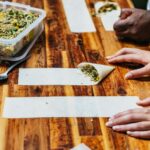
First you settle in and get a welcome drink. Then Lorette walks you through the dishes, step by step, while you take part. She leads the process, but you’re not stuck watching. You’ll have hands-on time making elements like flatbread-style roti and curried dishes, and you’ll likely take turns doing different parts of the prep.
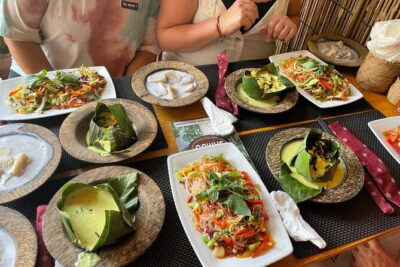
When the cooking wraps up, you eat as a group in the same home setting. Conversation is part of the meal, too, and you’ll have time to ask questions about the food and the culture behind it. If Lorette’s parents are around on the property, you might also get a quick hello from Rachel and Kenneth, which adds a very family-feeling finish.
What you’ll cook: rotis, curry, bobotie, and malva pudding
This class focuses on learning 2–3 traditional dishes, so you don’t leave overwhelmed with 7 recipes you barely touched. The dish selection can vary, but the most common lineup includes a mix of savory mains and dessert.
Mini roti with chicken curry (Cape Malay-style roti)
One of the frequent highlights is mini roti served with chicken curry. Cape Malay roti is described as an unleavened flatbread. That’s your clue to what to pay attention to as you cook: the bread doesn’t rely on yeast, so the texture depends on how you handle the dough and how you cook it.
On the plate, roti is the vehicle. You’re learning how to make the bread and how it pairs with the curry, so you understand the full system instead of treating them as separate recipes.
Bobotie: curried mince baked with custard
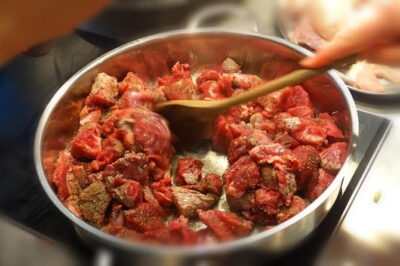
Another common dish is bobotie. In plain terms, it’s curried minced meat baked with a savory custard, served with aromatic yellow rice and roasted vegetables. This is the kind of dish where small choices matter. You get practice with seasoning and mixing, then you watch it bake and set into something sliceable and satisfying.
If you like meals that feel both comforting and spiced, bobotie is a strong choice. You’ll likely also come away with a clearer sense of how the flavors are meant to work together, because you’ll build the whole component set you need for the plate.
Malva pudding (and the classic custard pairing)
For dessert, the class often includes malva pudding. It’s a traditional sweet that many people enjoy with custard. In one particularly thoughtful moment, you can even see how the host’s approach is about getting the pairing right: when a participant wanted custard included the way they’d had it at a restaurant, Lorette made the custard to go.
Dessert is where this class often wins hearts fast. It’s also a practical takeaway: you’re learning something that isn’t always on a typical tourist food list, and you’ll know how to recreate it at home after you return.
Hands-on cooking that actually teaches
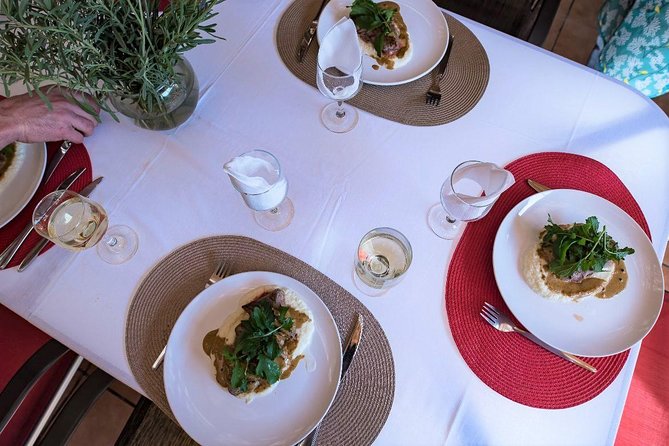
The biggest value here is not just eating well. It’s the teaching style. Because it’s private, Lorette can slow down for questions and adjust based on what you’re doing right now, not what someone did two minutes ago in a big group.
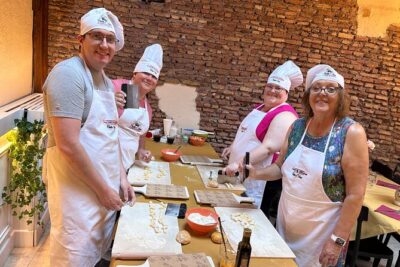
You’re also more likely to get involved with the parts that matter. In the roti-making moments, for example, people don’t just stand near the counter. They take turns. That turn-taking is underrated, because it means you’re building muscle memory, not just collecting instructions.
The class also tends to include recipes provided so you can recreate the dishes at home. That turns the whole evening into something durable, not just a one-night memory.
The host-family dynamic: welcome drink, real conversation, and warmth
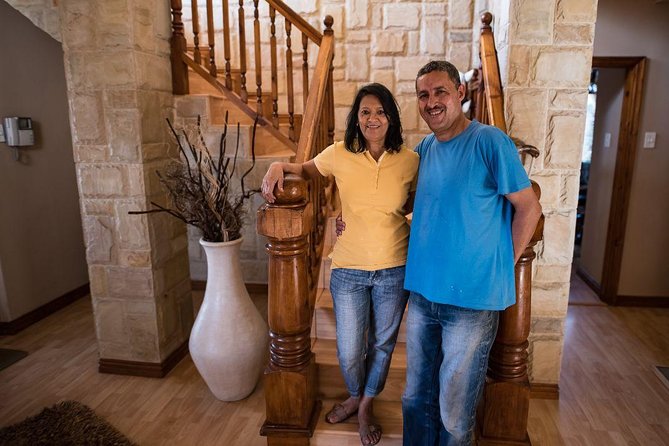
If you care about cultural connection, this is one of those formats that works. You’re in a local home with Lorette and Desmond, not in a workshop where you’re shuttled through stations.
From what you can expect in conversation, the meal isn’t only about flavor. It also touches on Malay food, history, and culture. That’s important for how you’ll remember the recipes. When you know the story behind a dish, you cook with more confidence later.
And yes, the family side matters. Rachel and Kenneth live on the property, and if they stop by, it adds context and a sense of continuity. Even if they don’t, the home still feels like a home, which changes the mood of the class.
Food, drinks, and what’s included in the ticket
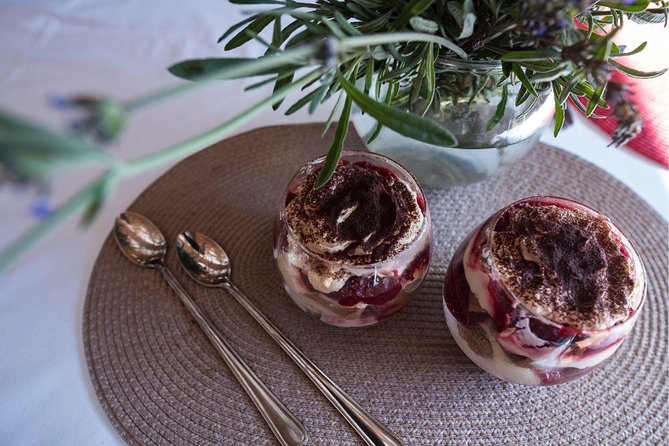
Your ticket includes a lot of the things that quietly add up in other food experiences:
- Private cooking class with Lorette
- Lunch or dinner (the meal you help prepare)
- Alcoholic beverages plus bottled water
- Gratuities
That inclusion list is one reason the pricing can feel fair. At $100 per person, you’re not just paying for time in a kitchen. You’re paying for a full hosted meal, drinks, and someone tailoring the experience to your group.
One note on expectations: because the class is private and focused, the dishes are usually limited to 2–3. That’s a plus if you want to learn well. It’s not the right fit if you’re hoping for a huge tasting spread that includes every possible Cape Malay specialty.
Price and value: when $100 feels like a smart splurge
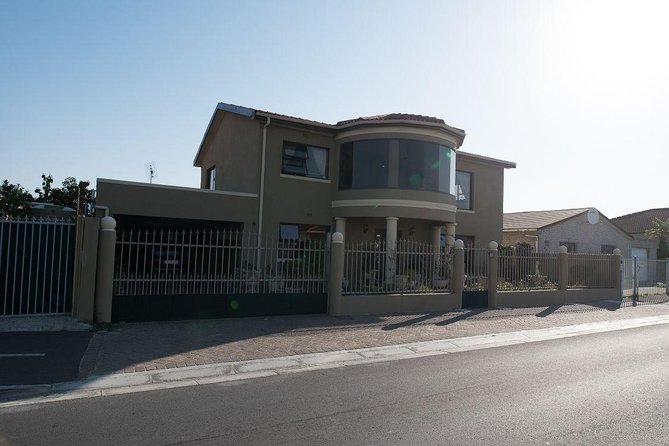
Let’s talk value in practical terms. If you’re spending time in Cape Town anyway, this experience is a strong way to get a high-impact cultural evening without packing it into a rushed day.
You’re getting:
- A private class (not a crowded format)
- A host-led cooking session in a home kitchen
- A sit-down meal you made
- Recipes to take home (so you can repeat the results)
- Drinks included, including alcoholic beverages
This tends to be worth it when you’re traveling with a partner, a small friend group, or even solo if you like learning directly from a single host. It also works well when you want more than a tasting: you want to understand how the food comes together.
Getting there in Cape Town: plan transport ahead
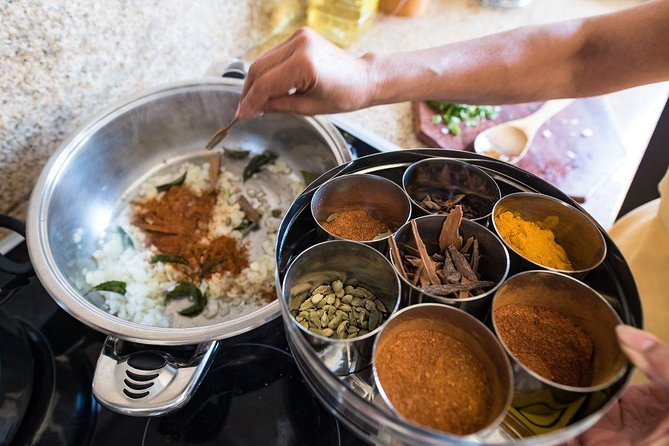
Transportation isn’t included, and that’s the clearest practical consideration. The start and end point is Grassy Park, Cape Town (7941), and the activity returns you back to the same meeting point.
The good news is that it’s listed as near public transportation. Still, Grassy Park is not the kind of place where you should assume you’ll wander in last minute without thought. If you’re staying in the central areas, plan your route and buffer time.
A mobile ticket is also part of the experience, so have that ready on your phone.
Who this cooking class is best for
This is a great fit if you want your time in Cape Town to feel human-scale and food-centered.
You’ll enjoy it if:
- You like hands-on cooking rather than watching
- You want a break from tourist-heavy dining
- You enjoy conversation at the table, not only a meal
- You want recipes you can actually make later
- You like the idea of Cape Malay dishes like roti, chicken curry, bobotie, and malva pudding
It’s less ideal if you need a quick, minimal-touch activity, or if you want transportation handled for you.
Quick tips for making the most of the evening
A few practical moves can help you get more out of your time in the kitchen:
- Wear comfortable clothes you don’t mind getting splashed or steamed near the cooking area.
- Bring your curiosity. Ask about the differences you’re seeing between steps, especially with roti texture and the baked set of bobotie.
- Pace yourself during the meal. The class focuses on a real dinner, not just small bites.
Also, because it’s a private tour, it’s tailored to your group. That’s your advantage, so use it: ask questions while you’re cooking.
Should you book it?
If you want a Cape Town experience that feels like a real evening in a real home, this private Cape Malay class is an easy yes. The combination of hands-on instruction, a host-family setting, and a meal that includes dishes like roti, chicken curry, bobotie, and malva pudding makes it stand out in a good way.
Book it sooner rather than later. It’s often scheduled about 66 days in advance on average, which suggests there’s steady demand for this exact kind of intimate, family-led food night.
Skip it if you specifically need included transportation or you want a huge buffet-style menu. But if your goal is to learn, eat well, and leave with recipes you can actually repeat, this is a smart choice.
FAQ
What is the duration of the private cooking class?
The cooking class runs for about 3 hours total.
How many dishes will I learn to make?
You can expect to learn about 2–3 traditional dishes, such as mini roti with chicken curry, bobotie, and malva pudding.
Where does the class take place?
It takes place in Grassy Park, Cape Town, and the experience starts and ends back at the meeting point.
Is transportation included?
No. Transportation is not included.
What’s included with the ticket?
The ticket includes the private cooking class, alcoholic beverages, bottled water, lunch or dinner, and gratuities.
Do I get to eat what I cook?
Yes. You share the meal you helped prepare at the end of the class.
When will I receive confirmation?
Confirmation is received within 48 hours of booking, subject to availability.
Can I cancel for a full refund?
Yes. You can cancel up to 24 hours in advance for a full refund. If you cancel less than 24 hours before the start time, the amount paid is not refunded.