REVIEW · XIAN
Half-Day Xi’an Biang Biang Noodles Cooking with a Market Visit
Book on Viator →Operated by Chilli Cool China · Bookable on Viator
Biang biang noodles are harder than they look. This half-day class pairs a Muslim Quarter spice market visit with hands-on noodle making at a local chef’s home, so you get the “why” and the “how,” not just a demo. One thing I really like is that you start with the ingredients themselves, then cook with the same spices you picked up.
I also like the feel of a small group (max 15). Your session runs about 3 hours 30 minutes, and the class includes everything you need: ingredients, tea, and even beer or other beverages with your meal.
One thing to consider: not every session will feel exactly the same in terms of hands-on time. The experience is designed as a cooking workshop, but a past guest specifically noted it can feel more like a demonstration in some setups, so it’s smart to ask how much you’ll actively do.
In This Review
- Key things to know before you go
- Why biang biang noodles feel worth your time in Xi’an
- The Muslim Quarter spice market: your flavor cheat sheet
- Tea and a chef’s home courtyard cooking session
- How much hands-on pulling you’ll realistically do
- What’s included in the $75 price—and where the value comes from
- The timing: a 3.5-hour plan you won’t feel rushed in
- Vegetarian option: what you should know before booking
- What to wear and bring (so the market part doesn’t ruin your day)
- Who should book this class (and who might prefer something else)
- Should you book this half-day biang biang class?
- FAQ
- How long is the biang biang noodles cooking experience?
- Where does the experience start?
- What’s included in the price?
- Is there a vegetarian option?
- What group size should I expect?
- Can I cancel for a full refund?
Key things to know before you go
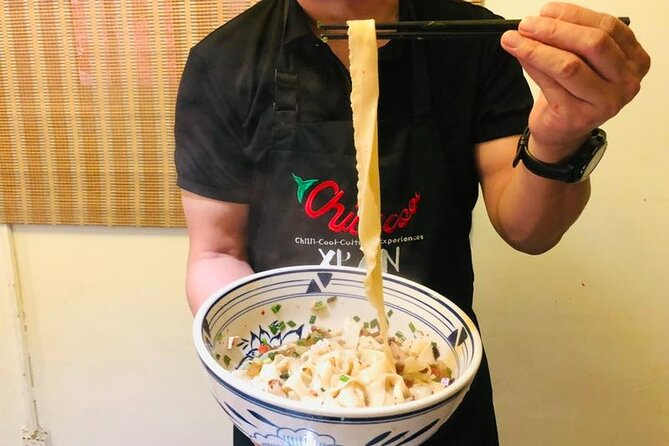
- Muslim Quarter spice market first, so you understand what goes into biang biang before you pull noodles
- Small-group cooking with a maximum of 15 travelers for a more personal pace
- Includes ingredients + recipes, plus tea, beer (or other beverages), and water
- Morning or afternoon sessions, with lunch or dinner depending on the time slot
- Comfortable shoes matter, since you’ll walk in a market area as part of the experience
Why biang biang noodles feel worth your time in Xi’an
Biang biang noodles have that “wow” factor for a reason. They’re iconic for Xi’an, but the real magic is the process: you’re learning how to shape noodles that have real personality—thick, chewy, and very satisfying.
What makes this class practical is that it’s not just about the final bowl. You get a market ingredient hunt first, then you translate those flavors into dough and seasonings. That order helps you remember what matters.
The Muslim Quarter spice market: your flavor cheat sheet
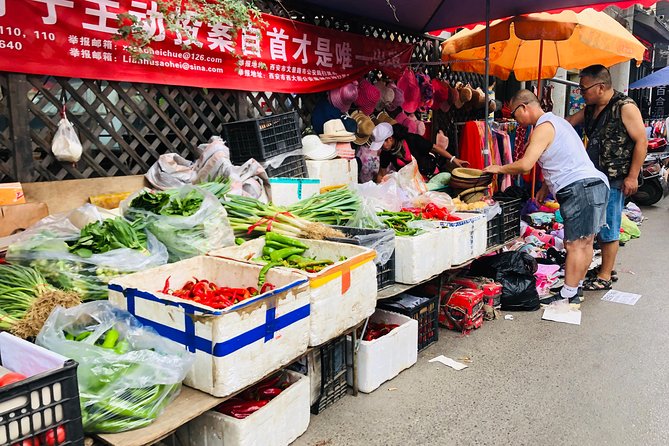
The experience starts at Sajin Bridge (Sa Jin Qiao) in Xi’an, and then you head into the Muslim Quarter area for a spice-focused market visit. This is the part that makes the rest of the class click, because you get to see ingredients up close and learn what they do in Chinese cooking.
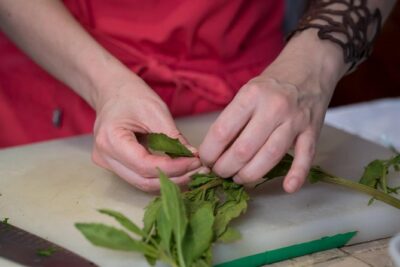
You’ll be given fun ways to explore and identify different spices and ingredients that get used later. I like that this isn’t a silent walk-through. It’s interactive, and it gives you a mental map of the flavors—so when the chef uses something later, you’re not guessing.
Tea and a chef’s home courtyard cooking session
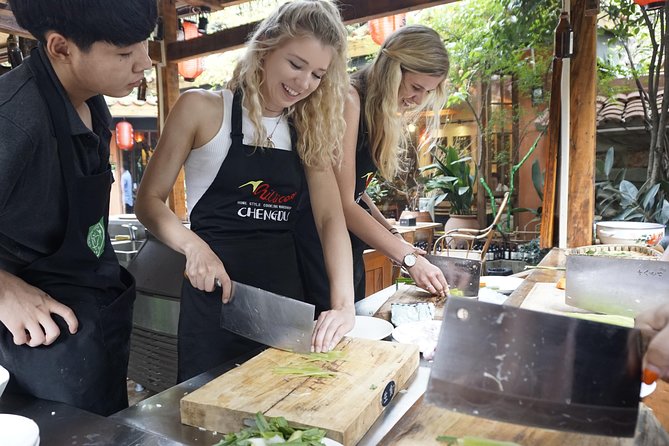
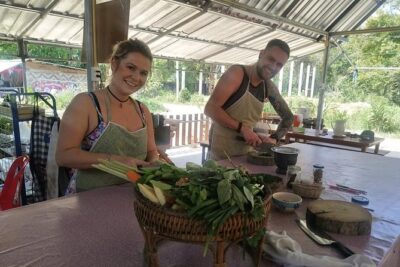
After the market, you go to a traditional Chinese chef’s home to cook. This is where the class shifts from ingredients to technique, guided by a professional chef and instructors.
Local tea shows up here because it’s a common way hosts treat friends and visitors. It’s not a gimmick drink; it sets a slower rhythm so you can focus on what your hands are doing.
In the best-rated sessions, instructors are praised for two things: clear English and strong spice knowledge. Names that came up include Fiona and Lily, with Lily specifically noted for her spice expertise and Fiona for being easy to understand. Other names that appeared in past instruction teams included Michael and Bruce, and at least one session cited Dongcheng.
Also, expect more than plain “how to boil noodles.” One past guest highlighted that the class included some context and history about noodles in China. That kind of background helps you cook with understanding, not just imitation.
How much hands-on pulling you’ll realistically do
Biang biang noodle making has a reputation: it’s one of those techniques that feels simple until you try it. The class is built around you learning the process, not only watching.
That said, pay attention to how your session is structured. One guest who was disappointed felt it leaned more toward a demonstration than a hands-on class in an apartment setting. So if you’re booking specifically to master pulling and stretching techniques at your own station, I’d confirm ahead of time how the workshop runs and what portion of the time you actively spend shaping noodles.
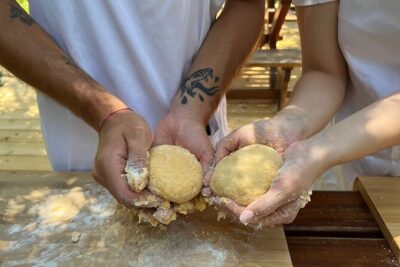
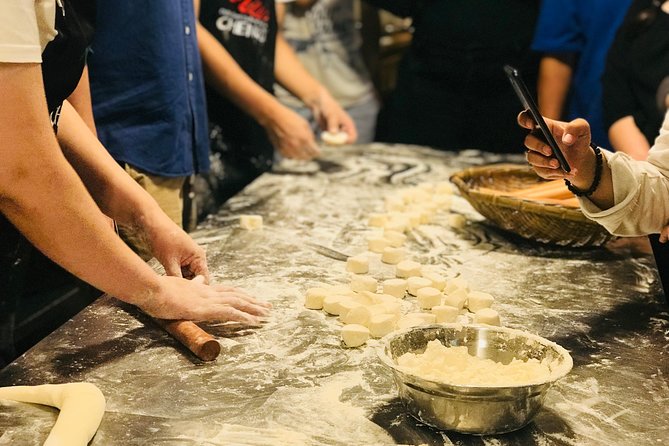
If you’re hoping for a “messy, flour-on-the-tables” experience, don’t book this expecting zero mess. Past feedback mentions making a lot of noodles—enough that it felt like too many in a good way—so be ready for a true cooking session, not a quick tasting.
What’s included in the $75 price—and where the value comes from
The price is $75.00 per person, and the biggest reason it can feel like good value is that you’re not paying separately for food and ingredients.
What’s included:
- All food ingredients (so you don’t wonder what you’re supposed to buy afterward)
- Recipes (so you can recreate the dish at home)
- Lunch or dinner depending on the session time
- Beverages: tea, beer, and water
- Food tasting
For a half-day activity, that bundle matters. Market classes can be pricey when you still end up paying for snacks. Here, you’re effectively getting an ingredient-led lesson plus a meal with drinks, all wrapped into a single experience.
There’s also a group discount, and while the exact numbers aren’t provided, group pricing can help if you’re traveling with friends or family. The experience uses a mobile ticket, which is also convenient for avoiding extra paperwork.
The timing: a 3.5-hour plan you won’t feel rushed in
The class runs about 3 hours 30 minutes. That duration is long enough to do the market portion, cook, and eat, but short enough that it doesn’t swallow half a day like a full-day tour can.
Here’s what the pacing typically feels like, in practical terms:
- You meet at Sajin Bridge, then start with the spice market walk in the Muslim Quarter area
- You return to cook at the chef’s home, where the real focus is noodle technique
- You finish by eating what you make, paired with tea and beer/other beverages, depending on what’s served for your schedule
- The activity ends back near the meeting point
If your goal is technique, this length works because you get enough time to practice steps. If your goal is just “experience Xi’an through food,” you still leave with a full meal and a shopping-list-free recipe.
Vegetarian option: what you should know before booking
A vegetarian option is available, and you should request it at booking. The tour data doesn’t specify how the vegetarian version is handled (for example, whether it uses specific sauces or substitutes), so keep your expectations flexible.
If you have dietary requirements beyond vegetarian, the best move is to send them in at booking as instructed. That way, the team can prep correctly and you’re not stuck trying to figure out what’s in your bowl after you arrive.
What to wear and bring (so the market part doesn’t ruin your day)
This experience runs in all weather conditions, and the guidance is simple: dress appropriately and wear comfortable walking shoes. Market walking often involves uneven spots and lots of time on your feet, so shoes that support you matter more than stylish ones.
You’ll also be moving between the meeting point, a market environment, and then someone’s home cooking space. In other words, comfort beats fashion here.
If you’re the type who hates getting flour or spice residue on clothes, bring a layer you’re okay with. The class is about cooking, and cooking means some mess.
Who should book this class (and who might prefer something else)
This is a strong fit if you:
- Want a hands-on cooking experience tied to a real local market
- Care about understanding spices, not just following steps
- Like small groups and a more personal teaching vibe
- Want recipes you can actually use later
It’s also a good option for couples and small groups, since the format supports conversation and attention. People cited Fiona and Lily as instructor highlights, which suggests English clarity can be a focus.
Who might prefer a different setup: if you’re extremely technique-driven and need one-on-one pulling practice, the risk is that some sessions may feel more like a structured demo than a station-by-station workshop. In that case, ask what “hands-on” means for your session before you pay.
Should you book this half-day biang biang class?
Book it if you want a tasty mix of market discovery and real noodle practice in Xi’an, with tea plus beer/other beverages and a meal included. For $75, the value is strongest when you like learning by doing and you want a recipe pack in your pocket for after your trip.
Skip or double-check details if your top priority is maximum hands-on pulling time at your own station. The experience is designed as a workshop, but not every setup may feel identical.
If you’re staying in Xi’an for a short time and want something that’s both culturally grounded and genuinely useful for cooking later, this is the kind of half-day you’ll be glad you didn’t rush past.
FAQ
How long is the biang biang noodles cooking experience?
It lasts about 3 hours 30 minutes (approximately).
Where does the experience start?
You start at Sajin Bridge (Sa Jin Qiao) in Xi’an, and the activity ends back at the meeting point.
What’s included in the price?
The experience includes food ingredients, recipes, tea, beer (or other beverages), water, plus food tasting and lunch or dinner depending on your class schedule.
Is there a vegetarian option?
Yes. You can request a vegetarian option when booking.
What group size should I expect?
The tour/activity has a maximum of 15 travelers, and small-group size is part of the appeal.
Can I cancel for a full refund?
You can cancel up to 24 hours in advance for a full refund, but changes within 24 hours of the start time aren’t accepted and refunds won’t be available if you cancel later.