REVIEW · CAPE TOWN
Cape Town: Bo-Kapp Walking Tour and Malay Cooking Class
Book on GetYourGuide →Operated by Cooking with love · Bookable on GetYourGuide
Bo-Kaap colors meet curry lessons. This Cape Town experience pairs a guided Bo-Kaap walking tour with an interactive Malay cooking class in a local’s home. You get to learn the neighborhood’s religious and cultural landmarks, then put what you learn into practice by cooking the meal.
I especially like how the cooking time isn’t just watching. Hosts such as Fadela (and other guides like Gadija or Ilyas on the walking side) keep people involved, explain spices in plain language, and make the final food taste worth the effort. One possible drawback: the cooking space can be tight, so you may take turns more than you’d expect.
In This Review
- Key things to know before you go
- Bo-Kaap first: what the walking part really gives you
- Meeting point at the purple house
- Landmarks, mosque, and museum stops you’ll actually use
- The spice shop stop: where flavors become lessons
- Cooking class in a home kitchen: what happens step-by-step
- The roti and samosa part: the real skill-building
- Chicken curry: spices, timing, and why it tastes right
- Salsa-style sambal salad: the bright, balancing bite
- Koesisters and cardamom tea: dessert with personality
- Getting recipes to take home (so it sticks)
- Price and value: what $68 buys you in real terms
- Who should book this tour, and who might skip it
- Practical tips for a smoother afternoon
- Should you book Cape Town’s Bo-Kaap walking tour and Malay cooking class?
- FAQ
- How long is the Bo-Kaap walking tour and Malay cooking class?
- How much does it cost?
- Where do I meet the host?
- Is the tour guide speaking English?
- What is included in the price?
- What is not included, and is alcohol served?
- What should I bring?
- Do I get recipes after the class?
- Is there free cancellation?
Key things to know before you go
- A real neighborhood walk, not a photo stop: cobblestones, older buildings, and community stories
- A spice stop with practical context, including how spices are used and why people value them
- Hands-on cooking at a home kitchen, with help folding samosas and making roti
- A set Cape Malay menu, including chicken curry, roti, salsa-style salad, and koesisters with cardamom tea
- Recipes to take home, so the whole afternoon doesn’t vanish the next day
- A possible small-kitchen tradeoff, meaning you might rotate while things cook
Bo-Kaap first: what the walking part really gives you
Bo-Kaap is one of those places where the colors matter, but the context matters more. During the walking tour, you’ll move at a human pace through the cobblestone streets and see the area up close, not from behind glass or a car window. You’re there to understand why the community looks the way it does, and how daily life, faith, and food connect.
Two things make the walk genuinely useful. First, you get cultural orientation fast: you’ll hear about the Cape Malay community and how Islam shapes local traditions. Second, you’ll visit key landmarks rather than just counting houses. The route includes the first and oldest mosque in South Africa and a cultural museum stop to connect the visuals to the story.
There’s also a bonus layer if you enjoy small details. The walking route can include local spice shopping time and chances to pause in small shops along the way. In practice, this means you’re less likely to feel like you’re marching past storefronts without a reason.
You can also read our reviews of more tours and experiences in Cape Town.
Meeting point at the purple house
You’ll start by meeting your host at a purple house with flower pots on top. Arrive with a little time buffer so you can find the group without stress. Comfortable shoes help, because Bo-Kaap streets are cobbled and the tour is long enough that you’ll feel every shortcut you skip.
A nice part of this setup is that it’s simple. You don’t need special gear, and the tour stays focused: walk, learn, then cook together in a home setting.
Landmarks, mosque, and museum stops you’ll actually use
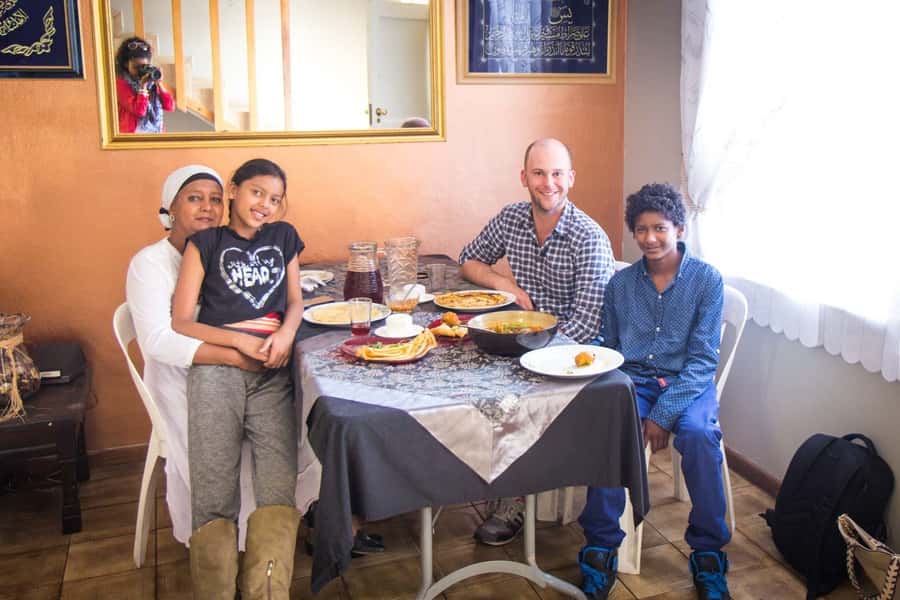
The tour is built around landmarks that explain the neighborhood’s identity. You’ll learn about the area’s long connection to Islam, and you’ll hear about the first and oldest mosque in South Africa as part of that framing. That stop helps you understand why this community feels different from other historic districts in Cape Town.
Next comes a cultural museum visit. The museum isn’t the whole reason to come, but it adds grounding. You’ll walk out with a clearer picture of how people lived, practiced, and carried traditions through generations. One useful tip: treat the museum as context, not as your only learning engine. If you’re museum-fatigued, you won’t feel like the day is ruined—because you’re not done after that.
The spice shop stop: where flavors become lessons
Some tours treat spices like decoration. This one treats spices like tools.
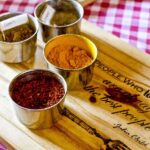
At the spice shop, you’ll learn about different spices and hear practical notes about health benefits and how people use them in real Cape Malay cooking. This matters because the rest of the afternoon depends on your ability to recognize what you’re tasting. When your guide points out specific spices, you start connecting the smell of the curry to the inputs you’ll cook with later.
If you like to remember details, you’ll get good value from paying attention here. One simple habit: when the guide starts explaining spice uses, take notes or record video. You’ll want that reference when you’re home trying to recreate the flavors.
Cooking class in a home kitchen: what happens step-by-step
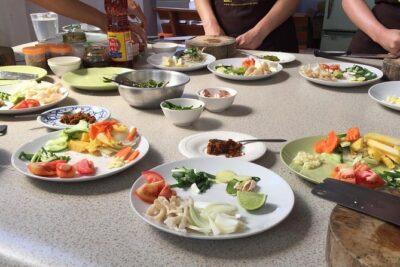
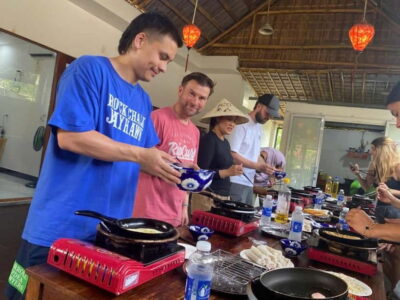
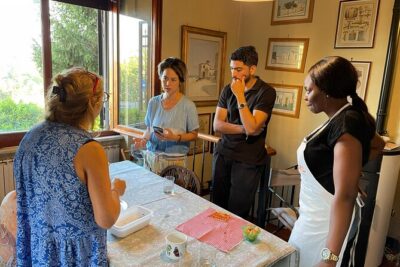
The cooking portion happens at your host’s home, where the pace shifts from walking stories to kitchen work. This is where the experience becomes more than sightseeing. You’ll take part, not just watch.
The day typically follows a flow like this:
- You help with an early course, including folding samosas
- You move to the main meal, including chicken curry and roti flatbread
- You make a salsa-style salad (often called sambal in this context)
- You finish with a dessert: koesisters, served with cardamom tea
- You leave with recipes for what you made
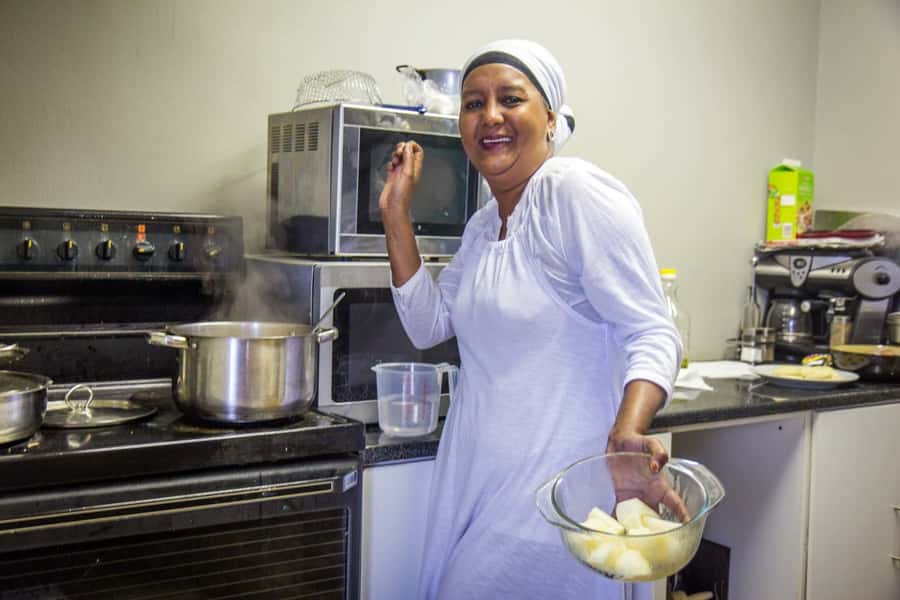
You don’t need to be a seasoned cook. The format is designed for group participation, and guides such as Fadela are known for keeping everyone involved. That matters because roti and samosas can look intimidating until someone shows you the rhythm and the small tricks that make them work.
The roti and samosa part: the real skill-building
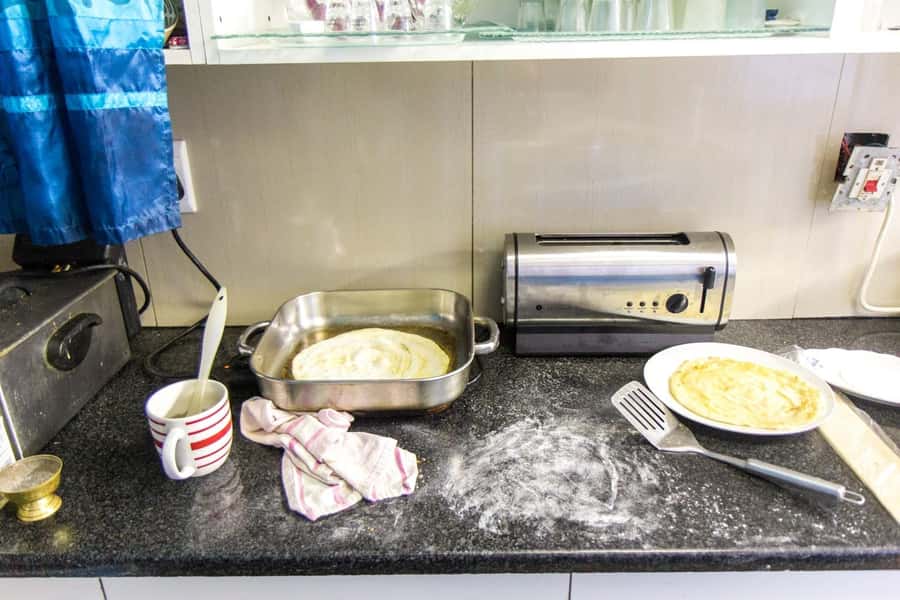
If you want one takeaway that feels like a win, it’s roti. There’s something satisfying about making flatbread from scratch, and you’ll learn what to watch for as you work: dough texture, rolling habits, timing, and how to manage heat while your hands do the work.
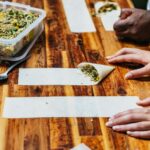
Samosas give you another kind of confidence. You’ll practice folding, and you’ll understand that the goal isn’t perfection—it’s technique. When your fingers learn the pattern, you’ll feel the difference between complicated-looking food and food that’s actually doable at home.
Because home kitchens run on limited space, you may rotate or take turns. It’s the one tradeoff you should plan for. If you’re the type who hates waiting, bring patience—but know that you still get hands-on time, not just a seat and a spoon.
Chicken curry: spices, timing, and why it tastes right
The main event is chicken curry. This isn’t just about dumping ingredients into a pot. The guide-style teaching focuses on seasoning logic: which spices go where, how they combine, and how you can recognize when the curry has moved from raw to cooked.
This is also where that spice shop stop pays off. If you paid attention earlier, the curry should feel like a continuation of your learning rather than a surprise meal with no explanation.
Curry is also an easy dish to scale later. You can adjust spice levels, switch proteins, or stretch the sauce for different meals once you understand the basic technique your host teaches.
Salsa-style sambal salad: the bright, balancing bite
Not every cooking class includes something fresh and crunchy to balance the heavier meal. Here, you’ll make a salsa-style salad (sambal) that cuts through curry richness. It gives you contrast, and it also teaches you that Cape Malay plates aren’t only about spice—they’re about balance.
Think of it as the flavor palate reset. One spoonful changes how the curry hits your tongue. That makes the whole menu feel more cohesive.
Koesisters and cardamom tea: dessert with personality
Finish with koesisters, spicy savory donuts, paired with cardamom tea. This dessert isn’t a typical Western sweet. The point is flavor complexity, not just sugar.
The tea matters too. Cardamom brings a warm, aromatic finish that rounds out the meal. It also gives you something to sip while you chat and relax after kitchen work.
Getting recipes to take home (so it sticks)
The best part of a cooking class is when you can re-create it without the guide standing over your shoulder. In this experience, you leave with all recipes of what you prepared. In several cases, guests report receiving recipes by email, which is great for keeping things organized.
Use this as your next-day project. Don’t wait weeks and then try to remember what you did. If you cook one item again soon—like samosas or roti—you’ll lock in the techniques that made the flavors work.
Price and value: what $68 buys you in real terms
At about $68 per person for a 4-hour experience, the price has to make sense in your head. Here’s the simple math: you’re paying for a guided neighborhood walk plus a hands-on cooking session in a home setting.
What you get that’s easy to price:
- Museum entrance fee included
- Water included
- A structured meal you cook as part of the class experience
- Recipes to take home
The listing also notes that food and drinks aren’t separately included, and no alcohol is part of the setup. In other words, don’t assume cocktails or extras are on the bill. But the cooking class itself is built around preparing and eating a set menu, so you’re not arriving for a snack.
For me, the value comes from the combination. A walking tour alone gives you stories. A cooking class alone gives you skills. Together, you get both, and the spice knowledge connects the two halves.
Who should book this tour, and who might skip it
This is a strong fit if you want:
- A Cape Town cultural experience that’s not just a drive-by
- Food learning with actual steps (samosas, roti, curry)
- A guided walk that explains landmarks like the mosque and museum stop
- A chance to cook in a local home, not in a demo-only classroom
You might reconsider if:
- You dislike cooking or don’t want hands-on participation. Even with help, this is still a working kitchen day.
- You’re sensitive to tight spaces. The cooking area can be small, so rotation is part of the deal.
- You expect a major museum experience. Treat it as a context stop, then focus on the cooking.
Practical tips for a smoother afternoon
A few small choices make the whole day easier.
- Wear comfortable shoes for cobblestones.
- Bring your phone for notes and photos, but don’t lose track during spice explanations. That shop stop is the flavor blueprint.
- If you have dietary restrictions, be clear when booking. People report dietary needs being handled well, but your best outcome comes from stating needs up front.
One more mindset tip: go in hungry and ready to work a bit. Your hands will get floury. That’s not a flaw—it’s part of why you’ll remember the flavors.
Should you book Cape Town’s Bo-Kaap walking tour and Malay cooking class?
If you’re deciding between yet another scenic walk and another generic food stop, pick this. You’re getting a guided neighborhood orientation plus technique-based cooking that you can repeat later. It’s also a good way to spend a half-day without feeling like you’re stacking tourist boxes.
Book it if you want your Cape Town time to include culture you can taste, not just culture you can photograph. And if you’re the type who learns best by doing, the samosas, roti, curry, and koesisters are exactly your kind of assignment.
FAQ
How long is the Bo-Kaap walking tour and Malay cooking class?
The experience lasts 4 hours.
How much does it cost?
It costs $68 per person.
Where do I meet the host?
You meet your host at a purple house with flower pots on top.
Is the tour guide speaking English?
Yes, the live tour guide speaks English.
What is included in the price?
The museum entrance fee and water are included.
What is not included, and is alcohol served?
Food and drinks are not included, and alcohol is not included.
What should I bring?
You should bring comfortable shoes.
Do I get recipes after the class?
Yes. You leave with the recipes of what you prepared.
Is there free cancellation?
Yes, you can cancel up to 24 hours in advance for a full refund.