REVIEW · CAPE TOWN
Cape Town: Cape Malay Cooking Class in Bo-Kaap
Book on GetYourGuide →Operated by Cape Malay Cook Up · Bookable on GetYourGuide
Stairs and spices start the show. In Bo-Kaap, you cook a 3-course Cape Malay meal inside a local home and learn why this food is its own thing in South Africa.
I like that it is hands-on from the first chop to the last plate. You do real work, with hosts such as Shafeeqah and Fuad guiding you while you pick up practical technique, not just a food lecture.
One consideration: you may need to navigate steep stairs/streets to reach where you eat, which could be tough if you have a back or mobility issue.
In This Review
- Key highlights at a glance
- A Bo-Kaap home kitchen, not a restaurant demo
- What you cook: a 3-course Cape Malay meal built from spices
- History you can taste: Malay influences in South Africa
- How the 2 hours usually flow (and where you can slow down)
- Eating the payoff: lunch and soft drinks included
- Price and value: why $52 feels fair for what you get
- Logistics in Bo-Kaap: stairs, footwear, and getting there
- Who this class is perfect for (and who should choose something else)
- Should you book Cape Malay Cook Up in Bo-Kaap?
- FAQ
- FAQ
- How long is the Cape Malay Cooking Class in Bo-Kaap?
- Where does the class take place?
- What will I cook during the class?
- Do I eat what I cook?
- What’s included in the price?
- Is transportation included?
- What languages are the host or greeter?
- Are there any restrictions on alcohol or substances?
- What’s the cancellation policy?
- Is there a way to book without paying immediately?
Key highlights at a glance
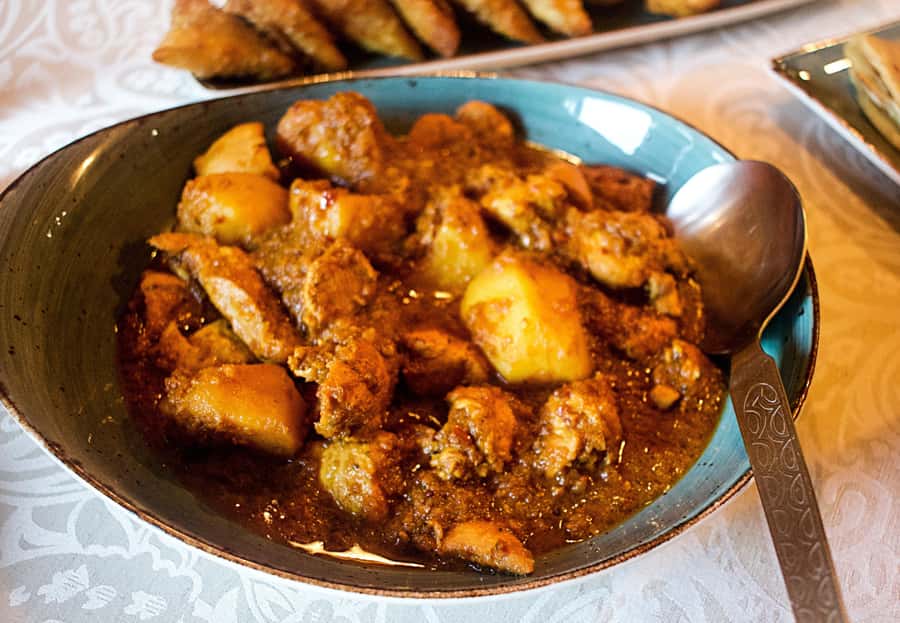
- A true home-kitchen class in the historic Bo-Kaap neighborhood, not a staged demo
- A 3-course meal from scratch, where you cook and then eat your own food
- Cape Malay spice focus, including the how-and-why behind the flavors
- Conversation with a local resident, covering family traditions and community life
- High satisfaction for participation, with multiple hosts encouraging everyone to take part
A Bo-Kaap home kitchen, not a restaurant demo
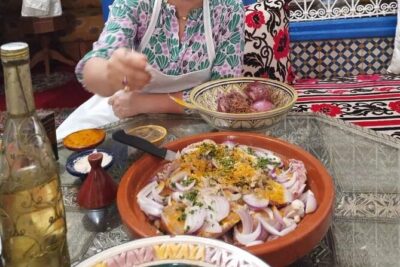
If you want Cape Town food culture that feels personal, this is the kind of activity you’ll remember longer than a sightseeing checklist. The class happens in the Bo-Kaap area, and that matters. You’re not standing at a counter watching someone else work. You’re in the kitchen where the dishes belong.
I like that it is a hands-on format with a local resident. Hosts guide you through the steps, but you still do the prep, the stirring, the folding, and the cooking. The result is that you understand the meal, not just taste it. You also get that extra ingredient that food classes rarely include: real talk about home life and traditions.
One other plus: the food is lunch included (plus soft drinks). So you’re not paying just for the lesson and then scrambling for lunch elsewhere.
The downside of this style of experience is obvious once you’re in the neighborhood: you may have to work around stairs or steep paths. One guest even flagged it because they have a severe back injury. If that’s you, think carefully before you book.
You can also read our reviews of more tours and experiences in Cape Town.
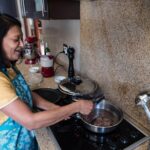
What you cook: a 3-course Cape Malay meal built from spices
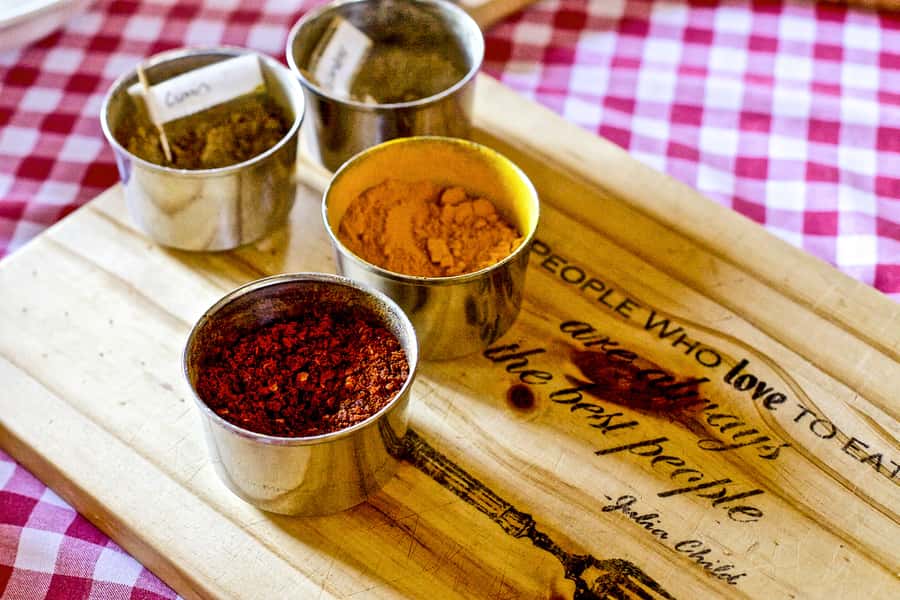
This is billed as a traditional Cape Malay cooking class where you make a popular three-course meal from scratch. You’ll go starter to main, then finish with a third course. The exact dishes can vary, but the core idea stays the same: you learn the Malay flavor logic using authentic spices and fresh ingredients.
In past sessions, people have specifically called out dishes like:
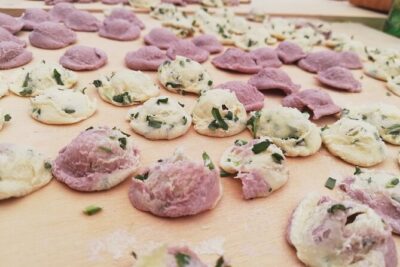
- Samosas (including practical tips on folding so they hold their filling)
- Chilli bites
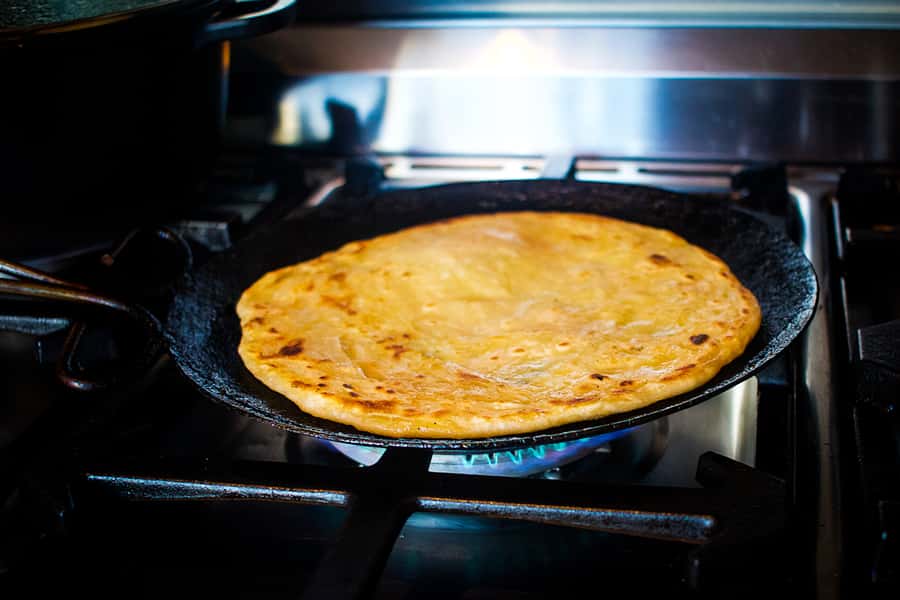
- Roti or flatbread as part of the meal-building
- Chicken curry and/or beef curry as the main-course style
Even if your menu is different, the learning points are similar. You’re not just following a recipe card. You’re learning how Cape Malay cooks think about seasoning. That might mean balancing spices so they don’t overpower each other, or understanding how aromatics release flavor when they hit heat.
And yes, you’ll eat what you make. That sounds obvious, but it’s the big difference between a cooking class that teaches and one that just provides entertainment. When you sit down after cooking, you can connect taste to technique. That is where the meal becomes memorable.
Practical tip: come hungry and expect to smell like spices afterward. That cumin-coriander mix clings. Consider it a souvenir.
History you can taste: Malay influences in South Africa
Cape Malay cooking is often described as a blend, but what you actually need is the reason behind the blend. This class is designed to explain what makes Cape Malay cuisine different from other South African dishes, and it does that through the voice of a local resident.
From the way hosts teach, you get two layers at once:
1) you learn ingredients and methods, and
2) you learn how those choices connect to community life and family traditions.
Hosts talk about culture in plain terms: what’s made at home, how food fits into gatherings, and where certain techniques or spice habits come from. The class also turns into a conversation. People ask questions while cutting, stirring, and waiting for things to cook.
One practical benefit for you: you’ll leave knowing what to order or cook later. Instead of thinking, this was delicious, you can name what you liked and why. You can also spot Cape Malay flavors the next time you see them on a menu.
How the 2 hours usually flow (and where you can slow down)
The session runs for 2 hours, so it moves. That’s part of the value: you get a compact cultural experience, and you still finish with a proper meal.
Here’s the pacing you should expect, based on how the class is described and the way hosts guide participation:
- Arrival and kitchen setup: you meet your English- or Afrikaans-speaking host/greeter and get oriented to the kitchen.
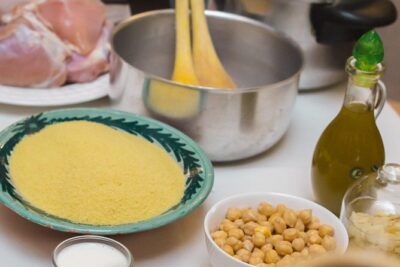
- Spice and ingredient work: you start with fresh ingredients and authentic spices. This is where you learn what each spice is doing in the dish.
- Starter prep: you tackle an early dish, often something handheld or snack-like such as samosas or chilli bites, then cook it to completion.
- Main-course cooking: you move into the main element, often a curry style dish, and you practice cooking steps that build flavor.
- Final course and plating: there’s a third course to round it out, followed by sitting down together.
- Eat, talk, and ask questions: you enjoy the meal with the host, with conversation focused on family, local traditions, and community.
The key for you: this is not a class where you each get your own station and work in isolation. Many people describe it more like a group meal workflow, where the class helps make the starters and main together and then eats. That style means you’ll participate, but it also means you might share counter space and timing with others.
If you prefer a very quiet, solo cooking experience, this might not feel like that. But if you want a social, practical class where you learn by doing, it’s a strong fit.
Eating the payoff: lunch and soft drinks included
Let’s talk about the best part, because it’s built in: lunch is included, along with soft drinks. After you cook, you sit down and enjoy what you made. That matters for value, yes, but also for learning.
When you eat the food you helped create, you can connect:
- the spice aroma you noticed while cooking, to
- the flavor you taste in the final dish.
It also means you don’t need to plan a restaurant lunch afterward. In a city where meals can eat up time, that’s practical.
If you’re the type who likes to ask questions while you eat, you’ll have that moment. The meal becomes an informal exchange. You might hear about how recipes are adjusted at home, why certain techniques matter, or how families pass down spice knowledge.
Dietary notes: the only specific restriction in the provided info is that alcohol and drugs are not allowed. For dietary allergies or specific needs, you’ll want to confirm directly with the host before booking since the details aren’t listed here.
Price and value: why $52 feels fair for what you get
At $52 per person for 2 hours, this class is positioned as an experience with a built-in meal. Here’s how I think about the value.
You’re paying for:
- instruction from a local host/chef guide (English or Afrikaans),
- cooking in a home setting,
- and a three-course Cape Malay meal plus lunch drinks.
In other words, the money isn’t only buying tips. You’re also buying the full outcome: food you cooked and then ate. That makes the price easier to swallow than classes where you only watch or where the meal is small or separate.
Also consider what you avoid. You don’t have to pay for lunch at a restaurant after class. You still need to handle getting there and back since transportation isn’t included, but the meal value is covered.
A quick way to decide: if you’d pay for a guided cultural activity and then still find yourself hunting for lunch, this will likely feel like a good deal. If you already have easy meal plans and only want a quick taste, you might find it too “commitment-heavy.”
Logistics in Bo-Kaap: stairs, footwear, and getting there
Bo-Kaap is beautiful, but it is not laid out like an airport terminal with flat walkways. In one account, a guest mentioned walking down steep streets to reach where they ate, and it was difficult due to a back injury. That’s the main logistics callout I’d give you up front.
So here’s your practical checklist:
- Wear supportive shoes. Your feet will thank you.
- If stairs are an issue, consider traveling with help or choosing a time when you can manage the walk comfortably.
- Plan your afternoon with a little flexibility, since you’ll want time to move slowly after cooking.
Also, transportation isn’t included. That means you should plan how you’ll get there and budget for it. On the plus side, once you’re in the area, the experience feels concentrated and local.
Language is covered by the host or greeter in English and Afrikaans, so you shouldn’t worry about understanding instructions.
Who this class is perfect for (and who should choose something else)
This Cape Malay cooking class is a great match if you want:
- a cultural food experience that teaches technique, not just flavors,
- an activity where you can take part, even if you’re not a confident cook,
- and a meal that’s part of the story of the place.
It’s also ideal for small-group travelers who like conversation. Many participants talk about warmth and family-style hospitality, which is exactly what you should want if you’re craving a human connection rather than a museum vibe.
It may be less ideal if you:
- struggle with stairs or steep paths,
- hate shared, social group cooking,
- or only have time for a quick bite and photo session.
Should you book Cape Malay Cook Up in Bo-Kaap?
Yes, I’d book it if you want a hands-on meal experience with real cultural context. The strength here is simple: you cook a three-course Cape Malay meal, you eat it afterward, and you learn from a local resident who can explain what makes the food Cape Malay. That combination is rare.
Hold off if stairs and steep walking could be a problem for you. It’s not just a theoretical concern; at least one guest flagged it directly. If you can manage the terrain, you’re likely to leave with skills you can use at home, not just a full stomach.
FAQ
FAQ
How long is the Cape Malay Cooking Class in Bo-Kaap?
It lasts 2 hours.
Where does the class take place?
In the Bo-Kaap neighborhood in Cape Town, Western Cape, South Africa.
What will I cook during the class?
You’ll prepare a popular 3-course Cape Malay meal from scratch, using authentic spices and fresh ingredients.
Do I eat what I cook?
Yes. After cooking, you sit down with your host and enjoy the meal you prepared.
What’s included in the price?
The cooking class, lunch, and soft drinks are included.
Is transportation included?
No, transportation is not included.
What languages are the host or greeter?
The host or greeter speaks English and Afrikaans.
Are there any restrictions on alcohol or substances?
Alcohol and drugs are not allowed.
What’s the cancellation policy?
You can cancel up to 24 hours in advance for a full refund.
Is there a way to book without paying immediately?
Yes. You can reserve now & pay later, meaning you can book your spot and pay nothing today.