REVIEW · SIGIRIYA
Organic Cooking Class sigiriya home Kitchen(Kumara & family)
Book on Viator →Operated by Organic Cooking & lesson [Treditional Sri Lanka Foods] · Bookable on Viator
A wood stove, a garden walk, then dinner.
This organic cooking class in Sigiriya lets you learn a traditional Sri Lankan meal from scratch at a real family home, using ingredients and spices grown and made on site. I like that it stays simple and hands-on: you help prep, you learn what the flavors are, and then you eat what you made.
I love the garden-to-kitchen approach, where the vegetables come from the family’s yard and the herbs/spices are part of the lesson, not an afterthought. I also love that the cooking happens on a wood stove, so you get that practical, down-to-earth feel of how Sri Lankan home cooking actually works.
One thing to consider: this is a private-residence class, so it’s not a slick, restaurant-style setup. If you want a high-comfort, showroom experience, this may feel more rustic than you expect.
In This Review
- Key Highlights You’ll Care About
- A Wood-Stove Sri Lankan Meal at Kumara’s Home in Sigiriya
- Where You Meet and How This Class Feels Logistically Easy
- Garden-to-Plate Ingredients: What “Organic” Means in Practice
- Homemade Spices Workshop: Learning Flavors, Not Just Recipes
- From Setup to Multi-Dish Curries: How the 2-Hour Flow Works
- The Wood Stove Difference: Why This Cooking Setup Matters
- Small Group Maximum of 10: More Help, Less Waiting
- Price and Value: What $28 Buys You in Sigiriya
- Who Should Book This Cooking Class (and Who Might Pass)
- Booking Smart: Timing and What to Bring
- Should You Book Organic Cooking Class Sigiriya (Kumara & Family)?
- FAQ
- Where does the Organic Cooking Class in Sigiriya meet?
- How long is the cooking class?
- How much does the class cost?
- What will I cook during the class?
- Are the ingredients and spices organic?
- Is the cooking done on a wood stove?
- How many people are in the group?
- What’s the cancellation policy?
- How do I get my ticket and is it easy to reach?
Key Highlights You’ll Care About
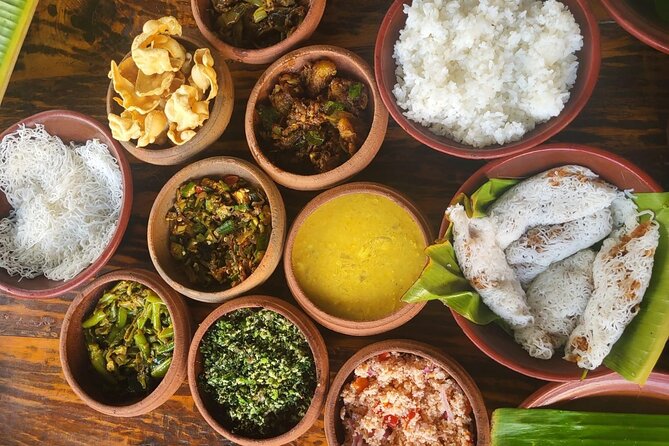
- Organic ingredients from the home garden, harvested for the meal
- Homemade spices taught as part of the flavor system, not just “add a little”
- Wood-stove cooking that makes the whole process feel traditional and real
- A family-run class in a private residence, small and personal for a max group size of 10
- You cook and then eat a multi-dish curry lunch and dinner style meal in about two hours
- Warm, multi-generational hospitality that turns a lesson into a genuine visit
A Wood-Stove Sri Lankan Meal at Kumara’s Home in Sigiriya
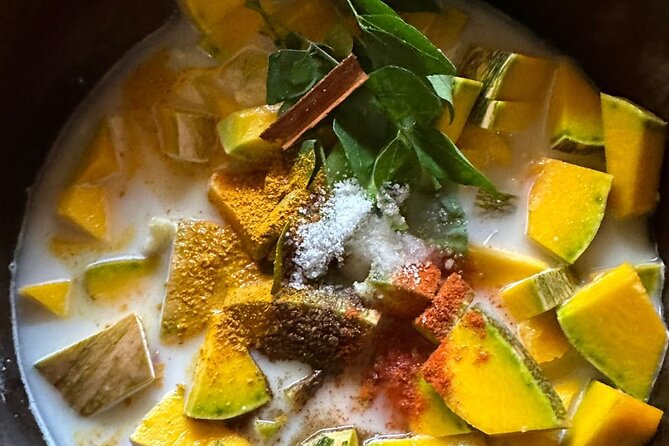
If you’re passing through Sigiriya, this is the kind of activity that makes the place feel human. Instead of watching cooking from behind a glass, you’re in the kitchen with Kumara and family at a private home, learning how a traditional Sri Lankan meal comes together.
The best part for me is the “small details” vibe. You’ll gather ingredients, learn what spices do in the dish, and work through the steps with the family. That’s what turns a cooking class from entertainment into a skill you can actually use later.
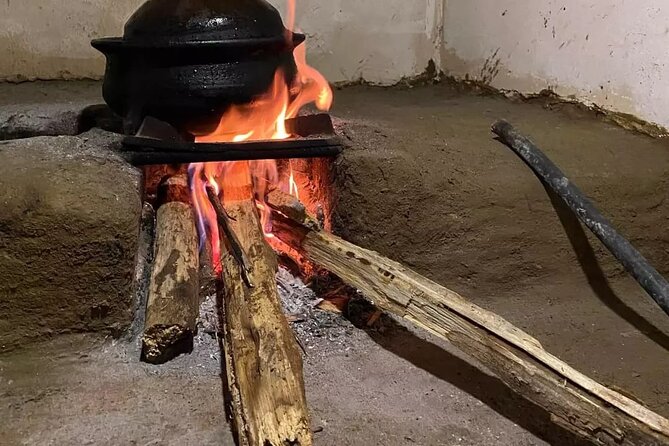
And yes, it’s a simple place: you’re cooking with a wood stove, not an induction plate show. For most people, that’s exactly the point.
You can also read our reviews of more tours and experiences in Sigiriya.
Where You Meet and How This Class Feels Logistically Easy
The class meets at Organic cooking class sigiriya (kumara & family), 284 kahatagahayaya, kalapuraya, Sigiriya 21120, Sri Lanka. The activity ends back at the meeting point, so you don’t need to plan a separate drop-off.
You’ll also get a mobile ticket, and the class is near public transportation. That matters in Sri Lanka, where getting around can be easy one day and fiddly the next. Keeping the start and end in the same spot helps.
Group size is capped at 10 travelers, which keeps the lesson from turning into a lecture you can barely hear. You’ll get more attention, more chances to ask questions, and a better shot at actually following the steps.
Garden-to-Plate Ingredients: What “Organic” Means in Practice
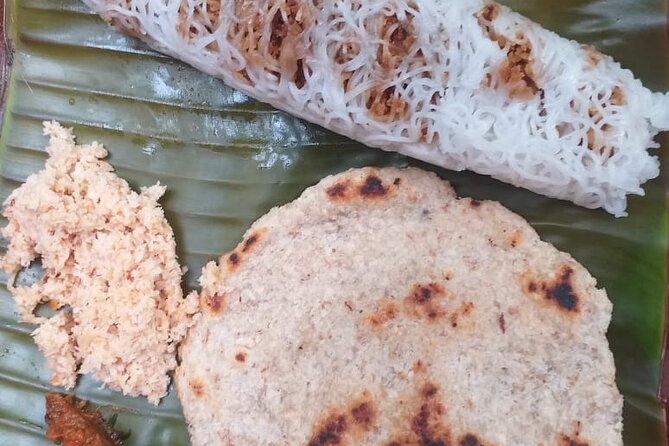
This class isn’t just branding. It’s built around the idea that you cook with what the family grows and keeps. You’ll gather ingredients from the garden first, then use them in the meal.
That garden walk does two useful things. First, it makes the cooking steps easier to follow because you’ve already seen the plants. Second, it gives you a clearer sense of what “fresh” actually means in Sri Lankan cooking—vegetables aren’t just chopped; they’re part of the balance.
The class also emphasizes organic produce and homemade inputs. Even the spices are described as being made by the family, not purchased pre-mixed. For you, that can mean a flavor profile that feels more grounded and less standardized.
Homemade Spices Workshop: Learning Flavors, Not Just Recipes
Sri Lankan cooking is spice-driven, but lots of classes skip the reasoning and focus only on the final dish. Here, the focus is on learning the spices and how they contribute to taste.
You’ll learn about the spices used in the meal and how the family thinks about flavor. That’s valuable because when you understand why something works, you can adapt later—at home, or in a different kitchen with different brands.
What makes this especially satisfying is that the spices aren’t treated like magic powder. They’re explained through use: what goes where, and how it changes the curry as it cooks.
One more detail: because this is a home kitchen, the lesson tends to feel practical. You’re not just watching technique; you’re learning how the family cooks when they’re feeding themselves.
From Setup to Multi-Dish Curries: How the 2-Hour Flow Works
The class runs about 2 hours. In that time, you’ll go from ingredient gathering to cooking and then sit down to enjoy a meal prepared from your work.
Here’s what the flow looks like in real life:
First, you start at the home and get oriented. You’ll gather vegetables/herbs from the garden, then move into the kitchen area. Even if you’re not a fast chopper, the pace is geared toward getting everyone involved.
Next comes the core cooking work. You’ll help with preparing a multi-dish curry lunch & dinner-style meal. That usually means more than one dish in the mix, and you’ll likely get a chance to take part in different steps rather than only one repetitive task.
Finally, you relax and eat. That’s a big deal with cooking classes: sometimes you spend the whole time working, then you eat something quick that’s not the same as what you cooked. Here, you’re meant to enjoy the meal prepared in the class.
If you like hands-on travel experiences, this format fits nicely. If you’re the type who gets stressed in tight timelines, keep it in mind—but the small group size helps.

The Wood Stove Difference: Why This Cooking Setup Matters
The kitchen is run on a wood stove, and that changes the feel of the lesson. You’re not cooking with a perfectly controlled, modern heat source. Instead, you’re cooking with the kind of steady, lived-in fire you’d expect in a rural home.
For you, that means two things:
- The food may taste different because cooking style affects aroma and how ingredients develop.
- Your understanding of cooking becomes more sensory. You’ll pay attention to smell and bubbling and timing, not just numbers on a knob.
Is it harder than a modern setup? It can be a little. But that’s also why the class feels grounded. You’re learning kitchen habits that matter where this food tradition comes from.
Small Group Maximum of 10: More Help, Less Waiting
With a maximum of 10 travelers, the class avoids the usual “line up, watch, repeat” problem. In a small group, you’re more likely to get direct help with technique—like how to handle ingredients, when to add spices, and how to balance flavors.
It also keeps the meal part more enjoyable. You’re not just sitting down among strangers; you’re part of the action that created the dishes.
If you’ve ever done a tour that felt too crowded to feel personal, this small size is one of the main reasons it earns such strong recommendations.
Price and Value: What $28 Buys You in Sigiriya
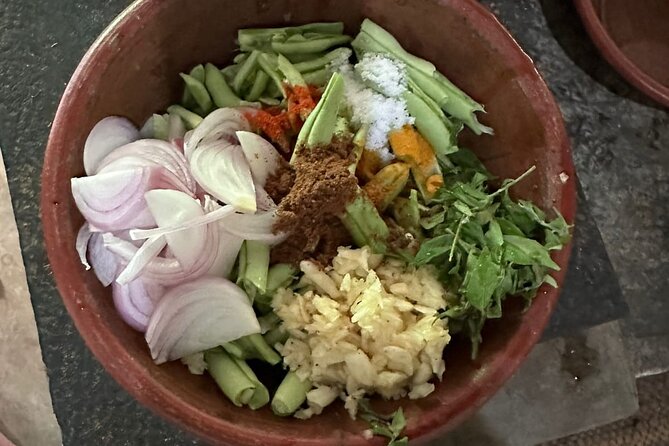
At $28, you’re paying for a full, hands-on meal experience: garden ingredient gathering, spice education, cooking assistance, and then eating the meal.
Value here isn’t just “a cheap class.” It’s the total package:
- organic garden ingredients
- homemade spice approach
- wood-stove traditional cooking setting
- multi-dish curry meal
- a short class time that doesn’t eat your whole day
If you’re comparing against buying a single meal in town, this costs more—but it also gives you skill and context. And in a region like Sigiriya, where food tours can drift into generic “culture” talk, this one stays practical.
Who Should Book This Cooking Class (and Who Might Pass)
This fits best if you:
- want a real home-cooking experience in Sigiriya
- like learning how flavors work, not just copying plated dishes
- enjoy small-group activities where you can ask questions
- are excited by organic, garden-sourced ingredients and spice-focused cooking
It might be less ideal if you need a highly polished setting or you’re expecting a classroom-style demo. This is a family kitchen and a family rhythm.
Also, because it’s described as a home-based experience, you’ll want to be comfortable with a slightly rustic setup and learn the process by doing—not by being entertained from a distance.
Booking Smart: Timing and What to Bring
This runs about two hours, so it’s a great fit as a half-day stop when you don’t want to lose your whole schedule. It starts and ends at the same meeting point, which makes planning around it simpler.
You should also be ready to get involved. If you’re the type who prefers to stand back, you might enjoy watching, but the class is set up for participation.
What to bring isn’t listed in the details you provided, so I’ll keep this practical: wear comfortable clothes you don’t mind getting splashed during cooking, and bring a water bottle for before/after.
If service animals are part of your travel needs, this activity states that they’re allowed.
Should You Book Organic Cooking Class Sigiriya (Kumara & Family)?
Yes, if you want something more personal than a restaurant cooking show. This class gives you the core ingredients—literally—and the reason behind the flavors. The homemade spices, the wood stove, and the home-garden sourcing make it feel like a real living tradition, not a scripted performance.
I’d skip it only if you’re chasing a high-comfort, studio-like experience or you dislike participating in hands-on cooking. If you’re okay with a modest rural kitchen setup and you want to learn how Sri Lankan curry meals are built, this is a strong pick for your Sigiriya day.
FAQ
Where does the Organic Cooking Class in Sigiriya meet?
It meets at Organic cooking class sigiriya (kumara & family), 284 kahatagahayaya, kalapuraya, Sigiriya 21120, Sri Lanka.
How long is the cooking class?
The duration is approximately 2 hours.
How much does the class cost?
The price is $28.
What will I cook during the class?
You’ll prepare a multi-dish curry lunch & dinner and enjoy the meal afterward.
Are the ingredients and spices organic?
The class states that all items are organic, vegetables are harvested from the garden, and the spices are homemade.
Is the cooking done on a wood stove?
Yes, you cook in a home kitchen using a wood stove.
How many people are in the group?
The maximum group size is 10 travelers.
What’s the cancellation policy?
Free cancellation is available. You can cancel up to 24 hours in advance for a full refund.
How do I get my ticket and is it easy to reach?
You receive a mobile ticket, and the activity is near public transportation. Confirmation is received at booking.