REVIEW · TOKYO PREFECTURE
3-Hour Guided Musubi Japanese Home Cooking Class
Book on Viator →Operated by Musubi Co., Ltd. · Bookable on Viator
A home kitchen lesson in Tokyo beats most cooking classes. This 3-hour guided Musubi experience takes you into the instructor’s apartment to cook, learn the flavor basics, and then enjoy your meal right there.
I really like the hands-on setup: you start from scratch and build one main dish plus two sides, with miso soup and rice on the table too. I also like that the class is small (up to 6) and taught in fluent English, so you can actually ask questions instead of nodding through cooking gestures.
One possible drawback to plan for: transportation isn’t included, and the class is based around meeting at Musashi-Koganei Station. If you’re staying far away, budget a little extra time and effort to get there smoothly.
In This Review
- Key points before you book
- A Home Kitchen in Tokyo Beats a Restaurant Lesson
- Getting Oriented: Musashi-Koganei Meeting Point and Timing
- Pick Your Main Dish: From Deep-Fried Chicken to Sushi Rolls
- One Big Skill: Umami and Dashi That Actually Makes Sense
- Two Side Dishes Plus Miso Soup: The Lunch Part Isn’t an Afterthought
- The Home Visit: Mid-Tokyo Life Without the Tourist Bubble
- What You Bring Home: Recipes, Ingredients, and Repeatable Confidence
- Price and Value: Is $85 Fair for This Much Cooking Time?
- Who This Class Suits Best (and Who Might Want Another Option)
- Booking Tips That Will Make the Day Smoother
- Should You Book This Japanese Home Cooking Class?
- FAQ
- How long is the 3-Hour Guided Musubi Japanese Home Cooking Class?
- Where is the meeting point for this experience?
- Is lunch included?
- What will I learn to cook?
- How large is the group?
- Do the instructors speak English?
- Do I need to arrange transportation to the meeting point?
- What dietary options are available?
- What is the cancellation and refund policy?
- Is it family-friendly, and are there any group rules?
Key points before you book
- Small-group cooking in a real Tokyo apartment (not a restaurant classroom)
- One main + two sides, plus miso soup with rice for lunch
- Learn umami and dashi so the flavors make sense, not just the steps
- English-speaking instruction with a very welcoming, conversational vibe
- Recipe and ingredients included, so you can repeat the meal at home
A Home Kitchen in Tokyo Beats a Restaurant Lesson
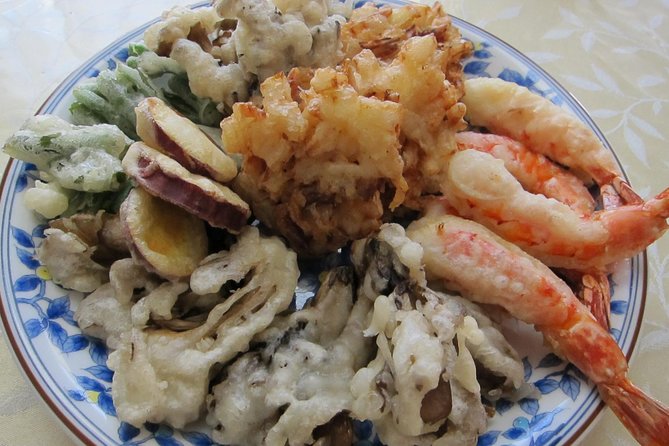
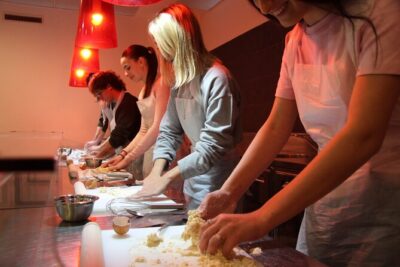
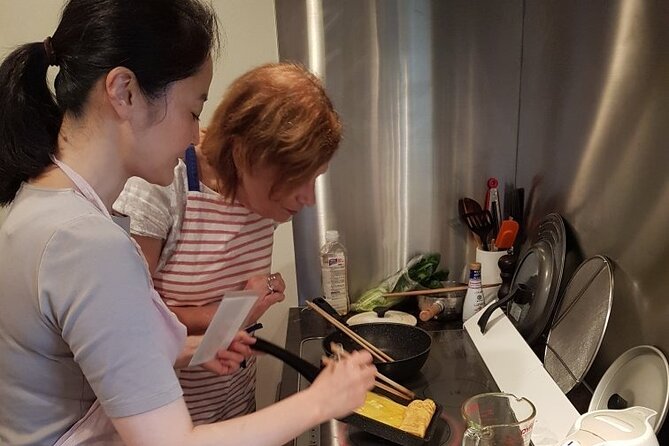
This class works because it’s not pretending cooking is only for pros. You’re learning Japanese home-cooking, in the instructor’s own space, which changes the whole tone. The lesson feels like a practical visit—hands busy, questions welcome, and lunch is part of the process.
I also like that the focus is on “you can do this” cooking. The message here is simple: Japanese food can look fancy on menus, but many everyday flavors come from easy, repeatable methods. You’ll get that in a single session by cooking a full meal, not just one complicated dish.
And yes, Tokyo has options for cooking lessons. But being in a local apartment gives you something most classes miss: a better sense of how Japanese people actually live midtown Tokyo, not just how they eat.
Getting Oriented: Musashi-Koganei Meeting Point and Timing
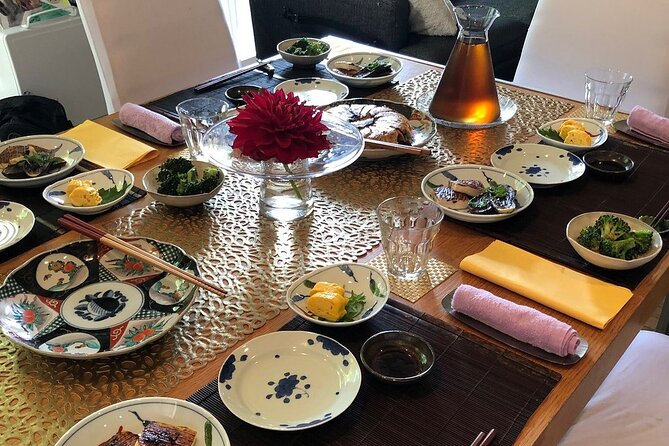
You start and end back at the meeting point near Musashi-Koganei Station. The address is 6 Chome-14 Honcho, Koganei, Tokyo 184-0004. Expect a smooth start: you’ll show your mobile ticket, meet your instructor, and then head together to the home kitchen.
Plan around logistics. Since transportation to/from the meeting points isn’t included, you’ll want to plug the station address into your transit app and give yourself buffer time. The class ends where it starts, so you’re not stuck figuring out a complicated return.
For planning comfort, think of this as a morning-to-lunch style block even though the exact lunch time can vary. The experience is around 2 hours 30 minutes total, so it’s long enough to cook and eat, but not so long that you lose the day.
Pick Your Main Dish: From Deep-Fried Chicken to Sushi Rolls
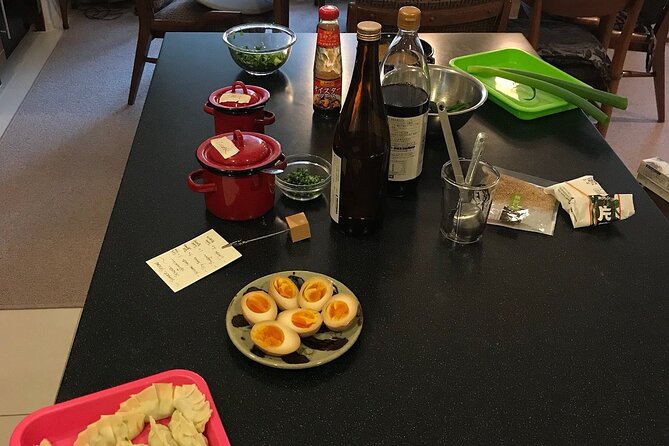
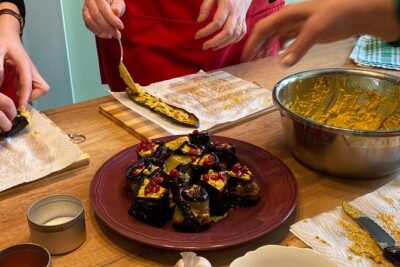
The meal is built around one main dish plus two sides. Before you go, you’ll be able to choose from Japanese classics. Examples include deep-fried chicken and seaweed-wrapped sushi rolls. In addition, some menu options you might encounter include gyoza, and the class includes plenty of practical guidance for the tricky parts (like getting wrappers folded neatly).
Here’s why choosing your main matters for value. A lot of cooking classes throw you into one “assigned” dish. This one gives you options, which means you’re more likely to cook something you genuinely want to recreate later.
Once you’ve chosen, you’ll work through the process step by step: prep, cooking, and finishing. And because it’s in a home kitchen, the workflow tends to feel realistic—smaller spaces, normal tools, and a rhythm that mirrors what you’d do at home.
One Big Skill: Umami and Dashi That Actually Makes Sense
A standout part of the class is learning umami/dashi (soup stock). Dashi is the flavor engine behind a lot of Japanese cooking. When people say Japanese cuisine is complicated, it’s usually because they can’t see where the flavor comes from.
In this lesson, dashi isn’t treated like a mysterious ingredient. You learn it as a concept and as a process—how it supports soups, seasoning, and overall balance. Even if you don’t remember every step later, you’ll leave with a better sense of what to aim for when you’re cooking Japanese food on your own.
You’ll also use that knowledge during lunch, since the meal includes miso soup with rice. That’s important. It’s one thing to learn a stock in theory; it’s another to taste it alongside your food immediately.
Two Side Dishes Plus Miso Soup: The Lunch Part Isn’t an Afterthought
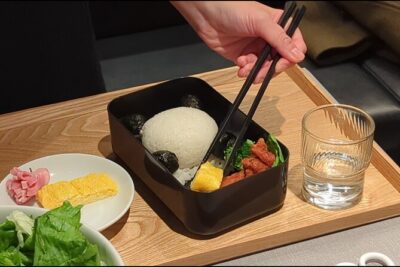
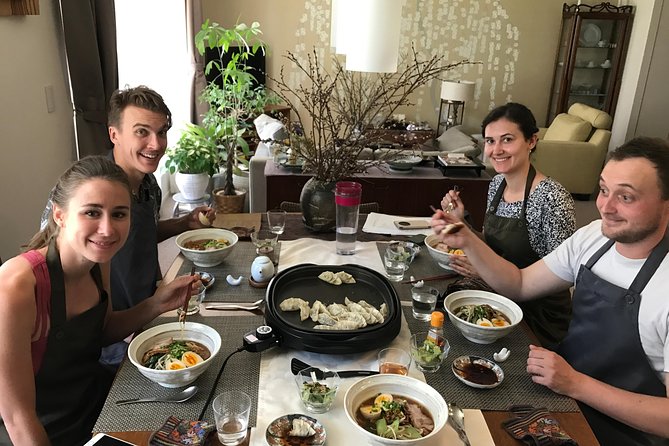
The structure here is straightforward: you make one main dish, two side dishes, and then enjoy lunch. The meal you cook is the meal you eat—no awkward waiting while someone else plates.
That’s not just nice; it’s smart teaching. You can correct your technique as you cook because you’re tasting your progress. And because you’ll be eating the final result in the instructor’s home, you’ll understand how the different dishes work together on a single table.
You also get coffee and/or tea with lunch. It sounds small, but it finishes the experience like a real home meal rather than a rushed demo.
One detail that’s easy to overlook: you’ll use an apron and cooking utensils provided for you. That removes friction, especially if you’re trying to travel light. You’re not hunting for gear; you’re focusing on the food.
The Home Visit: Mid-Tokyo Life Without the Tourist Bubble
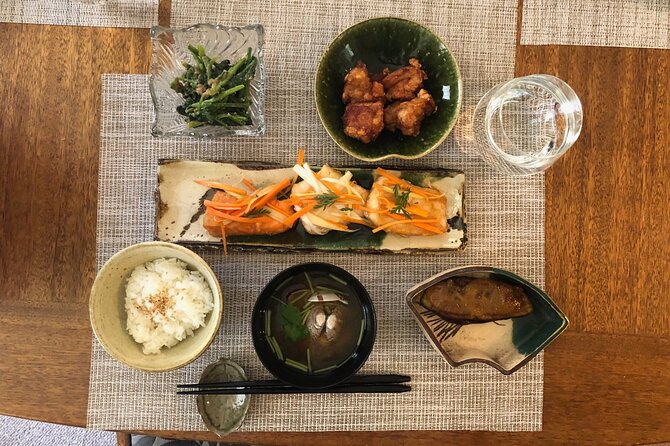
This experience includes an apartment visit—you’re in the instructor’s home, not a commercial cooking studio. That difference is huge if you care about texture in travel: the everyday setup, the way a home kitchen functions, and the environment where the food is actually made.
You’ll also learn more than recipes. The whole point is cultural context: the instructor aims to teach home-cooked Japanese food and share practical tips about why certain things are done a certain way. It’s the kind of explanation that makes you feel like you understand the food, not just follow steps.
In the reviews people consistently mention the host’s warmth and generosity, and that matches the vibe this class is designed for. You’re working with a teacher who talks you through what you’re doing and keeps the energy friendly.
What You Bring Home: Recipes, Ingredients, and Repeatable Confidence
You’ll get ingredients and a recipe copy to take home. That matters because cooking lessons often fail at the “after” part—people learn a technique in the moment, then can’t recreate it later.
Here, you’re leaving with a written reference. And because ingredients are included, you have a starting point when you shop at home. Even if you substitute something you can’t find, the recipe helps you keep the overall flavor direction.
I also like that the class teaches basics rather than only “special-occasion” dishes. A good Tokyo souvenir is usually a thing you can use. A working recipe fits that better than most trinkets.
Price and Value: Is $85 Fair for This Much Cooking Time?
At $85, this isn’t a bargain-basement snack class. But it can be good value if you look at what you get.
You’re paying for:
- A small group limit (up to 6), meaning more attention while you cook
- Hands-on instruction for a full meal (main + two sides)
- Learning umami/dashi, not just plating
- Lunch included (miso soup with rice + what you cook)
- Ingredients, apron, utensils, and recipe copy
In practice, the real cost driver is time plus direct instruction. A home-kitchen setting also has overhead: preparing ingredients, setting up the space, and hosting people in someone’s personal environment. When the class stays small, that cost per person becomes more reasonable.
If you’re the type of traveler who likes food but hates wasting time on tastings without skill-building, this one is a better match than many “eat-only” experiences.
Who This Class Suits Best (and Who Might Want Another Option)
This is a great fit if you:
- Want to learn techniques you can reuse, especially around dashi and umami
- Prefer smaller, friendlier settings over crowded tours
- Like the idea of cooking a complete lunch rather than doing a single item
- Enjoy chatting as part of the experience (the teaching style here is clearly conversational)
It may be less ideal if you:
- Struggle with getting to the meeting point independently, since transport isn’t included
- Don’t want to cook at all and only want to watch (this class is built for doing)
- Are traveling in a group that includes constraints like a group of only male participants, since that setup isn’t allowed
One more practical note: dietary needs should be communicated at booking. The class specifically asks you to advise dietary requirements and preferences, which helps the instructor plan.
Booking Tips That Will Make the Day Smoother
A few small steps can improve your experience:
- Send your dietary info during booking so the menu can be adjusted for you.
- Confirm your meeting plan early. The experience begins and ends at the station area, so you’ll want transit timing locked.
- Come ready to work with your hands. Even if you’re not a confident cook, the steps are designed to be doable.
Also, note the house-rule style constraints: children under 9 are free, but group of only male isn’t allowed. If you’re traveling with family or with friends, check group composition before assuming you can join.
Should You Book This Japanese Home Cooking Class?
If you like food experiences that leave you with skills—not just photos—this class is a strong choice. The best reason to book is the combination of hands-on cooking in a real home, a small group, and a lesson focused on flavor basics like dashi. Lunch being included means you immediately get to taste what you made in a calm setting.
If you’re on a tight schedule or you don’t want to handle getting to Musashi-Koganei yourself, you might look for something closer to your lodging. Otherwise, this is exactly the kind of Tokyo experience that turns cooking from a mystery into something you can repeat.
FAQ
How long is the 3-Hour Guided Musubi Japanese Home Cooking Class?
The class runs about 2 hours 30 minutes.
Where is the meeting point for this experience?
You meet at Musashi-Koganei Station, with the listed address near 6 Chome-14 Honcho, Koganei, Tokyo 184-0004.
Is lunch included?
Yes. Lunch is included, and the meal includes what you cook—one main dish, two side dishes, plus miso soup with rice. Coffee and/or tea are also included.
What will I learn to cook?
You’ll learn to prepare a Japanese meal from start to finish, including one main dish and two side dishes. The class also includes learning about umami/dashi.
How large is the group?
It’s a small group with a maximum of 6 people per booking.
Do the instructors speak English?
Yes. The instructors speak fluent English.
Do I need to arrange transportation to the meeting point?
Yes. Transportation to/from meeting points is not included.
What dietary options are available?
You should advise any dietary requirements and preferences at the time of booking, so the instructor can plan accordingly.
What is the cancellation and refund policy?
The policy states you can cancel up to 24 hours in advance for a full refund. If you cancel within 24 hours, there is no refund.
Is it family-friendly, and are there any group rules?
Children under 9 years old are free. Also, a group of only male is not allowed.
If you tell me your travel dates and where you’re staying in Tokyo, I can help you sanity-check the transit plan to Musashi-Koganei and whether this timing fits your day.