REVIEW · CHIANG MAI
Cooking class in organic garden and local market tour ThaiCottage
Book on Viator →Operated by Thai Cottage Home Cookery School · Bookable on Viator
Curry paste starts with your hands. This ThaiCottage class in Chiang Mai takes you from a local market to an organic herb garden, then back to a family-style kitchen where you cook what you learned. I like that the big focus is truly hands-on, especially the curry paste from scratch.
I also love how the class keeps things practical: you cook in a small group (up to 8 people) and you leave with an online PDF recipe book so you can recreate it later. One possible consideration is that a few ingredients may be partly prepped before you start, so you might not do every step from zero.
In This Review
- Why This Chiang Mai Cooking Class Feels Different From a Regular Demo
- Market Stop First: Ingredients You Can Actually Point To
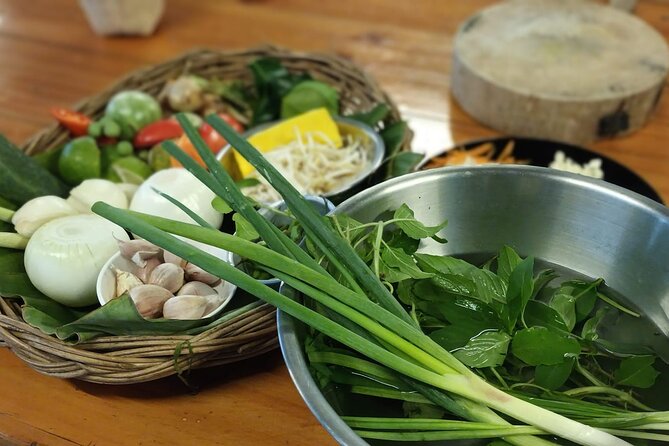
- Organic Herb Garden: Choosing the Vegetables Behind Your Flavors
- Curry Paste From Scratch: The Technique That Changes How You Cook Thai
- Sticky Rice With Mango: A Sweet Finish You Can Repeat
- Choosing Your Dishes: Options Without the Chaos
- The Cooking Setup: Traditional Family Style, With Real Attention
- Eating What You Make: Why This Meal Tastes Better
- Transfers, Time, and Group Size: The Practical Side of Booking
- Tips So You Get More Out of the Class
- Should You Book This ThaiCottage Cooking Class in Chiang Mai?
- FAQ
- How long is the ThaiCottage cooking class?
- Where does pickup happen, and is it included?
- What’s included in the price?
- What dishes will I cook?
- Is alcohol included?
- Do I get recipes to take home?
- How large is the group?
- What happens if the weather is bad?
- What’s the cancellation window for a full refund?
Why This Chiang Mai Cooking Class Feels Different From a Regular Demo
This is the kind of Thai cooking class that treats ingredients like the star of the show. You’re not only watching someone cook—you’re buying or selecting produce at the market, learning what it is and what it does, then using it in dishes that match the categories you want.
The market-to-garden-to-kitchen flow matters because it turns vague flavors into something you can name. Once you’ve handled herbs, chosen vegetables, and made paste from scratch, Thai cooking stops feeling mysterious and starts feeling repeatable.
Market Stop First: Ingredients You Can Actually Point To
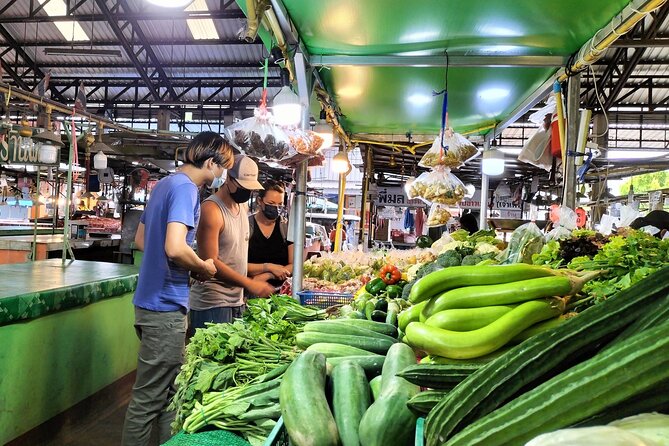
You’ll start with hotel pickup and then head into the local market area. The idea is simple: you see the ingredients used in Thai cooking right away, then you use similar items in your own meal planning. It’s also your chance to get your bearings and see how a Chiang Mai food market works day-to-day.
In most cases, you’ll have a mix of guidance and time to look around. Some people report the instructor explained ingredients during the market visit, and you can also expect some free time to browse. The market portion is where you learn what goes into Thai dishes beyond the obvious things like chili and garlic.
A small heads-up: one person noted that the market visit felt more self-directed than explained step-by-step. If you prefer a lot of product talk, come ready with a few ingredient questions in mind and ask early so you don’t have to wait until the kitchen stage.
You can also read our reviews of more tours and experiences in Chiang Mai.

Organic Herb Garden: Choosing the Vegetables Behind Your Flavors
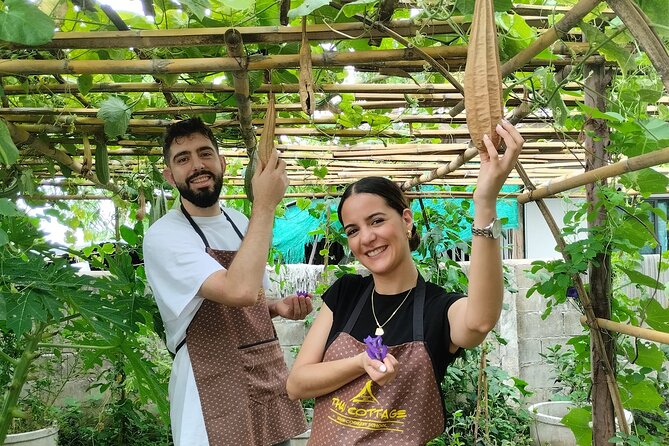
After the market, you’ll go to the school’s organic Thai herb garden. This is more than scenery. It’s where you get to connect the scent and look of herbs and vegetables to what ends up in your dishes.
You’ll explore the herbs and vegetables that will be featured in the class, and you’ll learn how to prepare ingredients you select. Even if you’ve cooked Thai food before, this garden stop helps you understand that Thai flavor building often starts with fresh aromatics, not bottled shortcuts.
The biggest value here is speed. You don’t have to guess what to use at home—you see the ingredients in context and you get recipes later. That pairing is what makes a cooking class useful after the fun part ends.
Curry Paste From Scratch: The Technique That Changes How You Cook Thai
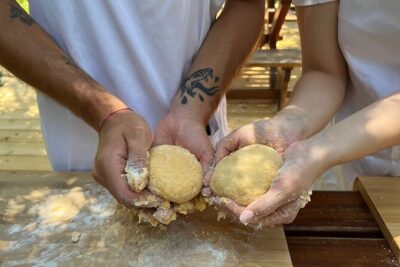
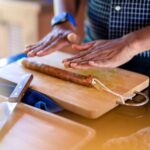
The class makes curry paste from scratch a core activity, not an optional “bonus.” If you’ve ever tried to recreate Thai curry at home using jarred paste, you already know why this matters. Fresh paste gives you a different depth of aroma and heat balance.
In the kitchen, you’ll learn the method from scratch and build the paste you’ll use in your cooking. You also learn why the paste is treated the way it is, which helps you understand texture and intensity—especially when you adjust to your own spice level.
One practical benefit: curry paste is one of those skills you can reuse across multiple dishes. After this class, you’re not just repeating one recipe—you’re gaining a technique that shows up again and again in Thai cooking.
Sticky Rice With Mango: A Sweet Finish You Can Repeat

Everyone in the class also learns how to make traditional sweet sticky rice with mango. This matters because Thai desserts often feel like a separate world from main dishes, and sticky rice is where you learn the real mechanics: timing, texture, and how the dish comes together.
It’s not just about assembling ingredients. You’ll be taught to prepare the sticky rice as part of the program, then finish with mango as the classic pairing. People love this part because it’s both straightforward and very “this is Thailand” feeling once you taste it.
If you’re the kind of person who wants to leave with one recipe that will impress at home, this is usually the one. It also works as a confidence-builder if you’re nervous in the kitchen.
Choosing Your Dishes: Options Without the Chaos
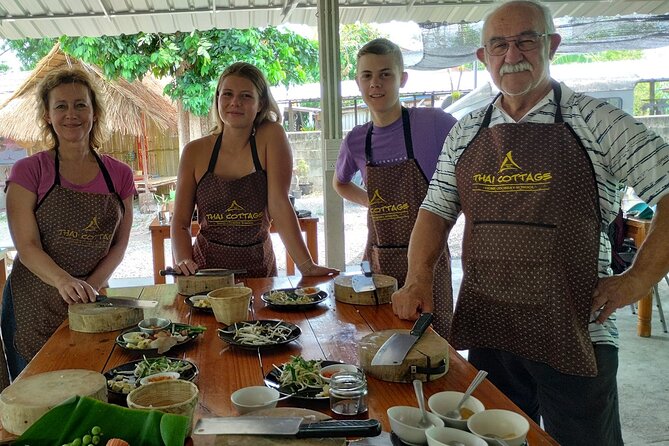
One of the most praised parts of this experience is that you have options. The structure is built around learning multiple dish types, and you can choose dishes you want rather than being forced into one-size-fits-all cooking.
The class format includes learning how to prepare six Thai dishes, each from a different category. Exact selections can vary by session, but the key point for you is control: you can steer your menu toward what sounds good, especially if you’re cooking for different tastes in your group.
What you’ll reliably do during class:
- Everyone learns curry paste from scratch
- Everyone learns sticky rice with mango
- You choose and cook additional dishes across categories (with options)
Several instructors have led sessions, including names like Toey, Tory, Kat, Mac, and Gataii. That variety is a good sign: the class design holds up even with different teaching styles, because the workflow stays consistent—market, garden, then hands-on cooking.



The Cooking Setup: Traditional Family Style, With Real Attention
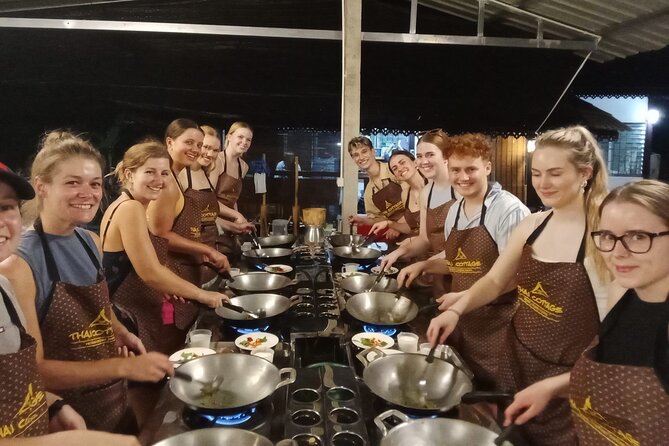
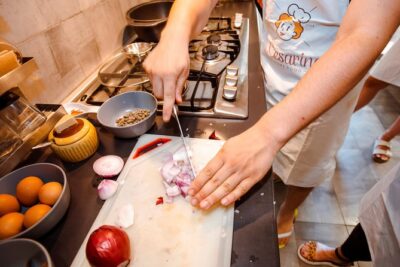
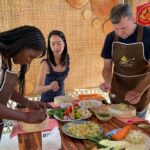
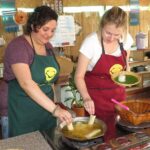
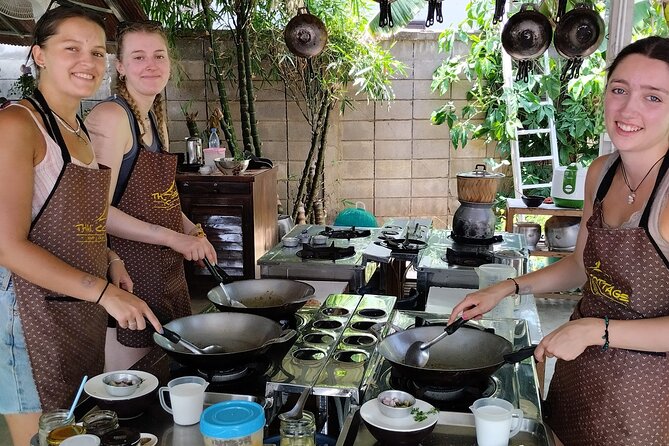
The cooking portion is run in a traditional Thai family-style setup. The kitchen is set up so each person can work rather than sit and wait. Many people specifically mention having their own cooking station, which is huge for learning—your hands stay moving, and you don’t lose time to crowding.
In a session like this, pacing matters. You don’t want a class that spends 30 minutes explaining and 10 minutes cooking. Here, you cook and eat together, and the instructor’s job is to keep you on track through techniques like chopping, mixing, and balancing flavors.
One review mentioned how assistant workers helped with clean-up between dishes, which helps the kitchen stay organized. That means less clutter, fewer interruptions, and smoother transitions between courses.
Also, because the class is designed as an English-language experience—with ingredients, recipes, and instructions in English—you’re not expected to “figure it out” with gestures only. If your Thai is limited, that’s a relief.
Eating What You Make: Why This Meal Tastes Better
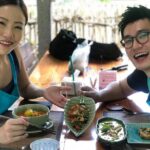
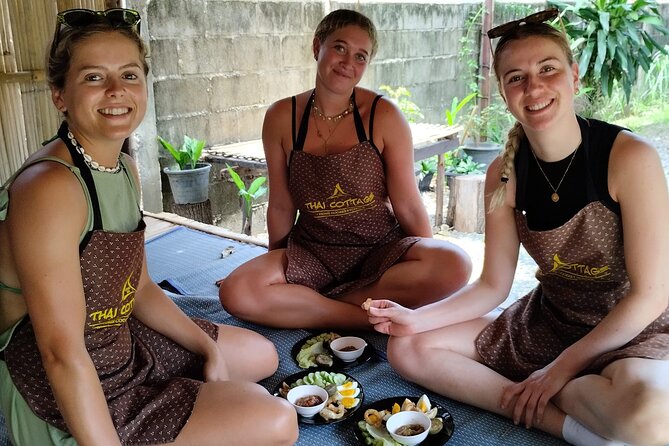
You’ll eat the dishes you cook as part of the session. That sounds obvious, but it’s not always the case with cooking classes. Here, the entire format is built around cooking and then eating right away, in the same traditional family-style setting.
The meal you eat is usually the best argument for the class. When you taste your own curry, stir-fry, soup, or dessert (depending on what you select that day), you instantly understand what each ingredient is doing.
And because you chose dishes ahead of time, you’re less likely to end up with something you don’t like. That matters. A cooking class is only fun if you’re excited to eat what you made.
Transfers, Time, and Group Size: The Practical Side of Booking
The total duration is about 4 hours, which is a sweet spot: long enough to learn multiple skills, short enough to keep your Chiang Mai day flexible.
Round-trip hotel transfer is included if your hotel is within 3 km of the city area. This is a real value add in Chiang Mai, where traffic and route timing can mess with a tight itinerary.
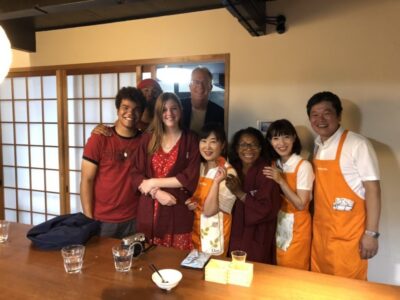
Group size is capped at 8 people. That small number is why instruction can feel personal, and why it’s easier for the instructor to notice when your paste texture is off or your flavors need adjustment.
Price check: it’s $35.86 per person. For that you get:
- market visit
- organic herb garden visit
- ingredients and an English recipe format
- instruction
- round-trip transfer (within the stated range)
- drinking water
This isn’t a fancy, multi-course food tour priced like a luxury experience. It’s a working-class Thai cooking lesson, with enough structure to keep it comfortable and enough hands-on time to make it worth your afternoon.
Tips So You Get More Out of the Class
If you want the biggest payoff, show up ready to cook, not just watch. Wear comfortable clothes for an outdoor market and herb garden portion, and consider closed-toe shoes since you’ll be moving around a kitchen setup.
Bring curiosity. If there’s an ingredient you’ve seen in Thai dishes but don’t understand (kaffir lime, galangal, lemongrass, different chilies), ask about it early during the market and garden parts. The more questions you ask before you start cooking, the easier it is to connect flavor to ingredient.
Finally, treat the PDF recipe book as part of the experience, not a souvenir. After class, pick one dish you enjoyed most and cook it within a week while the technique is fresh in your head.
Should You Book This ThaiCottage Cooking Class in Chiang Mai?
Yes, this is a strong booking if you want a Thai cooking class that focuses on skills, ingredients, and the kind of meal you’ll actually want to recreate.
Book it if:
- you want hands-on instruction, not a passive demo
- you care about learning curry paste basics
- you want a guaranteed Thai dessert win with mango sticky rice
- you like smaller group experiences that stay organized
Skip it or choose another option if:
- you need a market visit that feels fully guided step-by-step the whole time
- you want every ingredient prepared from scratch with zero prior prep
If you’re aiming for a practical Thai cooking afternoon in Chiang Mai, ThaiCottage gives you real technique, real ingredients, and a meal you can trace back to what you learned.
FAQ
How long is the ThaiCottage cooking class?
It runs for about 4 hours.
Where does pickup happen, and is it included?
Round-trip hotel transfer is included within 3 km from the city area.
What’s included in the price?
The class includes hotel round-trip transfer (within the 3 km range), ingredients, recipes and instructions in English, drinking water, a visit to the local market, and the organic Thai herb garden.
What dishes will I cook?
You can choose dishes from the options and you’ll learn how to prepare six Thai dishes from different categories. Everyone in the class also learns sticky rice with mango and makes curry paste from scratch.
Is alcohol included?
No. Alcoholic drinks are available to purchase, but they are not included.
Do I get recipes to take home?
Yes. You receive a PDF version recipe book online.
How large is the group?
The class has a maximum group size of 8 people.
What happens if the weather is bad?
This experience requires good weather. If it’s canceled due to poor weather, you’ll be offered a different date or a full refund.
What’s the cancellation window for a full refund?
You can cancel for a full refund if you cancel at least 24 hours before the experience starts. If you cancel less than 24 hours before, the amount paid is not refunded. Free cancellation is available.