REVIEW · ROME
Pasta and Tiramisu Cooking Class Near the Colosseum
Book on Viator →Operated by Rome With Chef · Bookable on Viator
Fresh pasta and tiramisu beat museum snacks. I love the hands-on cooking (you’ll roll, cut, and cook), plus the small-group feel that means the chef can actually spot what you’re doing. One thing to flag: there are no gluten-free, vegan, or dairy-free options on the menu.
If you’re planning a Colosseum day, this is a fun way to trade lines for flour on your hands. It runs about 3 hours, teaches in English, and uses a mobile ticket, so you can keep your day simple.
You’ll start with tiramisu, then move to fresh fettuccine and a sauce choice (carbonara or cacio e pepe), and finish by eating what you made with local drinks. Expect it to book up fast, since this format stays intimate and caps at 15 people.
In This Review
- Key Points That Make This Class Worth Your Time
- Pasta and Tiramisu Near the Colosseum: The 3-Hour Rhythm
- Where You Meet on Via Cesare Balbo and Why It Matters
- Tiramisu First: What You Learn and What You Actually Do
- Fresh Fettuccine From Scratch: Rolling, Cutting, and Timing
- Carbonara or Cacio e Pepe: Choosing Your Roman Sauce
- Eating the Results: Wine, Limoncello, and the Best Part
- The Cost: Is $95.58 Worth It in Rome?
- Who This Class Is Best For (and Who Should Rethink It)
- Practical Tips for Making It Go Smoothly
- Should You Book This Pasta and Tiramisu Class Near the Colosseum?
- FAQ
- How long is the Pasta and Tiramisu cooking class?
- Where does the class start?
- Is the class near public transportation?
- What dishes will I make?
- What sauces are offered with the pasta?
- What drinks are included?
- What is the group size?
- Is the class offered in English?
- Can you accommodate gluten-free, vegan, or dairy-free diets?
- What is the cancellation policy?
Key Points That Make This Class Worth Your Time
Tiramisu + fresh pasta in one session means you leave with two real skills, not just one demo.
Small-group size (max 15) gives you hands-on help instead of watching.
Sauce choice built around classic Roman flavor: carbonara or cacio e pepe.
Drinks are part of the experience (prosecco, wine, and limoncello with non-alcohol options).
Take-home digital recipe ebook helps you recreate it back home.
No major diet swaps (no gluten-free, vegan, or dairy-free), so check this early.
Pasta and Tiramisu Near the Colosseum: The 3-Hour Rhythm
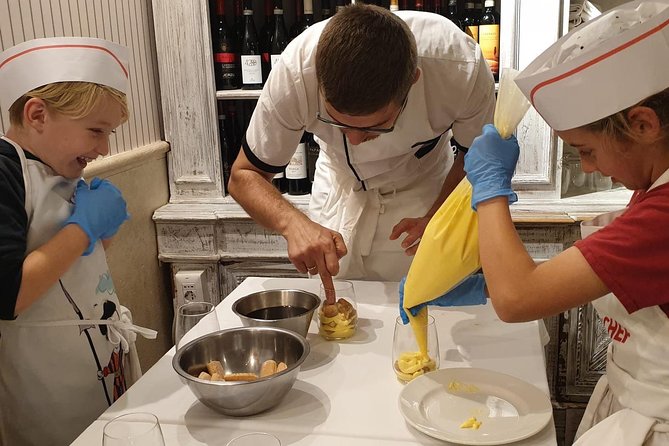
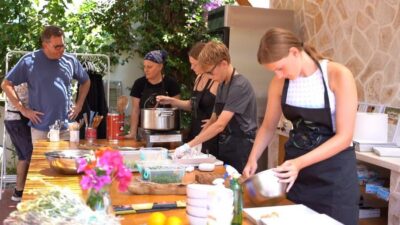
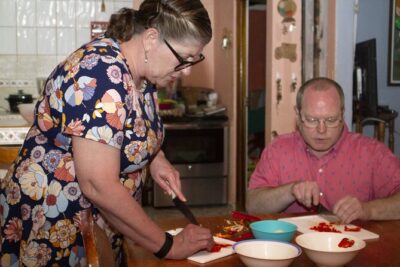
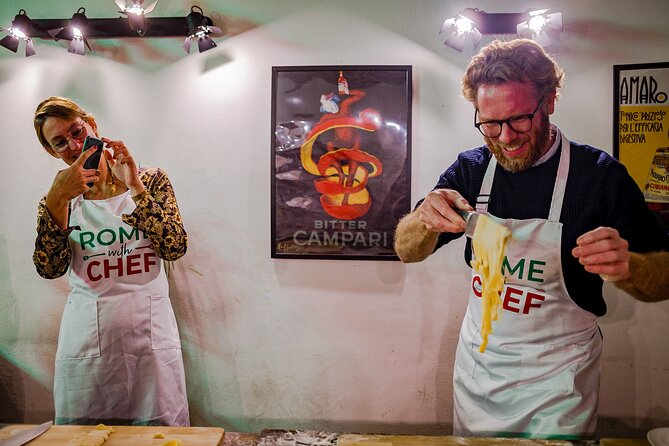
This is a 3-hour cooking class designed to feel relaxed, not rushed. You’re not standing around getting a lecture. You’re doing the work: mixing, rolling, cutting, and assembling.
The flow is smart. You begin with tiramisu while the kitchen is calm and the ingredients are fresh. Then you shift gears into dough—fettuccine—where your hands learn what your brain can’t from a recipe card alone. After that, you cook and sauce, then sit down for the meal you made.
You also get drinks during the process. The class includes a glass of prosecco, plus wine as you cook and eat, and it ends with a shot of limoncello. There are non-alcoholic options too, which is a nice touch if you still want the full ritual without feeling stuck.
You can also read our reviews of more tours and experiences in Rome.

Where You Meet on Via Cesare Balbo and Why It Matters
You meet at Via Cesare Balbo, 25, Rome. It’s near public transportation, which matters in Rome where a “quick walk” can turn into a long one fast.
One practical detail: the exact meeting location might shift slightly from day to day. If that happens, you’ll be told ahead of time, and both possible spots are within about a 5-minute walk of each other. Translation: it’s not a scavenger hunt, but it is worth checking your confirmation close to departure.
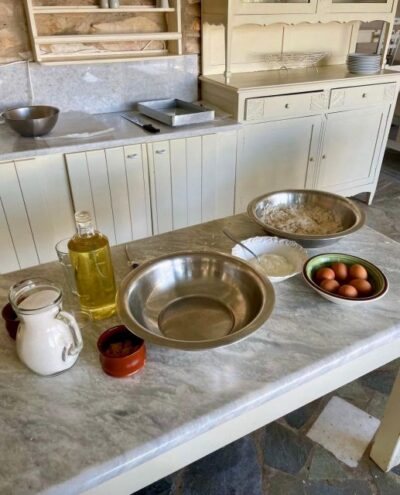
The class runs in a local kitchen setup where you’ll prep food, cook, and then eat. That same space-and-time flow is part of the value. You don’t have to travel twice: cook here, eat here, then head back.
Tiramisu First: What You Learn and What You Actually Do
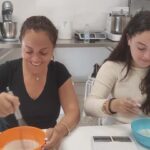
Starting with tiramisu is a smart move because it lets you see dessert technique before your hands get busy with dough. You’ll make homemade tiramisu using fresh ingredients. The goal isn’t just a tasty end product; it’s understanding how the dessert comes together.
In classes like this, the chef’s job is to correct the small things that ruin tiramisu at home—texture, timing, and layering. You’ll get professional tips while you work, not after the fact. And since it’s hands-on, you’ll notice the differences as you assemble rather than reading about them later.
Here’s the real payoff: at the end, you’ll have a digital recipe ebook to recreate your method. That matters, because tiramisu is one of those desserts where a small change can throw off the result.
Fresh Fettuccine From Scratch: Rolling, Cutting, and Timing
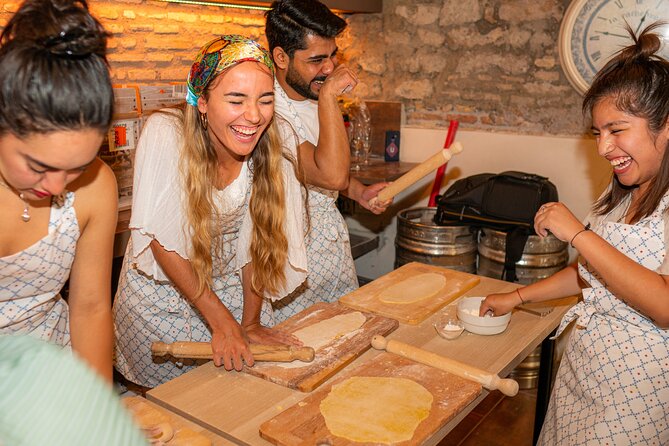
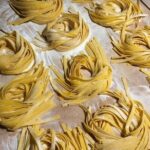
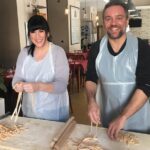
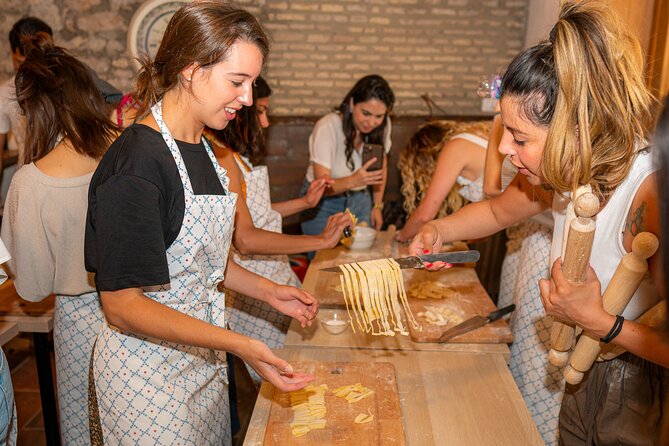
Then comes the dough. You’ll make handmade pasta fettuccine from scratch—mixing the dough, rolling it out, and cutting it into shape. If you’ve never made pasta before, you’ll still be able to do it because the class is built for all skill levels and emphasizes step-by-step guidance.
What makes this worth doing in Rome is the tactile learning. Pasta is not just ingredients. It’s feel. The chef and assistants can guide you on dough texture and thickness in the moment, so you’re not guessing.
In many sessions, instructors such as Marzia and Ida get highlighted for their teaching style—clear steps, encouragement, and humor without turning the class into a performance. If you’re paired with someone like that, you’ll likely leave understanding the why behind the steps, not just the how.
Once your pasta is prepared, it’s ready to cook as part of the meal. You’re not making something that sits in the fridge while you watch someone else eat.
Carbonara or Cacio e Pepe: Choosing Your Roman Sauce
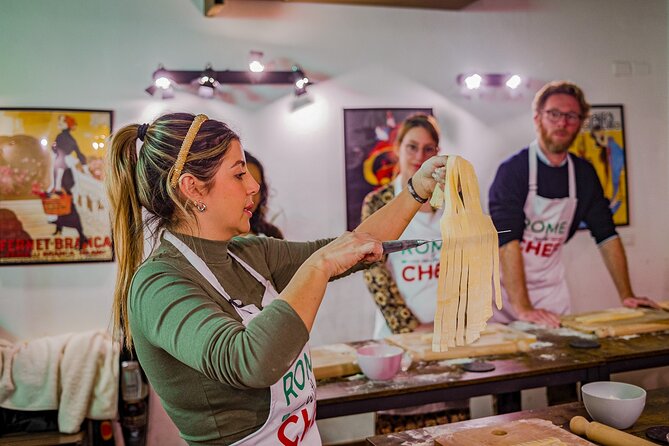
For the pasta sauce, you choose between two Roman classics: carbonara or cacio e pepe. That choice is more than variety. It helps match your tastes to the ingredients and techniques you’ll practice.
Carbonara is all about technique and balance. The sauce can go wrong if the heat or mixing is off, so having a chef guiding the process is a big deal. You’re getting a professional workflow, not a guess-and-check method.
Cacio e pepe is different—simpler ingredients but demanding execution. The cheese-and-pepper element needs control to get the right texture. This is one of those sauces where doing it once with coaching helps you understand what to watch for at home.
Either way, you’ll prepare the sauce from scratch and then get to eat what you made. That feedback loop is powerful: you’ll know immediately if your approach worked.



Eating the Results: Wine, Limoncello, and the Best Part
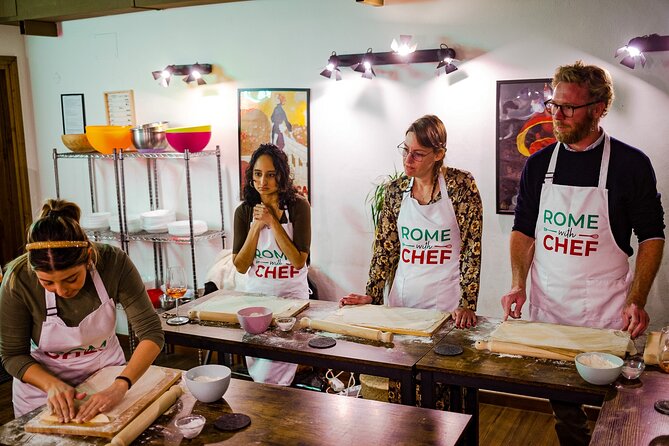
The end of class is a sit-down meal. You’ll eat the pasta you shaped and sauced, plus the tiramisu you made earlier. This is where the whole experience clicks—your effort turns into food instead of staying as a project.
The drinks are integrated with the meal. You start with prosecco during the workshop, then you enjoy local wine as you cook and eat, and you finish with limoncello. If you prefer non-alcoholic options, you can still take part in the sequence.
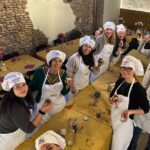
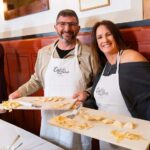
One reason I like this format is the social piece. It’s small-group cooking, so it’s easy to talk with the people next to you while your food is working. That’s how you get both laughs and practical tips—like learning what mistakes are common when you roll dough too thick or cut uneven strips.
The Cost: Is $95.58 Worth It in Rome?
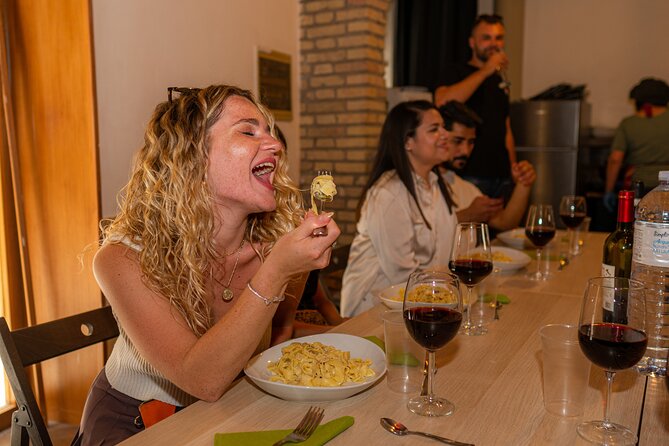
At $95.58 per person for about 3 hours, this isn’t the cheapest thing you can do in Rome. But it’s also not paying for a pure show. You’re paying for ingredients, chef guidance, a full meal outcome, and included drinks.
The value gets stronger because the group is capped at 15 travelers and you get personal assistance throughout. In real terms, that means your money helps you avoid wasted effort and helps you get a result you can actually repeat later.
You also leave with a digital ebook of the day’s recipes. That doesn’t replace the experience, but it turns it into something you can recreate. For many people, that’s the difference between a nice afternoon and a cooking skill you use again.
If you’re someone who wants a hands-on food experience near the Colosseum without turning it into a long day, the price starts to make sense quickly.
Who This Class Is Best For (and Who Should Rethink It)
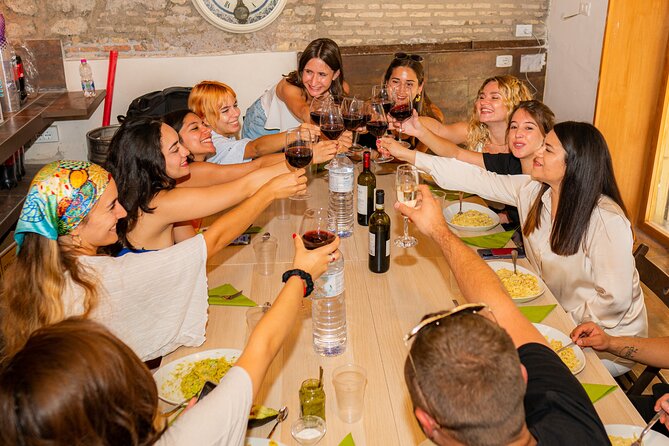
This class fits families, couples, small groups, and solo visitors. It’s also described as family-friendly in practice, with instructors who help children stay engaged. If you’re traveling with kids, this is one of the rare activities where the little ones are actively part of the work, not just watching.
It also works well if you want a guided path through classic Italian cooking. Fresh pasta and tiramisu are both doable at home, but the technique is easier when someone corrects you in real time.
But there are limits. The menu has no gluten-free options, no vegan options, and no dairy-free options. And specifically, participants with coeliac disease can’t be accommodated. If you need dietary substitutions, this class may not be the right match.
If you do have dietary restrictions beyond what’s listed, the best move is to tell the operator ahead of time so you don’t get stuck at the door.
Practical Tips for Making It Go Smoothly
Book early if you can. These small classes fill up fast, and this one gets snapped up a bit ahead of time on average.
Wear clothes you don’t mind getting flour on. In a pasta class, it happens. You’re not just tasting; you’re working dough.
If you care about having the sauce you want, remember you’ll choose between carbonara or cacio e pepe as part of the menu plan. Decide based on what you like rather than what sounds impressive.
Also, this is a “whole experience” event: cooking, eating, and drinks. Plan it like dinner, not like a quick class where you’ll still be hungry afterward.
And if you’re the type who likes to plan with flexibility, keep one thing in mind: you can cancel for a full refund if you cancel at least 24 hours before the start time.
Should You Book This Pasta and Tiramisu Class Near the Colosseum?
I’d book it if you want a hands-on Rome experience that ends with a real meal, not a collection of photos. It’s a strong pick when you want to learn two iconic dishes—tiramisu and fresh fettuccine—and get guidance that makes the result repeatable at home.
Skip it if your diet needs gluten-free, vegan, or dairy-free options. Also think twice if you hate cooking activities. This class is built around doing, not watching.
If you’re on the fence, here’s the simplest decision rule: you’ll probably love it if your idea of a great afternoon includes flour on your hands, classic Roman flavors, and leaving with a recipe ebook you’ll actually use.
FAQ
How long is the Pasta and Tiramisu cooking class?
It runs for about 3 hours.
Where does the class start?
The meeting point is Via Cesare Balbo, 25, 00184 Roma RM, Italy, and the class ends back at the meeting point.
Is the class near public transportation?
Yes. The meeting location is near public transportation.
What dishes will I make?
You’ll make tiramisu and handmade fettuccine pasta. You’ll also prepare a sauce from scratch.
What sauces are offered with the pasta?
You can choose between carbonara or cacio e pepe.
What drinks are included?
Included drinks are a glass of prosecco, a glass of wine, and a shot of limoncello. Unlimited water and soft drinks are also included, and non-alcoholic options are available.
What is the group size?
The class has a maximum of 15 participants.
Is the class offered in English?
Yes, it’s offered in English.
Can you accommodate gluten-free, vegan, or dairy-free diets?
No gluten-free options are available, and there are no vegan or dairy-free options. Coeliac disease also can’t be accommodated based on the menu.
What is the cancellation policy?
You can cancel for free up to 24 hours in advance for a full refund. If you cancel less than 24 hours before the start time, the amount paid is not refunded.