REVIEW · KUALA LUMPUR
New Malaysian Kitchen Cooking Class and Garden Tour
Book on Viator →Operated by New Malaysian Kitchen · Bookable on Viator
Small-group cooking in a real home kitchen is rare. Here, you get one-to-one attention from Sara Khong in a group capped at six. It’s an easy, friendly way to learn Malaysian street food without feeling rushed.
I particularly like the garden-to-kitchen setup. You start with flower tea, then walk through an edible garden growing 50+ herbs, spices, and flowers, including plants like turmeric and curry leaves. After that, you cook your chosen dishes hands-on, then eat what you make together.
One thing to consider: this is built around a morning schedule and an out-of-city location about 20 minutes from Kuala Lumpur. If you want a long, lazy start or last-minute plans, it may not fit your rhythm.
In This Review
- Key highlights worth your time
- Entering a real Malaysian kitchen outside Kuala Lumpur
- Flower tea first, then a 50-plus plant garden tour
- Picking your five Malaysian street food dishes
- Why the teaching stays personal in a group of six
- The meal: you eat what you make, then talk food and culture
- Recipe booklet value: keep the flavors after you leave
- Price and value: what $150 really buys you
- Logistics that matter: timing, meeting point, and getting there
- Who this suits best (and who might want a different option)
- Practical tips to get the most from your garden-to-kitchen morning
- Should you book New Malaysian Kitchen Cooking Class and Garden Tour?
- FAQ
- How long is the New Malaysian Kitchen cooking class and garden tour?
- What’s included in the experience?
- How many dishes will I cook?
- Is the class small?
- Where do I meet for the class?
- What are the hours for the experience?
- How far is the cooking school from Kuala Lumpur?
- When will I get confirmation after booking, and what about cancellation?
Key highlights worth your time
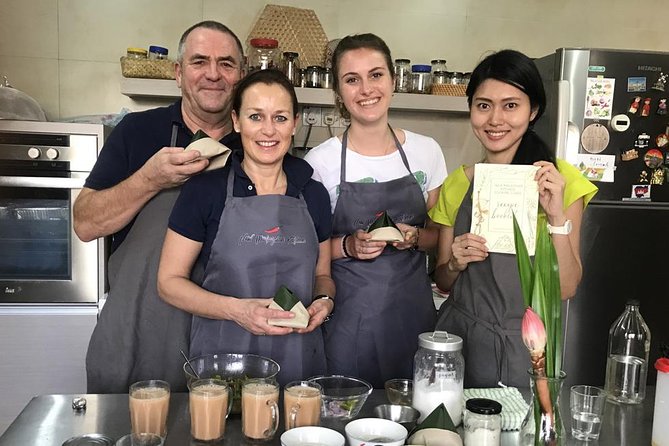
- Sara Khong’s family kitchen teaching style: patient, friendly guidance in a home setting
- Organic edible garden with 50+ plants: see, smell, and taste ingredients like turmeric and curry leaves
- Hands-on street food cooking: choose five Malaysian dishes and cook them for yourself
- Small group of max six: easier questions, faster feedback, real attention
- A shared meal at the end: you finish by eating the food you made and chatting about food and life
- Recipe booklet for home cooking: take notes on how to repeat the dishes later
Entering a real Malaysian kitchen outside Kuala Lumpur
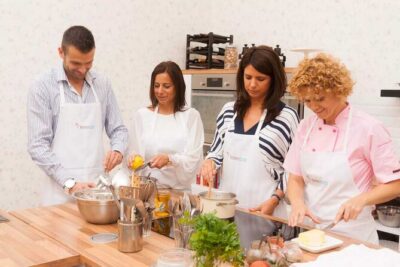
This class isn’t set up like a demo where you watch someone else work. You join Sara Khong’s home kitchen and cook alongside her and her family. That matters because Malaysian cooking is mostly about feel—timing, texture, and how spices smell once they hit heat. In a home environment, it’s much easier to pick up those “small” skills that never make it into a cookbook.
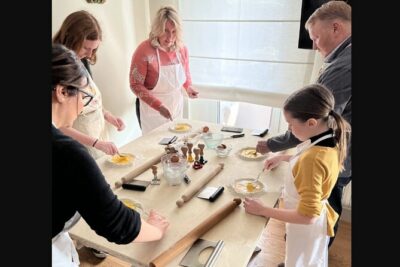
The group size is capped at six, and the lesson is built around personalized attention. In practice, that means you’re not stuck waiting your turn while everyone else does the chopping. When you ask what looks like a simple question—how spicy something should be, or when to stop stirring—you actually get an answer that makes sense.
The whole experience runs about four hours in the morning window (the listed opening hours show 9:00 AM to 1:00 PM). It’s a good length for learning without ending up exhausted, and you’ll leave with both food in your stomach and a plan to cook again later.
You can also read our reviews of more tours and experiences in Kuala Lumpur.

Flower tea first, then a 50-plus plant garden tour
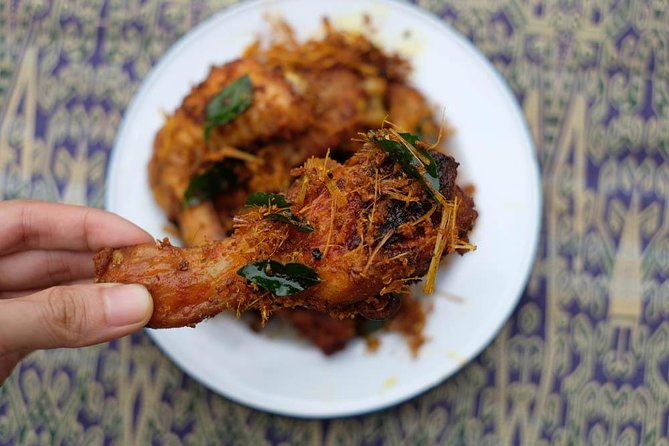
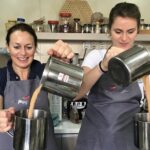
Before you cook anything, you start with a glass of flower tea. It’s a small moment, but it sets the tone: this isn’t just about eating. It’s about ingredients, aroma, and understanding where flavors come from.
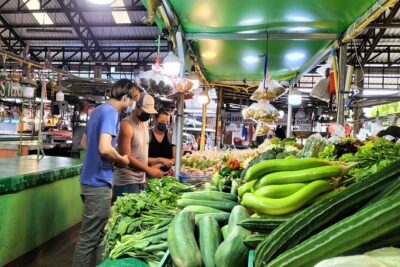
Then you explore an organic edible garden with over 50 herbs, vegetables, and fruit used in everyday Malaysian cooking. You get to see, touch, smell, and taste different plants. That multi-sense approach is exactly what makes the later cooking click.
In particular, pay attention to the plants you already associate with Malaysian food. Turmeric and curry leaves are called out, and those are the kind of ingredients that can feel mysterious until you handle them and learn how they behave in a recipe. Even if you’ve cooked with spices before, you’ll likely notice that fresh leaves and properly treated ingredients change the whole flavor profile.
Practical note: since this part of the morning involves plants and tasting, bring your curiosity. You don’t need to be an herb expert. You just need to be willing to smell things up close and ask what each plant is used for in real dishes.
Picking your five Malaysian street food dishes
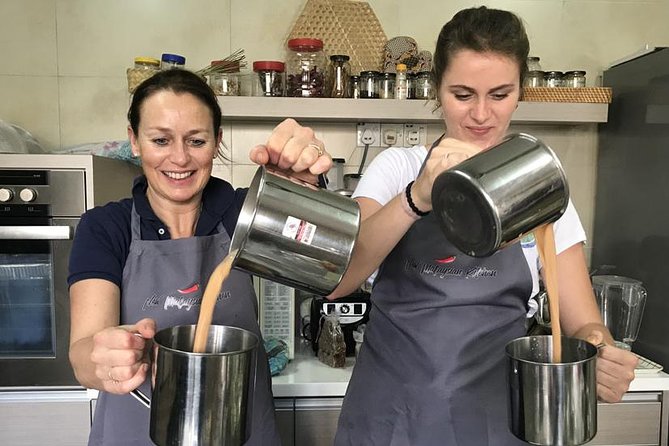
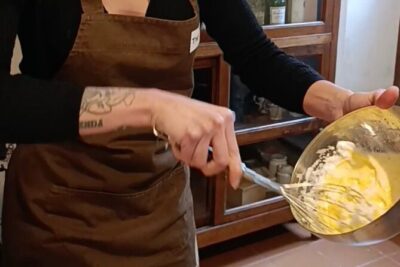
After the garden, the class shifts from “learning ingredients” to “making food.” You’ll cook five Malaysian dishes hands-on in a real Malaysian kitchen. The key word here is hands-on. You’re not just assembling plates; you’re learning how the cooking happens step by step.
You’ll also get to choose your five dishes from Malaysian street-food favorites. That choice is one of the best value elements of the day because it lets you tailor the lesson to your tastes and comfort level with spices.
If you’re wondering what dishes are in the mix, some solid examples from past class menus include:
- Nasi Lemak
- Chicken Rendang
- Teh Tarik (pulled tea)
- Ondeh-Ondeh
- Bean-based salad (the kind of dish that’s crunchy, tangy, and herb-heavy)
You may or may not cook every one of these during your session, since you select five. But these examples give you a sense of the range: coconut-and-rice comfort, deeply spiced braises, sweet tea, and desserts. In other words, you get more than one flavor style.
What you should look for while cooking: ask how the garden ingredients connect to the dishes you’re making. The garden tour sets you up to understand why certain aromatics are used and how they show up in flavor.
Why the teaching stays personal in a group of six
With cooking classes, the big risk is waiting too long for help. Here, the structure is designed to prevent that. The class is limited to six travelers, and you get one-to-one attention from your guide while you cook.
This personal attention shows up in two ways:
- Clear step-by-step guidance: you’re taught the process in a way that’s easy to follow, not just a list of instructions
- Patience for different comfort levels: even if you rarely cook, you can keep up because the pace is human-sized
You’ll likely also appreciate how conversational the teaching feels. The focus isn’t just technique—it’s understanding why the dish tastes the way it does. That’s what helps you reproduce it at home later instead of copying a single outcome.
And because you’re cooking at a family kitchen table, there’s room for more than food talk. By the end, you’re also chatting about Malaysian food, culture, and lifestyle, which makes the whole class feel like a real introduction rather than a one-time transaction.
The meal: you eat what you make, then talk food and culture
The best part of a cooking class is always the last part: eating. Here, once your dishes are finished, you enjoy a delicious meal together.
That matters because you can finally check your work. When you taste your own Nasi Lemak, your own rendang-style chicken, your own pulled-tea version, you learn in real time what “right” tastes like. If something seems off—too salty, not aromatic enough, not sweet enough—you’ll understand what to adjust next time.
Then you get time to chit-chat with a local family about Malaysian food, culture, and lifestyle. This is where the day becomes more than a cooking lesson. You get context: how people think about spices, herbs, and everyday meals, and why certain flavors are common.
Even if you’re short on cultural curiosity, the conversation helps you cook better. You learn how locals approach cooking without treating it like lab work.
Recipe booklet value: keep the flavors after you leave
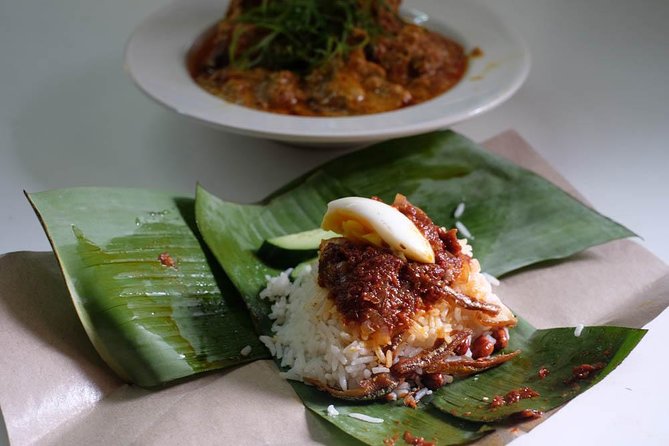
You’ll receive a recipe booklet after cooking. That’s important because a great cooking class can still fade fast if you don’t have written steps to follow again.
The booklet gives you a way to recreate what you made for family and friends back home. It also helps you remember the “why” behind certain steps, not just the sequence.
Here’s a simple way to use it when you get back:
- Pick one dish you truly want to cook again (not all five)
- Cook it within a week so your memory is still fresh
- Use the booklet to match the key technique points you learned during the class
This class is priced like a premium half-day experience, so you want to make sure you get real take-home value. The recipe booklet is part of that equation.
Price and value: what $150 really buys you
At $150.00 per person, this isn’t a budget activity. But it’s also not a “buy a ticket and snack” event.
You’re paying for:
- A small group (maximum six)
- A hands-on cooking class where you cook five dishes
- Garden time with 50+ plants, including tasting and ingredient education
- A local family meal at the end
- A recipe booklet you can use later
That combination is the value. Many cooking classes give you one dish and a quick overview. This one gives you a full cooking session plus ingredient education that ties directly into what you’re doing in the kitchen.
It’s also booked about 32 days in advance on average, which is a good sign for availability and demand. For you, that means you should plan ahead rather than assume you can walk in on your preferred day.
Logistics that matter: timing, meeting point, and getting there
The class runs during the morning slot (opening hours listed as 9:00 AM to 1:00 PM) and lasts about four hours. That timing is usually perfect for jet lag recovery too: you get a structured activity, you’re fed, and you’re done before the rest of the day opens up.
You’ll start and end at the meeting point:
- New Malaysian Kitchen
No. 2, Jalan 11, Taman Len Seng, 56000
Wilayah Persekutuan, Kuala Lumpur, Malaysia
The location is near public transportation. The tour is also described as being about 20 minutes away from Kuala Lumpur city, so factor in a short transfer time on top of the class duration.
One more practical detail: you’ll use a mobile ticket. That’s easy, but do make sure your phone battery and offline access are ready before you head out.
Who this suits best (and who might want a different option)
You’ll get the most from this class if you:
- Like cooking and want hands-on instruction, not a sit-and-watch session
- Want street food skills you can actually repeat at home
- Enjoy ingredient learning, especially herbs, spices, and fresh leaves
- Prefer small groups where your questions get answered
It’s also a great fit for couples, friends, and small groups who like a family-style vibe.
You might want to think twice if:
- You hate mornings and don’t do well with a structured 9:00 AM start window
- You want a large-group, showroom-style experience instead of cooking with a family
Practical tips to get the most from your garden-to-kitchen morning
A few small choices can make the day smoother:
- Wear comfortable shoes. You’ll be moving around the edible garden before you start cooking.
- Bring your appetite. You’ll be eating the dishes you cook at the end.
- Go in with one or two must-cook dishes in mind. Since you choose five, having preferences helps you pick a lineup you’ll really want to repeat later.
- Ask about spice timing. In Malaysian cooking, when you add certain ingredients can change everything.
- Use the booklet immediately after your session. Your best memory is fresh memory.
Also, don’t be shy about speaking up during the class. The whole setup exists so you can get direct attention, and that’s how you turn a fun meal into a real skill you keep.
Should you book New Malaysian Kitchen Cooking Class and Garden Tour?
If you want a small, family-run Malaysian cooking experience with real ingredient education, I’d book this. The standout combo is garden learning with a class small enough to get personal help, followed by five hands-on dishes and a meal you actually eat.
This is a better choice than a quick tasting tour if you care about learning to cook, not just sampling. And if you like the idea of cooking Nasi Lemak, rendang-style dishes, or desserts like Ondeh-Ondeh with a clear, patient teacher, this kind of morning is exactly what you’re looking for.
FAQ
How long is the New Malaysian Kitchen cooking class and garden tour?
It runs for about 4 hours.
What’s included in the experience?
You start with flower tea, tour an organic edible garden with over 50 plants, then cook hands-on five Malaysian food dishes. You also receive a recipe booklet and share a meal at the end.
How many dishes will I cook?
You’ll cook five Malaysian dishes of your choice.
Is the class small?
Yes. The group is limited to a maximum of 6 travelers.
Where do I meet for the class?
You meet at No. 2, Jalan 11, Taman Len Seng, 56000 in Kuala Lumpur, Malaysia. The activity ends back at the meeting point.
What are the hours for the experience?
The listed opening hours are 9:00 AM to 1:00 PM.
How far is the cooking school from Kuala Lumpur?
It’s described as about 20 minutes away from the city.
When will I get confirmation after booking, and what about cancellation?
You should receive confirmation within 48 hours of booking, subject to availability. Cancellation is free up to 24 hours before the experience start time for a full refund.