Morning noodles start with a wet market. This hands-on Kuala Lumpur cooking class pairs a guided food-market walk with a real cooking lesson, not a demo. You get to learn Malay/Malaysian food culture and ingredients first, then cook staples like char kway teow and nasi lemak at your own station.
What I like most is how practical it feels: you’re doing the mixing, the cooking, and the timing, with step-by-step help from an instructor. I also love that the day includes lunch made from what you cook, so it’s not just a classroom experience.
One drawback to think about up front: the tour meets at TTDI Wet Market and hotel pickup/drop-off is not included, so plan your transport to arrive on time.
In This Review
- Key things that make this tour worth your morning
- Starting at TTDI Wet Market, Pasar Besar (Meet 8:15am)
- The market tour: food culture you can actually use
- Back in the cooking school: your station, your pace, real instruction
- What you’ll cook: Char Kway Teow, Nasi Lemak, and Roti Canai
- Lunch you don’t have to rush: communal dining and conversation
- English instruction and practical comfort for most skill levels
- Vegetarian and vegan options are available (with substitutions)
- Price and logistics: is $149.96 good value?
- Who this is best for (and who should think twice)
- What to do before you go
- FAQ
- Where is the meeting point?
- What time should I arrive?
- How long is the class?
- Is hotel pickup or drop-off included?
- What dishes will I cook?
- Are vegetarian or vegan options available?
- How many people are in the group?
- Should you book this Malaysian market-and-cooking class?
Key things that make this tour worth your morning
- TTDI Wet Market at Pasar Besar as the starting point for ingredients and food culture context
- Small-group cooking (max 14) for more attention while you cook
- Hands-on stations with step-by-step guidance, not a passive show
- Core Malaysian dishes like char kway teow, nasi lemak, and roti canai
- Lunch included: you eat what you make
Starting at TTDI Wet Market, Pasar Besar (Meet 8:15am)
This experience begins at Pasar Besar Taman Tun Dr Ismail, specifically the TS37 area of the wet market. The class itself starts at 8:30am, but you should arrive at 8:15am so you’re ready to go.
Here’s why that matters: morning market time is when you get the clearest sense of how locals shop for ingredients, what’s fresh, and why certain flavors show up again and again in Malaysian dishes. Even if you’re not a confident cook, walking the market first gives you a mental map for what you’ll be doing later.
Also, the tour is conducted in English and is near public transportation. So you’re not stuck waiting around for a transfer. You just need to plan your route so you can reach the meeting point on time.
A nice bonus from real-life experience: one market guide named Sally is specifically mentioned for helping people understand how to use traditional herbs and ingredients. That kind of explanation is exactly what turns a market visit into real cooking knowledge.
You can also read our reviews of more tours and experiences in Kuala Lumpur.
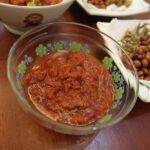
The market tour: food culture you can actually use
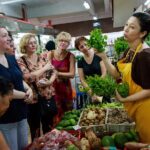
The market tour is part of what you’re paying for, and it’s not just a quick stroll. You’re there to learn about Malaysian food culture and the ingredients behind the dishes you’ll cook.
What you can expect from the market portion:
- Seeing how ingredients are selected and handled before they end up in dishes
- Learning stories about Malaysian food culture, ingredients, and herbs
- Getting context for why your later cooking steps matter
For me, this is where the value gets real. If you only did a cooking class, you’d learn techniques. With the market tour, you also learn what you’re looking for and why certain ingredients belong together. That helps you repeat things at home without needing the teacher beside you every step of the way.
One consideration: because the tour starts at the market, you’ll want to arrive already dressed for a morning out. Wet markets can be busy and lively, and you’ll be standing and walking.
Back in the cooking school: your station, your pace, real instruction
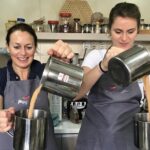
After the market tour, the day shifts to the cooking school for a hands-on lesson. The schedule is built around a step-by-step flow with a health and safety briefing first, then cooking at your own kitchen station.
This matters more than it sounds. A lot of cooking classes either move too fast or turn into a group demo. Here, the format is designed for both beginners and experienced cooks, which usually means:
- You can follow along without feeling lost
- You still get enough guidance to improve, even if you already know the basics
- The instructors can correct technique while you’re cooking, not after the fact
You’ll learn about using utensils correctly and mixing ingredients the right way. That’s the kind of practical coaching that helps your final dishes taste more like the real thing.
The class ends at 1:30pm, and the day keeps moving toward lunch and communal dining, so you’re cooking with purpose, not just building skills in the abstract.
What you’ll cook: Char Kway Teow, Nasi Lemak, and Roti Canai
The cooking portion focuses on Malaysian favorites. The big three you’ll see are char kway teow (fried noodles), nasi lemak (coconut rice), and roti canai (flaky bread). Your lunch is made from what you prepare.
Why these dishes are a great choice:
- They represent multiple sides of Malaysian cooking, not just one style
- They use familiar everyday techniques (stir-frying, cooking rice, making dough/handling bread)
- They give you a broad feel for flavors and textures that show up across Malaysian meals
You’ll also be cooking with fresh local ingredients, and the goal is authenticity, not simplified versions. If you’ve ever tried to cook Malaysian food from a recipe and it just didn’t taste right, a structured lesson like this often helps you notice what’s different in technique.
Another detail worth knowing: instructors are specifically described as fun and chatty, and one teacher named Irene is mentioned as being a brilliant instructor. That kind of teaching style matters because it makes you more comfortable asking questions when something isn’t working.
Lunch you don’t have to rush: communal dining and conversation
The day doesn’t end when you turn off the stove. You share the meal you cooked with the group. This is communal dining, with conversation that comes from a shared activity.
What I like about this part is that it turns the class into an actual experience, not just a skills workshop. By the time you sit down to eat, you’ve already spent the morning learning ingredients and techniques, so the meal feels earned.
Also, since the group stays small (max 14), you’re more likely to talk with fellow participants and get different perspectives on what you’re learning and how you’d cook it later.
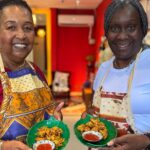
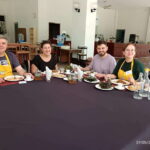
English instruction and practical comfort for most skill levels
Classes are conducted in English, which helps a lot in a country where local food terms can feel like another language entirely. You’ll still learn new words for ingredients and techniques, but you won’t be stuck guessing what the teacher is trying to get you to do.
This format is also meant for both beginners and experienced cooks. So if you’re brand-new to cooking, you’ll get the step-by-step guidance. If you’re experienced, you might enjoy the chance to refine technique and learn how local ingredients change outcomes.
Vegetarian and vegan options are available (with substitutions)
If you eat vegetarian or vegan, you’re not automatically shut out. The class explicitly says vegetarians and vegans are welcome, and ingredients can be substituted.
The practical takeaway: if you’re booking with dietary needs, make your preferences clear at booking time so the kitchen can plan substitutions. In a class with multiple dishes, that kind of planning helps keep your meal from being an afterthought.
Price and logistics: is $149.96 good value?
The price is $149.96 per person for about 5 hours. That’s not a small spend, so I always ask: what are you actually getting for the money?
Based on what’s included:
- Market tour (meeting at TTDI Wet Market)
- All ingredients and cooking equipment
- Cooking instruction and step-by-step teaching
- Lunch (what you prepare)
So the cost isn’t just teacher time. It’s also the ingredients, equipment, and the fact you’re taught a full meal sequence, not a single dish.
Where you need to be careful is the difference between convenience and coverage. The tour information here is clear that hotel pickup and drop-off are not included, and the activity ends back at the meeting point.
Still, there’s a practical heads-up to take seriously: some people report that certain booking routes add expensive transport costs and can change what you actually receive. My advice is simple: when you book, confirm the exact inclusions for your option. If the class says you meet at the market, don’t assume you’ll get pickup unless it’s clearly included in your specific booking.
One more logistics note: this experience can cancel if a minimum number of travelers (4) isn’t met, but it can also be swapped to another date or refunded. If your schedule is tight, plan a buffer day.
Who this is best for (and who should think twice)
This is a great fit if you:
- Want a hands-on Kuala Lumpur food experience, not just a tasting
- Like learning first, then cooking (market tour + kitchen time)
- Enjoy Malaysian classics and want to make them with proper technique
- Prefer small groups (max 14) so instructors can help
You might think twice if:
- You strongly rely on hotel pickup and don’t want to navigate to the market on your own
- You want a very flexible start time. The program starts at 8:30am, and you should be at the meeting point by 8:15am
- You have dietary needs but haven’t confirmed substitutions in advance
What to do before you go
To get the most out of your morning, I’d do three things:
- Plan your route to Pasar Besar Taman Tun Dr Ismail so you arrive by 8:15am
- Wear comfortable shoes you don’t mind getting warm or a bit messy
- Come ready to cook. This is hands-on, and you’ll do the work
If you’re bringing a group of friends or family, this format can be a fun shared challenge. You’ll taste and compare your results at lunch, and it’s easy to turn the day into a story you’ll want to tell later.
FAQ
Where is the meeting point?
You meet at Pasar Besar Taman Tun Dr Ismail, specifically TS37, Pasar Besar, Taman Tun Dr Ismail, 60000 Kuala Lumpur, Federal Territory of Kuala Lumpur, Malaysia.
What time should I arrive?
The start time is 8:15am, and you should be ready at the meeting point at least 15 minutes prior to the start time.
How long is the class?
It’s about 5 hours. It starts at 8:30am and ends at 1:30pm after lunch.
Is hotel pickup or drop-off included?
No. Hotel pickup and drop-off are not included. The activity ends back at the meeting point.
What dishes will I cook?
You’ll cook Malaysian favorites such as char kway teow, nasi lemak, and roti canai.
Are vegetarian or vegan options available?
Yes. Vegetarians and vegans are welcome, and ingredients can be substituted.
How many people are in the group?
The group maximum is 14 travelers, and a minimum of 4 travelers is required for the tour to operate.
Should you book this Malaysian market-and-cooking class?
If you want a morning in Kuala Lumpur that turns local food into real skills, I think this is a solid booking. You’re not just tasting; you’re learning how to shop for ingredients, then cooking a full set of Malaysian classics with step-by-step help and lunch included.
The main reason I’d hesitate is logistics. This is a meet-at-the-market kind of day, so build your plans around that. Also, if you’re comparing prices between booking options, double-check that you’re getting the inclusions you expect, especially around transport.
If you can get to the TTDI Wet Market area on your own and you’re excited to cook char kway teow, nasi lemak, and roti canai, you’ll likely find the experience genuinely satisfying.