Hands-on pasta in a Puglian masseria. This 4-hour Apulia cooking class is built around a real working masseria experience near Alberobello and Locorotondo, with you rolling up your sleeves to make a full Pugliese meal and then sit down to taste it all. It’s offered in English and runs in a small group format (up to 15), with alcohol included.
What I like most is the hands-on flow: fresh pasta, tomato sauces, focaccia, and then a dessert finish. I also really appreciate that the teaching is step-by-step and warm, with Angela and Marianna described as welcoming and clear while explaining each stage of the cooking.
One thing to plan for: transportation isn’t included, and the meeting point is in Fasano (so you’ll want a solid way to get there and back). Also, it’s mainly a Monday evening slot during the Apr 1 to Sep 30 season, so timing matters.
In This Review
- Key Highlights to Know Before You Book
- Why a Traditional Masseria Cooking Class Feels Like More Than Dinner in Apulia
- Meeting Point in Fasano: The Logistics That Can Make or Break Your Evening
- Your 4-Hour Flow: Bruschetta and Focaccia, Then Pasta and Meat Rolls
- 1) Start in the kitchen: bruschetta and focaccia prep
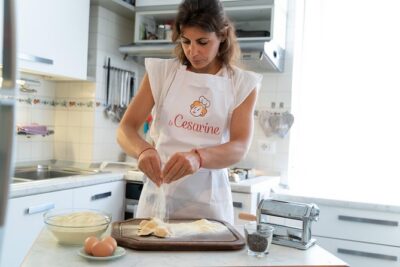
- 2) Fresh pasta and the orecchiette moment
- 3) Tomato sauce with meat: braciole (meat rolls)
- 4) Chef-prepared extras before dessert
- 5) Dessert: crostata-style options or tiramisu
- What You’ll Cook: The Apulia Classics You Can Recreate Later
- Fresh pasta base skills
- Tomato sauce with meat
- Focaccia and the bread you can taste immediately
- Dessert Finish: Crostata vs. Tiramisu, and Why That Choice Matters
- The Tasting Table: Alcohol Included, and You Actually Eat What You Made
- Dietary Needs in the Real World: Vegetarian, Vegan, and Allergy Adaptations
- Price and Value: Does $118.29 Make Sense for What You Get?
- Who Should Book This Cooking Class (and Who Might Skip It)
- Should You Book This Apulia Cooking Class in a Traditional Masseria?
- FAQ
- Where is the meeting point for this cooking class?
- How long is the experience?
- What time does it start on Mondays?
- Is the class offered in English?
- What dishes are included in the cooking course and meal?
- What about vegetarian, vegan, or allergy needs?
- Are alcoholic beverages included?
- Is private transportation included?
- How does cancellation work?
Key Highlights to Know Before You Book
- Traditional masseria setting: You cook in a farm-style environment tied to Apulian food culture.
- A full Pugliese menu: fresh pasta plus classics like orecchiette, meat rolls (braciole), focaccia, and dessert.
- Taught in English, with step-by-step help: Angela and Marianna are singled out for guiding the group.
- Small group size (max 15): easier to ask questions and keep the pace comfortable.
- Dietary customization is part of the plan: vegetarian, vegan, and allergy adaptations are offered.
- Includes alcoholic beverages: you’re not expected to budget extra for drinks during the meal.
Why a Traditional Masseria Cooking Class Feels Like More Than Dinner in Apulia
If you’ve ever taken a cooking class that felt like a demo with a side of participation, this one reads differently. You’re not just watching someone else build the meal. The format centers on making the dishes yourself—fresh pasta, tomato-based preparations, focaccia, and dessert—then finishing with a shared table meal.
The big value here is how Pugliese cuisine is presented as something you can actually make. The goal isn’t only to leave with photos; it’s to take home the techniques and the confidence to repeat them later. That matters, because once you know how the dough behaves or how the sauce should taste as it develops, you start “speaking” Italian food with your own hands.
The setting is another strong piece. “Typical masseria” isn’t just a vibe word. A masseria is tied to how people historically ate in Apulia: seasonal ingredients, olive-oil comfort cooking, and recipes built to feed families. In practice, that means you’re likely cooking in a more rustic, hands-on environment than a glossy city studio—and that tends to make the class feel more honest.
You can also read our reviews of more tours and experiences in Alberobello and Locorotondo.
Meeting Point in Fasano: The Logistics That Can Make or Break Your Evening
This experience starts at 72015 Fasano, BR, Italy. It ends back at the meeting point, so you’re not dealing with a complicated drop-off route at the end. That’s a plus if you’re staying in the Alberobello or Locorotondo area and want something straightforward after.
The trade-off is simple: private transportation isn’t included. So your success depends on how you’re getting there. If you’re relying on public transport or a shared ride, give yourself extra time to make the 5:00 pm start (the listing shows 5:00 pm, and the operator notes Monday availability at 17:30). The safest move is to confirm the exact meeting time when your reservation is confirmed.
Also keep in mind that this is limited-season programming. It’s listed for Mondays from April 1 to September 30, and Mondays are also the only day explicitly stated for set times. If your trip falls outside that window, you’ll need to message to ask about other days and times.
Your 4-Hour Flow: Bruschetta and Focaccia, Then Pasta and Meat Rolls
This class is about a four-hour rhythm, built around working the menu in stages. Even if you’re not a confident cook, the structure keeps you moving from starter to main to dessert without dragging the experience into “tour time.” Here’s how it generally lands:
1) Start in the kitchen: bruschetta and focaccia prep
The starter portion focuses on preparing bruschetta-style items and focaccia. This is a smart opening because focaccia teaches practical fundamentals early: dough handling, shaping, and getting bread-ready in a way that doesn’t feel intimidating. Plus, it sets the tone—everyone gets involved right away.
There’s also a chance you’ll hear local context while you cook, because the whole class is framed as sharing regional traditions and “secrets of Pugliese cuisine.” In other words, you’re not just doing steps; you’re learning why those steps matter.
2) Fresh pasta and the orecchiette moment
Next comes the heart of Apulia: fresh pasta, with a focus on orecchiette. The sample menu includes orecchiette with tomato sauce, which is the kind of dish that’s deeply associated with the region. Even if your shaping is imperfect, you’ll likely leave with a clearer sense of how the pasta should come together.
The practical takeaway is that fresh pasta changes everything about texture. Dry pasta is forgiving. Fresh pasta has a “live” feel—so it’s valuable to learn what to look for while you’re working with dough.
3) Tomato sauce with meat: braciole (meat rolls)
Then you shift into the main-course showpiece: meat rolls in tomato sauce, also listed as braciole. This part helps you understand how Apulian comfort cooking leans on sauce depth and slow-building flavor. It’s also where the class format shows its value: you’re not only tasting the dish later—you’re making the key component.
If you like cooking that feels like a craft, this stage is where the class most likely clicks. You’re handling filling, rolling, and integrating everything into sauce so it turns into something more than just chopped ingredients.
4) Chef-prepared extras before dessert
The experience doesn’t stop at what you personally make. It ends with tasting the dishes you prepare plus some entrees the chef will prepare. That’s important for two reasons. First, it makes the meal feel abundant. Second, it gives you a broader snapshot of the kitchen so you’re not walking away thinking you learned only one recipe category.
5) Dessert: crostata-style options or tiramisu
Dessert is included, with options listed as Croatian (foot) or tiramisu in the sample menu, while the overall course description also references a dessert crostata. Because the wording is a bit inconsistent between sections, treat this as: dessert is a sweet finish, and it may be crostata-style and/or tiramisu depending on what’s planned for your date.
Either way, the key is that dessert closes the class properly. You sit down at the table, not just take your food home.
What You’ll Cook: The Apulia Classics You Can Recreate Later
This class is built around a clear set of recipes that are strongly associated with Puglia: fresh pasta, a tomato-forward sauce, focaccia, orecchiette, meat rolls, and dessert. That’s good news for you because it means your skills are portable. You’re not spending a few hours making something wildly specific that only tastes right in that exact kitchen.
Fresh pasta base skills
You’ll be involved in making fresh pasta, not just assembling a plated dish. The benefit is skill transfer. Once you know the basic dough logic and how it handles during shaping, you can adapt it for other Italian pasta types later.
Tomato sauce with meat
The class includes pasta sauce with meat as part of the broader course. In the sample menu, that shows up through tomato sauce paired with orecchiette and meat rolls (braciole). The practical value: you learn how sauce and meat work as one system. It’s not only about seasoning; it’s about timing and how flavors combine.
Focaccia and the bread you can taste immediately
Focaccia is an especially satisfying teaching tool because you’ll see it through and then eat it as part of the meal. Bread is also a great entry point if you’re nervous in the kitchen. Even if you don’t nail the final look, you can usually judge progress by texture and aroma.
Dessert Finish: Crostata vs. Tiramisu, and Why That Choice Matters
Dessert here is listed in two ways: the course description mentions dessert crostata, while the sample menu lists Croatian (foot) or tiramisu. The safe way to think about it is simple: dessert is included, and the operator may swap between options.
For you, the real question is not which sweet name sounds most familiar. It’s whether you’ll enjoy a fruit-forward or custard-style ending. Crostata-type desserts tend to be more jam/fruit focused. Tiramisu is creamy and coffee-tinged. Either can work after a meal that includes both pasta and meat sauce.
The Tasting Table: Alcohol Included, and You Actually Eat What You Made
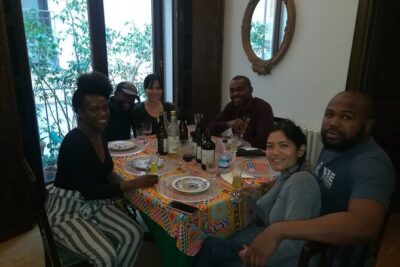
The experience ends with everyone sitting at the table to taste all the dishes you prepare, plus some additional entrees from the chef. That’s a big deal because it turns the class into a meal experience, not just a cooking session.
Alcoholic beverages are included. That can be a comfortable perk if you like having a glass without tracking costs. Just remember the evening is still a cooking-focused event—so keep your energy up for the kitchen work.
Also note that the meal style is group-based and coordinated. You won’t be eating randomly throughout the process, which usually makes it feel more social and less chaotic.
Dietary Needs in the Real World: Vegetarian, Vegan, and Allergy Adaptations
This class directly states that the menu can be customized or adapted for vegetarians, vegans, or allergy sufferers. That’s one of the most practical reasons to consider booking, because many cooking classes can handle allergies only in very limited ways.
The key step for you: indicate allergies and intolerances when making the reservation. Don’t wait until the day of. If the operator is already preparing adaptations, they need time to adjust ingredients and planning.
If you’re traveling with a group and some people eat differently, this is also where the class format helps. A cooking class only feels fair when everyone can participate in the meal at the end.
Price and Value: Does $118.29 Make Sense for What You Get?
At $118.29 per person, this isn’t the cheapest thing in Apulia. But price isn’t only about hours; it’s about what’s included, group size, and how “complete” the meal feels.
Here’s what you’re paying for that supports the cost:
- Four-ish hours of guided cooking, not a quick tasting
- A full menu built around fresh pasta, focaccia, meat rolls, and dessert
- Alcoholic beverages included
- Small group size with a stated maximum of 15 travelers
- The chance to have the meal adapted for dietary needs
- Step-by-step instruction in English from hosts described as welcoming and clear, including Angela and Marianna
If you’d otherwise pay separately for a private meal plus a cooking workshop, the bundled experience can feel fair. If you’re on a tight budget, the best way to decide is to compare what you’d spend on: (1) a good dinner where drinks are included, and (2) a cooking class of similar length and menu scope.
Also, there are group discounts for groups of 10+. If you’re traveling with friends or family and can reach that number, the value can improve fast.
Who Should Book This Cooking Class (and Who Might Skip It)
This works especially well if you:
- Want a hands-on experience instead of a restaurant meal
- Like learning how to make Apulian staples you can repeat at home
- Travel with dietary constraints and need customization handled in advance
- Prefer small-group teaching where you can ask questions
You might skip it if:
- You rely on the operator for transportation. Private transport isn’t included, so you’ll handle your own timing to reach Fasano.
- Your schedule doesn’t fit Monday evening during the listed seasonal window. Other days exist only if you message and confirm.
The max group size of 15 is a helpful detail. A smaller class usually means less waiting around and more time actually cooking.
Should You Book This Apulia Cooking Class in a Traditional Masseria?
My take: book it if you want a true cooking-and-eating night with Apulian dishes that go beyond a single pasta course. The combination of hands-on fresh pasta, focaccia, meat rolls in tomato sauce, and a sit-down tasting table feels like more than a half-dozen tasks stitched together.
If you’re the type who enjoys practical food learning, you’ll likely love the step-by-step teaching style described by Angela and Marianna. If you have dietary needs, this is one of the clearer options because the menu can be adapted and you’re asked to share allergies during reservation.
Just make sure you can get to Fasano without stress, because that’s the only real snag in the setup. Once transport is solved, this is a solid way to turn a Monday evening into something you can recreate later.
FAQ
Where is the meeting point for this cooking class?
The meeting point is listed as 72015 Fasano, BR, Italy.
How long is the experience?
The duration is approximately 4 hours.
What time does it start on Mondays?
It’s listed as starting at 5:00 pm, and the additional information also states availability every Monday at 17:30. Check your confirmation for the exact time.
Is the class offered in English?
Yes, it is offered in English.
What dishes are included in the cooking course and meal?
You’ll make fresh pasta, a pasta sauce with meat, focaccia, and a dessert crostata. The sample menu also references orecchiette with tomato sauce, meat rolls in tomato sauce (braciole), and dessert options like Croatian (foot) or tiramisu.
What about vegetarian, vegan, or allergy needs?
The menu can be customized or adapted for vegetarians, vegans, or allergy sufferers. You should indicate food allergies and intolerances when booking.
Are alcoholic beverages included?
Yes. Alcoholic beverages are included.
Is private transportation included?
No. Private transportation is not included.
How does cancellation work?
Free cancellation is available. You can cancel up to 24 hours in advance of the experience for a full refund, and cancellations made less than 24 hours before the start time aren’t refunded.