REVIEW · ALBEROBELLO AND LOCOROTONDO
Cesarine: Home Cooking Class & Meal with a Local in Alberobello
Book on Viator →Operated by Cesarine: Cooking Class · Bookable on Viator
Cooking in a trullo home feels personal. This private Cesarina class in Alberobello and Locorotondo has you making three classic recipes from scratch, then sitting down to enjoy the results in the warmth of a local home. It’s also timed around a stop at I Trulli di Alberobello, a World Heritage site, so you get both place and plate in about three hours.
I especially love learning fresh pasta hands-on, because you’re not just sampling you’re building skills you can repeat at home. I also like how the experience ends with a real home-style meal paired with local wines, so the cooking isn’t the main event only it’s the lead-in to eating well.
One consideration: this is inside a home, so you’ll follow the sanitary rhythm the operator lists, including keeping 1 meter distance and wearing masks/gloves if needed. It may feel a touch more rule-based than a casual dinner, but it also makes the setting feel cared for.
In This Review
- Quick hits
- Alberobello first: trulli atmosphere and a World Heritage stop
- The 3-course menu you’ll actually make (starter, pasta, dessert)
- Your Cesarina home kitchen: how a private class feels
- I Trulli di Alberobello and the logic of this pacing
- Meal time: eating what you made, with local wines
- Price and value: what $174.60 buys you in real terms
- Who should book this (and who might want a different plan)
- Should you book Cesarine in Alberobello?
- FAQ
- What is the duration of the Cesarine home cooking class in Alberobello?
- Is this cooking class private?
- Is the class offered in English?
- What dishes will I make during the class?
- Do I eat what I cook?
- Is there wine included?
- Is it easy to change plans if I need to cancel?
- What health and safety precautions are mentioned?
Quick hits
- Private home class with a Cesarina host for your group only
- Three recipes from scratch, including a fresh pasta option and a traditional Apulian dessert
- Lunch or dinner choice, so you can match it to your day in Puglia
- I Trulli di Alberobello World Heritage area stop before the cooking
- Local wines with your meal, not just a snack after class
Alberobello first: trulli atmosphere and a World Heritage stop
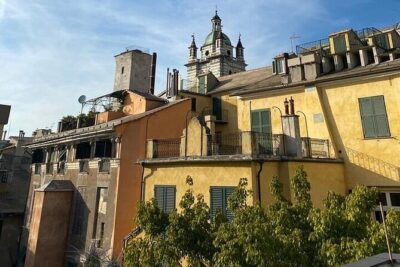
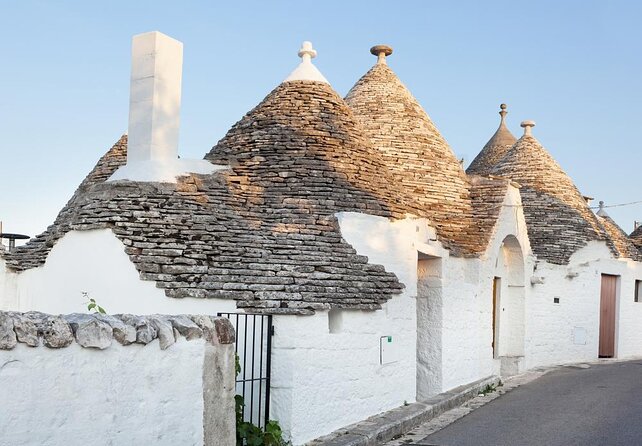
This experience starts in Alberobello (70011), and it keeps things simple: you begin at the meeting point, then you’ll make your way to I Trulli di Alberobello, the World Heritage site. The timing matters. Getting a quick grounding in the town’s identity before you cook helps the food feel more connected than just another class.
You’re also not doing this in a vacuum. Alberobello is part of the story here, and the menu leans into what people actually make and eat in Puglia. If you like travel that connects your senses sight, smell, taste this format fits.
The activity runs about 3 hours, so you should think of it as a focused taste of the region rather than a long sightseeing tour. It’s a good plan when you want one memorable food-centered block without sacrificing your whole day.
Also, the meeting point is described as near public transportation, which helps if you’re using local buses or trains and don’t want to stress over timing too much.
You can also read our reviews of more tours and experiences in Alberobello and Locorotondo.
The 3-course menu you’ll actually make (starter, pasta, dessert)
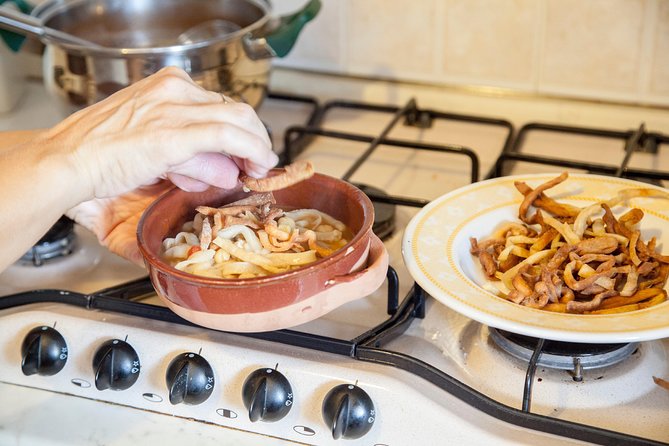
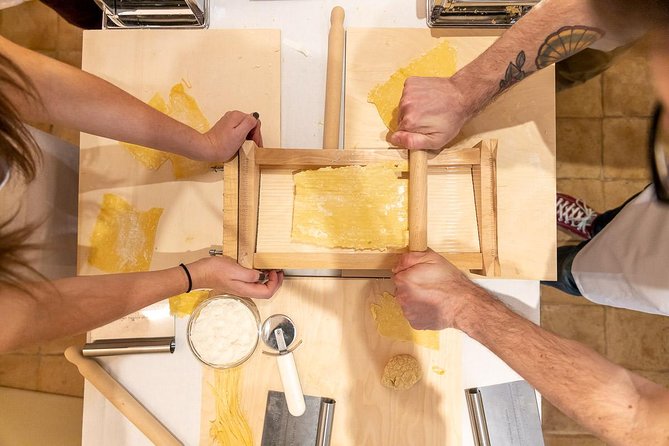
You’ll create three traditional Italian dishes from scratch with your Cesarina, and the structure is clear: a starter, a main with fresh pasta, and a dessert. The menu is flexible within traditional options, which is helpful if you have preferences.
Starter: you’ll prepare a seasonal starter. That wording is the key. It signals you’ll get something that matches what’s available and typical for the season, not a generic “tour food” plate.
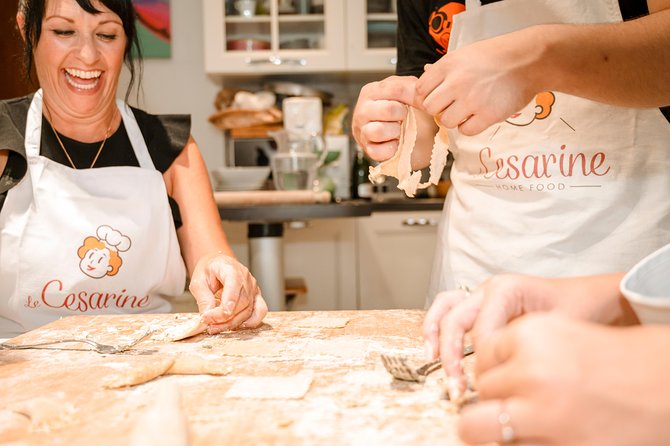
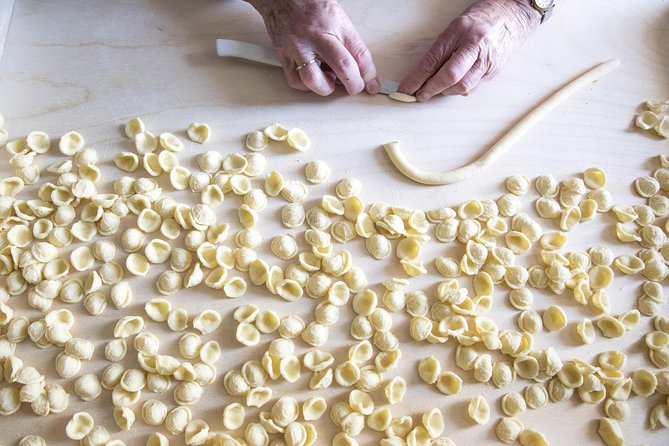
Main: you’ll make fresh pasta, with the specific pasta shape chosen from options like orecchiette, maccheroni, or gnocchi. Since all three are listed, you can expect you’ll learn how to shape and cook the pasta style you’re assigned. This is one of the most rewarding parts, because pasta-making is concrete you can see the dough turn into dinner.
Dessert: you’ll learn a traditional Apulian dessert, with options like cartellata barese, Sasanelli cookies, Zeppola, Tiramisu, or a similar typical dessert. That gives you a range from crisp and cookie-like to creamier, doughier desserts. Either way, dessert isn’t an afterthought here it’s part of the teaching, so you leave with a full set of skills and a full belly.
A practical tip: if you have a strong preference, you might want to choose the time slot that fits your appetite for example, dinner classes often feel richer because you already know you’ll eat what you make. Lunch can be great if you want a long, mellow afternoon afterward.
Your Cesarina home kitchen: how a private class feels
This is a private tour/activity, meaning it’s just your group and you don’t have strangers hovering around your cutting board. That matters more than you’d think. When you’re cooking, you want the room, the pace, and the attention to actually belong to you.
Your host is a Cesarina, and the whole experience is built around her home and her way of cooking. Some hosts are known for making everyone in the family interactive, and the vibe is very welcoming, not stiff. If you enjoy cooking with people who treat you like a visitor in a good way, this is that kind of setting.
The class is offered in English, which is a big help. Even with English support, remember that home cooking tends to be hands-on and visual, so you’ll learn by doing. If you’re the type who likes to ask questions mid-task, you’ll likely enjoy this format.
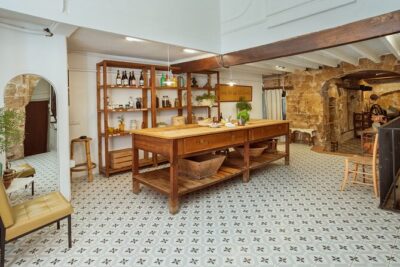
You’ll also be in a real home space, not a studio kitchen. That can be charming, but it also means you should go with the mindset of “I’m here to participate.” Wear comfortable clothes, expect a working kitchen setup, and keep your focus on the cooking flow, not on perfect photos.
Finally, the experience includes sanitary precautions as described by the operator, and your home is supplied with the essential items for guests like hand sanitizing gel and paper towels for washing hands. You’ll also be asked to keep 1 meter distance when you can, and use masks/gloves when distancing isn’t possible.
I Trulli di Alberobello and the logic of this pacing
The itinerary’s main “sight” moment is I Trulli di Alberobello, and the rest of your time is devoted to making and eating. This pacing is ideal if you want a proper cultural anchor without turning the day into a checklist.
Here’s why it works: you’re not watching history from a distance and then heading to a generic meal. Instead, you see the World Heritage setting first, then you move into the local home food that matches the region’s daily life. The class becomes a translation of place into flavor.
Because the time is limited to about 3 hours, you don’t have to fight your schedule with long transit between stops. It’s compact, and that keeps the experience from feeling rushed in the kitchen.
One more thought: if you’re also planning a separate walk around Locorotondo later (many people do), this class can be the “slow, social” piece of your day. Cooking and eating gives you a break from the constant moving.
Meal time: eating what you made, with local wines
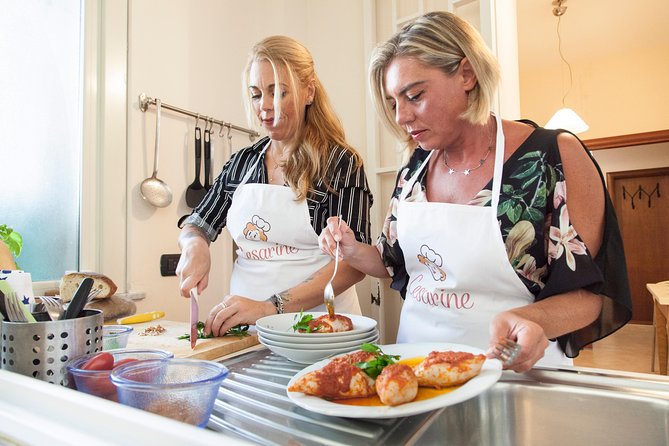
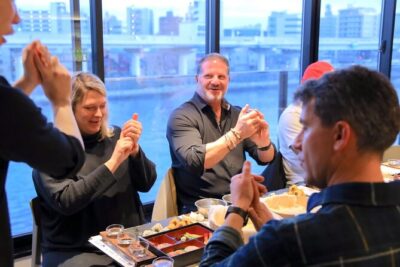
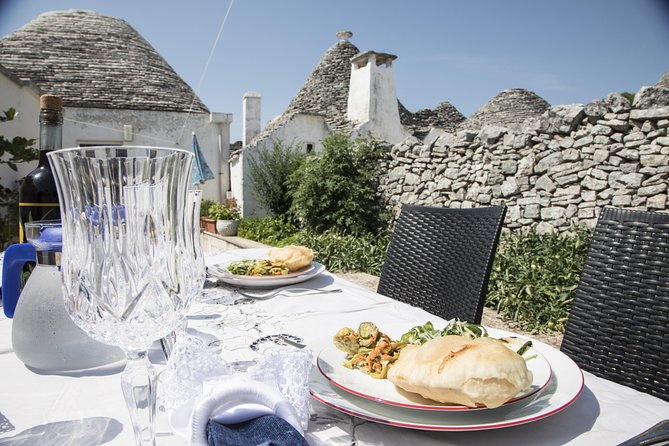
After cooking, you’ll taste the fruit of your labour with local wines. This is a meaningful part of the experience because the meal is not just a reward it’s the cultural payoff. You get to test what you made while it’s fresh, warm, and clearly meant to be shared.
The experience also gives you a choice of timing: a morning (lunch) or afternoon (dinner) tour. That choice affects how the day feels afterward. A lunch meal can make the rest of the day feel lighter and easier to enjoy. A dinner slot can make the whole experience feel like a complete evening.
Pairing the meal with local wines is listed as part of the experience, so it’s not an optional add-on you have to hunt for. If you’re the kind of traveler who likes to understand a region through what it drinks and eats together, this is a big plus.
In homes like these, the conversation often flows because you’ve all been working on the same dishes. That’s when a cooking class becomes memorable, not just educational.
Price and value: what $174.60 buys you in real terms
At $174.60 per person, this isn’t a “cheap activity.” But you’re paying for several things that add up quickly when you actually try them elsewhere: a private home setting, hands-on instruction for three dishes from scratch, and a meal you eat afterward with local wines.
You’re also getting that direct connection to local life. Cooking with a Cesarina is a different value proposition than a cooking demo. Demos are passive. This is active. You learn pasta-making and dessert technique, and you leave with the satisfaction of finishing a full sequence from starter to dessert.
The experience is also noted as being booked on average about 62 days in advance, which suggests it has a strong following. If you have a tight travel window, it’s smart to lock it in earlier rather than assuming space will be available.
You’ll receive a mobile ticket, and the tour returns back to the meeting point. For a short 3-hour block, that reduces friction and keeps your day on track.
Who should book this (and who might want a different plan)
I think this experience is a great match for you if you want authentic home-style cooking rather than a stage-managed show. It’s especially good if you’re a foodie who also likes learning practical skills, like making fresh pasta and traditional desserts, not just tasting them.
It also suits groups who enjoy conversation. The setup is private, and the atmosphere in the kitchen tends to be warm and interactive, so it can work well for couples, small groups, or families.
You might consider a different option if your priority is long sightseeing. This is about food plus one clear stop at I Trulli di Alberobello, and after that, it’s all kitchen and table. You won’t be getting a full day of museum-style touring here.
Also, because it’s in a home and follows the operator’s sanitary guidelines, it’s worth embracing that “follow the host” mindset. If you dislike any rule-based environment at all, you may find it less relaxed than a casual restaurant dinner.
Should you book Cesarine in Alberobello?
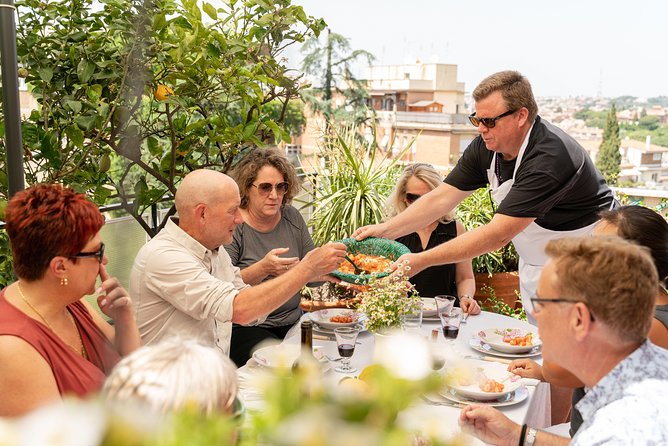
If you want one experience that feels deeply local and still practical, I’d book this. You get a private Cesarina class, you make three dishes from scratch, and you end with a home-style meal plus local wines in the exact region you’re visiting. It’s the kind of activity that gives you something to remember beyond pictures: a new set of cooking skills.
If you prefer your travel to be mostly sightseeing, or you’re looking for a fully hands-off meal out, this may feel too kitchen-focused. But if you’re game to roll up your sleeves and learn Apulian food the way locals do, this is a very strong choice.
FAQ
What is the duration of the Cesarine home cooking class in Alberobello?
It lasts about 3 hours.
Is this cooking class private?
Yes. It’s listed as a private tour/activity, and only your group participates.
Is the class offered in English?
Yes. It’s offered in English.
What dishes will I make during the class?
You’ll make three traditional dishes from scratch, including a seasonal starter, a fresh pasta main (such as orecchiette, maccheroni, or gnocchi), and a traditional Apulian dessert (such as cartellata barese, Sasanelli cookies, Zeppola, Tiramisu, or similar).
Do I eat what I cook?
Yes. After the class, you’ll enjoy a homecooked meal made from what you prepared.
Is there wine included?
Yes. Your meal is accompanied by local wines.
Is it easy to change plans if I need to cancel?
Cancellation is free up to 24 hours before the experience’s start time for a full refund.
What health and safety precautions are mentioned?
The operator notes the Cesarine provide essential sanitary equipment (like paper towels and hand sanitizing gel). They also ask guests to keep 1 meter distance, and to wear masks and gloves if distancing isn’t possible.