REVIEW · SAPA
Vietnamese Spring Rolls Cooking Class
Book on Viator →Operated by SAIGONESE TREKKING HOUSE · Bookable on Viator
Crispy spring rolls, made with your hands. In Sapa at Saigonese Trekking House, you’ll learn the full flow of rolling rice paper and frying crunchy spring rolls, then sit down to eat what you made. I really like that the class connects technique to flavor, so you understand why Vietnamese meals hit that sweet spot between fresh and crispy. I also like the family-style feel, where the chef guides you step-by-step and you end up eating as part of the experience, not after it. One thing to keep in mind: the experience requires good weather, so plan for the possibility of a reschedule if conditions are poor.
With a maximum of 10 travelers, this doesn’t feel like a factory class. It’s hands-on from the start: ingredient intro, prepping fillings with fresh local items, rolling, then frying until golden. The price is $25 for about 2 hours, and you’ll get a welcome drink (coffee/tea) plus dinner—so you’re paying for instruction and a meal, not just watching someone cook.
In This Review
- Key things that make this spring roll class worth it
- Crispy Vietnamese spring rolls in Sapa: what you’ll actually learn
- Meet Saigonese Trekking House and get into the cooking rhythm
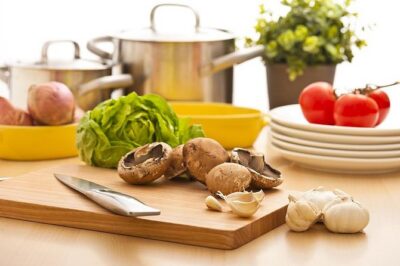
- Ingredient prep: fresh herbs, vegetables, and spices you can taste
- Rolling rice paper without turning it into a disaster
- Filling assembly: noodles, mushrooms, and vegetables in the right proportions
- Frying until golden and crunchy: the technique you’ll remember
- Dipping sauce and the flavor logic behind everyday Vietnamese meals
- The included dinner at the end: eat, relax, and learn from your own results
- Price and value: is $25 fair for a 2-hour hands-on class?
- Weather, timing, and what to plan for in Sapa
- Who this Vietnamese spring roll class is best for
- Should you book? My quick decision guide
- FAQ
- FAQ
- Where does the Vietnamese spring rolls cooking class start?
- How much does the class cost?
- How long is the experience?
- What’s included in the price?
- Is there a limit on group size?
- Do I get to take anything home?
- Is tipping included?
- What happens if the weather is poor?
- What is the cancellation policy?
Key things that make this spring roll class worth it
- You practice the real work: rolling rice paper and assembling fillings, not just tasting.
- You learn texture control: frying until golden and crunchy is the whole point.
- Fresh local ingredients drive the flavor: herbs, vegetables, noodles, and mushrooms are part of the core filling.
- You get a proper sit-down meal: dinner is included, and you eat your own spring rolls.
- Small group size: up to 10 travelers keeps the pace friendly and questions welcome.
Crispy Vietnamese spring rolls in Sapa: what you’ll actually learn
Vietnam has a handful of comfort foods that everyone recognizes, and fried spring rolls are one of them. This class is built around that idea: you’re not just making a snack, you’re learning a dependable home-cooking method that Vietnamese cooks use to balance freshness and crunch.
You’ll start with an introduction to the building blocks. Think fresh herbs and vegetables, plus local spices that help the filling taste lively instead of flat. Then you’ll assemble spring rolls filled with noodles, mushrooms, and vegetables—simple ingredients, but handled with care. The payoff is twofold: you eat what you make, and you take home a recipe you can recreate later.
If you’re the kind of traveler who likes cooking classes, this one fits your style. If you’re not, it still works because it’s practical. You’re learning something you can repeat, rather than collecting a few photos and moving on.
Meet Saigonese Trekking House and get into the cooking rhythm
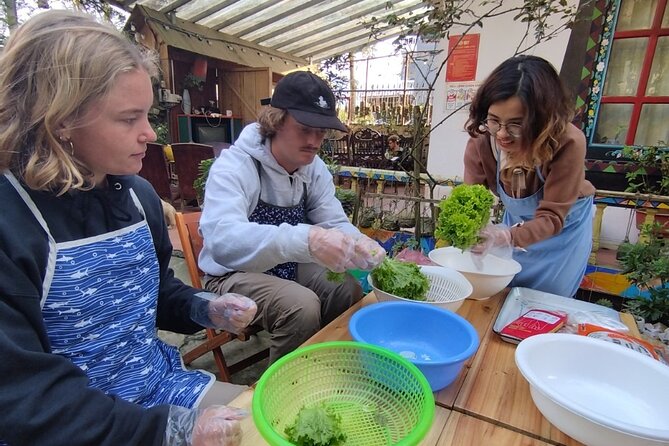
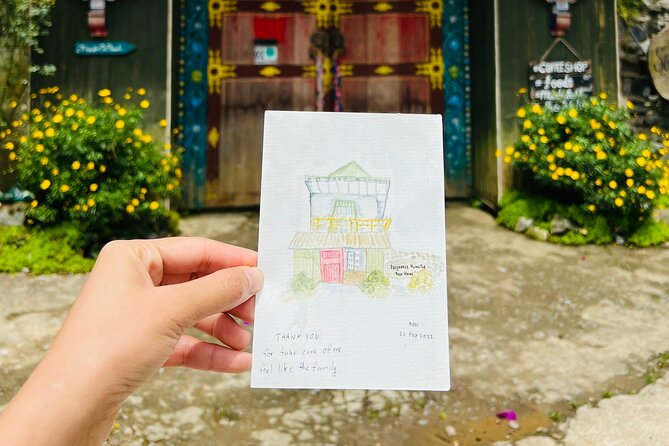
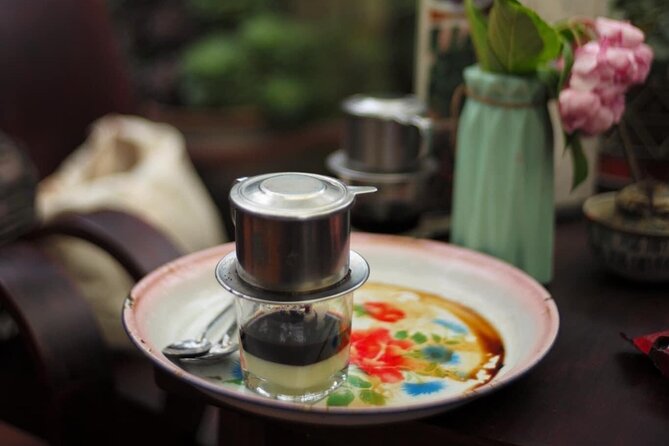
The class starts at Saigonese Trekking House on Nguyễn Chí Thanh in Sapa. It’s described as near public transportation, so you’re not stuck planning a complicated route or relying on a private car just to begin. You’ll also get a coffee and/or tea welcome drink before cooking, which helps you settle in.
One practical detail I appreciate in experiences like this: the start matters. If you show up relaxed and ready to work, the whole two hours feels easier. You’ll be guided by a local chef in a warm, family-style setup, which means you’re not getting pushed through like a timed show.
The small group size (10 max) also changes the vibe. You’re more likely to get direct attention while rolling, and if something feels tricky—like keeping the wrap intact or packing the filling—you can ask and adjust in real time.
Ingredient prep: fresh herbs, vegetables, and spices you can taste
Before you touch the rice paper, you’ll get oriented with the ingredients. That short intro is more than a formality. When you understand what goes into the filling and why, your hands-on work goes faster and your results improve.
Here’s what the class emphasizes:
- Fresh herbs and vegetables for brightness
- Local spices that give the filling its character
- Noodles, mushrooms, and vegetables as the core filling components
In Vietnamese cooking, flavor isn’t just about salt and heat. It’s also about contrast—cool herbs against warm, savory filling; crisp outside against softer inside. That’s why ingredient prep is part of the learning. You’ll see the balance in action as you assemble rolls that taste right even before frying.
If you’re vegetarian, this is worth your attention. The class description highlights it as a good fit, and the filling described (noodles, mushrooms, vegetables) already leans naturally toward plant-forward cooking.
Rolling rice paper without turning it into a disaster
Rolling rice paper is the skill that makes or breaks fried spring rolls. It’s also the most teachable part in a guided class, because you can correct things instantly.
In this experience, you’ll practice hands-on rolling. The goal is to create a wrap that holds together during filling and frying, so you end up with spring rolls that stay intact and don’t leak.
What makes this step valuable is the feedback loop. You’re not just copying a step. You’re building muscle memory around two things:
- Getting the wrap to behave while it’s being filled
- Sealing it well enough to survive frying
This is one reason small groups are so helpful. If you’re rolling with a chef watching, you learn how to fix common issues before they become big problems. And when your rolls come out neatly, you’ll feel the confidence boost that makes the rest of the class more fun.
Filling assembly: noodles, mushrooms, and vegetables in the right proportions
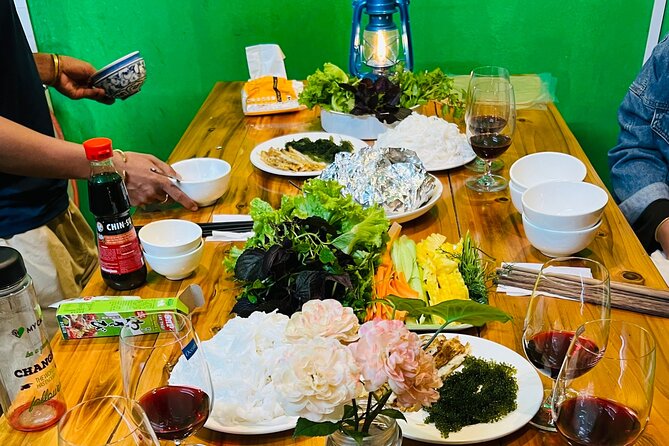
Once you understand the wrap, the filling is where Vietnamese comfort-food logic shows up. The class uses fillings built from noodles, mushrooms, and vegetables, plus herbs and spices.
The key idea for you: filling should be flavorful but not overwhelming. Overstuffing makes sealing harder and can lead to uneven cooking. Underfilling can leave you with less bite and weaker texture contrast.
By assembling the filling yourself, you’ll learn a practical sweet spot. And because the class is hands-on, you can adjust as you go—whether that means using less filling per roll or spreading it more evenly.
This is also where the cultural side shows up. Vietnamese meals often aim for balanced bites—something juicy, something fragrant, and something hearty. The spring roll filling is basically that philosophy in portable form.
Frying until golden and crunchy: the technique you’ll remember
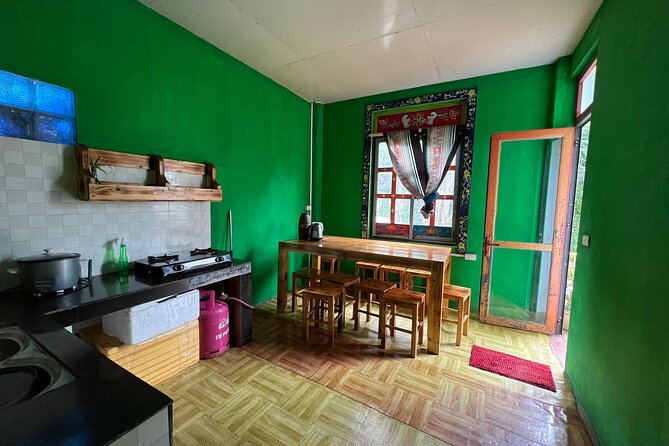
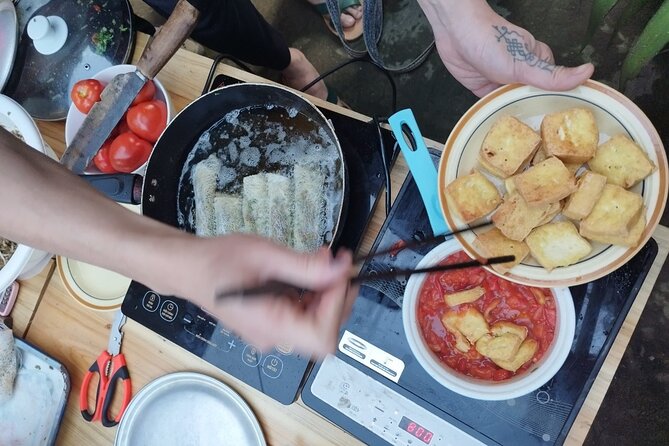
Frying is where the class earns its “crispy fried spring rolls” promise. You’ll fry the rolls until they turn golden and crisp, guided by the chef so you can see what “right” looks like.
This part matters because frying is less about following a recipe line-by-line and more about watching the food. Temperature, timing, and how the roll is sealed all affect the final texture. When you practice, you learn what changes in the oil as the rolls cook—then you can reproduce the result later.
After frying, you get that classic spring roll moment: the outside goes crisp while the inside stays tender. You also get to compare batches, which helps you understand how your own rolling and filling choices affect frying results.
One possible consideration: frying is active and a little intense. You’re working with hot oil and fast timing, so it’s not the calmest activity in the world. But the upside is huge—this is the “Aha” stage where everything you practiced finally shows.
Dipping sauce and the flavor logic behind everyday Vietnamese meals
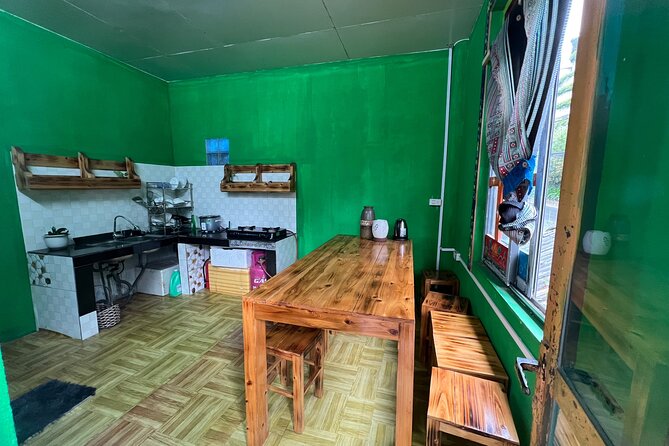
Vietnamese food often uses a dipping sauce to pull flavors together. In this class, you’ll serve the spring rolls with a traditional dipping sauce as part of the meal.
Even without getting too technical, you’ll likely notice what the class is teaching indirectly: crunchy fried food benefits from sauce that’s more balanced than one-note. If your rolls are salty and crispy, the sauce is typically where you get brightness and harmony.
The class explicitly frames the experience as more than cooking. You’ll gain insight into how Vietnamese people balance flavors and textures in everyday meals. This matters for you as a future cook. Instead of just memorizing a spring roll recipe, you’ll understand how Vietnamese taste builders think: crunchy plus fresh; savory plus lift; warm plus fragrant.
The included dinner at the end: eat, relax, and learn from your own results
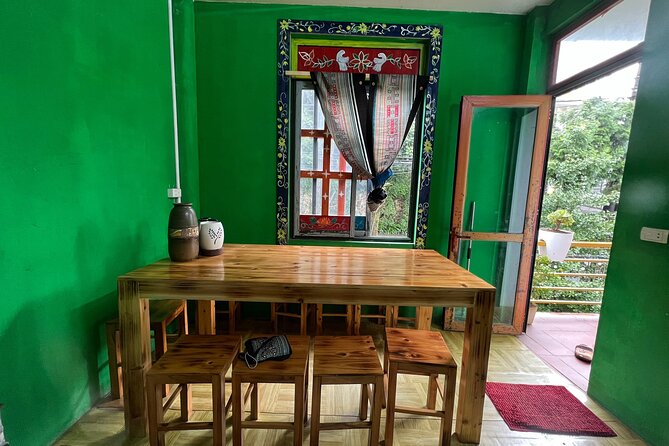
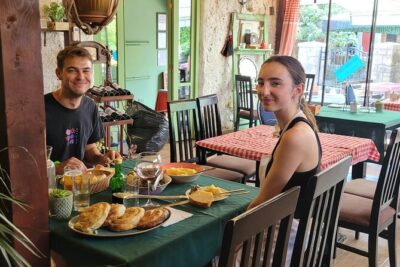
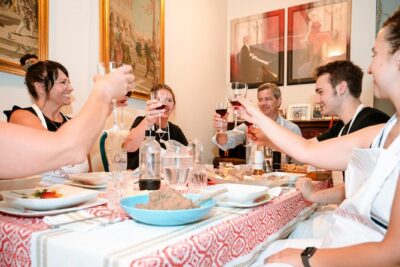
At the end, you’ll sit down in a warm, family-style setting and enjoy your creations. Dinner is included, so you’re not juggling “cook first, find food later.”
This meal component is a real value point. You get a chance to judge your work with all five senses:
- Does the roll stay sealed?
- Is the outside crisp when it hits your plate?
- Is the filling seasoned and balanced?
- Do the spring rolls and dipping sauce work as a pair?
This is also when the class becomes social. You’re not rushing out to catch a bus. You can slow down, taste what you made, and ask questions while you’re still in cooking mode. That’s the kind of learning that actually sticks.
Price and value: is $25 fair for a 2-hour hands-on class?
At $25 per person for about two hours, the price is pretty easy to justify if you focus on what’s included. You get:
- Coffee and/or tea welcome drink
- Dinner
- Guided hands-on practice with rolling and frying
- A recipe to take home
If you compare that to a typical “watch someone cook” experience, this is a better deal because you do the work. And since you leave with a recipe you can recreate, the class has a second life beyond your vacation.
Also, the maximum group size of 10 helps your value. Classes with bigger groups often turn into a line of people waiting for brief attention. Here, the chef’s guidance is more practical, which improves both enjoyment and results.
So yes, $25 feels reasonable here. It’s not just the dish. It’s the instruction, the meal, and the technique you’ll reuse.
Weather, timing, and what to plan for in Sapa
This experience requires good weather. That doesn’t mean you can’t book—it means you should treat conditions as part of your plan. If poor weather cancels the class, you’ll be offered a different date or a full refund.
Given Sapa’s reputation for changing conditions, it’s smart to keep your schedule flexible. If you’re the type who packs one tight itinerary day after day, consider giving yourself a little cushion.
Duration is about 2 hours. That’s a good length for a cooking class. Long enough to feel skilled by the end, short enough that you can still enjoy Sapa afterward without losing the whole day.
Who this Vietnamese spring roll class is best for
This class is ideal if you want a hands-on food experience that’s still grounded in culture. Here’s where it really fits:
- Food lovers who like learning the “why,” not only the steps
- Beginners who want guided frying and rolling practice
- Vegetarian-friendly eaters interested in a filling built from noodles, mushrooms, and vegetables
- Travelers who prefer small group activities with a friendly, family-style feel
If you hate kitchen mess, hot oil, or being physically involved, you might find it less comfortable. This isn’t a sit-and-smile class. But if you’re open to getting your hands busy for a couple hours, you’ll likely have a great time.
Should you book? My quick decision guide
Book this Vietnamese spring rolls cooking class if you want hands-on technique, a real meal at the end, and a recipe you can cook again. The value is strongest when you treat it as both an activity and a learning session—rolling, filling, frying, then eating your own results.
Skip it only if you’re looking for a purely observational experience or you can’t handle the active frying part. Also, because it needs good weather, try not to schedule it as your one must-do event on the most fragile day of your trip.
FAQ
FAQ
Where does the Vietnamese spring rolls cooking class start?
The class starts at Saigonese Trekking House, 02 Nguyễn Chí Thanh, TT. Sa Pa, Sa Pa, Lào Cai, Vietnam.
How much does the class cost?
It costs $25.00 per person.
How long is the experience?
It lasts about 2 hours.
What’s included in the price?
Coffee and/or tea welcome drink and dinner are included.
Is there a limit on group size?
Yes. The class has a maximum of 10 travelers.
Do I get to take anything home?
Yes. You take home a recipe that’s simple and authentic to recreate anywhere.
Is tipping included?
Tips are not included.
What happens if the weather is poor?
The experience requires good weather. If it’s canceled due to poor weather, you’ll be offered a different date or a full refund.
What is the cancellation policy?
Free cancellation is available up to 24 hours in advance for a full refund. If you cancel less than 24 hours before the start time, the amount paid is not refunded.