REVIEW · BEIJING
Beijing: Private Dumpling Cooking Class in Local Family
Book on Viator →Operated by Catherine Lu Tours · Bookable on Viator
A morning market walk plus dumpling-making at a real home sounds perfect. This private class pairs Beijing wet market time with cooking instruction in Catherine’s home, so you’re not just learning recipes—you’re learning the ingredients and the rhythms of daily food life. I love that it feels guided from start to finish, with a clear plan and a warm family setup.
My favorite part is the hands-on focus. You’ll make dumplings from scratch (wrappers and filling), and you’ll also cook two more local dishes to eat right away—plus there’s a chance to chat with the kids in English, Chinese, or through body language. One more plus: your hotel pickup and drop-off help you dodge the chaos of Beijing traffic.
The only real drawback to consider is that this is not a quick, watch-only experience. It’s a work-your-hands type of class, so if you want a relaxed sightseeing day or you’re traveling with someone who won’t handle kitchen time, you may feel more rushed.
In This Review
- Key highlights you’ll actually feel during the day
- How the hotel pickup and wet market set the tone
- Dumpling-making in Catherine’s home: wrappers, fillings, and folding well
- A good way to get more out of the class
- The extra dishes: what you’ll likely cook besides dumplings
- Why the extra dishes matter for value
- Market tastings: pastries, seasoning, and health tea explanations
- What to look for during the market stop
- What you eat: a DIY lunch that’s part recipe and part story
- Chatting with the family adds a cultural layer
- Price and value: what $160 gets you in Beijing
- Who should book this dumpling class in Beijing
- Food allergies and dietary needs
- Kids and shared pricing
- Quick expectations for timing and group style
- Should you book this private dumpling cooking class?
- FAQ
- How long is the dumpling cooking class in Beijing?
- What’s included in the price?
- What dishes will I learn besides dumplings?
- Is this a private tour?
- Do I need to bring a ticket?
- Can children join the class?
- What should I do if I have a food allergy?
Key highlights you’ll actually feel during the day
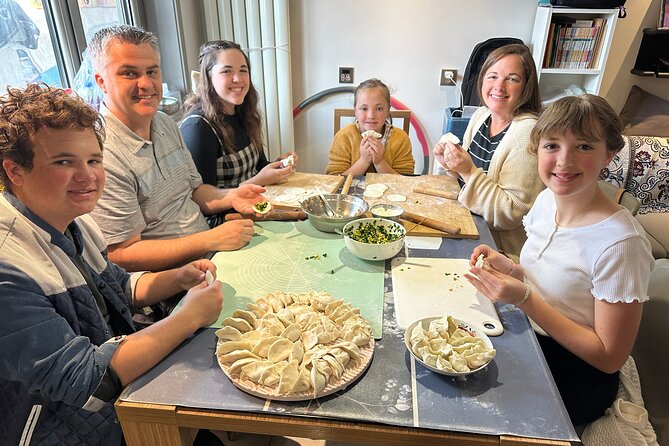
- Hotel pickup and driver help reduce the stress of getting in and out of traffic
- Wet market first, cooking second, so ingredients make sense while you work
- Catherine’s home setup makes the lesson feel personal and human, not staged
- Dumplings plus two extra dishes, so you leave with more than one skill
- Conversation-friendly options with family members, including kids
- Transport plus meals plus drinks included, which helps the price land better
How the hotel pickup and wet market set the tone
This starts the easy way. Your private driver meets you in your hotel lobby in the morning, and you’re transferred to the area with less hassle than trying to arrange everything yourself. In Beijing, that matters. Even if your cooking class is only a few hours, the city’s timing can turn a simple plan into a long one—pickup smooths out the whole day.
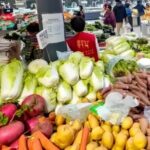
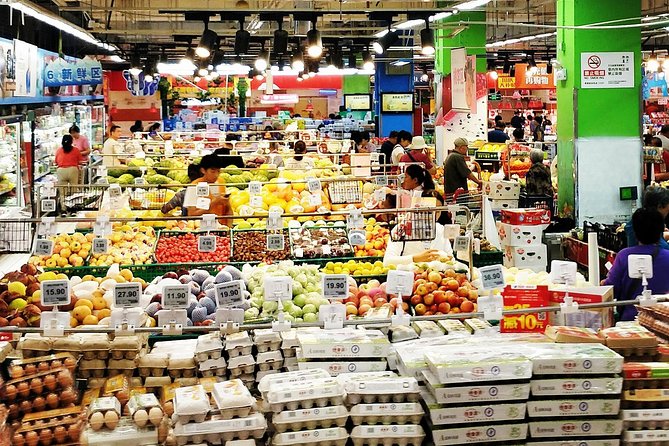
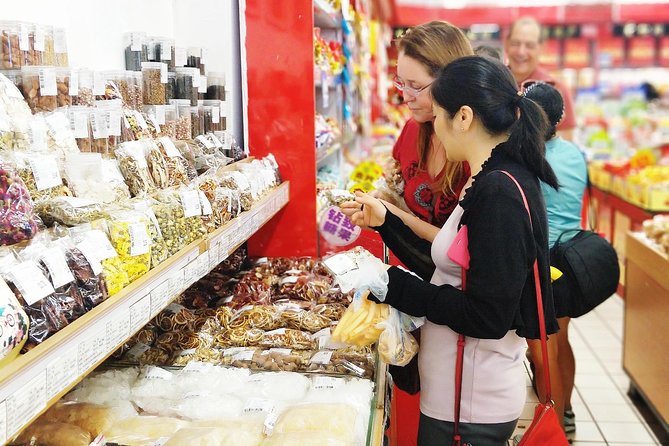
Before you step into the family home, your hostess shows you around a nearby local wet market. This isn’t a photo stop where you rush past stalls. It’s the beginning of the story: you get to see how people buy food day to day, how products look and smell, and how local flavors are chosen. You also get tastings and explanations around traditional pastries, local seasoning, and health tea or infusion—so when you later handle dumpling wrappers or mix sauce ingredients, you already know what you’re working with.
One practical note: wear something comfortable. Market time can mean walking and leaning in to look closely at stalls. And even though this is guided, you’ll still want shoes that don’t hate you by the end.
You can also read our reviews of more tours and experiences in Beijing.
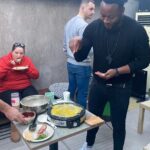
Dumpling-making in Catherine’s home: wrappers, fillings, and folding well
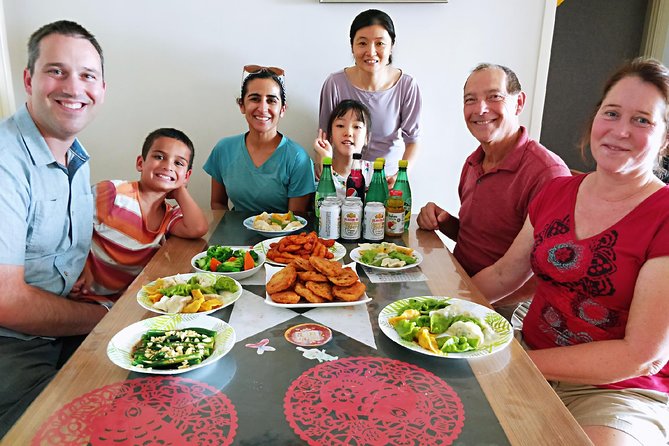
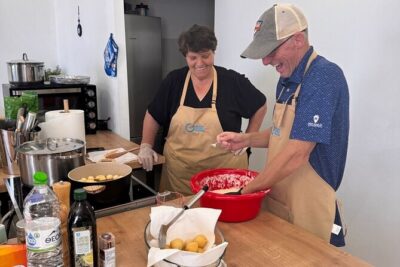
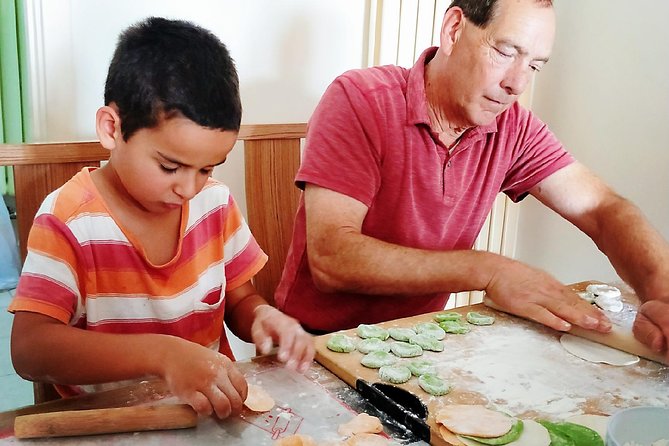
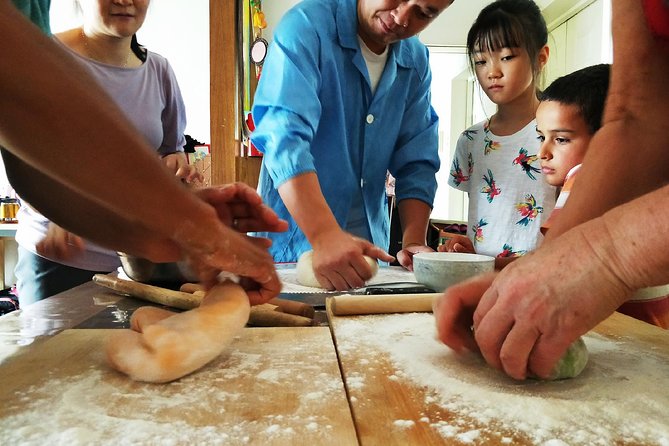
Once you arrive at Catherine’s home, the lesson shifts from observation to action. You’ll prepare a dumpling meal plus two additional local dishes. Dumplings are the star here, but the real value is that you’re not only learning a final shape—you’re learning the process.
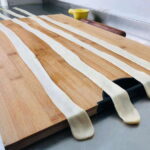
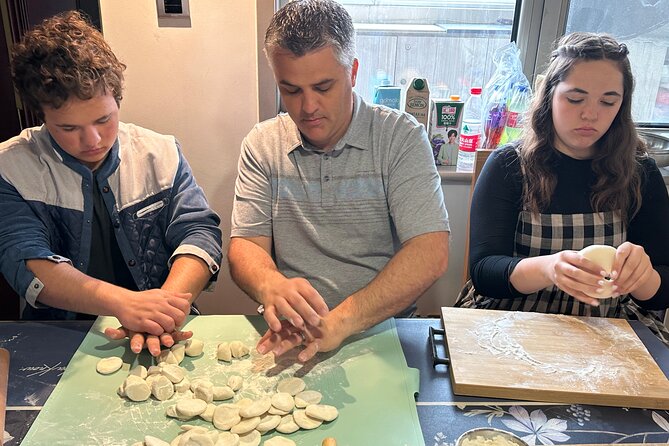
You’ll learn how to prepare dumpling fillings and dumpling wrappers, then how to fold them neatly. Folding sounds like a small detail, but it’s where most classes fall short. Here, the goal is that your dumplings look good and cook well, not just that you get a dumpling-shaped blob on the plate.
As you work, you’re also tasting and learning how flavors build. Dumpling filling isn’t just ingredients—it’s balance. You’ll be guided through what goes into the filling and how to work with it, and that makes the lesson stick even after you leave Beijing.
If you’re the type who likes structure, you’ll probably appreciate how the team keeps things moving. One review described the experience as well planned and easy to understand, and that matches what this format is designed to do: you shouldn’t feel lost, especially when you’re trying new cooking steps in a home kitchen.
A good way to get more out of the class
Come ready to ask questions. Even basic ones help: how they season, how they decide wrapper thickness, or why one dish tastes the way it does. If your comfort level with Chinese cuisine is lower, this is a perfect day to learn by doing.
And if you want language support, you’re in good shape. The tour includes an English-speaking guide service fee, and there’s also an opportunity to speak with the kids in English, Chinese, or nonverbal communication.
The extra dishes: what you’ll likely cook besides dumplings
This class includes dumplings and two other local dishes. The menu options listed give you a nice range depending on the family’s plan that day. Based on what’s provided, you may make combinations such as:
- Kung Pao Chicken and Sour Sweet Pork or scrambled egg with tomato
- Sauteed soy sauce cabbage or green bean pork
That flexibility is actually useful. It means you’re not locked into one single dish list that may or may not match your tastes. It also helps you get a fuller picture of everyday Chinese cooking rather than repeating the dumpling theme twice.
Why the extra dishes matter for value
A lot of cooking tours teach one recipe and call it a day. Here, you get variety in technique and flavor profile. Dumplings teach dough, stuffing, and shaping. The extra dishes bring in stir-fry logic, sauce balance, and home-style comfort flavors. You’ll leave with a better sense of how a meal comes together—rather than memorizing steps for one item only.
Also, you get to eat what you make later. You’re not waiting for a distant restaurant lunch where the class becomes a memory. The meal is part of the lesson.
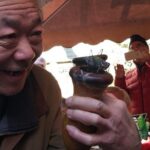
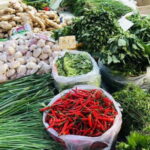
Market tastings: pastries, seasoning, and health tea explanations
One of the smartest parts of this experience is the attention to ingredients before the kitchen work begins. On the market walk, your hostess shows traditional pastries and explains local seasoning. You’ll also have a chance to experience health tea and infusion, including explanations of what they’re used for.
I like this approach because it connects food to culture without turning it into a lecture. When someone shows you seasoning up close and explains how it’s used, it stops being a mysterious flavor you can’t replicate at home. And when tea is explained in context, it’s easier to understand why it fits into a meal or a daily routine.
You should still think of this as food education, not medical advice. The tour includes explanations, but it’s not a clinical setting. If you have specific health conditions, rely on your own judgment and, if needed, ask questions.
What to look for during the market stop
Don’t just taste—observe. Watch how people pick products. Look for what looks freshest and how the stall works. Even if you can’t identify every ingredient, you’ll start to recognize cooking building blocks.
What you eat: a DIY lunch that’s part recipe and part story
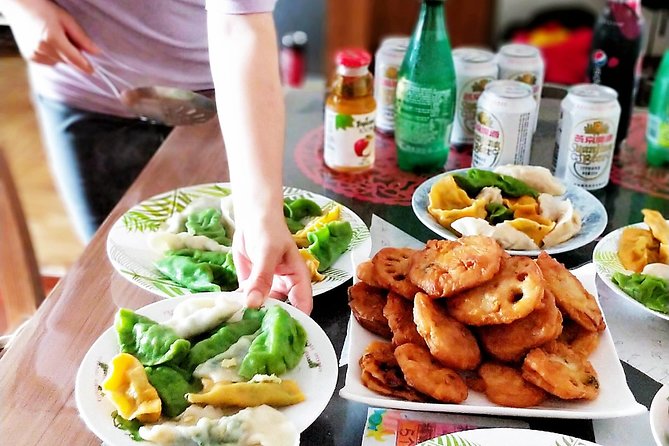
The goal isn’t a quick demo where someone else does the hard work. You’ll prepare and then enjoy your DIY meal later. That means your dumplings aren’t just something you watch being formed; they’re something you made, from wrappers to final bite.
This is one of the experiences where home cooking changes everything. You’re eating in the place where the family actually lives. That usually results in a more relaxed pace and a feeling of real hospitality, not a staged performance.
Chatting with the family adds a cultural layer
You’ll also have an opportunity to talk with the kids in English, Chinese, or by body language. That kind of interaction is often the most memorable part, because it reminds you that a culture isn’t a set of attractions—it’s people, daily habits, and curiosity. Even basic conversation can make the whole meal feel more meaningful.
If you’re traveling with kids, this part can work well too. You’re not just taking children to eat something new—you’re giving them a story to participate in.
Price and value: what $160 gets you in Beijing
$160 per person is not a bargain-bin price, but it’s also not out of reach for a private, full-morning plan in Beijing. The best way to judge value is by looking at what’s included and what it saves you.
Included in the price:
- English-speaking guide service fee
- Transfer, plus gas, toll, and parking fees
- Lunch or dinner
- All drinks
- Dumpling making learning
- Hotel pick up and drop off
Not included:
- Gratuity to the guide and driver
Here’s the value logic. You’re paying for more than recipes. You’re paying for transportation into local neighborhoods, time with a host who explains ingredients and brings you into her home, and instruction that turns into an actual meal you can eat. If you’ve tried to arrange something similar on your own—market time, then a home kitchen, then a guide who explains what you’re doing—you’ll see how quickly the “DIY” cost can balloon.
The private format also matters. You’re not sharing a small kitchen with a dozen strangers while trying to fold dumplings and learn. It’s your group’s pace.
If you’re comparing options, I’d think about it like this: you’re buying convenience plus a real cultural meal. That’s usually the difference between a fun class and a day that feels worth the money.
Who should book this dumpling class in Beijing
This fits best if you want food culture you can touch—hands-on cooking, not just tasting in passing. It’s also a good pick for:
- Families who want kids to participate, not just watch
- First-timers who want a comfortable entry into Chinese home cooking
- Travelers who like markets and want to connect ingredients to recipes
- People who appreciate guided explanations, especially for seasoning and tea
It’s less ideal if you strongly prefer sightseeing-only days or you’d feel uncomfortable in a home kitchen environment. Because this is active and hands-on, plan for a lesson where you’re focused on cooking steps for much of the four hours.
Food allergies and dietary needs
The tour asks you to inform them about food allergies. That’s important. If allergies are part of your planning, send details early so the family can manage ingredients safely.
Kids and shared pricing
Children must be accompanied by an adult. Child rate applies only when sharing with two paying adults. If you’re traveling as a family, this can affect the total cost, so it’s worth checking the math before you book.
Quick expectations for timing and group style
The experience runs about four hours. It’s private, meaning only your group participates. That private setup is usually what makes home-based classes feel smooth—everyone can ask questions and you can keep pace without a crowd.
Mobile ticketing is provided, and confirmation is received at booking. Practically, it means you can organize it like a normal activity rather than a complicated back-and-forth.
For the best experience, treat it like a real appointment: arrive with time to settle in, and be ready to cook.
Should you book this private dumpling cooking class?
If you want a Beijing food experience that feels personal, I think this is a strong yes. The combination of wet market time, dumpling-making instruction, and a family-home meal is exactly the kind of day that turns into a story you’ll remember. The private transport and included drinks and lunch also make it easier to justify the price without feeling nickel-and-dimed.
Book it if:
- You like markets and ingredient explanations
- You want to learn dumplings and one or two more dishes, not just watch
- You’re traveling with kids and want them involved
Skip it or rethink it if:
- You want a laid-back day with minimal hands-on work
- You need a highly specialized menu beyond what you can discuss as a food allergy
- You’re hoping for mostly sightseeing rather than cooking
If your goal is to eat well, learn something real, and spend time with local people in a home setting, this is the kind of class that delivers.
FAQ
How long is the dumpling cooking class in Beijing?
The experience is about 4 hours.
What’s included in the price?
The tour includes an English-speaking guide service fee, hotel pick up and drop off, transfer costs (gas, toll, parking), lunch or dinner, all drinks, and dumpling making learning.
What dishes will I learn besides dumplings?
You’ll learn dumplings and two other local dishes. The listed options include Kung Pao Chicken and Sour Sweet Pork, or scrambled egg with tomato; plus either sauteed soy sauce cabbage or green bean pork.
Is this a private tour?
Yes. It’s private, and only your group participates.
Do I need to bring a ticket?
You’ll receive a mobile ticket.
Can children join the class?
Children must be accompanied by an adult. The child rate applies only when sharing with two paying adults.
What should I do if I have a food allergy?
You should inform the provider about your food allergy.