REVIEW · BEIJING
Online Cooking Class Hand Pulled Noodles by Sunflower Li
Book on GetYourGuide →Operated by Sunflower Tours China · Bookable on GetYourGuide
Hand-pulled noodles, minus the jet lag. This online class with Chef Sunflower Li turns Biáng Biáng noodles into a hands-on, step-by-step dinner you can make at home. Two things I really like: you get clear guidance in English from a real teacher, and you also learn the cultural context behind the dish, not just the cooking steps. One thing to watch: the class runs on the instructor’s Beijing-time schedule, so you’ll want to double-check the start time conversion.
The setup is also built for real life. You’re not trapped in a rigid itinerary. Timing can be adjusted for your schedule and your time zone, and the format works whether you want lunch or dinner. It’s also a great fit for groups, from birthdays to team building, because it feels like an event even though you’re at home.
And yes, it’s fun. The technique is physical, a bit theatrical, and very satisfying once the noodles start coming together. Vegan options are available, and the recipes are made from scratch, so you’re not just assembling takeout at a zoomed-in cooking desk.
Key highlights to know before you join
- Private Zoom class with Chef Sunflower Li, taught in English
- Hand-pulled Biáng Biáng noodles made from scratch, with a guided technique
- Sauce lesson at the end using ingredients that match a more authentic flavor profile
- Time-zone-friendly scheduling, designed for Europe or US dinner/lunch
- Vegan option available, so your group can cook together
- Group-friendly format for private events like team building or celebrations
In This Review
- Biáng Biáng noodles: why this dish is the perfect Zoom cooking show
- Joining on Zoom and prepping ingredients (what you really need to do)
- A practical prep tip
- Your 2-hour noodle lesson with Chef Sunflower Li (how the time is used)
- The hand-pulling technique: wide noodles and that satisfying stretch
- What makes this class feel different than cooking a recipe
- Cooking the flavor: veggies, spices, sesame, and vinegar
- The sauce at the end: what to focus on so it tastes authentic
- How you get the best results
- Vegan option and private group value: best for teams and celebrations
- Who this suits best
- Time-zone math: Beijing time affects your start date
- Price and value: $99 per group up to 5
- Who should book this online noodle class?
- FAQ
- Is this class held in person?
- How long is the hand pulled noodles class?
- How much does the class cost?
- What language is the instruction?
- Are vegan options available?
- Are cooking ingredients included in the price?
- How does scheduling work for different time zones?
- Is the experience wheelchair accessible?
Biáng Biáng noodles: why this dish is the perfect Zoom cooking show
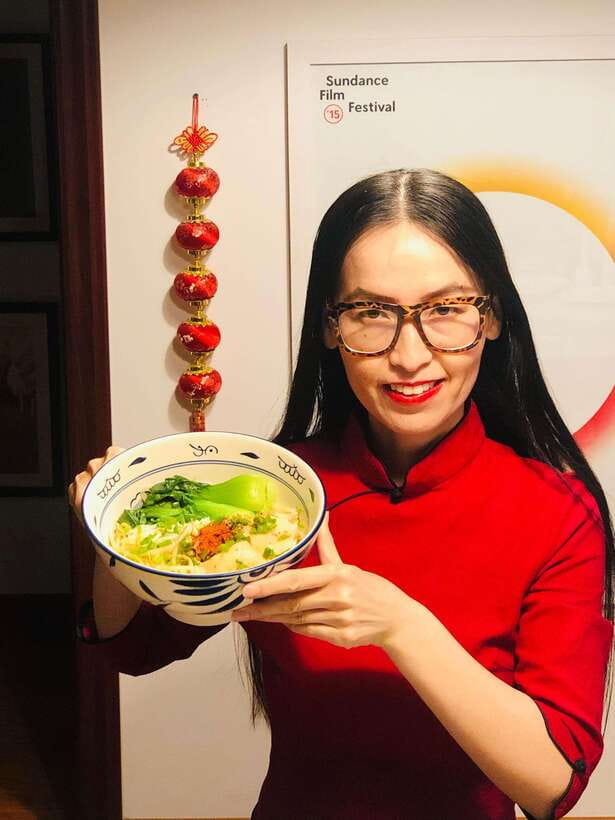
If you’re expecting a quiet, tidy cooking class, this one won’t feel that way. Hand-pulled noodles have a built-in rhythm, and the Biáng Biáng name comes from the sound you make while pulling and stretching the dough. The noodles are wide—people also call them belt noodles—so they don’t look like the thin, delicate noodles you may be used to.
What makes the experience click for me is that you’re learning an iconic Xi’an style dish with deep roots. The noodles started in China with an 1800+ year history, and Biáng Biáng noodles are tied to Xi’an, the birthplace of the Terra Cotta Army. Even if you’ve never cooked anything from that region before, the class gives you a reason behind the technique, not just a set of instructions.
And because these noodles are refreshing and especially suited for warmer weather, they’re a great target if you want something that feels summer-friendly without falling into plain or boring food. You’re making something that looks dramatic on the plate and tastes like real homemade comfort.
Joining on Zoom and prepping ingredients (what you really need to do)
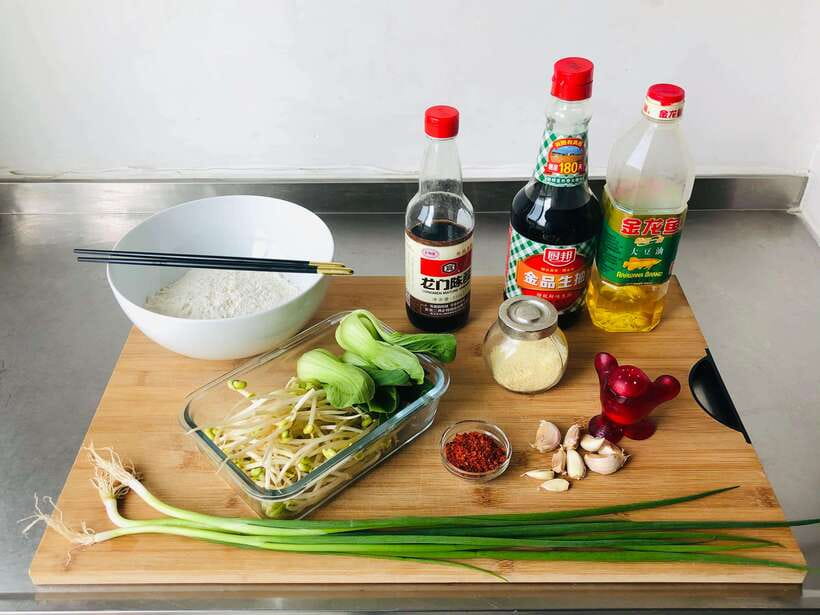
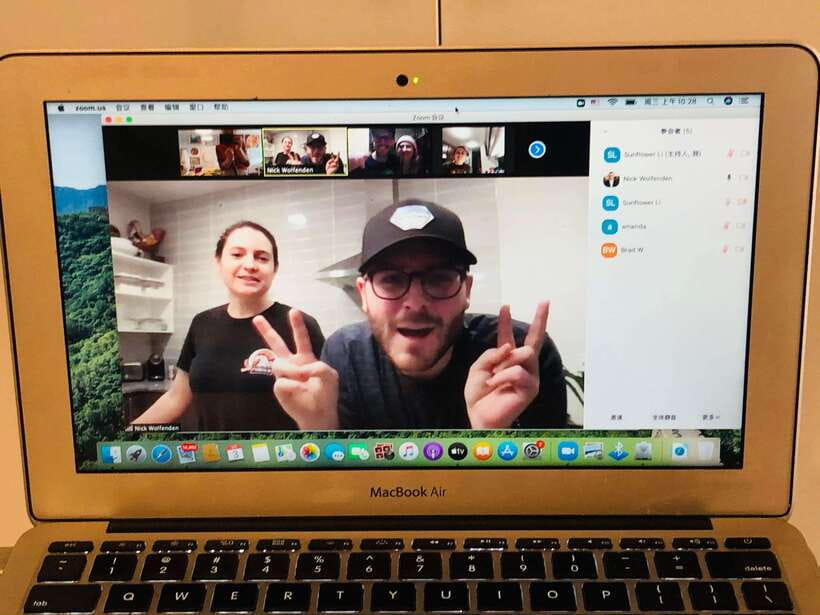
This is an online class, so there’s no travel day and no “meet at the lobby” problem. You meet Chef Sunflower Li virtually via Zoom. After you book, you receive the Zoom meeting link by WhatsApp or iMessages, along with an ingredient list to prepare before class.
Here’s the part that matters for your success: the ingredients are not included. You’ll be cooking with a set list, and you’ll want to have everything measured and ready. The class includes a clear shopping/prep list, including:
- 4 oz / 112 g bean sprouts
- 4 oz / 112 g bok choy
- 5 tablespoons diced green onion
- 4 tablespoons minced garlic
- chili powder (optional)
- toasted sesame seeds
- vinegar
- 13 spice (with a suggested substitution to 5 spice)
- olive oil and salt
This is helpful for two reasons. First, it removes guesswork about proportions. Second, it lets you focus during the class, because you’re not pausing every few minutes to search for a missing spice.
You can also read our reviews of more tours and experiences in Beijing.


A practical prep tip
If you’ve never cooked with sesame seeds, vinegar, or spice blends, do yourself a favor: have them open, measured, and within reach. When you’re learning noodle pulling, you don’t want to be hunting down a jar mid-stretch. The class is built around doing things in real time.
Your 2-hour noodle lesson with Chef Sunflower Li (how the time is used)
The class typically runs 90 minutes to 2 hours. In plain terms, you’re signing up for enough time to learn the technique, practice it, and finish a meal you can actually eat—without it dragging on for half a day.
Chef Sunflower Li guides you through the whole process as a private teacher. The instruction is in English, which is a big deal for technique-heavy cooking. With noodle pulling, wording matters. You need cues that you can understand quickly when your dough starts to behave differently than expected.
What you can expect from the session:
- Welcome and setup for your Zoom class and the dishes you’ll be making
- Noodle-making from scratch, where you form and stretch the dough into Biáng Biáng style noodles
- Cooking components like prepping the vegetables and building the flavor base
- A sauce lesson toward the end, so you finish with a complete plate, not just noodles
Another thing I like: the class doesn’t treat cooking as isolated steps. You also get context about Chinese culture and even the writing side of the language. That sounds small, but it changes how you remember the dish. You’re not just making food; you’re learning what the dish means.
And because it’s a private group, the pace feels designed for your crew rather than a mass-class rhythm.
The hand-pulling technique: wide noodles and that satisfying stretch
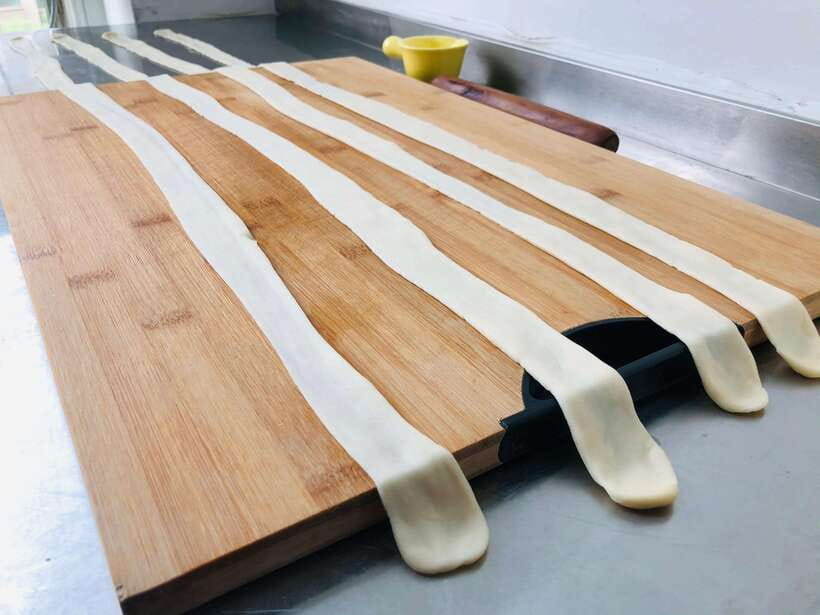
The main event is the hand-pulled noodles. These aren’t thin, delicate strands. The noodles are wide and thick enough to feel sturdy, which helps when you’re learning. Wide noodles forgive minor mistakes more than super-fine noodles do.
You’re learning how to make Biáng Biáng noodles from scratch and getting coached through the pulling process. That includes the characteristic motion that gives the dish its name. It’s physical work for your hands and forearms, and that’s part of the fun.
What makes this class feel different than cooking a recipe
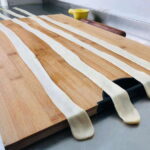
A lot of online cooking classes stop at instructions like add this and stir that. Here, the dough itself is the challenge. You learn how the dough transforms as you work it, and you build muscle memory for how to pull without tearing everything apart.
Also, the noodles are described as refreshing and great for summer. That’s not marketing fluff—it matters because it tells you the goal. You’re not chasing a heavy, oily noodle dish. The overall approach is meant to give you a fresh-tasting noodle experience once the sauce and vegetables come together.
Cooking the flavor: veggies, spices, sesame, and vinegar
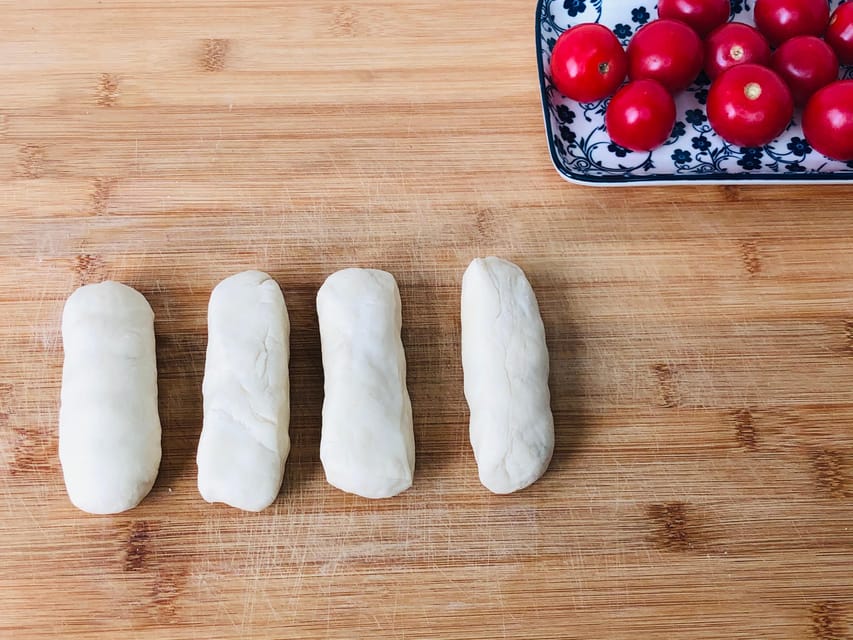
Once you’re past the noodle-making stage, the class shifts into building the dish so it tastes like Xi’an style food, not just plain noodles.
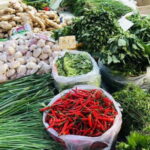
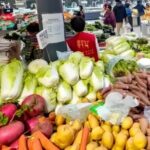
You’ll use a mix of vegetables and aromatics from the ingredient list: bean sprouts and bok choy bring crunch and green freshness, while green onion and garlic add the classic savory foundation. The sesame seeds and vinegar bring a sharper, tangy note that helps keep the dish lively.
A couple of practical details you’ll appreciate:
- Chili powder is optional, so you can adjust heat for your group.
- The spice blend is listed as 13 spice with a substitution to 5 spice. This makes the recipe more realistic for home cooks who might not have 13 spice on hand.
This is where the class earns its reputation. The goal isn’t just to make the noodles. It’s to make the noodles taste right in a balanced bowl. If you’ve only had noodles at restaurants, the best surprise is how fresh the flavor profile can feel when you’re using the right vinegar and sesame notes instead of relying on bottled sauces.
The sauce at the end: what to focus on so it tastes authentic
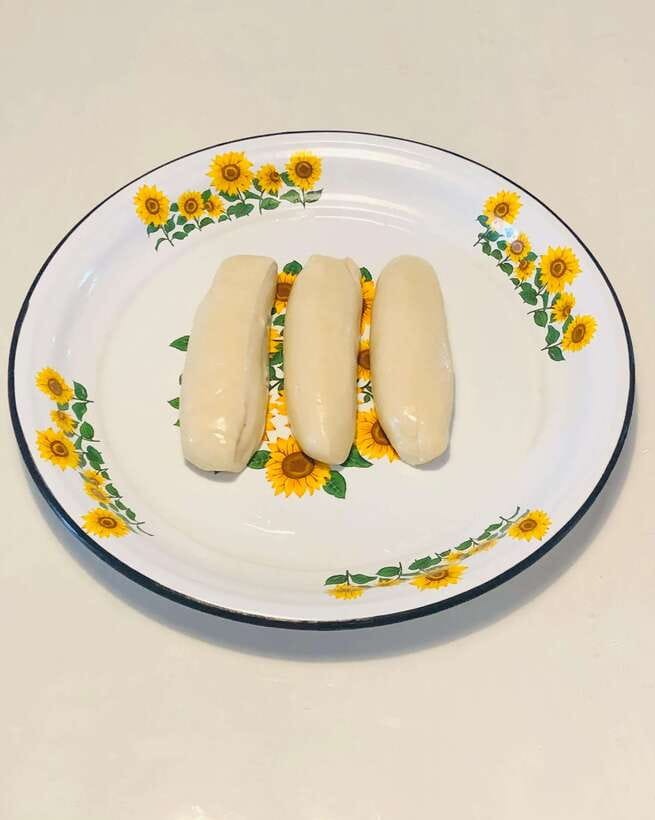
The final phase includes making a Chinese-style sauce to dress the noodles. This matters because sauce is half the experience with Biáng Biáng noodles. Without a good sauce, the dish can end up tasting like what it is—plain noodles with vegetables.
The class builds the sauce during the session so you can see how it comes together quickly at the end. That pacing helps because by the time you’re finishing, your noodles and veggies are at their best. You don’t want to wait around while food cools and textures change.
How you get the best results
Try not to treat the sauce as an afterthought. Focus on:
- getting the vinegar and sesame elements right
- balancing the spice level with optional chili
- using salt consistently rather than guessing near the end
If you’ve ever had noodles that tasted like they were missing something, it’s often the sauce balance. This is the part that turns the dish into something you’ll want to repeat.
Vegan option and private group value: best for teams and celebrations
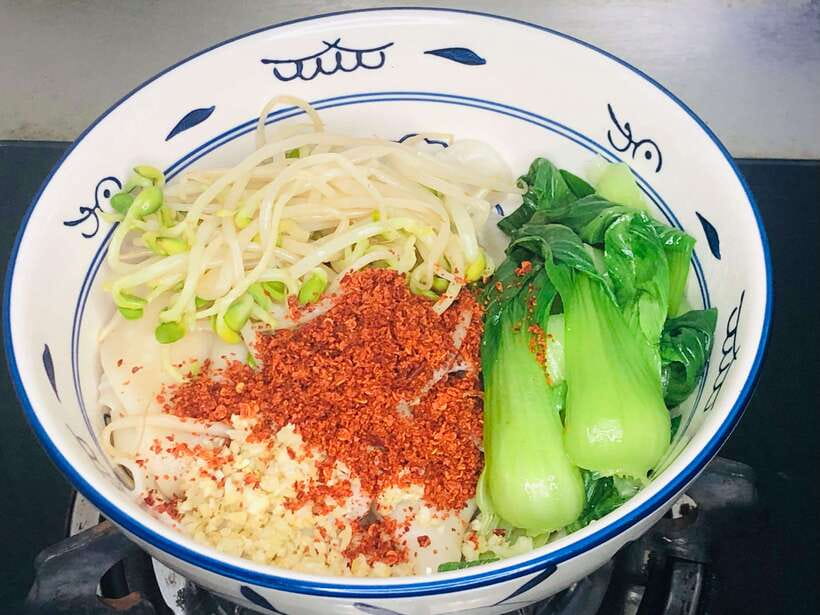
The class offers a vegan option, which is a big deal if you’re cooking with a mixed group. Since the ingredients list includes plant-based items (bean sprouts, bok choy, garlic, green onion), the vegan approach typically makes it easier to keep everyone in the same dish rather than separating everyone into two meals.
This format is also built for social moments:
- team building
- birthday parties
- bridal showers
- and other group celebrations
The private group setup matters because you can cook together instead of taking turns watching someone else. Up to 5 people can join per group, which keeps it personal.
Who this suits best
You’ll get the most out of the class if you like hands-on cooking, or if you want a structured activity that feels different from a regular dinner. It also works well for families and mixed ages, since kids and adults can both have a great time with the noodle-pulling challenge.
If you’re the kind of traveler who likes cultural food experiences but also cares about practical skills, this hits that sweet spot. You leave with a repeatable method, not just a one-time meal.
Time-zone math: Beijing time affects your start date
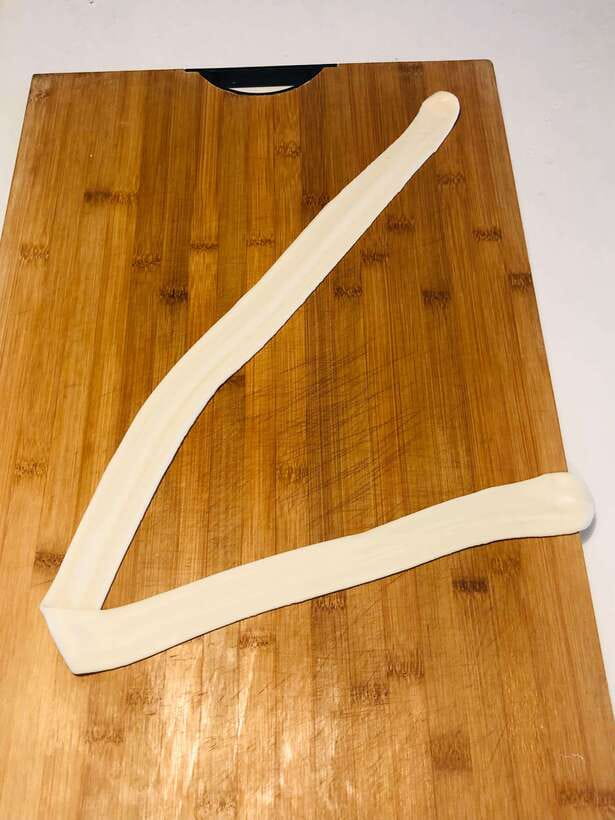
Scheduling is flexible, and the class is designed to suit Europe or US time zones for dinner or lunch. You can also change the timing to fit your schedule and time zone.
Still, here’s the real caution: the booking works off the instructor’s time zone, which is Beijing time. That means your local date might not match the date you see at a glance. Double-check your calendar conversion before you go grab your apron.
This is also one reason the class is a good value. If you’re coordinating group schedules across continents, you don’t want a rigid time slot. The ability to adjust timing can save you from last-minute conflicts.
Price and value: $99 per group up to 5
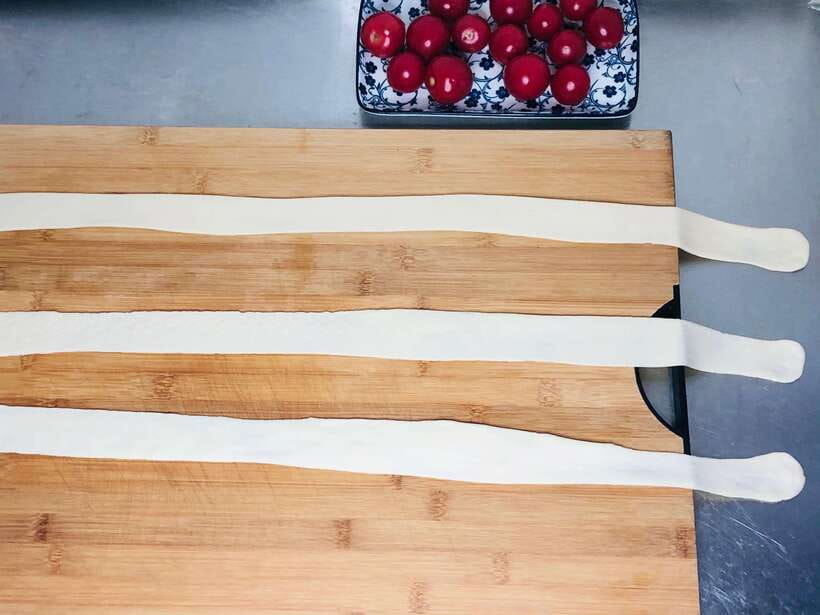
At $99 per group (up to 5 people) for a class lasting around 2 hours, the pricing is best understood as a “shared experience fee,” not a per-person meal purchase.
Here’s how the value often works out:
- If you fill the group with 5 people, you’re effectively splitting the cost into about $20 per person for guided noodle-making and sauce construction.
- If you join as fewer people, the cost per person rises, but you still get a private-group style experience with direct instruction.
What you do pay attention to is what’s not included: ingredients. The class provides the recipe approach and ingredient list details, but you’ll buy the items yourself (or substitute where instructed, like the 13 spice vs 5 spice note).
If you’re traveling, consider this as an event you can host from anywhere. No airfare for the chef, no restaurant booking, and no shopping scramble after class starts—especially if you prep your ingredients early.
Who should book this online noodle class?
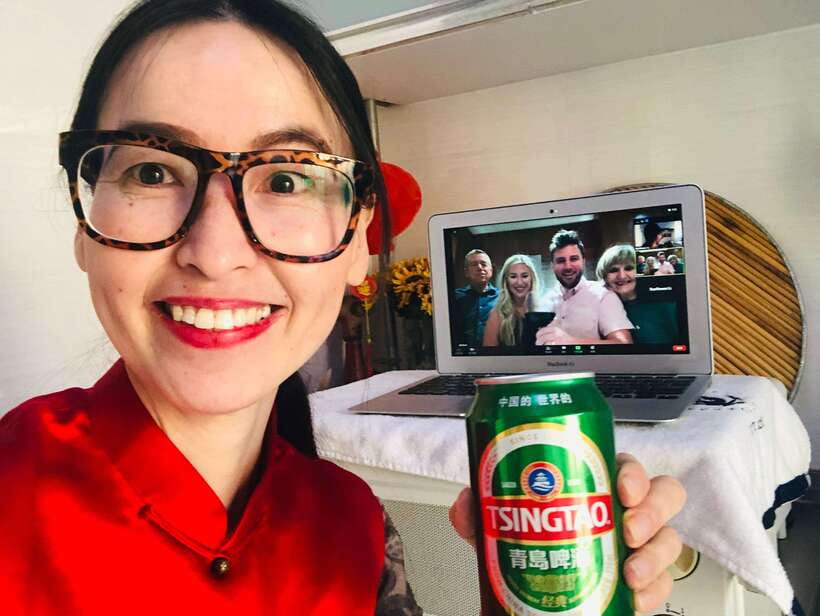
Book it if you want an authentic-feeling Chinese cooking skill you can repeat. It’s a great choice for groups who want an activity with structure, laughter, and real food at the end—especially if you’ve never pulled noodles before. The combination of technique (hand pulling), culture (Xi’an roots and Chinese writing/cultural context), and practical guidance in English makes it more than just a fun Zoom call.
Pass on it—or at least think twice—if you don’t want to handle ingredient shopping or you’re not ready to work with a dough-based technique that takes a little practice. Also, if you hate time-zone conversions, you’ll need to be careful with Beijing-time scheduling.
If you’re deciding right now, I’d recommend you check your local calendar against the Beijing-time start time, gather your ingredients list in advance, and plan to cook with your group rather than treating it like a passive show. With free cancellation up to 24 hours in advance, you also have some breathing room to lock it in.
FAQ
Is this class held in person?
No. You meet Chef Sunflower Li online on Zoom, virtually.
How long is the hand pulled noodles class?
The class lasts about 2 hours.
How much does the class cost?
It costs $99 per group, up to 5 people.
What language is the instruction?
The instructor teaches in English.
Are vegan options available?
Yes. A vegan option is available.
Are cooking ingredients included in the price?
No. Ingredients are not included. After you book, you’ll receive an ingredient list to prepare before the class.
How does scheduling work for different time zones?
The class is designed to suit Europe or US time zones, and timing is flexible. You should also note that the class uses the instructor’s Beijing time.
Is the experience wheelchair accessible?
Yes, it’s listed as wheelchair accessible.