REVIEW · BEIJING
Flavors of Beijing: Eat Like A Real Chinese
Book on Viator →Operated by Urban Passer · Bookable on Viator
Cooking in Beijing beats watching from the sidelines. This small-group class pairs a market walk with hands-on cooking in a hutong home, plus a full meal at the end.
What I like most is the way Chef Chao teaches real technique (woks, cleavers, sauces) without rushing you, and how you actually shop for ingredients first. One thing to consider: you’re doing active cooking work in a real kitchen, so it can feel warm and busy, especially in summer.
In This Review
- Key highlights you’ll feel fast
- A Beijing cooking class that starts with your shopping list
- Where you meet near the Bell and Drum Towers
- The walking route: Bell and Drum Towers, Yandai Xie Street, Yinding Bridge
- Great Leap Brewing Original #6 and temple stops (plus a small gotcha)
- Market tour: picking fresh ingredients the local way
- The condiments class: where most flavor actually comes from
- Cooking with woks and cleavers in a hutong home
- What you’ll cook depends on the day
- Vegetarian day (and vegetarian options every day)
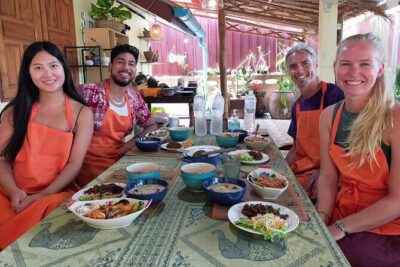
- Your final meal: eat what you cooked, then chat
- What to pack and what to expect in the kitchen
- Price and value: is $99 worth it?
- Who should book this (and who might not love it)
- How to make the most of your time with Chef Chao
- Should you book Flavors of Beijing: Eat Like A Real Chinese?
- FAQ
- How long is this cooking experience?
- What’s included in the price?
- Do you offer vegetarian options?
- What dishes will I cook?
- Where does the tour start and end?
- Is hotel pickup included?
- Is the group size small?
- Are drinks or beer included at Great Leap Brewing?
Key highlights you’ll feel fast
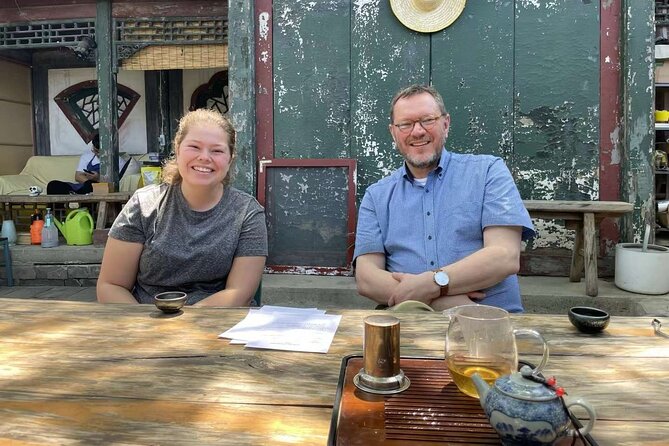
- Market-to-kitchen flow: You pick ingredients on foot, then cook with what you bought.
- Chef-led, small group: Max 12 people, so you get attention while you chop and stir.
- Condiments and sauces class: You learn what flavors drive Chinese cooking, not just what dishes to copy.
- Day-to-day menu changes: Expect dim sum one day and main dishes another, with at least one vegetarian option daily.
- Hutong family home meal: You eat at a table that feels like a local’s routine, not a staged show.
A Beijing cooking class that starts with your shopping list
The best Chinese cooking classes don’t start at the stove. They start at the market—where you learn what’s fresh, what’s worth buying, and what ingredients locals actually reach for.
This experience in Beijing does that in a practical way. First you meet near Jiu Gu Lou Da Jie (right by the Bell and Drum Towers area). Then you walk, see a few notable landmarks along the route, and head into food-market territory. After that, you move to a family home in a hutong alley, where Chef Chao and the hosts guide you step-by-step as you cook and season.
I also like the structure because it makes the learning stick. You can’t just memorize ingredients in the abstract. You see them. You pick them. You smell them. Then you cook them.
You can also read our reviews of more tours and experiences in Beijing.
Where you meet near the Bell and Drum Towers
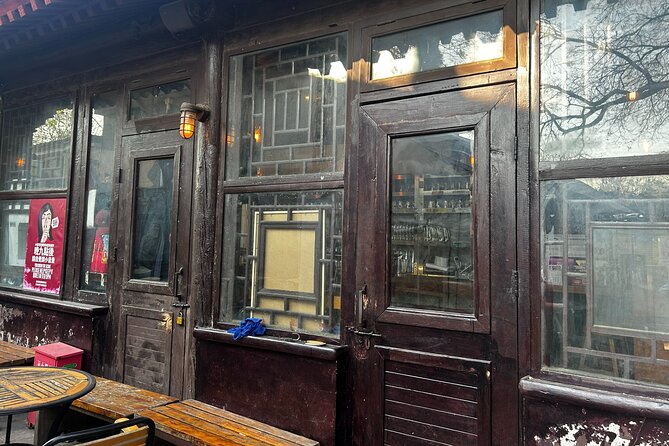
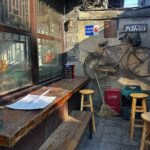
Your starting point is near Subway Line 8W9VV+CH4, Jiu Gu Lou Da Jie, Xicheng District, Beijing (100035). The tour ends back at the same meeting point.
The most important tip here: don’t rely on big signage. One review noted there isn’t always an obvious outside sign for where you go, so pay close attention to the exact address and instructions you receive. If you’re the kind of person who hates feeling lost, arrive a bit early and take a few minutes to confirm you’re standing in the right spot.
Also, you’ll have a mobile ticket, which is convenient in a city where you’ll likely be using the subway and walking a lot.
The walking route: Bell and Drum Towers, Yandai Xie Street, Yinding Bridge
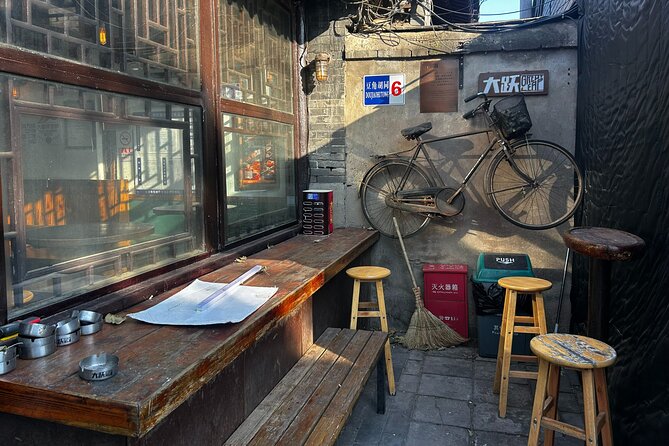
Before the market shopping, the itinerary builds in sightseeing along the way. You’ll pass by the Bell and Drum Towers, then Yandai Xie Street, then Yinding Bridge.
You shouldn’t expect a museum-style explanation at each point. This is more like a “get your bearings and see what’s around” route. It works because it places you in central Beijing while still keeping the day focused on food.
If you like photos, bring a fully charged phone. If you dislike crowds or long walks, wear shoes you trust. This isn’t a hop-on-hop-off day; it’s a walk-and-cook day.
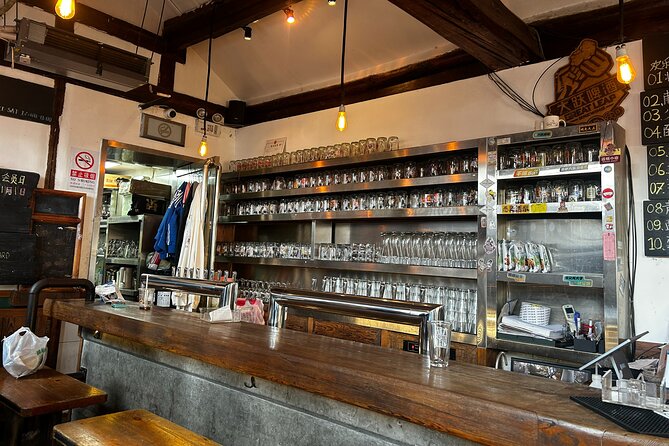
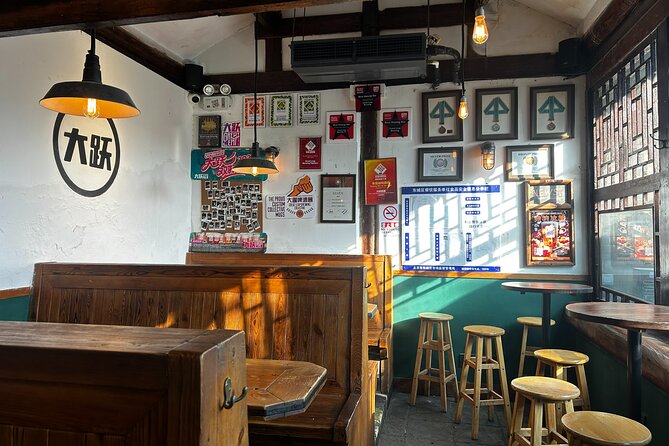
Great Leap Brewing Original #6 and temple stops (plus a small gotcha)
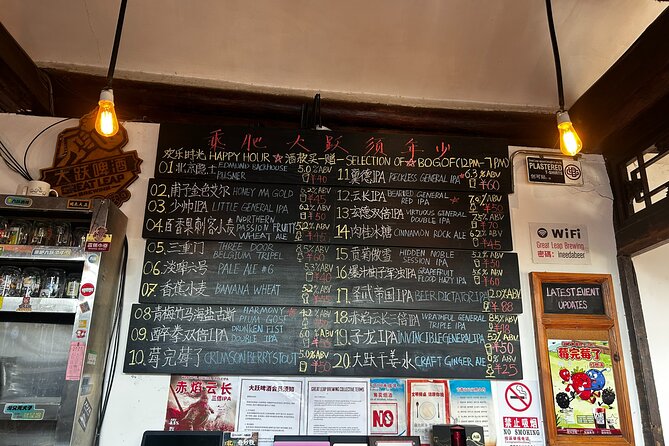
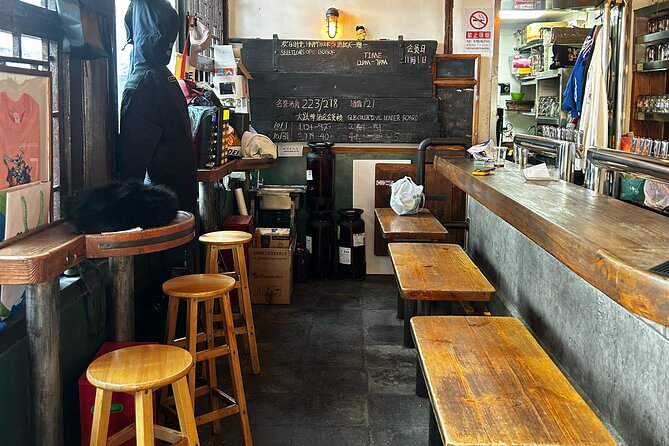
One of the listed stops is Great Leap Brewing Original #6. Another includes Songzhu Temple & Zhizhu Temple.
Two practical notes:
- Beer or drinks at the brewery are not included, so don’t plan your budget around a free pour.
- The temple stops are part of the walking route. Don’t expect a long, guided temple tour time slot—your main focus here is food.
Still, these stops add texture. They break up the pacing between landmarks and cooking, and they help you feel like you’re moving through real neighborhoods rather than bouncing between separate attractions.
Market tour: picking fresh ingredients the local way
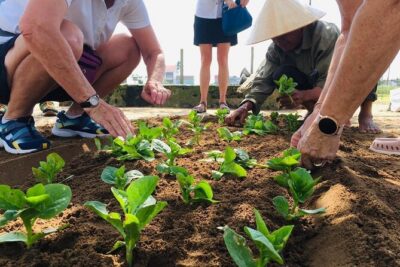
This is the heart of the whole experience. You’ll take a walking market tour and buy ingredients that are included. Your guide points out items, explains what they’re used for, and helps you make smart choices.
What stands out from the experience details is the emphasis on variety—both familiar foods and things that feel surprising if you’re used to Western supermarkets. People often mention how the selection can include produce you rarely see elsewhere, and how the smells and colors make the market feel like an education you can eat.
You’ll also get food-tasting along the way. That matters because it helps you connect ingredients to flavor before you even start cooking.
If you tend to get overwhelmed in markets, here’s a good mindset: treat the market like a grocery store with a teacher. Ask what something is, what it tastes like, and what it pairs with. Your guide is there for that.
The condiments class: where most flavor actually comes from
Once you’re done shopping, you head into a family-style kitchen and start learning how to build flavor.
A key part of the experience is a condiments class. Based on the teaching focus described, Chef Chao and the hosts emphasize seasonings—how they work, when to use them, and why certain combinations taste right together. Reviews also highlight explanations of spices, sauces, and marinades, with Chef Chao taking time to ensure people understand.
This is valuable because it turns the cooking class from a one-time recipe copy into something you can actually repeat at home. You’re not just learning what dish to make. You’re learning why the dish tastes the way it does.
Cooking with woks and cleavers in a hutong home
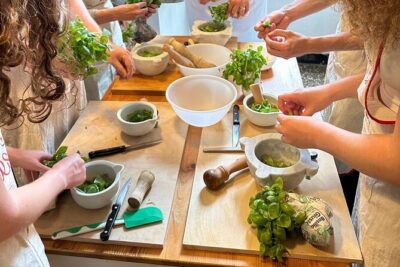
This class is hands-on and very “kitchen real.” You’ll learn how to use woks and cleavers, and you’ll prep and cook your dishes in the home environment.
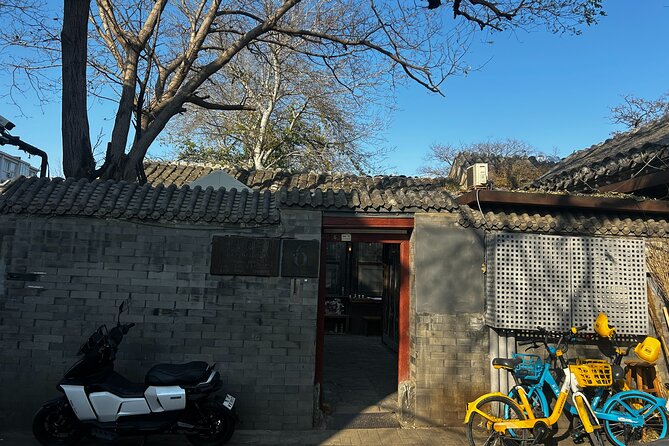
The hutong setting matters. It feels like you’re inside daily life—an alley-side home rather than a studio with slick surfaces. And since you’re cooking in a real domestic space, you get a better sense of how Chinese home cooking happens: practical tools, practical timing, and a focus on feeding people well.
What you’ll cook depends on the day
The menu changes daily. You might make dim sum (small steamed dumplings) or you might cook heartier main dishes inspired by different regions.
Examples of dishes included in the program details:
- For dim sum style days: barbecued pork buns, stir-fried noodles, and sesame rolls
- For main-dish style days: stewmer ginger fish, sweet and sour pork, and stir-fried chili beef
People also talk about making dumplings from scratch—wrappers, fillings, crimping technique, and cooking methods like steamed/boiled/fried depending on the menu that day. One of the funniest, most useful things you’ll learn is that dumpling shaping looks easy until you’re the one holding the dough and trying to seal it properly.
Vegetarian day (and vegetarian options every day)
Vegetarians have clear options here. The program states there is one vegetarian day each week, and on that day you can choose an entirely meat-free menu. It also notes that at least one vegetarian dish is prepared each day.
That’s a big deal. Many cooking classes in China say vegetarian is available, but it ends up being a token substitute. Here, the structure suggests you’ll get real vegetarian cooking, not just a side salad.
Your final meal: eat what you cooked, then chat
After you finish cooking, you sit down and eat the meal you made. You’re not sent off to find a restaurant afterward. You get to enjoy the food immediately with the group and your guide.
This is where the experience becomes more than cooking practice. You’ll be talking—asking questions, comparing what worked, and learning how the same ingredients can land differently depending on seasoning and technique.
And because you’re eating in a family setting, it feels less like a performance and more like a shared meal that happens to include teaching.
What to pack and what to expect in the kitchen
A few practical considerations help you enjoy this more.
- Wear comfortable clothes and shoes. You’re walking, standing, and cooking.
- Be ready for heat. One review called out that the kitchen can get hot in August. Even if you don’t go in peak summer, cooking at stove and wok level can feel intense.
- Bring water. Drinks aren’t listed as included, and beer is specifically not included at the brewery stop, so it’s smart to plan hydration.
- Expect a lot of food. Multiple reviews mention making a generous amount, sometimes even more than expected for the number of people in the class.
If you’re worried about knife skills: that’s part of the teaching. Reviews praise Chef Chao’s patience and instruction, including help with cleaver technique.
Price and value: is $99 worth it?
At $99 per person, this isn’t a casual add-on. But the value makes sense when you look at what’s included.
You get:
- A market tour where your ingredients are included
- A condiments and cooking class
- All ingredients and equipment for what you cook
- Food-tasting during the market portion
- A professional English-speaking guide
- A small group size (max 12), which usually means more hands-on help
What you’re paying for is not just recipes. You’re paying for access—access to a real hutong home kitchen, access to technique instruction with woks and cleavers, and access to the market knowledge that helps you buy and season correctly.
If your Beijing trip already includes big sights like the Forbidden City, this class adds a different kind of memory: the kind you can recreate later.
Who should book this (and who might not love it)
This works best if you want:
- A hands-on food experience, not just a tasting tour
- Real technique practice (wok skills, cleaver comfort, sauce building)
- A local-feeling day in a hutong home
- Vegetarian-friendly structure (at least one vegetarian dish daily, plus a dedicated meat-free day)
Consider skipping if:
- You hate walking and standing for part of the day.
- You dislike kitchens that can run warm during active cooking.
- You want a strictly sightseeing-focused itinerary with long stops at monuments. This day’s core is food first.
If you’re traveling solo, this also tends to work well because the group is small and the instruction can feel personal—one review mentioned a solo participant getting a very focused experience.
How to make the most of your time with Chef Chao
A few simple moves can turn a good class into a great one:
- Ask what the sauce is doing. Don’t just ask what to add; ask what flavor goal you’re aiming for.
- Taste as you go. If something feels off, tell the guide and adjust seasoning rather than waiting until the end.
- Take notes while you can. Reviews mention that you’re provided with recipes and techniques on paper to take home. Use that as your cheat sheet when you cook again.
- If you have dietary preferences, speak up early. Vegetarian options are built in, and some participants even reported vegan-friendly attention when they asked.
Should you book Flavors of Beijing: Eat Like A Real Chinese?
I’d book it if you want a Beijing food day with real learning behind it: market shopping, condiments/sauce education, and cooking in a hutong home with Chef Chao teaching the why behind the flavors.
I’d think twice if you’re extremely sensitive to kitchen heat or you’re hoping for a long, classic sightseeing tour with minimal food work. This is a cooking class with some landmark walking, not the other way around.
If you’re even slightly curious about Chinese technique—woks, cleavers, dumpling folds, and the role of seasonings—you’ll probably come away with skills you can use far beyond your last bite.
FAQ
How long is this cooking experience?
The cooking class experience runs for about 5 hours.
What’s included in the price?
You get a local food market tour with food tasting, plus a professional English-speaking guide. The program also includes all ingredients and equipment for cooking, along with the condiments class.
Do you offer vegetarian options?
Yes. There is one vegetarian day on the schedule with an entirely meat-free menu option, and at least one vegetarian dish is prepared each day.
What dishes will I cook?
The menu changes daily. Depending on the day, you may make dim sum like barbecued pork buns, stir-fried noodles, and sesame rolls, or main dishes like steamed ginger fish, sweet and sour pork, and stir-fried chili beef.
Where does the tour start and end?
You meet near Subway Line 8W9VV+CH4 on Jiu Gu Lou Da Jie in Xicheng District (100035) and the activity ends back at the same meeting point.
Is hotel pickup included?
No. Hotel pickup and drop-off are not included.
Is the group size small?
Yes. The maximum group size is 12 travelers.
Are drinks or beer included at Great Leap Brewing?
No. Beer or drinks at Great Leap Brewery are not included.