REVIEW · TUSCANY
Private Home-Made Pasta Cooking Class in Pisa.
Book on Viator →Operated by Pasta Spazzavento · Bookable on Viator
You can smell Italy before the first bite. This private cooking class near Pisa puts you in a traditional house on a farm and olive grove, with hands-on pasta making and a full local meal built around what you make. I especially like the personal, step-by-step guidance (you’re not left to guess) and the way the schedule blends work and eating without rushing. One thing to consider is that you’ll spend part of the 4 hours on a short drive from Pisa, since the class is about 15 minutes outside the city.
In This Review
- What Makes It Work So Well
- Key Things I’d Put on Your Radar
- Getting From Pisa to the Farm: Pickup and First Impressions
- Hands-On Pasta From Scratch: Dough, Kneading, and Shaping
- Why the Lesson Builds in Time to Rest (and Why You’ll Enjoy It)
- The Meal You Actually Want to Eat: Aperitivo, Main, Dessert
- The Private Format: What Intimacy Changes in a Cooking Class
- Price and Value: Is $150.34 Worth It?
- How the Timing Fits a Pisa Day (Without Feeling Like a Detour)
- Who This Pasta Class Is Best For
- Final Thoughts: Should You Book Pasta Spazzavento in Pisa?
- FAQ
- What is the duration of the pasta cooking class?
- Is this class private or shared with other groups?
- How far is the farm from Pisa city center?
- Do you get pickup and drop-off?
- What food is included during the class?
- Is wine included?
- Do you learn to make pasta from scratch?
- Is there a farm tour during the experience?
- Do you receive anything to take home?
- What is the cancellation policy?
What Makes It Work So Well
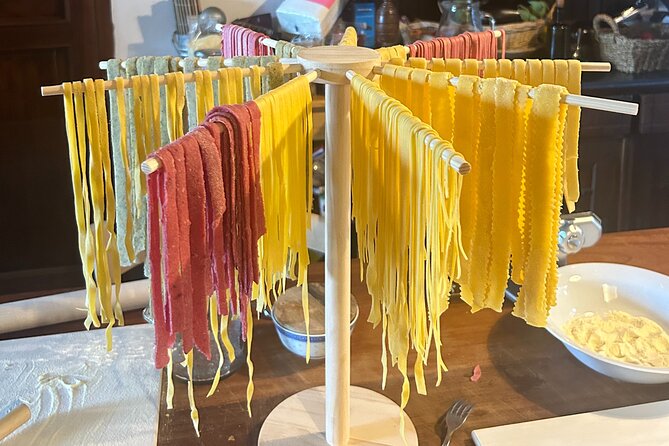
The experience is built around three simple ideas: learn the dough, enjoy the farm setting, then sit down to eat what you made. I love that the ingredients are sourced from the farm or locally, so the meal feels grounded in place rather than like a staged demo. The only drawback I’d flag is that it’s a minimum-traveler experience, so on rare occasions you may be offered a different date or a refund if the minimum isn’t met.
Key Things I’d Put on Your Radar
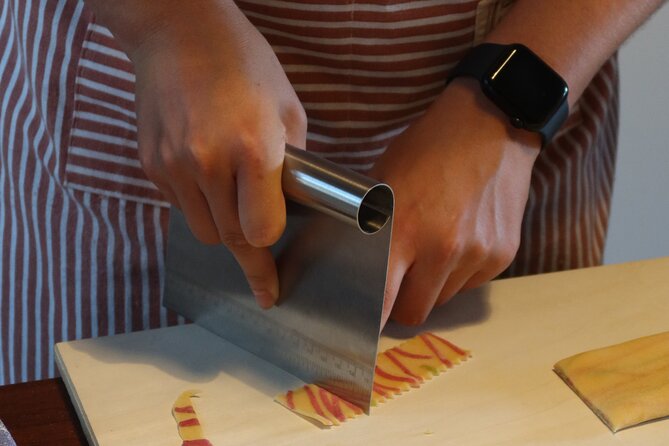
- Private class for just your group, with personalized help from the chef
- Farm-and-olive-grove setting about 15 minutes from Pisa city center
- Welcome wine and snacks before you start kneading
- Farm tour while dough rests, so the lesson has breathing room
- Three-course tasting tied to your work: aperitivo, main, and dessert
- Recipe cards to take home, so you can repeat the pasta at home
You can also read our reviews of more tours and experiences in Tuscany.
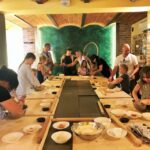
Getting From Pisa to the Farm: Pickup and First Impressions
You start with a pickup from a meeting point, then it’s a quick drive of about 15–20 minutes to the farm. It’s a good distance: close enough that Pisa stays within reach, but far enough that you trade city noise for trees, gardens, and a slower rhythm.
Once you arrive, you’re greeted with welcome drinks—local wine plus refreshments. This little start matters more than it sounds. After travel, people often arrive tired and hungry; here, you get settled fast and you’re warmed up before flour ever hits the table.
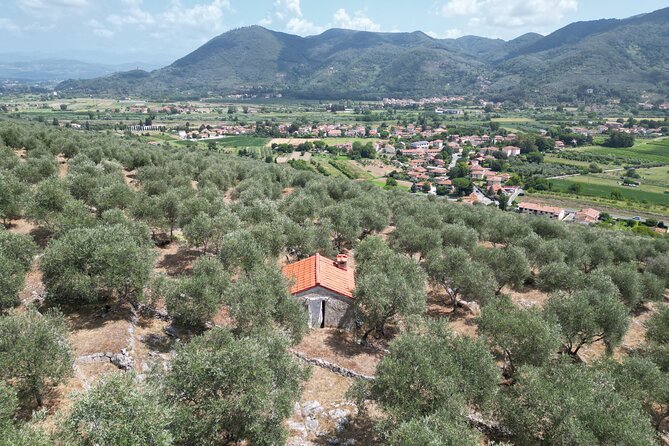
The setting is a traditional Italian house on a farm and olive grove, which changes the whole feel of the class. You’re not in a workshop room. You’re in a working place, and that makes the food lesson feel real and lived-in.
Hands-On Pasta From Scratch: Dough, Kneading, and Shaping
The heart of the day is the pasta lesson, and it follows the natural logic of making pasta well: dough first, technique second, and practice right away.
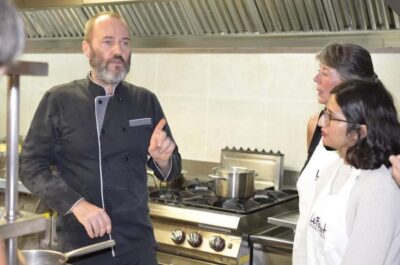
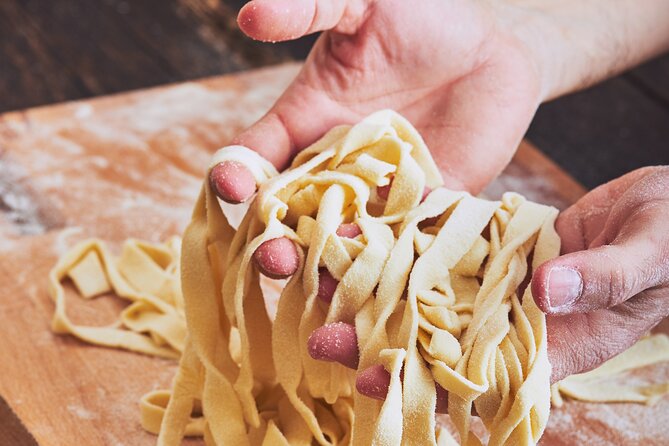
The chef demonstrates how to make the dough from scratch. Then you roll up your sleeves and get hands-on with kneading and shaping. This is where the class earns its reputation. You’re not just watching someone else work; you’re learning the motions that make pasta tender and workable.
I also like that the chef offers personalized guidance and assistance during the process. That’s important for first-timers. Pasta dough can be forgiving, but it also responds to small changes—how long you knead, how you shape, and how you handle the dough once it’s ready. Having someone watch and help you adjust makes the difference between a pasta disaster and a bowl you’ll feel proud to serve.
In the reviews, the name Dante shows up for the way the steps are explained. That’s exactly what you want: clear instructions, patient pacing, and answers to the questions that pop up while your hands are busy.
Practical tip: go in with the mindset that you’re learning technique, not speed. The best classes feel calm, and this one keeps you focused on getting it right.
Why the Lesson Builds in Time to Rest (and Why You’ll Enjoy It)
After you make the dough, there’s downtime while it rests. This isn’t filler. Resting time is part of how dough becomes easier to shape and more consistent once cooked.
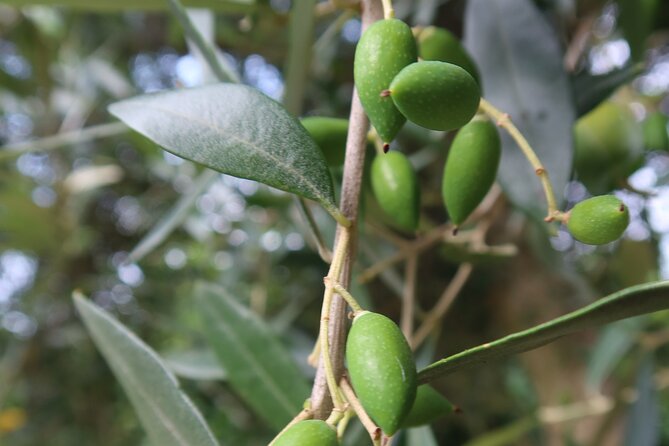
While that dough rests, you get a tour of the farm—olive trees, gardens, and the kind of quiet scenery you usually only see when you drive through the countryside. It’s not a long sightseeing march. It’s a short, grounded walk that lets you shift gears from kitchen work to Tuscan outdoors.
This timing is smart for your experience. You get a mental break after the concentrated part (kneading and shaping), and you come back to the table ready to cook and eat instead of feeling steamed or rushed.
If you’re the type who likes photos, this is also a good window. The olive grove setting gives you scenic variety that you won’t get in Pisa’s center streets.
The Meal You Actually Want to Eat: Aperitivo, Main, Dessert
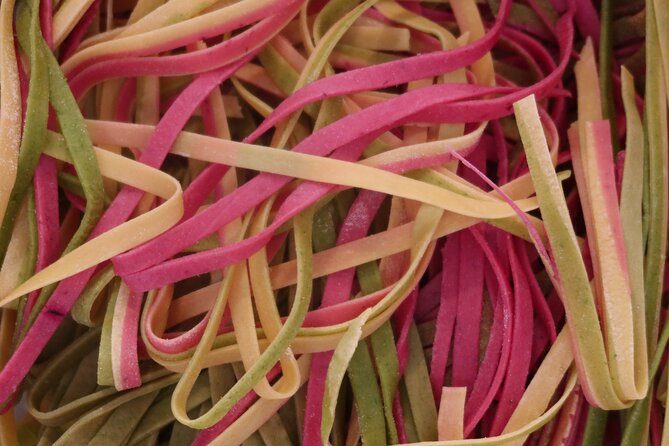
When it’s time to cook and taste, you gather around the table while the pasta cooks. The best part is that your tasting isn’t separate from your lesson. You’re eating the results of your work, plus the surrounding Tuscan flavors that make the meal feel complete.
You enjoy three dishes from the area:
- An aperitivo (welcome-style local tasting)
- A main course made with the pasta you helped make, served with the sauce of the day
- A sweet local dessert to finish
Wine is included during the meal, along with other Tuscan delicacies. This is a classic rhythm: savory first, then the main dish, then a sweet ending. And because the course order is tied to the pasta process, it feels cohesive rather than like a buffet added on.
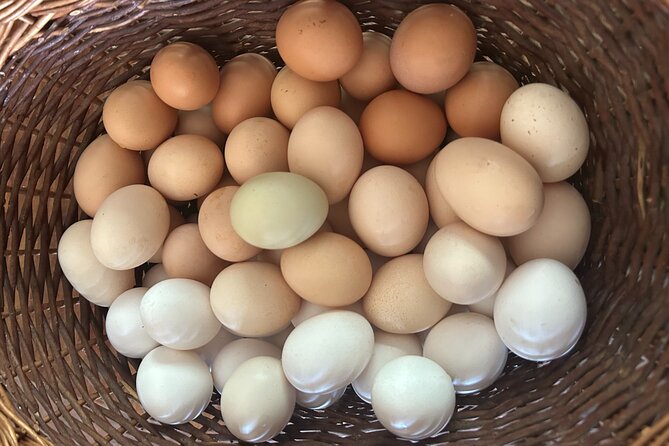
One more detail I appreciate: the ingredients are farm or locally sourced. When food comes from the place you’re visiting, you taste less “generic Italy” and more what that region actually does well.
The Private Format: What Intimacy Changes in a Cooking Class
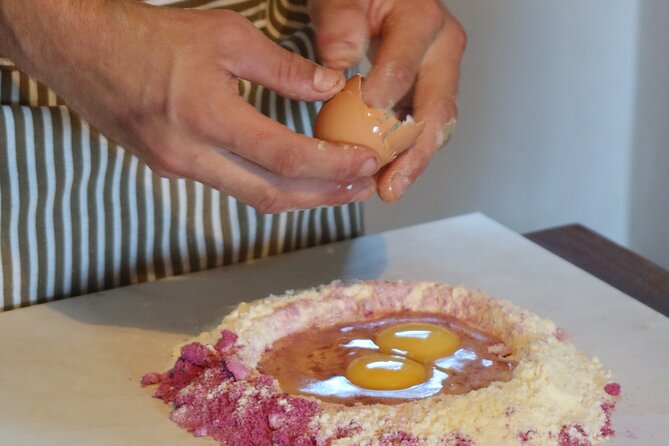
This is a private tour/activity, meaning only your group participates. That changes everything in a cooking class. You’re not sharing stations with strangers. You’re not competing for the chef’s attention. You get the chance to ask real questions while you’re making pasta, not after everyone else moves on.
That intimacy also makes the day feel more like a family meal than a performance. The reviews repeatedly point to a welcoming, relaxed atmosphere with the family hosting you. One review even highlights that after the pasta making, you eat lunch with the family, which tells you the intention: this isn’t just a class; it’s a shared table.
And since the group is small and personal, you’ll likely spend more time asking about what you’re doing—how the dough should feel, what changes to make, and how to reproduce it later.
Price and Value: Is $150.34 Worth It?
At $150.34 per person for about 4 hours, it isn’t the cheapest thing on the menu. But this class isn’t priced like a quick city workshop either. You’re paying for three high-value components that add up quickly:
- A private setting: just your group, with personalized attention
- Hands-on instruction: dough-making, kneading, shaping, and guidance
- A built-in meal with wine: aperitivo, main course with sauce, and dessert
When you compare it to the typical cost of a nice Tuscan dining experience plus a cooking workshop add-on, the value starts to make sense. You’re essentially getting the instruction and the meal in one package, and the “where” (farm and olive grove) gives the day extra emotional payoff.
Also, the class includes recipe cards and tips to recreate what you learn at home. That can extend the value. A great lesson isn’t just something you eat today; it’s a skill you can use later.
How the Timing Fits a Pisa Day (Without Feeling Like a Detour)
The whole experience runs about 4 hours. With pickup and a short ride in each direction, you’re not getting dragged into a full day excursion. This is a smart choice if you want something memorable without giving up your entire schedule in Pisa.
You’ll also be dropped back at your Hotel/Accommodation or at your pickup point in Pisa or Lucca. That flexibility helps you plan your day without extra hassle.
One practical consideration: you’ll be doing active work—kneading, shaping, and cooking around the table. Wear comfortable clothing you can get a little flour-dusty, and expect to enjoy the meal right after.
Who This Pasta Class Is Best For
This class fits best if you want a hands-on food experience instead of a museum-style lesson.
You’ll probably love it if:
- You’re a first-timer who wants guidance while learning dough and shaping
- You like farm-to-table connections and local sourcing
- You want a private, intimate setting rather than a group scramble
- You enjoy wine with meals and a structured course order (aperitivo, main, dessert)
You might not love it as much if:
- You prefer sightseeing-heavy days with lots of walking around town
- You hate the idea of spending time outside Pisa’s center (even though it’s only about 15 minutes away)
Final Thoughts: Should You Book Pasta Spazzavento in Pisa?
I’d book it if your goal is simple: learn pasta technique, then eat a real Tuscan meal in a farm setting. The private format and personalized guidance are the main reasons to choose this over a more generic cooking stop. Add in the farm tour during dough rest, the local wine, and the fact that you leave with recipe cards, and you get an experience that stays with you.
If you’re deciding between “just dinner” and “a skill plus dinner,” this leans strongly toward the second option. For around 4 hours, it’s a focused, authentic way to spend time near Pisa and still feel like you left the city.
FAQ
What is the duration of the pasta cooking class?
It lasts about 4 hours.
Is this class private or shared with other groups?
It’s private. Only your group participates.
How far is the farm from Pisa city center?
It’s about 15 minutes from Pisa city center.
Do you get pickup and drop-off?
Yes. Pickup is offered from the meeting point, and you’ll be dropped off back at your hotel/accommodation or pick-up point in Pisa or Lucca.
What food is included during the class?
You’ll enjoy three dishes from the area: an aperitivo, a main dish, and a local dessert.
Is wine included?
Yes. Wine is included with the aperitivo and meal.
Do you learn to make pasta from scratch?
Yes. The chef demonstrates how to make pasta dough from scratch, and you’ll knead and shape it hands-on.
Is there a farm tour during the experience?
Yes. While the dough rests, you can walk through the olive farm and gardens.
Do you receive anything to take home?
Yes. You’ll receive recipe cards and tips to recreate the pasta at home.
What is the cancellation policy?
You can cancel for a full refund up to 24 hours in advance of the experience’s start time. If you cancel less than 24 hours before, the amount paid is not refunded.