REVIEW · SHANGHAI
Private Wet Market Visit with Cooking Class in Shanghai
Book on Viator →Operated by China Vacation · Bookable on Viator
Wet markets turn lunch into a lesson. I like the private market shopping with an English-speaking guide and the hands-on 3-course cooking in a local home; one thing to consider is that, as with any time-sensitive tour, you’ll want a reliable way to reach the operator right before the 9:00 am start.
You’ll be picked up from your hotel, walk through a Shanghai wet market to choose ingredients, then head to the chef’s home for a class and lunch that ends back where you started. It’s a great fit if you want the city through food, not just photos.
In This Review
- Key points before you go
- Wet Market Shopping With a Private Guide in Shanghai
- What You’ll See and Try at the Shanghai Wet Market
- From Ingredient Shopping to Cooking at the Chef’s Home
- The Half-Day Timing That Keeps You From Feeling Rushed
- Price and Value: Is $238 Per Person Worth It?
- Dietary Needs, Allergies, and Vegetarian Options
- The Guide Factor: Why Private Instruction Matters
- A Quick Reality Check: Communication at the Start Time
- Should You Book This Private Wet Market and Cooking Class in Shanghai?
- FAQ
- How long is the cooking class and wet market visit?
- What time does the tour start?
- Is this tour private?
- What is included in the price?
- Does the tour accommodate allergies or special dietary needs?
- Are vegetarian options available?
- What might I try at the wet market if I’m not familiar with certain foods?
- How far in advance should I book?
- Can I cancel for free?
Key points before you go
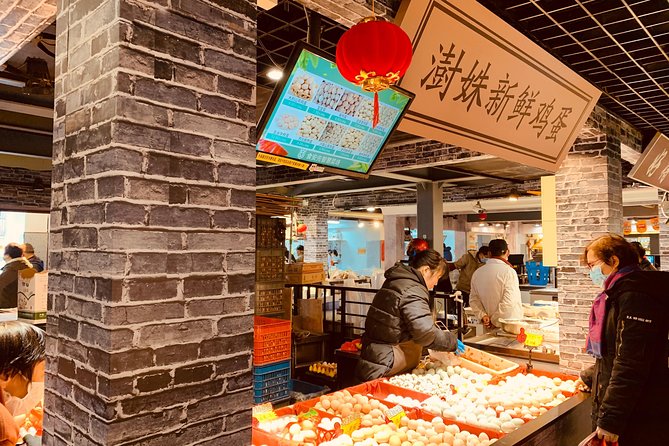
- Private English-speaking guide who helps with what to buy and what to taste
- Wet market shopping for fresh produce, seafood, and everyday ingredients
- Try-the-unfamiliar approach, including options like hundred-year egg and stinky tofu (when offered)
- Cook a 3-course meal: one main, one seasonal vegetable, and dim sum
- Hotel pickup and drop-off, plus lunch, cooking materials, and bottled water
Wet Market Shopping With a Private Guide in Shanghai
This is one of those Shanghai experiences where the food lesson starts before the cooking. The day runs about four hours, starting at 9:00 am, with hotel pickup and drop-off. That matters because wet markets can be confusing if you’re on your own. You’re not just looking—you’re learning what to choose and how locals think about quality.
I also like that the tour is private, meaning your group isn’t waiting while someone else decides what to buy. With a private format, the guide can focus on your questions, your pace, and even your comfort level with unusual ingredients. If you’ve ever worried you’d stand at a stall, smile politely, and buy nothing because you didn’t know what to do—this takes that stress off.
The structure is simple: you visit the wet market, then you go to a local chef’s home for the class and meal. That flow keeps your hands busy and your brain engaged. You learn the ingredients first, then you cook with context.
You can also read our reviews of more tours and experiences in Shanghai.
What You’ll See and Try at the Shanghai Wet Market
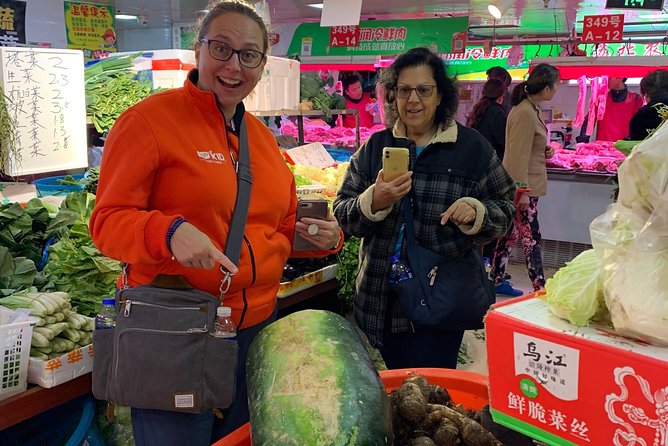
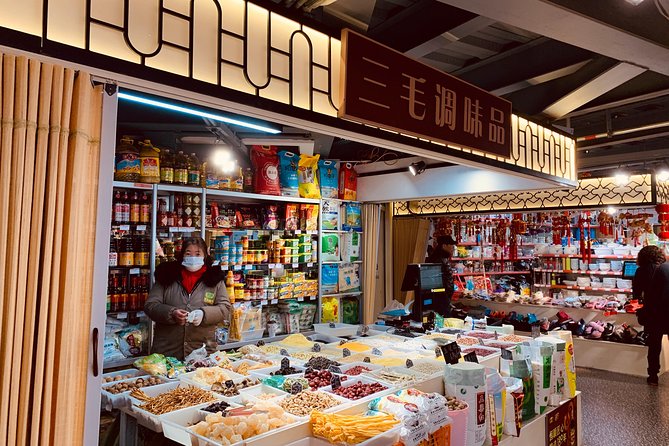
A Shanghai wet market is exactly what it sounds like: daily, practical, ingredient-first shopping. You’ll see fresh produce and seafood sold alongside other cooking ingredients you might not recognize. The key benefit is that your guide doesn’t treat the market like a museum. They help you interpret it like a regular shopper.
Here’s the really useful part: if there’s something you don’t know, you can get help choosing, plus you may be offered a small sampler to try. The tour specifically mentions potential items such as hundred-year egg, stinky tofu, and unfamiliar fruit. Even if you end up declining a taste, the guide’s explanations can still help you understand what you’re looking at.
Practical tip: go in with a mindset of small steps. You don’t have to commit to every flavor. Ask what something is used for and how it’s typically eaten. That way, the market becomes a practical vocabulary lesson, not a pressure-cooker.
Also, remember that wet markets can be sensory: strong smells, quick vendor interactions, and lots of movement. Comfortable shoes help more than anything. And if you have allergies or dietary limits, this is where your prep matters—because the market part is your first real contact with real ingredients.
From Ingredient Shopping to Cooking at the Chef’s Home
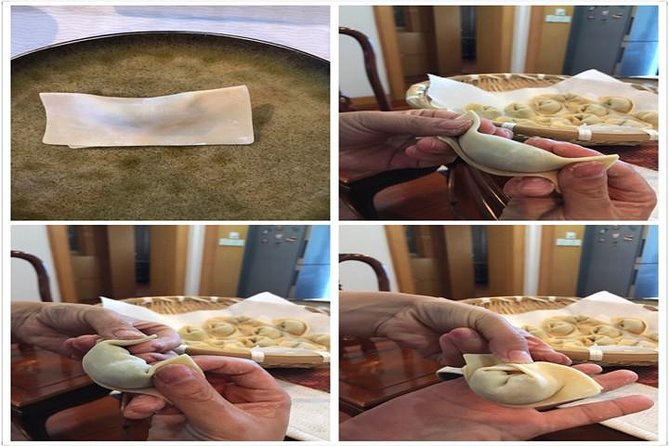
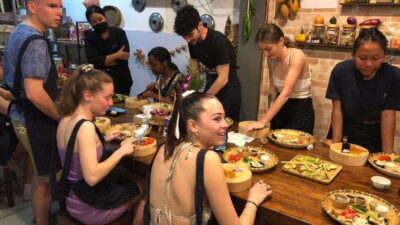
After the market, you head to the chef’s home. This shift—from public stalls to a home kitchen—is where the tour starts to feel personal. Instead of a restaurant demonstration, you’re working in a real household setting with a class built around what you bought and what’s chosen for the day.
You’ll learn to cook a traditional 3-course meal, made up of:
- 1 main course
- 1 seasonal vegetable
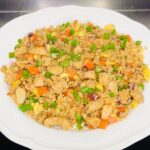
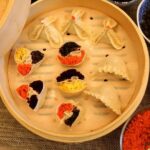
- dim sum
The guide handles the selection, and the wording suggests the menu is chosen as part of the class rather than being a fixed “always the same” recipe set. That’s a plus if you’re visiting for only a short time and want something that feels tied to what’s available.
What I like about this structure is the balance. The main course gives you the core cooking skills and flavor building. The seasonal vegetable is your palate reset and teaches you how ingredients shift with the time of year. Dim sum finishes the meal in a way that’s unmistakably Shanghai-style food culture.
Drawback to consider: because the dishes are chosen for the class, you might not get your dream menu exactly as you pictured it before you arrived. If you have very specific dish requests, you’ll want to clarify what you like during booking so the guide can steer the plan as much as possible.
The Half-Day Timing That Keeps You From Feeling Rushed
This tour is designed to fit into a standard day without dragging on. It’s a half-day experience of about 4 hours, running from 9:00 am until you’re back at the meeting point.
That timing is helpful for two reasons:
- You get the market learning early, before the day becomes chaotic.
- You end with lunch, so you’re not hunting for food afterward.
The day is also paced by built-in transitions. You shop, you travel to the chef’s home, you cook, then you eat. Those steps prevent the common cooking-tour problem where you’re stuck watching too long and then rushed through the meal at the end.
One logistics note: the tour ends back at the meeting point, and the tour includes hotel pickup and drop-off. If you’re staying in central areas, this usually makes the whole experience feel easier to manage than self-guided market hopping.
Price and Value: Is $238 Per Person Worth It?
At $238.00 per person, this isn’t a budget activity. It’s priced like a premium, private food experience. The value comes from what you get bundled together:
- Private English-speaking guide
- Hotel pickup and drop-off
- Cooking materials
- Lunch
- Bottled water
- A private wet market shopping visit that turns into a cooking class
If you compare this to a standard group cooking class, the difference is attention. A private class means you can ask questions while you’re doing the work, not just at the start and end. It also usually means your guide can adjust what you buy and what you taste based on your comfort and preferences.
Where it can feel less worth it: if you mainly want to eat and would be fine with a general cooking demo, you may not use the private advantages enough. This tour makes the most sense when you care about learning the ingredient side of Shanghai cooking culture—how locals shop, why certain foods are chosen, and how a meal comes together.
For couples or small groups, the math can feel better because you’re spreading a private-day cost across more people (but the tour pricing still starts per person). For solo travelers, it’s the cost of having your own guide and kitchen time.
Dietary Needs, Allergies, and Vegetarian Options
This is an important section because food experiences work best when your comfort and safety are built in.
The tour information says to inform the provider at booking if you have:
- special dietary requirements
- allergic concerns
It also specifically notes that if you are vegetarian, you should notify at the time of booking.
What that means in practice is that you should communicate early and clearly. If your allergy is severe, don’t just say a general “food allergy.” Tell the operator what you can’t have so the guide can manage both the market phase and the kitchen phase.
One more practical point: because wet markets include strong-smelling and mixed-ingredient stalls, your biggest risk is not the cooking class ingredients alone—it’s any accidental exposure from shared utensils or ingredients at the market. You can’t guarantee how everything is handled, so your best move is to flag allergies and restrictions well ahead of time.
The Guide Factor: Why Private Instruction Matters
Even when a cooking class is well organized, the guide is the difference between learning and just participating. One of the positive write-ups mentions a guide named Kenny and credits the instruction and experience quality. That kind of feedback usually points to clear teaching—someone who can explain what you’re doing and why you’re doing it.
In a wet market, a good guide can also prevent common mistakes:
- buying ingredients you don’t actually need
- missing the explanation that makes the ingredient make sense
- feeling awkward about trying new items
Since the tour includes support when you’re unfamiliar with certain foods, the guide’s role is also about confidence. You’ll still make choices, but you won’t be left guessing.
A Quick Reality Check: Communication at the Start Time
One negative experience included a situation where the operator couldn’t be reached by phone/email/WhatsApp shortly before the 9:00 am start, and the tour couldn’t proceed. It also mentioned that a promised refund had not yet arrived.
I can’t predict whether that will happen to you. But I can tell you what I do to reduce risk for any time-sensitive tour: save the operator contact details from your confirmation, confirm the day before, and plan your schedule so you’re not relying on this one activity for a tight, unchangeable itinerary.
If you’re on a once-in-a-lifetime trip, keep a small buffer in your morning plan. Even an extra hour of flexibility can save the day if something goes wrong at the start.
Should You Book This Private Wet Market and Cooking Class in Shanghai?
Book it if you want Shanghai through food culture and you care about learning, not just eating. The wet market shopping with private guidance, plus the 3-course cooking class in a home setting, is the right mix of authentic input and hands-on skills. If you enjoy new flavors, the sampler approach (possibly including items like hundred-year egg and stinky tofu) can turn your meal into a memorable story.
Skip it—or think twice—if you have complex dietary restrictions you haven’t already communicated, or if your schedule is so tight that losing the tour would ruin your day. At $238 per person, you’re paying for private instruction and the full food arc from market to table. Make sure that’s the kind of experience you’ll truly use.
FAQ
How long is the cooking class and wet market visit?
The experience runs for about 4 hours.
What time does the tour start?
The start time is 9:00 am.
Is this tour private?
Yes. It’s a private tour/activity, so only your group participates.
What is included in the price?
Hotel pickup and drop-off, a private English-speaking guide, cooking material, lunch, and bottled water.
Does the tour accommodate allergies or special dietary needs?
Yes. If you have allergies or special dietary requirements, you should inform the provider at booking.
Are vegetarian options available?
Vegetarian guests should notify the provider at the time of booking.
What might I try at the wet market if I’m not familiar with certain foods?
The guide may help you buy sampler items to try things you might not know, such as hundred-year egg, stinky tofu, or unfamiliar fruit.
How far in advance should I book?
You should book at least 3 days in advance. Bookings within 3 days are subject to availability.
Can I cancel for free?
You can cancel for a full refund up to 24 hours in advance of the experience’s start time.