REVIEW · ROME
Rome: Pizza Making Cooking Class with Prosecco & Lunch
Book on GetYourGuide →Operated by Travel in Rome · Bookable on GetYourGuide
Wood-fired pizza lessons beat takeout, and you leave with real lunch. I love that this Rome class is hands-on, from dough to the final bake in a traditional wood-fired oven.
Two things I especially like: the personal attention and the way the instructor keeps instructions clear and easy to follow. One review even called out chef Hassan for making the whole experience feel comfortable and straightforward.
One thing to think about before you book: it isn’t set up for everyone, since it isn’t suitable for people with food allergies and kids under 8.
In This Review
- Key highlights worth your time
- Rome Pizza-Making Near the Spanish Steps: More Than a Tourist Meal
- Where You Start: The Pizzeria Vibe Right Off the Walk
- Meet the Instructor: A Master Pizzaiolo, Real Pizza Skills
- Dough 101: Water, Flour, Yeast, and the Feel of It
- Toppings and Timing: Building the Pizza Like a Roman Pizzeria
- The Wood-Fired Oven Moment: Where Pizza Changes Fast
- The Meal: Prosecco, Non-Alcoholic Drinks, Coffee, and the Lunch You Earn
- Skip the Guesswork: What the 2.5 Hours Feels Like
- Price and Value: Is $54.89 Worth It?
- Who Should Book This (and Who Might Want to Skip)
- Practical Tips Before You Go
- Should You Book This Rome Pizza-Making Class?
- FAQ
- How long is the Rome pizza-making class?
- Where does the class take place?
- What’s included in the price?
- Is there an option for people who don’t drink alcohol?
- Will I bake the pizza myself?
- What language is instruction offered in?
- Is it suitable for kids or people with allergies?
Key highlights worth your time
- Learn the dough method using fresh basics: water, flour, and yeast
- Wood-fired oven focus so your pizza feels truly Roman
- Prosecco + non-alcoholic drinks paired with the meal you make
- Instructor-led, English/Italian support so you won’t feel lost
- Finish strong with coffee, after you eat your own pizza
- Central location near the Spanish Steps for an easy add-on to sightseeing
Rome Pizza-Making Near the Spanish Steps: More Than a Tourist Meal
If you’ve been eating pizza in Rome already, this class gives you the why behind the taste. You’re not just watching someone else work. You’re learning how the dough is built, how toppings get handled, and how the whole thing changes once the oven takes over.
The setting helps too. The class happens in a charming pizzeria near the Spanish Steps, so it feels like you’re stepping into the Rome pizza world—not a studio far from real life. The goal stays simple: make authentic homemade pizza with guidance you can actually use later.
I also like that you’re not left with a plate that feels like a prop. You make your pizza, then you eat it as a proper meal at the table. That’s a big deal because pizza-making is timing, texture, and touch. When you taste right after, it locks in what worked.
You can also read our reviews of more tours and experiences in Rome.

Where You Start: The Pizzeria Vibe Right Off the Walk
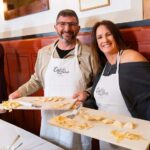
You’ll meet at an Italian pizzeria near the Spanish Steps. The atmosphere is warm and inviting, the kind of place where you can imagine locals popping in for a slice or a quick meal.
There’s another practical plus: skip-the-line access. You use a separate entrance, which matters in central Rome where lines can eat up the morning or afternoon. This is especially helpful if you’re trying to stack this class with other sightseeing.
Plan on comfortable shoes. The course is short—about 2.5 hours—so you’ll likely move around the space, stand while mixing and shaping, and get positioned for baking.
Meet the Instructor: A Master Pizzaiolo, Real Pizza Skills
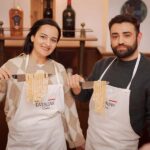
This isn’t a generic cooking demo. The instruction is led by an experienced Master Pizzaiolo, meaning you’re getting taught the pizza-making logic that keeps coming up in Italian pizzerias: dough handling, fermentation basics, and how heat changes dough.
You’ll get support in English and Italian. That matters more than people think. Pizza terms can sound confusing if you’re translating in your head. Having the instructor work across languages keeps you on track—especially when the class is hands-on and you can’t pause to Google.
Also, it shows in the feedback you’re likely to notice after your meal. One review specifically praised chef Hassan for clear instructions and personal attention. Even if the instructor isn’t the same person you’re reading about, the point holds: this class leans on friendly teaching, not rigid rules.
Dough 101: Water, Flour, Yeast, and the Feel of It
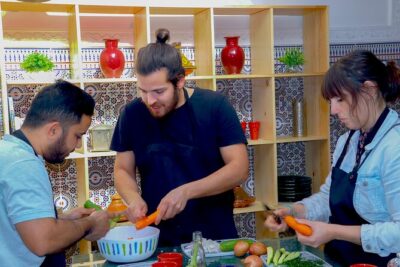
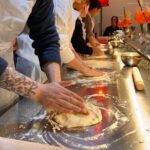
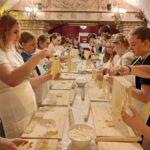
The heart of the class is the dough. You learn to work with fresh, genuine ingredients—water, flour, and yeast—and you’ll go through the process of making the dough yourself.
Here’s what you should pay attention to as you work:
- How the dough looks as it comes together
- How it feels as it gets shaped and handled
- Why the dough matters before you ever add toppings
Pizza dough is the difference between good pizza and great pizza. The toppings are important, but they sit on top of something. Learn the basics and you can recreate the taste later, even if you’re making pizza at home with a standard oven.
The class keeps you moving. You aren’t stuck waiting for someone else to finish. You work through the steps, and the instruction stays focused on what to do next—so you’re not left guessing.
Toppings and Timing: Building the Pizza Like a Roman Pizzeria
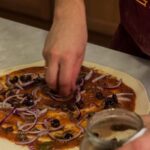
Once your dough is made, you top the pizza. This is the part that helps a lot if you’ve never made pizza at home. In a real kitchen, you can’t overthink it. You learn what “enough” looks like—how to place toppings without weighing down the dough.
You’ll also get a sense of balance. Too much topping can ruin texture because it adds moisture and delays cooking. Too little can feel bland. This class doesn’t promise a magic ratio, but it does teach you to build a pizza that bakes evenly and tastes right.
And because the course is designed around using the wood-fired oven, your toppings and dough decisions aren’t random. They’re connected to how heat behaves when the pizza goes in.



The Wood-Fired Oven Moment: Where Pizza Changes Fast
The class uses a traditional wood-fired oven, and this is where your hard work gets real. In a wood-fired oven, the heat is intense and uneven in a way that’s hard to recreate at home. That’s also why restaurant-style pizza tastes the way it does.
One important detail: the pizzaiolo will bake the pizza you prepared. That means you get the authenticity of wood-fired baking without needing to master oven physics on your first try.
What you should expect during this part:
- You’ll see the pizza positioned and baked using the oven method
- You’ll get a sense of speed—pizza cooks faster than many people expect
- You’ll learn, by watching and tasting, what a properly baked crust feels like
This “you make it, they bake it” format is a smart compromise. You do the core learning (dough and topping). The instructor handles the oven timing so you still get a good result—while you absorb what to look for.
The Meal: Prosecco, Non-Alcoholic Drinks, Coffee, and the Lunch You Earn
After you create your pizza, you sit down for a meal. This is where the class becomes satisfying, not just educational.
Included with your experience:
- A welcome prosecco
- Soft drinks (plus non-alcoholic beverages)
- Coffee after the meal
- The pizza you made
If you want wine or beer, that’s available for an additional charge. The takeaway here is that the basic package already covers a celebratory drink (prosecco) and plenty of non-alcoholic options. You’re not stuck committing to alcohol just because pizza day is fun.
Also, coffee at the end is a very Rome-friendly touch. It turns the experience into a complete meal break rather than ending abruptly right after baking.
Skip the Guesswork: What the 2.5 Hours Feels Like
The class lasts about 2.5 hours. That’s long enough to do actual pizza work—mix, shape, top, bake—without turning your day into a half-day ordeal.
It’s a good length for travelers who want something hands-on but still need energy for the rest of Rome. You’re not signing up for a full culinary marathon.
Because you’re near the Spanish Steps, you can also treat it like a scheduled pause in sightseeing. If you’re doing morning museums or an afternoon walk, a class like this gives you a built-in reason to sit, eat, and reset.
Price and Value: Is $54.89 Worth It?
At $54.89 per person, this isn’t a budget activity. But it’s not overpriced in a way that feels like you’re paying for a souvenir. You’re paying for instruction, ingredients, and the wood-fired bake experience—plus the meal with prosecco and coffee.
Here’s why the value works:
- You get an instructor-led process, not a vague cooking demo
- You use ingredients you can actually understand (water, flour, yeast)
- You bake in a traditional wood-fired oven, even though the pizzaiolo handles the final bake
- You eat what you made as a full meal, not just a snack
If you’re the type who hates “paid fun” that ends in a paper plate and a quick photo, you’ll likely enjoy this more. The learning sticks because you directly connect steps to flavor and texture.
Who Should Book This (and Who Might Want to Skip)
This class is a good fit if you:
- Want to learn pizza basics you can repeat later
- Like interactive lessons more than passive tours
- Are staying in central Rome and want a convenient, nearby activity
- Enjoy food experiences with a sit-down meal
It’s not suitable for:
- Children under 8
- People with food allergies
- Anyone bringing pets (assistance dogs are allowed)
If you have allergy needs, the smartest move is to ask in advance what’s possible. The provided info only says it isn’t suitable for food allergies, so you shouldn’t expect custom substitutions.
Practical Tips Before You Go
A few small things can make this smoother:
- Wear comfortable shoes since you’ll be standing and moving
- Bring a basic appetite. You’ll eat the pizza you make
- If you don’t drink alcohol, you’re covered with non-alcoholic beverages
- Expect instruction in English and Italian, so you’ll have support even if your Italian is beginner-level
Also, check your start time when you book. The duration is fixed, but the session times can vary.
Should You Book This Rome Pizza-Making Class?
I think you should book it if you want a real skill, not just a fun meal. The combination of dough-making, wood-fired baking, and eating what you made is the kind of experience that makes Rome feel personal.
Skip it if you’re dealing with food allergies or you’re traveling with kids under 8. And if you’re only looking for the cheapest way to eat pizza, you’ll get more value from simply finding a good local pizzeria.
For everyone else—food lovers, couple travelers, and anyone who enjoys learning by doing—this is a strong choice near the Spanish Steps. You’ll walk away with pizza knowledge you can use, plus lunch that tastes like you earned it.
FAQ
How long is the Rome pizza-making class?
The class lasts 2.5 hours.
Where does the class take place?
It’s held at a charming Italian pizzeria near the Spanish Steps.
What’s included in the price?
The experience includes ingredients, prosecco, soft drinks, coffee, and an instructor.
Is there an option for people who don’t drink alcohol?
Yes. You’ll have non-alcoholic beverages along with the welcome prosecco.
Will I bake the pizza myself?
You’ll prepare the pizza (dough and toppings). The pizzaiolo will bake the pizza you made in the traditional wood-fired oven.
What language is instruction offered in?
The instructor teaches in English and Italian.
Is it suitable for kids or people with allergies?
It’s not suitable for children under 8, and it’s not suitable for people with food allergies.