REVIEW · KOLKATA
Traditional Bengali Cooking Class in Kolkata in a Local Home
Book on Viator →Operated by Traveling Spoon · Bookable on Viator
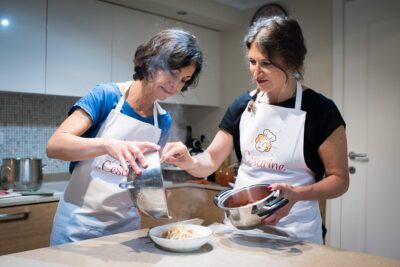
A home-cooked lesson beats a demo. In Kolkata, you’ll join Debjani in her apartment kitchen for a private Bengali cooking class that turns ingredients and family recipes into your lunch. I love the way this feels personal from the first hello, and how the focus stays on real Bengali dishes you can actually recreate later.
Two things I especially like: you cook (not just watch), and the meal is shared straight from the table. One thing to consider: you’ll handle your own way to the meeting point area since hotel pickup and drop-off aren’t included.
In This Review
- Quick hits
- Why a Kolkata home kitchen beats a cooking studio
- Meet Debjani: professional hospitality and a warm welcome
- South City Mall meet-up to Debjani’s apartment kitchen
- The cooking class: masoor dal, begun bhaja, and mustard-steamed fish or prawns
- Expect a guided, hands-on flow
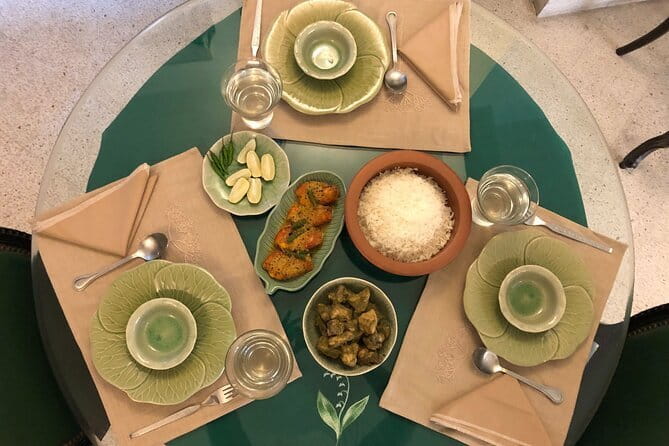
- What you’ll eat: the meal you make with Debjani’s family
- Why the recipes feel Bengali, not generic
- Vegetarian and lactose-free options that still make sense
- Price and timing: is $80 good value for what you get?
- Who should book this cooking class in Kolkata
- Should you book Debjani’s Bengali cooking class?
- FAQ
- How long is the Bengali cooking class?
- Is this a private class?
- What dishes will I cook?
- Is there a vegetarian or lactose-free option?
- What does the price include?
- Do they offer hotel pickup and drop-off?
- Where do we meet?
- When will I get confirmation?
- Is there free cancellation?
Quick hits
- Private class in a local home with host Debjani and her assistant
- Hands-on Bengali cooking for dishes like masoor dal and begun bhaja
- Old-meets-modern kitchen setting in Debjani’s cozy apartment
- Meal you help make shared with Debjani and her family when they’re home
- Dietary options including vegetarian and lactose-free
Why a Kolkata home kitchen beats a cooking studio
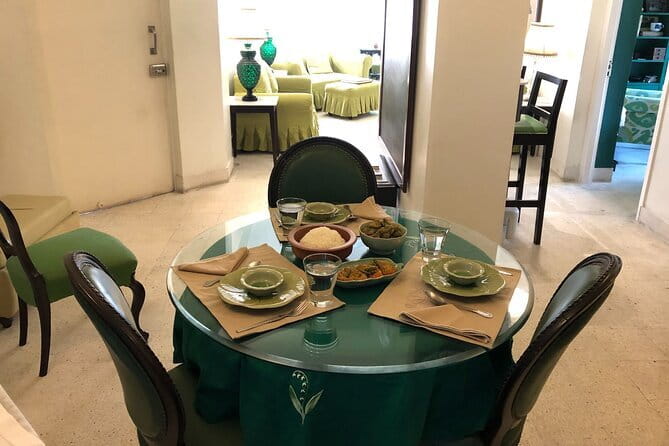
This kind of class works because you’re not performing for a crowd. You’re inside a real apartment kitchen, with a host who clearly takes pride in what Bengali food represents. That atmosphere matters, because it changes how you learn: you pay attention to smells, textures, and small choices you’d miss in a classroom setup.
You’ll start with Bengali staples and simple-building flavors, then work your way toward dishes that feel special without being fussy. The goal isn’t cooking in a test kitchen; it’s making food the way you’d make it for people you care about.
One practical bonus: the time is short. It’s about 3 hours total, with around 1.5 hours actually spent cooking, so you won’t lose an entire afternoon babysitting a burner.
You can also read our reviews of more tours and experiences in Kolkata.
Meet Debjani: professional hospitality and a warm welcome
Debjani isn’t a casual hobby cook. She’s spent over 30 years in hospitality, including major groups like Taj and Oberoi. That background shows in the pacing and comfort level—there’s structure, but the vibe stays relaxed.
In particular, I like the way the experience is set up so you’re not thrown in cold. Based on what guests have shared, Debjani and her assistant do key prep first, so you’re able to focus on the hands-on steps once you’re in the kitchen. That translates into fewer delays and less stress when you’re learning a new cuisine.
You should expect Debjani to talk about Bengali cuisine and culture as you cook. It’s not a lecture. It’s the kind of context you can use while you’re making the dish—like why certain spices go in at a specific point or what mustard sauce is aiming to deliver.
South City Mall meet-up to Debjani’s apartment kitchen

The experience starts at South City Mall (South City Complex), Jadavpur on Prince Anwar Shah Road. You’ll also end back at the same meeting point, which makes it easier to plan the rest of your day.
Because hotel pickup and drop-off aren’t included, you’ll want to be comfortable getting yourself to South City Mall. The good news is that the tour is described as near public transportation, so getting there doesn’t have to feel like a mission.
Once you link up with your host, you’ll head to Debjani’s home kitchen, which is described as cozy and artistic, with an interesting mix of old world and modern touches. That setting helps you feel like you’re stepping into daily life rather than visiting a stage set.
The cooking class: masoor dal, begun bhaja, and mustard-steamed fish or prawns
This is the heart of the experience, and it’s designed to teach more than one dish. You’ll cook a small set of Bengali classics that build on each other, so the techniques start making sense fast.
You’ll help make:
- Masoor dal (lentils)
- Begun bhaja (eggplant fritters)
- Shorshe bhapa chingri or maach (steamed prawns or fish in mustard sauce)
Each one teaches a different skill. Masoor dal teaches you how to balance thickness and spice without overcomplicating things. Begun bhaja is where you learn timing and texture—eggplant can go from tender to soggy if you lose track, so it’s a great dish for learning attention to heat and process.
The mustard-steamed fish or prawns is the dish that tends to feel most distinctive. Mustard sauce in Bengali cooking is about aroma and bite, not just heat. You’ll likely see how mustard is treated differently than a generic spicy sauce, and you’ll understand why it pairs naturally with steam rather than frying.
Expect a guided, hands-on flow
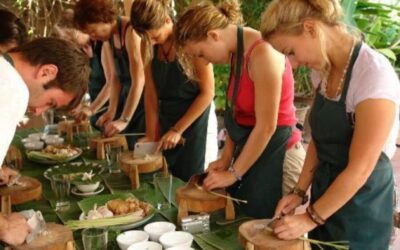
The class is described as private and personalized. That’s important: in a private setting, your host can correct your technique on the spot and adapt if you’re struggling with a step.
Also, because Debjani and her assistant do prep before you start, your time focuses on learning. You’re not just standing around, and you’re not spending most of your time slicing or cleaning. You get to cook.
What you’ll eat: the meal you make with Debjani’s family

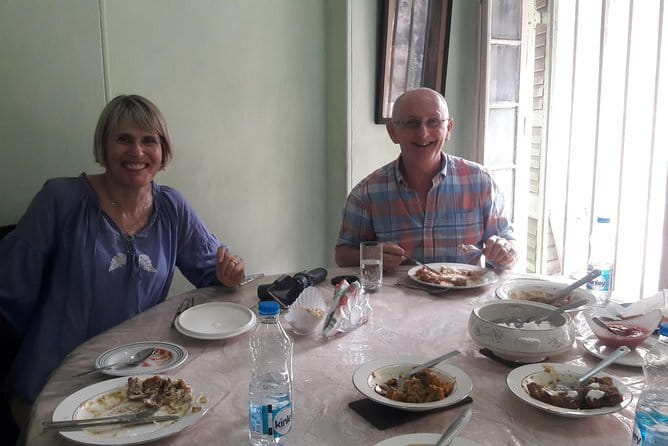
After the cooking portion, you’ll share the meal you prepared with Debjani and her family when they are home. Even if the family isn’t fully present, you still get that key feeling: your work turns into actual lunch, not a plated souvenir.
What you should look forward to is a table built from your own effort. Masoor dal is comfort food—warm, filling, and forgiving if your seasoning isn’t exact. Begun bhaja adds crunch and depth from eggplant. The mustard-steamed fish or prawns brings that signature Bengali tang and perfume that makes the meal feel complete.
This matters for value. A lot of tours say you’ll eat, but they often hand you a finished dish with only a taste. Here, you build the meal. You’ll leave knowing what you did right—and what you’d tweak next time.
You can also ask Debjani questions while you eat. The best part of a home setup is that conversation becomes part of learning: you can connect flavors you tasted with the story she tells about how her family cooked them.
Why the recipes feel Bengali, not generic

The experience emphasizes recipes Debjani grew up eating and stories from her mother and grandmother. The description also notes she presents these recipes in a modern way, which is a practical idea rather than a marketing buzzword.
Modern tweaks can mean things like adjusting the way the kitchen workflow works, or how ingredients are handled for consistency. The important part is that the flavor stays Bengali: dal that tastes like dal, eggplant that tastes like begun bhaja, and mustard-steamed fish or prawns that doesn’t drift into something else.
Menu may vary by season. That’s worth taking seriously. If you book in a different month, you might not get the exact same dishes every time. For many food travelers, that’s a plus—it keeps the class feeling like it belongs to Kolkata, not to a fixed script.
Vegetarian and lactose-free options that still make sense
If you eat vegetarian or avoid lactose, this class offers vegetarian and lactose-free options. You’ll want to request your needs at booking so the menu can be adjusted before you arrive.
The smart thing here is that dietary changes are planned, not improvised on the spot. Bengali cuisine has a strong plant-based side, and a lactose-free approach should fit naturally since many Bengali dishes rely on spices and cooking technique more than dairy.
If you’re sensitive to ingredients, tell Debjani clearly what you avoid. You’ll get the most from the class when your meal reflects what you can safely enjoy—so you can learn cooking techniques that work for your eating style.
Price and timing: is $80 good value for what you get?
At $80 per person, this is not the cheapest meal in Kolkata. But it can be strong value if you compare it to what’s included and how much you actually do.
You get:
- A private cooking class with Debjani
- A homecooked meal
- All fees and taxes and gratuities included
- Alcoholic beverages included
Those items matter because they remove the usual add-ons that can quietly push the price higher elsewhere. You’re also paying for a private, in-home setting where the host is guiding you through several dishes.
Timing-wise, it’s about 3 hours total. That’s long enough to cook and eat without turning your day into a half-disaster. And since it’s often booked about 30 days in advance, planning ahead helps you secure the slot you want.
Who should book this cooking class in Kolkata
This is a great match if you:
- Want a real home experience rather than a restaurant demo
- Like learning by doing—mixing, frying, steaming, and tasting as you go
- Want Bengali food context, not just recipes
- Prefer a private class where you can ask questions easily
It may be less ideal if you’re looking for a sightseeing-heavy day. This isn’t a full city tour. It’s built around one key thing: a hands-on Bengali cooking experience in Kolkata.
Also, if you hate uncertainty, keep in mind the menu may vary by season. That flexibility is part of the authenticity, but you should accept that it can change.
Should you book Debjani’s Bengali cooking class?
If you want a Kolkata experience that feels like you’re invited into someone’s real life, this is an easy yes. You cook Bengali classics like masoor dal, begun bhaja, and mustard-steamed fish or prawns, then you sit down to eat what you made. Add in the private setup, the professional hospitality behind it, and the fact that key prep happens so you’re not stuck waiting, and you get a class that’s both fun and practical.
Book it if you can get dates about a month ahead. Skip it only if you want a more standard, sightseeing-focused afternoon or you don’t want to travel to a meeting point without pickup.
FAQ
How long is the Bengali cooking class?
The experience runs for about 3 hours total, with cooking lasting roughly 1.5 hours.
Is this a private class?
Yes. It’s a private, personalized experience with only your group participating.
What dishes will I cook?
You’ll help prepare Bengali dishes including masoor dal, begun bhaja, and shorshe bhapa chingri or maach (steamed prawns or fish in a mustard sauce). The exact menu can vary by season.
Is there a vegetarian or lactose-free option?
Yes. Vegetarian and lactose-free options are available. You should advise your dietary requirements at booking.
What does the price include?
The price includes the private cooking class, a homecooked meal, alcoholic beverages, all fees and taxes, and gratuities.
Do they offer hotel pickup and drop-off?
No. Hotel pickup and drop-off aren’t included. You start and end back at the meeting point.
Where do we meet?
You meet at South City Mall (South City Complex), 375, Prince Anwar Shah Rd, Jadavpur, Kolkata, West Bengal 700068, India.
When will I get confirmation?
Confirmation is received within 48 hours of booking, subject to availability.
Is there free cancellation?
Yes. You can cancel for a full refund up to 24 hours in advance of the experience start time.