REVIEW · KYOTO
Kyoto Udon & Tempura Cooking Class with Professional Chefs
Book on GetYourGuide →Operated by MagicalTrip · Bookable on GetYourGuide
Cooking your way through Kyoto is oddly calming: flour turns into chewy udon noodles fast, and it all happens in a real, friendly classroom-kitchen setting. I love the hands-on pace—knead, roll, and shape with guidance—and I also like that you get to sit down and eat your creations with a mini sake tasting included.
You’ll also appreciate the English setup. A professional udon master leads the noodle work, while an English-speaking local guide keeps the rhythm clear, helps you troubleshoot with your hands, and makes sure you’re not just watching.
One possible drawback to plan around: depending on how the class flows, you might spend more time on prep than on finishing every component end-to-end (and timing can run shorter than the headline duration).
In This Review
- Key things to know before you go
- Where You’ll Cook in Kyoto: Kawaramachi meeting point and easy access
- What You’ll Actually Make in 2 Hours: udon, Inari sushi, tempura, plus drinks
- Getting Udon Right: knead, roll, and feel the dough change
- Inari Sushi and Onigiri-Style Shaping: seasoned rice you can replicate
- Tempura Frying With a Chef: golden bites and what you should expect
- The meal and mini sake tasting: eating your work right away
- English guide + udon master + small group: how the class keeps you moving
- Price and value: is $83 a fair deal for Kyoto cooking?
- Where this experience fits best in your Kyoto days
- Who should book this Kyoto udon and tempura class?
- Should You Book This Cooking Class? My practical take
- FAQ
- Where is the meeting point for the class?
- How long is the cooking class?
- How many people are in the group?
- Is the class taught in English?
- Do I need prior cooking experience?
- What dishes will I learn to make?
- Are ingredients provided?
- Is sake included?
- Will I receive recipes to take home?
- Is there free cancellation?
Key things to know before you go
- Udon first, hands-on: you start with flour and water and work the dough by hand.
- English guidance throughout: an English-speaking guide supports you step-by-step.
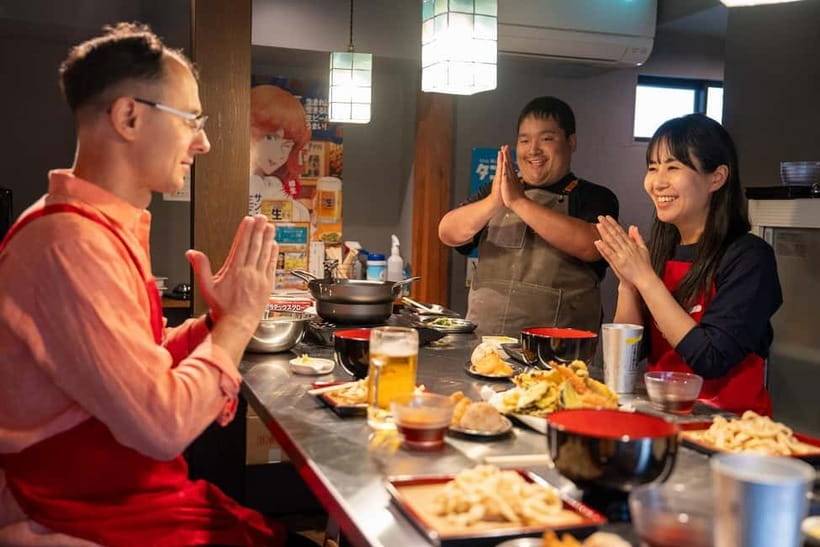
- Make and eat together: your meal includes udon, Inari-style rice bites, and tempura.
- Small group feel (up to 8): easier questions, quicker feedback.
- Sake included: you’ll get a mini tasting paired with what you cook.
Where You’ll Cook in Kyoto: Kawaramachi meeting point and easy access
This class meets near Kyoto-Kawaramachi Station, at a 7-Eleven in Kyoto Kawaramachi-Takoyakushi. It’s a good location if you’re staying around central Kyoto, because you can reach it from the Keihan Kyoto Line area without fuss.
From Kyoto-Kawaramachi Station, it’s a short walk—about 3 minutes from Exit B3. If you’re coming from Gion-Shijo Station, plan for roughly 9 minutes on foot. Either way, you’ll arrive without needing taxis or extra transit planning.
The vibe is what you want for a cooking class: you’ll be close enough to explore Kyoto afterward, but you can also focus on cooking without sprinting across the city.
You can also read our reviews of more tours and experiences in Kyoto.
What You’ll Actually Make in 2 Hours: udon, Inari sushi, tempura, plus drinks
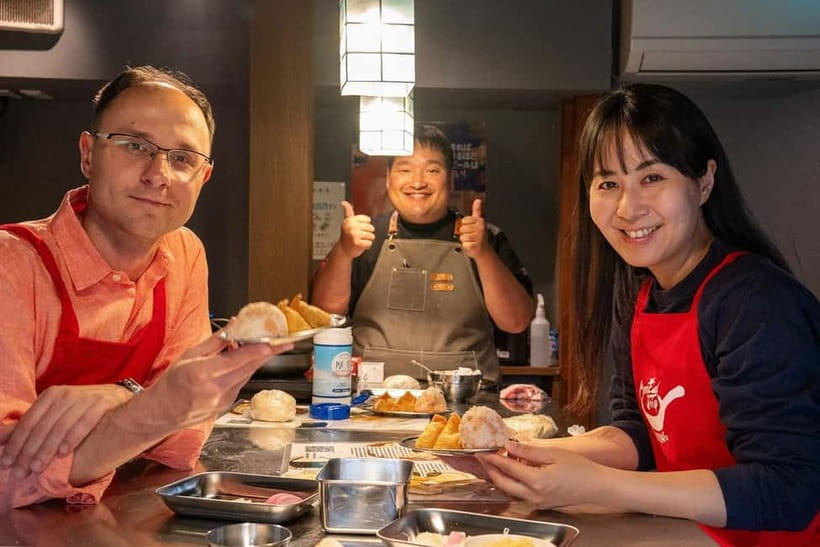
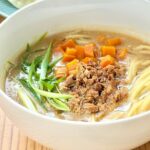
The main promise is simple and satisfying: you’ll make udon noodles, prepare Inari Sushi (with rice shaping), and fry up tempura. You start from basics—literally flour and water—then build toward a full Japanese meal.
You’ll eat what you make, and the experience includes two drinks plus a mini sake tasting. You also get an English recipe set and tour photos, so you’re not stuck trying to remember what you did after you leave.
One more practical note: while the activity is listed as 2 hours, class pace can vary. In one observed session, the cooking-and-eating portion felt closer to about 1 hour and 20 minutes. That doesn’t mean it’s rushed or low-quality—it just means you should stay flexible if you’re juggling other plans that day.
Getting Udon Right: knead, roll, and feel the dough change
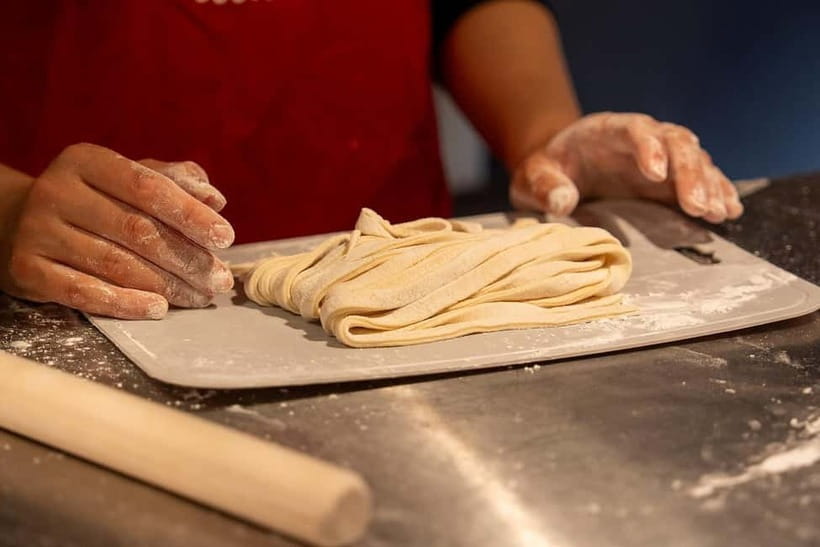
The udon portion is the headline skill, and it’s the part you’ll likely remember. You begin with nothing but flour and water, then you mix and knead until the dough becomes elastic and ready to roll. This is where the professional udon master matters—good technique shows up in texture.
You’ll roll the dough by hand. That’s not just for tradition points. Rolling affects thickness, and thickness affects chew. When the dough stretches evenly, your final noodles are more likely to have that classic bite.
Even if you’re new to cooking, this is the good kind of challenge. The task is straightforward: your hands do the work, and the instructors can correct small things quickly. I especially like that you’re not stuck doing complicated knife skills or rare ingredients.
Inari Sushi and Onigiri-Style Shaping: seasoned rice you can replicate
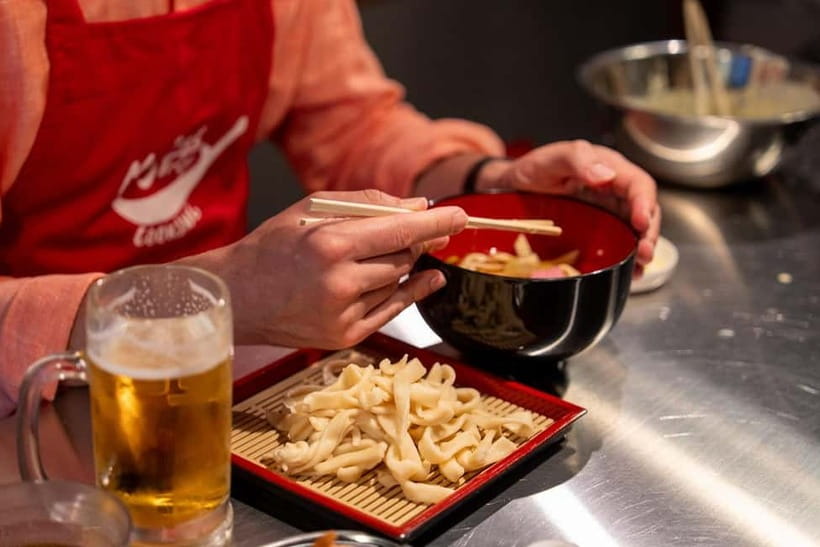
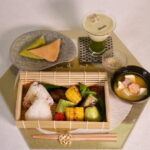
After the udon work, you switch gears to rice dishes. You’ll use freshly steamed rice, then learn how to season it for Inari Sushi. From there, you practice shaping—specifically onigiri and Inari sushi styles.
Why this part is valuable: shaped rice dishes are one of the easiest Japanese foods to recreate at home if you understand the seasoning and handling. Once you know how the rice should feel and how the pieces take shape, you can make quick lunches without needing fancy tools.
This is also a nice mental reset from dough. Instead of kneading, you’ll focus on consistency and form. Expect plenty of guidance on getting the shapes to hold together.
Tempura Frying With a Chef: golden bites and what you should expect
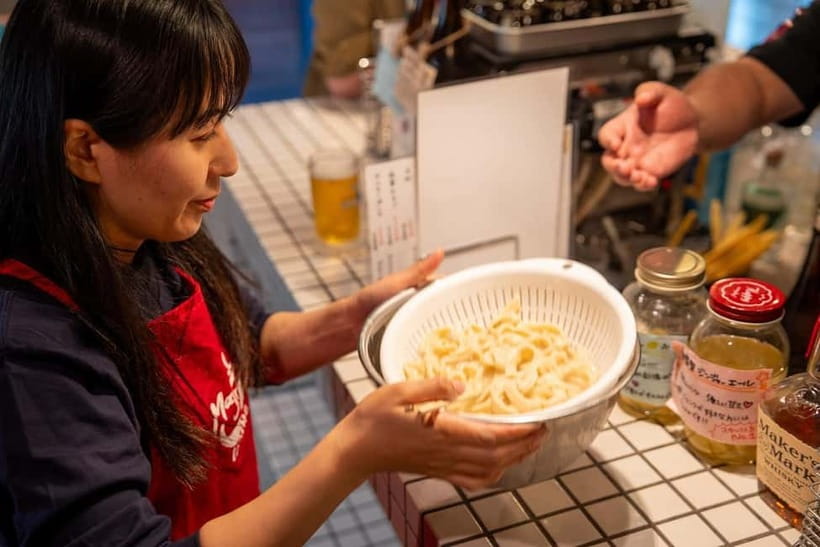
Tempura is where the meal becomes fun. You’ll learn the process so you can fry your own golden pieces, guided by the master chef and the class team. The important part isn’t fancy equipment—it’s follow-the-steps technique, like how the batter behaves and how frying timing affects crispness.
One practical consideration from a real class experience: the tempura portion may not always include mixing batter from scratch. In one session, students reported that batter prep was limited and they mostly focused on dipping ingredients before frying.
That’s not necessarily a problem. A lot of tempura success is about frying control and batter consistency at the moment it hits the oil. But if you’re expecting a full batter-mixing lesson with zero shortcuts, keep that in mind. Your learning will still be useful for cooking tempura at home—you’ll just learn the method in a more workshop-style flow.


The meal and mini sake tasting: eating your work right away
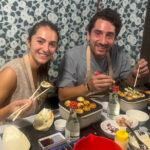
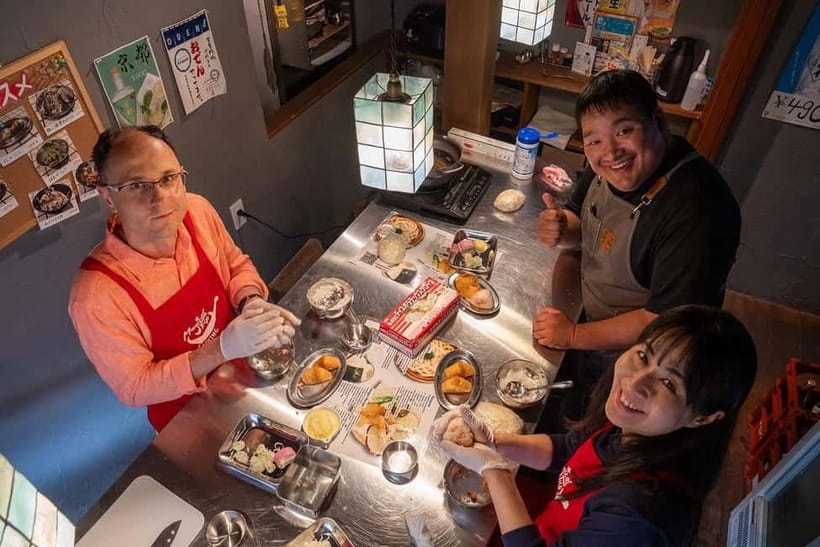
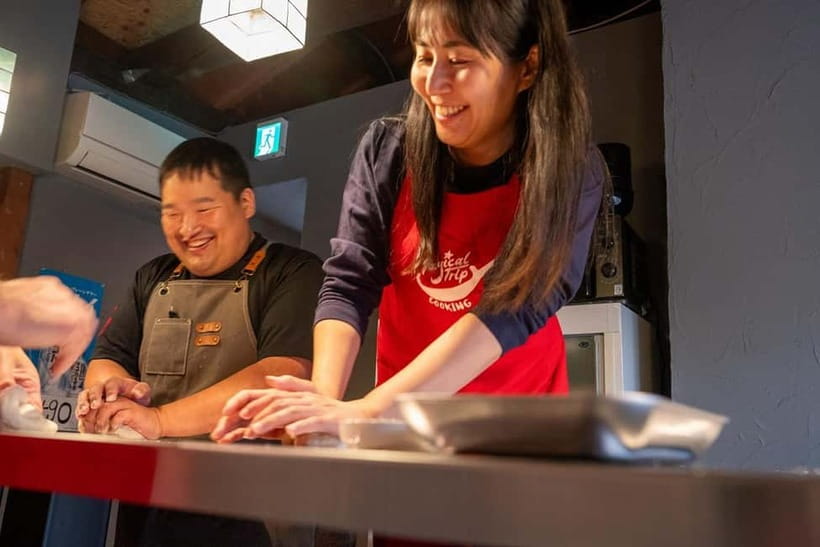
A big part of the joy here is eating while it’s still fresh. You’ll enjoy your homemade udon, Inari-style rice bites, and tempura as a single meal. It’s the fastest way to understand what changes in dough and frying actually do to flavor.
The class also includes a mini sake tasting plus two drinks. I like this pairing concept because it turns the meal into more than a lesson. You get a small moment of Kyoto-culture flavor, without turning it into an all-day drinking event.
If you’re the type who learns better by tasting, this setup clicks. You can relate the instructor’s instructions to what you’re experiencing in your mouth: chew for udon, seasoning for rice bites, and crunch for tempura.
English guide + udon master + small group: how the class keeps you moving
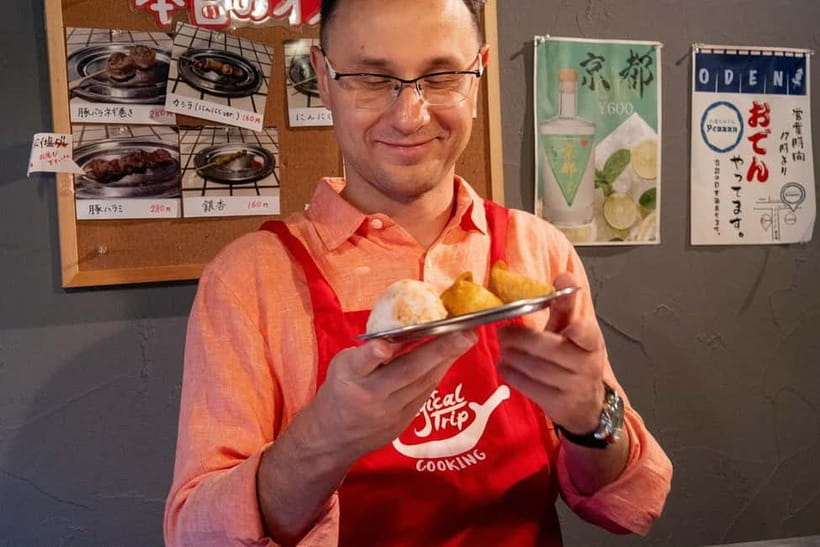
This is built as a small group experience—limited to 8 participants. That matters. With fewer people, you get more time for questions and more hands-on check-ins when your technique needs adjusting.
You’ll also have two roles working together:
- An udon master for the noodle craftsmanship
- An English-speaking local guide to explain, translate, and keep you on track
In practice, that tends to create a calm classroom rhythm. You’re not left guessing. When you’re rolling dough or shaping rice, small timing and pressure differences can matter, and instructors are able to notice quickly.
You should come in ready to get your hands messy (in a controlled, classroom-safe way). That’s the whole point.
Price and value: is $83 a fair deal for Kyoto cooking?
At $83 per person for about 2 hours, this class isn’t “cheap,” but it also isn’t overpriced for what you’re getting. The value comes from a few bundled elements:
- Professional instruction (udon master + English guide)
- Ingredients provided for class work
- A full meal outcome: udon + Inari-style rice bites + tempura
- Two drinks including a mini sake tasting
- Take-home materials: an English recipe set
- Tour photos
If you tried to do this on your own in Kyoto—by booking ingredients, finding a class-like kitchen setup, and learning technique without live coaching—the price starts to look more reasonable. Here, you’re paying for the teacher’s corrections and the structured workflow.
One more value angle: the recipe set means you’re not just buying a meal. You’re buying a blueprint you can use later.
If you’re on a strict schedule, though, consider that timing can vary. In one reported experience, the process felt closer to about 1 hour and 20 minutes total including the meal. So if you have a hard appointment right after, leave buffer time.
Where this experience fits best in your Kyoto days
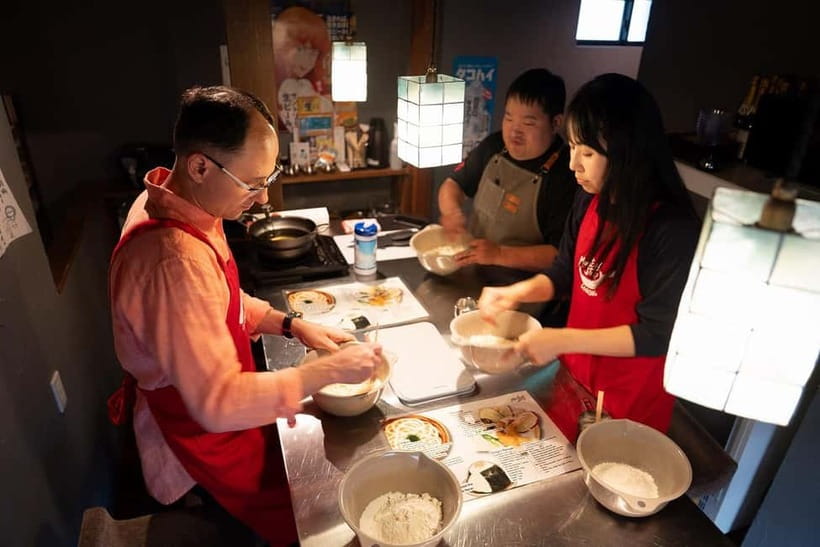
This cooking class works best when you’re staying in central Kyoto or you want an activity that isn’t another line, another ticket, another walk. It’s hands-on, indoor, and productive.
You’ll probably enjoy it most if:
- You like learning by doing, not just watching.
- You’re curious about how Japanese home cooking becomes technique.
- You want something fun that’s still authentic, not a tourist-only performance.
You might hesitate if:
- You need exact timing down to the minute for a later plan.
- You specifically want every step finished from scratch (some classes may shorten certain batter or finishing steps depending on time).
Who should book this Kyoto udon and tempura class?
Book it if you want a small-group cooking session focused on core Japanese techniques, especially udon-making and tempura frying. It’s also beginner-friendly—no prior cooking experience is required—and it’s suitable for all ages, so it can work for families.
I’d also recommend it if you like structured cultural experiences. You get an English guide, ingredients provided, and a takeaway recipe set—so you can translate the lesson into your own kitchen.
Should You Book This Cooking Class? My practical take
If your goal is a hands-on Kyoto food experience with real technique, this class is a strong yes. The udon portion alone is worth the attention—it teaches a foundational skill you can build on, and you get to taste the result immediately.
If you’re the kind of traveler who demands every single dish be fully built from scratch in exactly the order advertised, you should know there can be variation in class flow and timing. Still, the core value is consistent: guided cooking, eating what you made, and leaving with recipes you can actually use.
FAQ
Where is the meeting point for the class?
The meeting point is 7-Eleven in Kyoto Kawaramachi-Takoyakushi.
How long is the cooking class?
The duration is listed as 2 hours.
How many people are in the group?
It’s a small group limited to 8 participants.
Is the class taught in English?
Yes, the instructor and guide provide the experience in English.
Do I need prior cooking experience?
No prior cooking experience is required.
What dishes will I learn to make?
You’ll learn to make udon noodles, Inari sushi (with rice shaping), and tempura.
Are ingredients provided?
Yes, ingredients are provided for the cooking class.
Is sake included?
Yes, there is a mini sake tasting experience included, and two drinks are included overall.
Will I receive recipes to take home?
Yes, you receive an English recipe set designed to help you recreate the dishes at home.
Is there free cancellation?
Yes. You can cancel up to 24 hours in advance for a full refund.