REVIEW · HUATULCO
Traditional Mexican Cooking Class
Book on Viator →Operated by Wahaca Cooking Classes · Bookable on Viator
Tortillas, salsas, and stories in Huatulco. This Traditional Mexican Cooking Class pairs a scenic morning drive to Playa La Bocana with real work in the kitchen—chopping, mixing, and learning why Oaxaca-style ingredients matter. I especially like how Chef Alfredo and the team teach as they go, mixing cooking technique with practical context about rural Mexican life.
Another reason I’d book this again is the payoff: you sit down together and eat what you made, with margaritas made from scratch and hibiscus water in your glass. One possible drawback: it starts at 9:30 am, so if you’re on vacation mode with late mornings, you’ll need to trade sleep for a great meal early.
In This Review
- Key things that make this class worth your time
- Why this Huatulco class feels genuinely local
- Timing, pickup, and how much the day takes
- Playa La Bocana first: a quick scene change before the kitchen
- Inside Wahaca Cooking: the empanada station and beyond
- Tortillas and sopes: where the real skill lives
- Salsas from scratch: roasted red and tomatillo salsa verde
- Hibiscus agua, margaritas from scratch, and sitting down together
- Dietary options and language: what you can count on
- Getting the most from a 3-hour cooking class
- Value in plain terms: what you get for your time
- Who should book this Traditional Mexican Cooking Class
- Should you book it in Huatulco?
- FAQ
- What time does the class start?
- How long is the cooking class?
- Is pickup offered, and where is it from?
- Where does the tour stop before cooking?
- What dishes will I be making?
- Is the class taught in English?
- Are margaritas and hibiscus water included?
- Do I get recipes after the class?
- What is the cancellation policy?
- Are service animals allowed?
Key things that make this class worth your time
Small group feel (up to 12 people) so you get real attention at the stations.
La Bocana stop before cooking adds a breather from resort life.
Hands-on tortilla and sope training with clear guidance (and a friendly competition vibe).
Empanadas with huitlacoche and squash to taste something you might not try on your own.
From-scratch salsas and margaritas paired with the meal you helped create.
Recipes emailed after class so you can recreate the dishes later.
Why this Huatulco class feels genuinely local
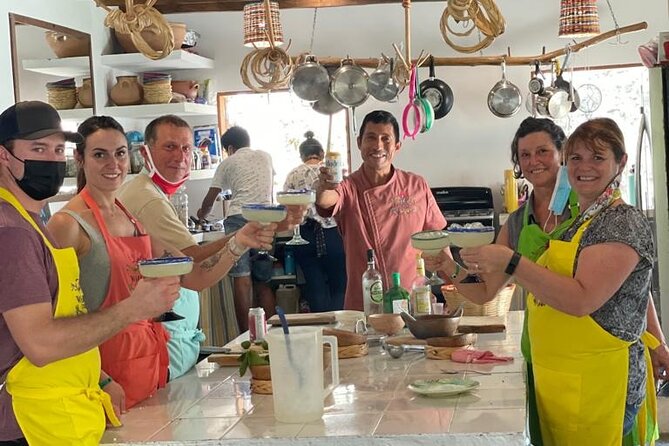
In Huatulco, you can find plenty of restaurants that serve Mexican food. This experience is different because it’s about technique and ingredients, not just plating. You’ll be working with hands-on prep: chopping, dicing, mixing, shaping, and tasting as you learn. That is the fastest route to understanding why Mexican food tastes the way it does.
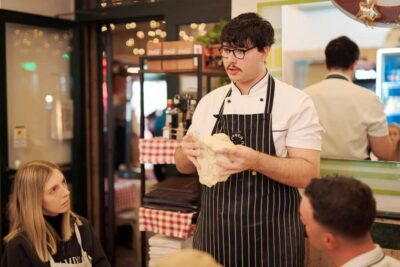
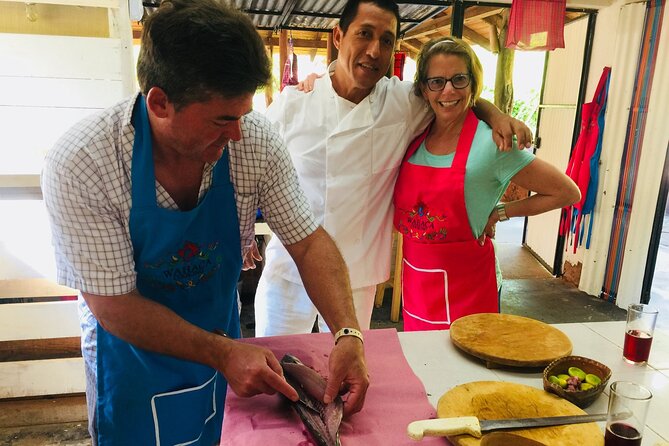
The teaching style also matters. Chef Alfredo runs the show with a warm, family-centered approach, and you’ll hear English instruction clearly with occasional Spanish woven in. In some sessions, Antonio steps in with teaching too, especially around ingredient knowledge and process. You’re not stuck watching from a distance.
The other big local factor is the ingredient conversation. You’ll learn about fruits, vegetables, beans, and even how plants and produce relate to daily cooking. And yes, you get to eat what you make. That turns the class from a fun activity into a skill you can reuse at home.
You can also read our reviews of more tours and experiences in Huatulco.
Timing, pickup, and how much the day takes
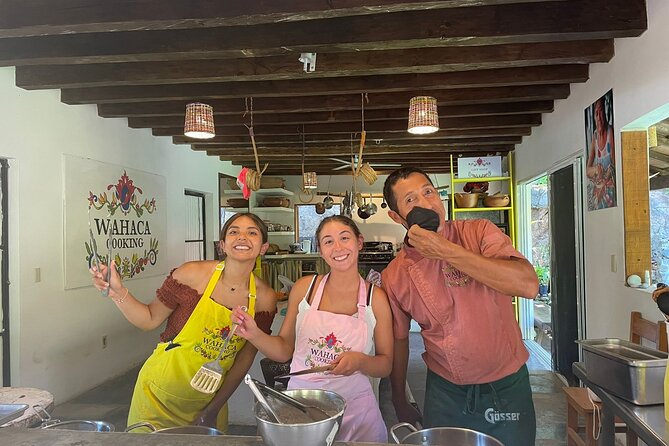
This is a 3-hour class (approx.), starting at 9:30 am. The timing is important because it shapes the whole experience: you’re cooking while the day is still fresh, and you’ll be back at your place before you’re exhausted.
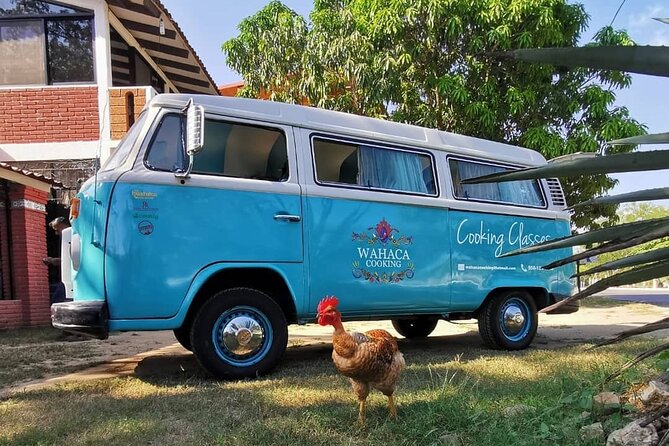
Pick-up is offered from hotels across the Huatulco area. That’s a real convenience win. You don’t have to figure out transport, parking, or directions, and you can focus on the class. You’ll also receive a mobile ticket, so you’re not juggling printed paper on the way over.
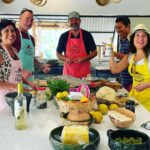
The session is capped at a maximum of 12 travelers, which helps a lot. In a small group, it’s easier to ask questions, get feedback on how your tortillas look, and keep the whole kitchen moving without chaos. If you’ve ever taken a cooking class where you keep waiting your turn, you’ll appreciate this setup.
Playa La Bocana first: a quick scene change before the kitchen
The morning begins with pickup, then you head to Playa La Bocana. The idea here isn’t just sightseeing. It sets a tone: this doesn’t feel like a classroom. It feels like a day with food at the center and place as the background.
La Bocana also gives you a short reset before you start using your hands. You’ll be moving from travel mode into kitchen mode, and that breathing room helps. After that, you’ll head to Wahaca Cooking to jump straight into prep.
If you’re the type who likes context—seeing where the day is taking you before you sit down—this start is a plus. It’s also handy if you want your morning activity to include more than a single stop with no scenery.
Inside Wahaca Cooking: the empanada station and beyond
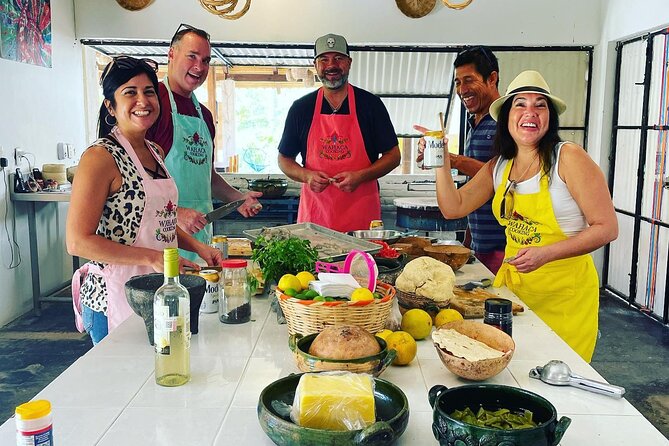
Once you arrive at Wahaca Cooking, you get to work fast. The class is structured around a few core dishes, and the cooking tasks rotate so you’re not just standing around.
A highlight is empanadas. You’ll learn how to make corn dough empanadas and then stuff them with creamy huitlacoche and squash a la mexicana. Huitlacoche is one of those ingredients that can feel mysterious until you learn how it’s used in Mexican cooking. Getting to handle it as part of a filling makes it much less intimidating.
You’ll also get practice in the textures that matter: dough consistency, sealing skills, and how to manage filling so it doesn’t spill. Even if you’ve never cooked before, the stations are built for learning through doing.
The kitchen environment is described as comfortable and friendly. You’re not stuck in cramped conditions, and that makes a difference. Cooking can be tiring if the space is awkward. Here, the workflow supports you.
Tortillas and sopes: where the real skill lives
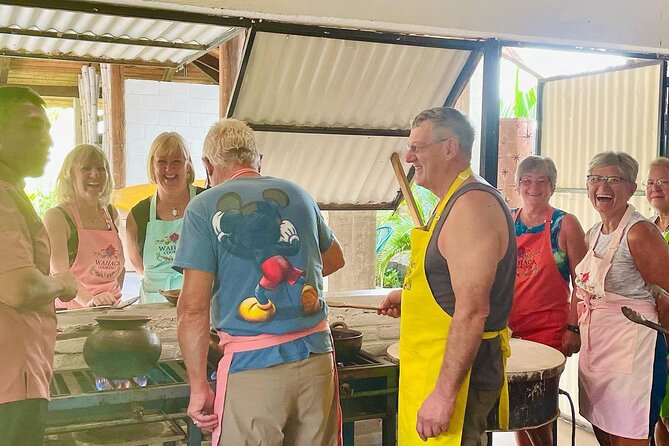
This class really earns its name when it turns to tortillas and sopes. You’ll learn tortilla-making techniques and how they connect to the wider tradition of Mexican corn cooking.
Then comes the sope part: you’ll make traditional sopes topped with refried beans and queso fresco. Sopes are one of the best dishes for learning because they require structure. You shape the base, and then the topping needs to behave. It’s hands-on learning with an outcome you can taste immediately.
One theme that comes through clearly is learning the why behind the process. You’re not just told what to do. You’ll hear about traditions and life in rural Mexico, and that makes the cooking steps feel less random and more like a system.
If you’re curious about corn tortillas as a craft—not just a side dish—this is where you’ll get the most value.
Salsas from scratch: roasted red and tomatillo salsa verde
Mexican cooking lives and dies by sauces. Here, you’ll make green and red salsas with help that focuses on ingredients and method.
Expect roasted red salsa and tomatillo salsa verde. The key learning is how different bases taste different and how they behave in food. You’ll understand why tomatillo brings a bright tang, and why roasted elements deepen the flavor.
This part also builds confidence. Once you’ve made salsa yourself—seeing how it changes as it blends—you start recognizing flavor building blocks. Even if you don’t copy the exact recipe later, you’ll understand how to balance roasted, acidic, and herb notes when cooking at home.
And yes, you’ll taste as you go. That’s part of why classes like this are worth doing rather than watching cooking videos at home.
Hibiscus agua, margaritas from scratch, and sitting down together
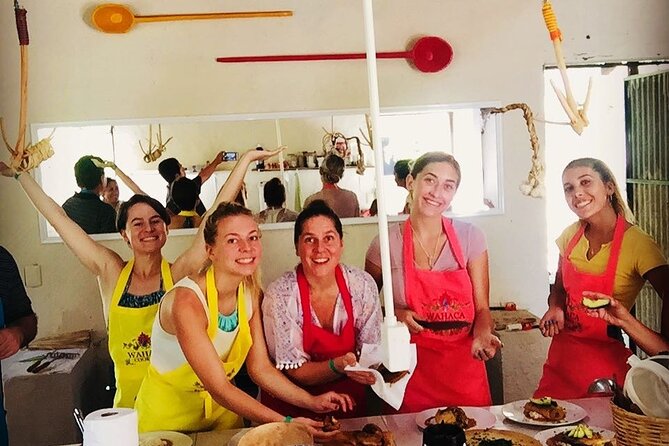
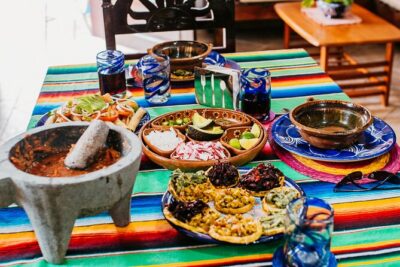
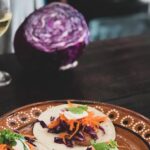
After the cooking work, you’ll all sit down and enjoy the meal you made. This is when it clicks. You see how empanadas, salsas, tortillas, and sopes work as a group, not as separate projects.
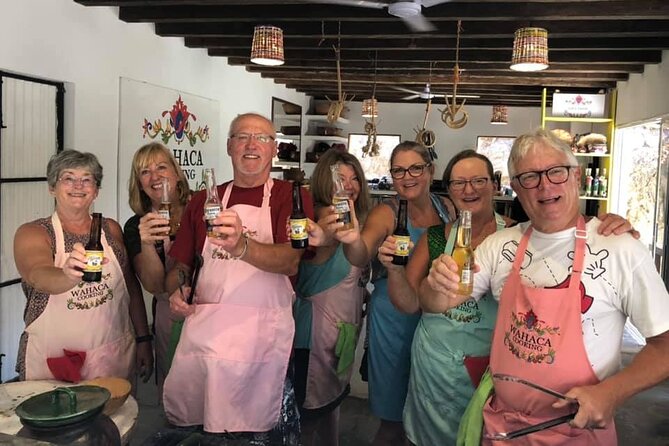
You’ll also have hibiscus water, which is light, refreshing, and perfect with spicy or savory foods. And during the meal, you’ll sip freshly made margaritas from scratch. That detail matters: you’re not just tasting food, you’re experiencing the full flavor rhythm of a Mexican meal.
The social side is real, but it’s not forced. With a group size up to 12, conversation stays natural, and the setting helps. Several guests highlight the family atmosphere and the fact that the host and team keep it festive without turning it into a performance.
Dietary options and language: what you can count on
This class is offered in English, which is a relief if your Spanish is rusty. You’ll still pick up words and cooking terms along the way, and you might hear Spanish as part of the teaching. That mix is normal here and helps you make sense of what you’re tasting.
Diet is a practical question for cooking classes, and you’ll be glad to know accommodation has happened. One guest reported the instructor could accommodate a vegan diet, including support with learning to make refried beans and tortillas. That doesn’t guarantee every menu adapts every time, but it suggests the host takes requests seriously.
If you have allergies or strict needs, the safest move is to confirm specifics with your booking before you arrive. The class structure is hands-on, so small ingredients matter.
Getting the most from a 3-hour cooking class
A cooking class feels short on paper, but you pack a lot into these 3 hours. The trick is to treat it like a hands-on workshop, not a passive tour.
Here’s how to get the most:
- Come hungry and ready to taste. Even if you’re picky, you’ll learn how to tweak flavor.
- Pay attention during tortilla and salsa steps. Those are the skills that transfer to your home cooking.
- Ask questions while you’re at the station. Small-group size makes this easy.
Also, remember this is real cooking. You’ll likely be using your hands and moving around. Wear something you can comfortably sweat in, and bring a water bottle if you’re prone to feeling dehydrated in the heat.
If you want a vacation activity that actually changes how you cook afterward, this is that kind of class. You’ll leave with technique, not just a full stomach.
Value in plain terms: what you get for your time
Since there’s no single price listed here, I’ll judge value by what’s included and how it’s delivered. You’re not paying for a show. You’re paying for instruction plus a meal.
Key value points:
- Pickup from hotels across Huatulco saves time and hassle.
- Hands-on cooking means you do the work, not just watch.
- Drink inclusions include hibiscus water and made-from-scratch margaritas with the meal.
- A full sit-down meal ensures you get to taste everything together.
- Recipes sent by email helps you keep the learning after you return home.
The small group cap helps too. In a group of 12, you’re more likely to get feedback on your tortillas and how to handle filling for empanadas.
If you like authentic experiences and want something more active than a typical sightseeing day, this class fits well.
Who should book this Traditional Mexican Cooking Class
This is a great pick if you:
- want a hands-on food experience rather than a tasting-only tour
- enjoy learning about Mexican ingredients like huitlacoche, tomatillo, and queso fresco
- like family-run settings with a real sense of place
It may be less ideal if you:
- want lots of free time to lounge or do beach-only sightseeing
- prefer very slow pacing and lots of watching rather than doing
- are chasing a purely historical museum-style experience without cooking tasks
Still, even first-timers seem to do well here because the class is built around guided stations and a friendly flow.
Should you book it in Huatulco?
If you’re choosing between a cooking class and another half-day activity, I’d lean toward booking this one. The mix of Playa La Bocana, work at Wahaca Cooking, and then eating what you made is a strong day-to-day trade. You get both place and skills.
Book it if you want to leave with tortilla technique, salsa confidence, and a meal memory you can recreate. Skip it only if you’re not up for morning start time or you don’t want to cook at all.
In short: if you care about real Mexican food, this is one of the most practical ways to understand it.
FAQ
What time does the class start?
The class starts at 9:30 am.
How long is the cooking class?
It runs about 3 hours.
Is pickup offered, and where is it from?
Yes. Pickup is offered from hotels in the Huatulco area.
Where does the tour stop before cooking?
The morning includes a stop at Playa La Bocana before you go to Wahaca Cooking.
What dishes will I be making?
The sample menu includes empanadas (with huitlacoche and squash), green and red salsas (including roasted red salsa and tomatillo salsa verde), and tortillas and sopes with refried beans and queso fresco. Some guests also describe additional dishes such as tacos or tamales.
Is the class taught in English?
Yes, it is offered in English.
Are margaritas and hibiscus water included?
You’ll enjoy hibiscus water during the class, and you’ll sip margaritas made from scratch with the meal.
Do I get recipes after the class?
Yes. Recipes are sent via email after the experience.
What is the cancellation policy?
You can cancel for a full refund up to 24 hours before the experience starts. If you cancel less than 24 hours before, the amount paid is not refunded.
Are service animals allowed?
Yes, service animals are allowed.