Cooking in Chennai feels personal fast. This private vegetarian class with Vidhya turns food into culture, with you working in a local home kitchen and learning South Indian flavors through step-by-step guidance and family-style know-how. I like that the session focuses on practical technique (not just recipes) and that you’re making lentil curries like sambar or rasam that actually show up at everyday tables.
I also love the way Vidhya brings her background into the class: she’s from a traditional Brahmin Iyer family and she’s spent years as an eggless home baker, so you’re not only learning savory skills—you’ll also get an Indian dessert that matches the same careful, home-kitchen approach. The one main drawback to factor in is simple: there’s no hotel pickup, so plan on getting yourself to the meeting point in Adyar.
In This Review
- Key highlights you should know
- A local Chennai home with Vidhya at the center
- What you’ll cook: sambar, rasam, or kootu plus an Indian dessert
- Want breakfast-style South Indian dishes instead?
- The flow of the 3-hour experience (and why it feels manageable)
- Learning style: step-by-step, with troubleshooting in the moment
- The optional market add-on: Adyar grocery store shopping (not a street market)
- Dietary needs: lactose free, gluten free, vegan/vegetarian, and practical swaps
- What to tell Vidhya before you arrive
- Value in real terms: is $48 worth it?
- Who should book this class (and who might want to skip it)
- Should you book it?
- FAQ
- How long is the cooking class?
- Is this class private?
- What dishes will I learn to cook?
- Can you accommodate lactose free or gluten free diets?
- Can the class be vegan or vegetarian?
- If I choose the market add-on, is it a traditional market tour?
- Is hotel pickup included?
- Can I get a full refund if I cancel?
Key highlights you should know
- Private home setting in Adyar: you cook with Vidhya in a real household rhythm, not a demo kitchen.
- Lentil curry skills you can repeat: learn sambar/rasam (or kootu) style cooking and the logic behind the flavors.
- Dessert included: you finish with an Indian sweet, guided like part of the meal—not an afterthought.
- Diet-friendly options on request: lactose free, gluten free, vegetarian, and vegan adjustments are available.
- Optional grocery store add-on: if you choose it, you’ll walk to a local store to pick up key grains, lentils, and spices (not a classic street market tour).
- You eat what you cook: after hands-on cooking, you sit down together to share the dishes.
A local Chennai home with Vidhya at the center
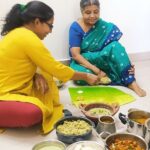
This class is built around the idea that South Indian food makes more sense when you see how it lives in someone’s home. You meet at The Grand Sweets & Snacks in Shastri Nagar, Adyar, then you head back into the home kitchen environment where Vidhya teaches. If you’ve ever tried to cook South Indian dishes from a recipe and ended up with the wrong flavor balance, this is the kind of setting that helps—because the host can correct you in real time, right where you’re chopping, tempering, and tasting.
Vidhya’s background matters here. She comes from a traditional Brahmin Iyer family, and she’s also known as an eggless home baker. That combination tends to show up in the class style: careful attention to ingredients, plus desserts that aren’t just “sweet for the sake of sweet.” The result is a lesson that feels grounded, not performative.
And this is truly private. Only your group participates, which means you can ask questions without feeling like the host has to race to keep up with a large crowd. For solo travelers, that’s often a big part of the value: you get direct interaction.
You can also read our reviews of more tours and experiences in Chennai.
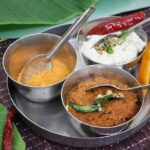
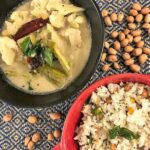
What you’ll cook: sambar, rasam, or kootu plus an Indian dessert
At the core of the class is a hands-on session that focuses on a lentil curry. You’ll learn one of these South Indian directions:
- Sambar style lentil curry
- Rasam style lentil soup
- Kootu style lentil and vegetable stew
Which one you end up cooking can depend on the class plan and your choices, but the goal stays consistent: you learn how the lentils, spices, and seasoning work together to create that specific South Indian “why does this taste right?” effect.
In a typical cooking class lesson, you often follow steps without understanding the purpose. Here, the emphasis is on the tips and tricks that were passed down through generations. That means you’re not only copying a dish—you’re learning the small decisions that shape the final outcome. Things like when to add certain spices, how to treat the base flavor before you introduce lentils, and what to adjust when the texture or tang feels off.
Then you add the dessert. The class includes an Indian dessert, taught alongside the meal so you understand how it fits into the larger flavor story. If you’re used to thinking of Indian dessert as something separate, this is a helpful correction: you’ll see how it balances the meal rather than just ending it.
Want breakfast-style South Indian dishes instead?
If you prefer a breakfast focus rather than a typical South Indian lunch approach, Vidhya can make dishes like:
- idli
- dosa
- adai
- uthappam
- paniyarams
This is worth noting if your trip schedule is tight or if you want something that aligns with your personal routine. Telling Vidhya your preference in advance is the smart move, since it helps shape what you’ll actually learn and cook.
The flow of the 3-hour experience (and why it feels manageable)
The whole session runs about 3 hours, and inside that window you get around 1 hour hands-on cooking. That structure is a practical choice. It gives you enough time to actually work the food—chopping, mixing, cooking, and tasting—while still leaving time to learn and ask questions.
After the cooking, you sit down together to share the dishes you helped prepare. That part matters more than it sounds. Food lessons often stop the second the pot goes on the stove. Here, the meal is part of learning: you taste what you made, see how the different parts work as a set, and get a more realistic idea of how South Indian meals are served and enjoyed.
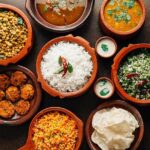
One detail I like is the class stays connected to real ingredients. In at least one menu example from a past participant, the cooking included items like spiced sweet potato, a green vegetable curry, rasam soup, and a pineapple raita—and the explanation covered steps using seasonal vegetables. Even if your class version differs, that’s a clue about the teaching style: it’s step-by-step and tied to ingredients that make sense for the time and season.
Learning style: step-by-step, with troubleshooting in the moment
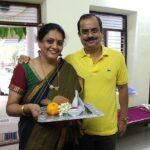
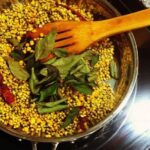
Vidhya explains each step of cooking as you go, and that’s huge if you’re a novice. South Indian cooking isn’t complicated in the “you need 50 years of training” sense, but it does rely on seasoning timing and texture checks. When your host can point out the exact moment something should change—rather than waiting until you’re already committed to the wrong version—you learn faster.
The optional market add-on: Adyar grocery store shopping (not a street market)
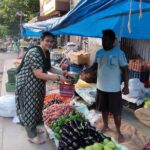
You can add a market-style stop to the experience. If you choose it, you’ll meet Vidhya at home first, then walk about 10 minutes to an Adyar departmental store where Vidhya buys grains, lentils, and spices for the class.
Important distinction: this is not a traditional market tour. It’s a grocery story visit. That sounds less romantic, but it’s often more useful for cooking travelers. You’ll see the everyday sources for the ingredients that make South Indian food taste like itself—without the unpredictability of a chaotic street market.
As Vidhya walks you through the store, she introduces the ingredients used in South Indian cooking. You might even buy a few items you need for your class, which is a nice way to turn the lesson into take-home momentum. If you’ve ever cooked a lentil curry later and realized your spice blend or lentil type was off, you’ll understand why this add-on can be valuable.
Dietary needs: lactose free, gluten free, vegan/vegetarian, and practical swaps
This is one of the strongest points of the class. Vidhya can accommodate lactose free and gluten free needs, and she can also adjust for vegetarian and vegan diets if you request it when booking.
That matters because many cooking classes promise dietary options, then stick to a mostly fixed menu. Here, the intent is to plan around your needs ahead of time. When you message your dietary restrictions in advance, you give the host a chance to adjust ingredients rather than trying to patch something at the last minute.
If you’re vegan, it’s especially helpful to know the class is open to vegan options on request. If you’re lactose free or gluten free, the class format still works well because South Indian cooking commonly relies on lentils, spices, and vegetables—ingredients that are easy to keep aligned with dietary limits when handled carefully.
What to tell Vidhya before you arrive
Send your dietary needs and any meal preference before the class. If you want breakfast-style dishes instead of the usual lunch-style approach, tell her that too. The cleaner your request is ahead of time, the less likely the class will need last-minute tweaks.
Value in real terms: is $48 worth it?
At $48 per person for about 3 hours, this sits in the “mid-range but meaningful” category. It’s not a quick tasting. You’re getting a private home setting, hands-on instruction focused on dishes you can actually cook again, and a homecooked meal included.
Here’s why the value works:
- Private instruction in a real home kitchen: you’re not sharing the teacher with a large group.
- Real cooking outcomes: you’re learning a lentil curry base (sambar/rasam/kootu) plus an Indian dessert.
- Food included: you eat what you cook, so you’re not paying extra at the end.
- Diet accommodations on request: fewer compromises if you have restrictions.
The one cost to watch is logistical rather than monetary: there’s no hotel pickup or drop-off, so plan transport on your end. Depending on where you’re staying in Chennai, that could be a minor hassle—or a bigger factor. If you’re already near Adyar or comfortable with local transit, it’s usually manageable.
If you choose the market add-on, you’re also paying for ingredient-focused grocery time rather than paying separately later to source spices and lentils. That can lower your “post-class ingredient scramble,” which is part of the true value for a cooking lesson.
Who should book this class (and who might want to skip it)
This experience is a great fit if you:
- Want vegetarian South Indian cooking with hands-on help.
- Like the idea of learning from someone with family-taught methods.
- Need lactose free or gluten free options and don’t want to feel squeezed.
- Prefer a calmer, personal setting over a busy public demo.
It’s also a good match for both beginners and home cooks. Beginners get step-by-step guidance and a clear lesson structure. More experienced cooks benefit from the host’s tips and the chance to compare how South Indian spice and lentil timing should feel.
You might want to think twice if:
- You strongly dislike arranging your own transport, since there’s no pickup.
- You’re chasing a fast, high-volume “see everything” experience. This is about one home-cooked meal and learning it well, not checking off multiple stops.
Should you book it?
If you want a genuine South Indian cooking lesson that gives you skills you can repeat at home, this is a strong choice. The private format, the focus on lentil curries like sambar/rasam/kootu, and the inclusion of an Indian dessert make it feel like a complete food lesson, not just a short workshop.
Book it if you can get to Adyar on your own and you’ve got dietary needs you’d like handled thoughtfully. And if you choose the grocery-store add-on, treat it as a head start on sourcing the right lentils and spices—your future kitchen self will thank you.
FAQ
How long is the cooking class?
The experience runs about 3 hours (approx.), with around 1 hour of hands-on cooking.
Is this class private?
Yes. It’s a private tour/activity, and only your group participates.
What dishes will I learn to cook?
You’ll learn a lentil curry such as sambar, rasam, or kootu, plus an Indian dessert.
Can you accommodate lactose free or gluten free diets?
Yes. Vidhya can accommodate lactose free and gluten free diets on request.
Can the class be vegan or vegetarian?
Yes. Vegan and vegetarian diets are available on request.
If I choose the market add-on, is it a traditional market tour?
No. It’s a visit to a grocery store where Vidhya buys grains, lentils, and spices. It’s not presented as a traditional market tour.
Is hotel pickup included?
No. Hotel pick-up and drop-off are not included.
Can I get a full refund if I cancel?
There is free cancellation. You can cancel up to 24 hours in advance for a full refund. Canceling less than 24 hours before start time is not refundable.