REVIEW · LJUBLJANA
Slovenia: Belokranjska Pogača Cooking Class
Book on GetYourGuide →Operated by Polak Tomaž · Bookable on GetYourGuide
Bread-making turns into real culture lessons. The hands-on Belokranjska Pogača class is a 2-hour, small-group session where you learn to make Slovenia’s Bela Krajina savory bread, with the story behind it as you work. I love how the steps are broken down clearly enough that you feel confident kneading, rolling, and shaping, and I love the warm hosting from Luka (English is excellent). One thing to plan for: the meeting point takes a little spotting effort, with a broken concrete fountain and a shop window to look for.
For $53 per person, you’re not just paying for a seat at the table. You’re baking (and eating) the bread you make, with ingredients and equipment included, so you leave with a real skill and a full belly. It’s especially good if you want an active activity for families, including kids and teens who prefer doing over watching.
In This Review
- Key things you’ll notice right away
- Belokranjska Pogača: why this bread matters in Slovenia
- The 2-hour kitchen rhythm (what your time feels like)
- Meet Luka and your small-group setup
- Making Belokranjska Pogača: the steps you’ll learn for real
- What you’ll talk about while the bread bakes
- Price and value: is $53 a fair deal?
- Where to find the class: the square, the fountain, and the big window
- Who this class suits best (and who might not)
- Should you book the Slovenia: Belokranjska Pogača cooking class?
- FAQ
- How long is the Belokranjska Pogača cooking class?
- What does the class cost?
- What bread will I make in the class?
- Is it a small group?
- What languages are used during the class?
- What’s included in the price?
- Where do I meet the instructor?
- Is it wheelchair accessible?
- Can I cancel or pay later?
Key things you’ll notice right away
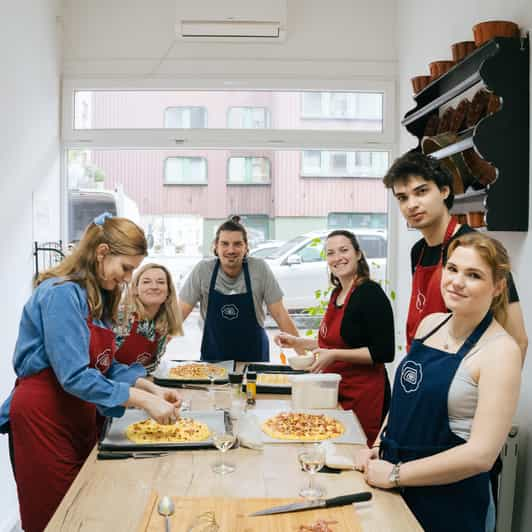
- Belokranjska Pogača from Bela Krajina: You learn the bread’s regional roots, not just the recipe.
- Small group, hands-on pace: Max 10 participants keeps the instruction personal.
- Clear guidance for shaping: You’ll knead, roll, and form the dough with step-by-step help.
- A guide who explains Slovenia while you wait: Conversations in English (and Slovenian) make the downtime fun.
- You bake and taste your own loaf: The best part comes at the oven-door moment.
- A warm, welcoming host: The class has a friendly vibe that works well even with younger travelers.
Belokranjska Pogača: why this bread matters in Slovenia
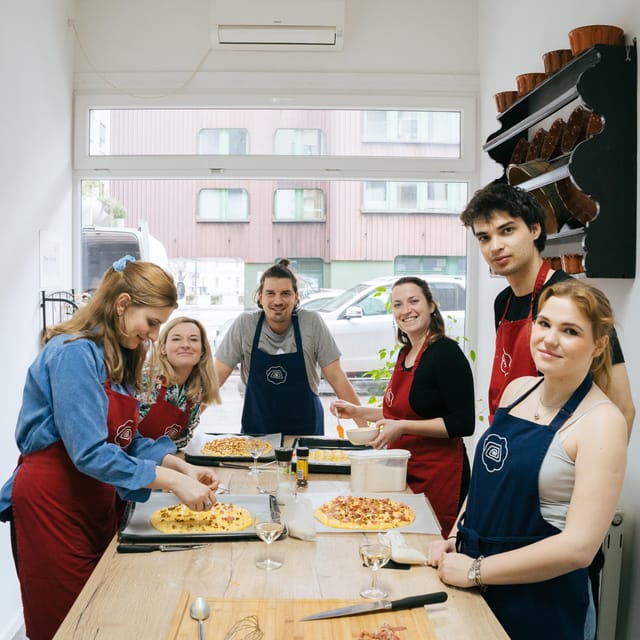
Belokranjska Pogača is one of those foods that carries a place name like a passport stamp. It’s strongly tied to the Bela Krajina region in Slovenia, and the class treats it like more than a snack. You start with the cultural meaning and history of the bread, so you understand why people take it seriously at the table.
What I like about this approach is that it gives your work a purpose. When you’re kneading dough, you can either think, okay, I’m doing chores, or you can think, I’m making something people actually celebrate with. This class leans into the second mindset. The bread is presented as part of Slovenian craftsmanship and everyday community life, which makes the session feel grounded and real.
Also, there’s something comforting about learning a traditional dish directly where the bread’s story lives. You’re not trying to recreate a trend from a restaurant kitchen. You’re following a process meant to produce a distinctive savory loaf.
You can also read our reviews of more tours and experiences in Ljubljana.

The 2-hour kitchen rhythm (what your time feels like)
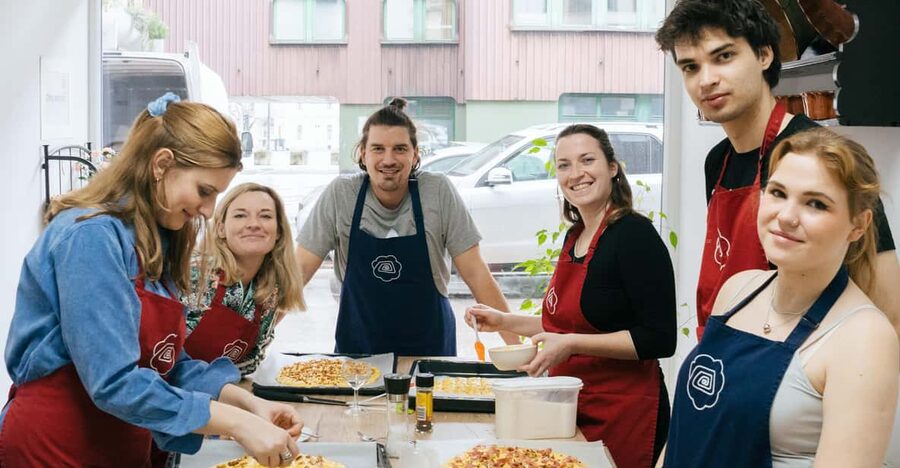
This is not a long, meandering food tour. It’s a focused 2-hour cooking class, so the pace stays practical.
You can expect the session to move in three phases:
1) An intro before hands go messy. The instructor brings you up to speed on what Belokranjska Pogača is and why it’s culturally significant in the Bela Krajina area. This isn’t just trivia. It sets the tone for the steps that come next.
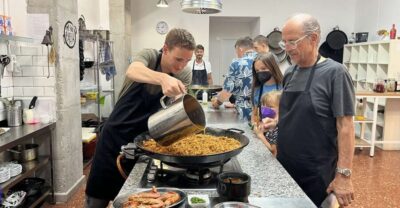
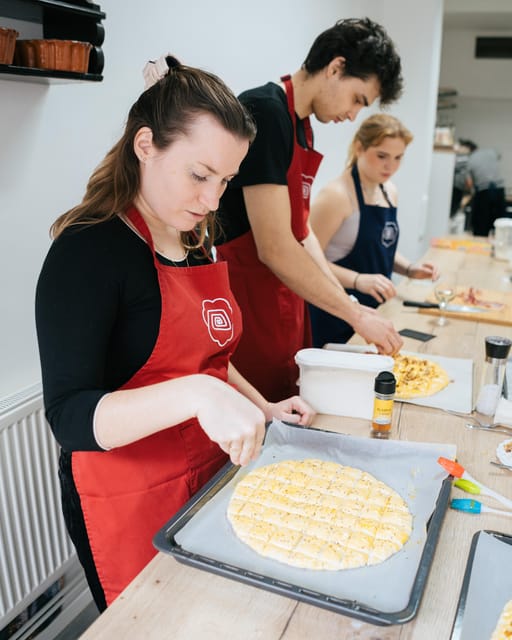
2) Active dough work at the table. Then you’ll get aprons on and start the core tasks: kneading, rolling, and shaping the dough. Because the group is small (up to 10), you’re not lost in the background. You can ask questions and get corrections while you’re still working.
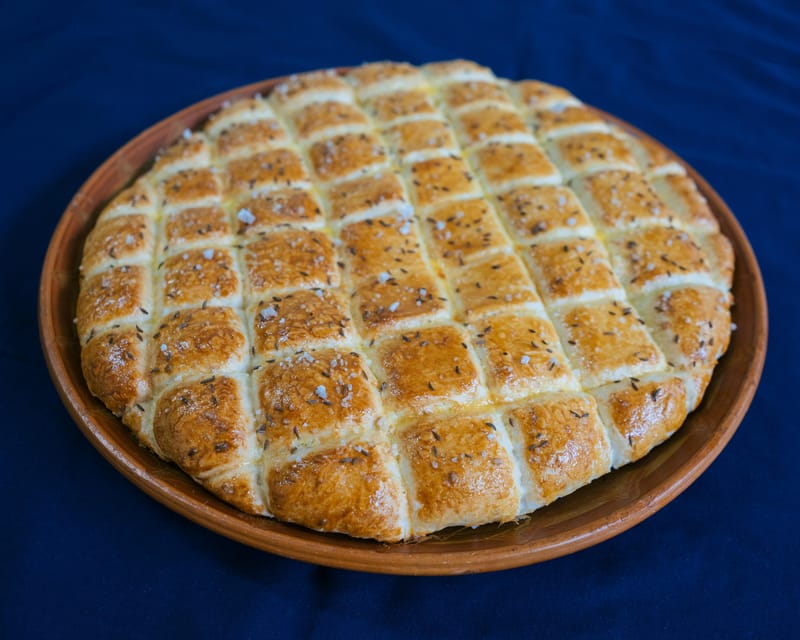
3) Baking and tasting. While the dough bakes to a golden finish, you’ll have time to talk, ask more questions, and learn more about Slovenia and daily life. Then you taste what you made—warm, freshly baked, and good enough that you’ll understand why this is a bread worth learning.
One useful thing to know from how the class is described: there can be a waiting moment for the yeast and dough to rise before baking. If you don’t love waiting, think of this as story time and conversation time. The host is there to keep it engaging, not just stand there holding a timer.
Meet Luka and your small-group setup
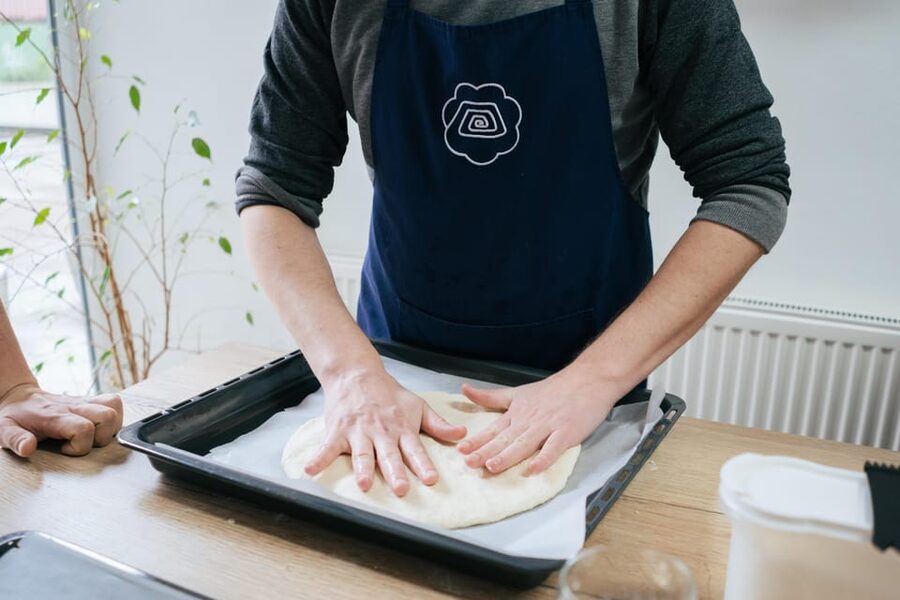
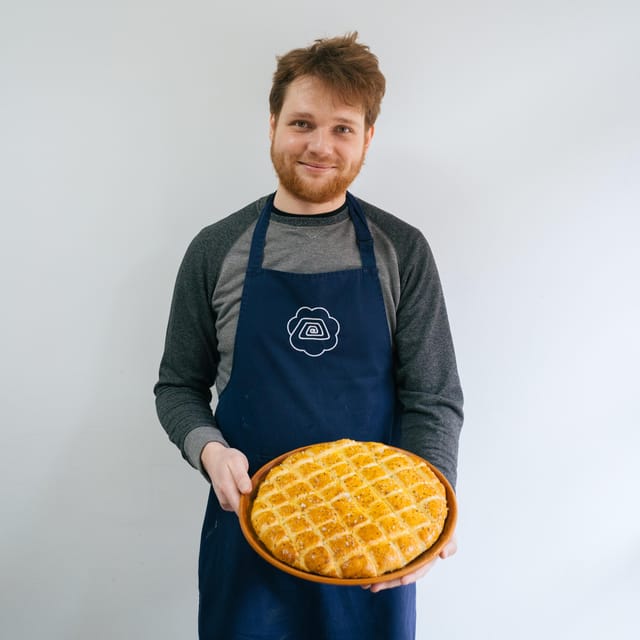
This class is taught by seasoned experts, and the host you’ll meet is Luka. He teaches in English (and Slovenian is also supported), which matters because bread technique can be hard if you can’t fully hear the instructions.
The small group size is a big deal for quality. With up to 10 participants, you’re more likely to:
- get individualized feedback while shaping the dough
- feel comfortable asking questions mid-process
- actually understand what you’re doing, instead of rushing to copy a finished step
From the way the class is described, Luka also has experience working with children and adolescents. That’s a practical plus if you’re traveling with a family where everyone wants to participate.
And if you’re booking as an individual or a couple, there’s at least one sign that smaller setups can happen depending on availability. In one private-style experience, it was just one participant. So even if you want a calmer pace, you might get it.
Making Belokranjska Pogača: the steps you’ll learn for real
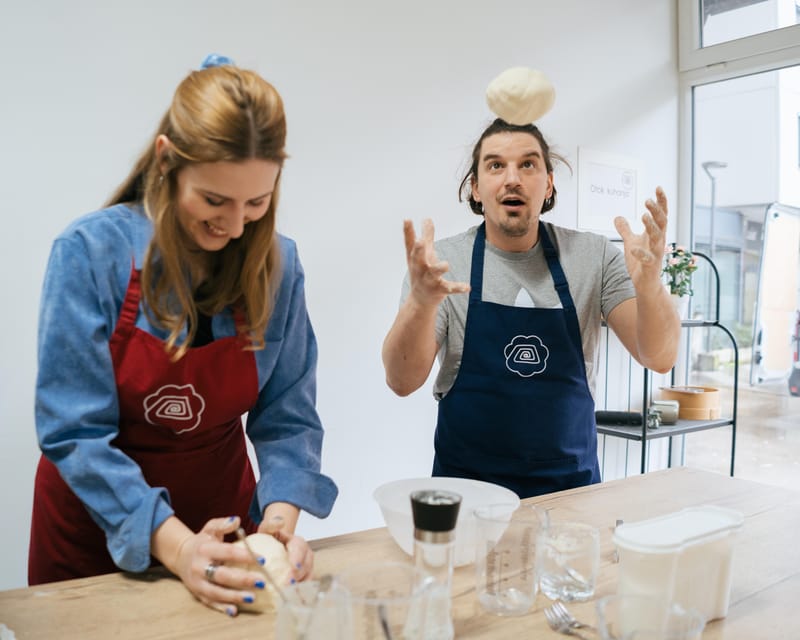
The class focuses tightly on making Belokranjska Pogača, so you’ll spend your time learning the bread’s core technique.
Here’s what you’ll be doing during the “hands-on” part:
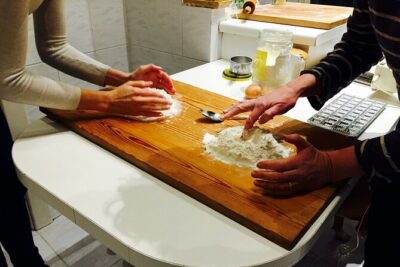
Kneading
This is where the dough goes from something you can’t control to something that starts to behave. The instruction emphasizes precision, so you’re not just pressing things randomly. Expect guidance on how the dough should feel as you knead and what to pay attention to as it comes together.
Rolling
Once the dough is ready, rolling is where shape starts forming. This step is also where your instincts kick in, and that’s exactly why having an expert nearby helps. You’ll learn how to keep the dough workable and how to avoid common mistakes that leave the loaf looking uneven.
Shaping
Belokranjska Pogača isn’t just any round bread. The shaping matters for how it bakes and for the final look. This is the step where the class earns its name as more than a cooking demo. You’re guided through creating the form with care, and you’re allowed to do it yourself.
Then the dough goes to bake. Even if you’re not a baker at home, you’re doing a full bread cycle: prep, knead, form, bake, and eat. That’s the sort of experience that sticks.
What you’ll talk about while the bread bakes
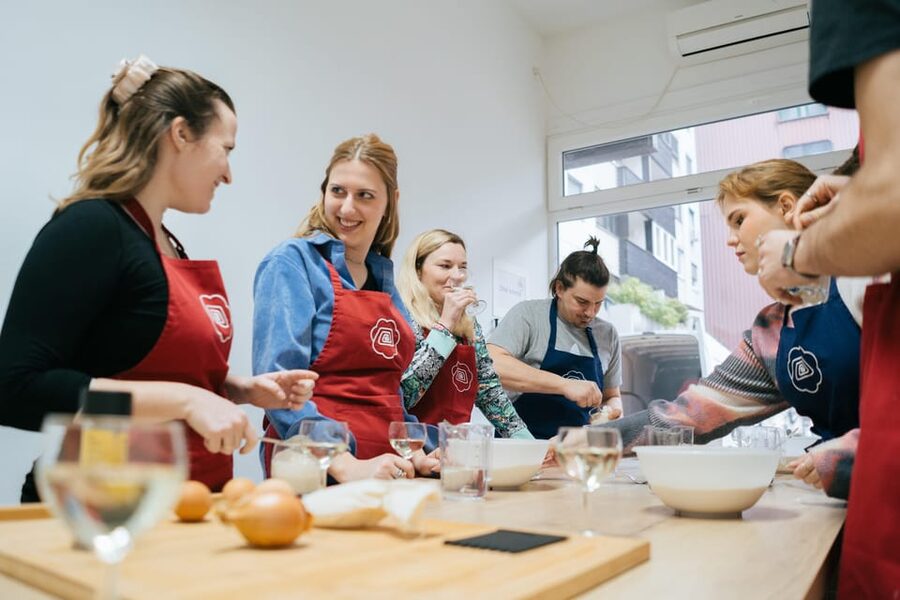
A big part of cooking classes is waiting for things to happen. Here, the wait is used well.
Luka shares information about Slovenia, its history, and what people notice in the country and around it. In one birthday-trip setup, he also included Slovenian wine during the downtime, which made the “rise and bake” period feel like a real conversation rather than idle time.
Important practical note: drinks aren’t guaranteed in the way the core recipe steps are. But drinks are offered in at least some sessions, so it’s reasonable to expect you’ll be looked after.
If you’re someone who wants cultural context without a lecture, you’ll likely enjoy the way the teaching blends food with talk.
Price and value: is $53 a fair deal?
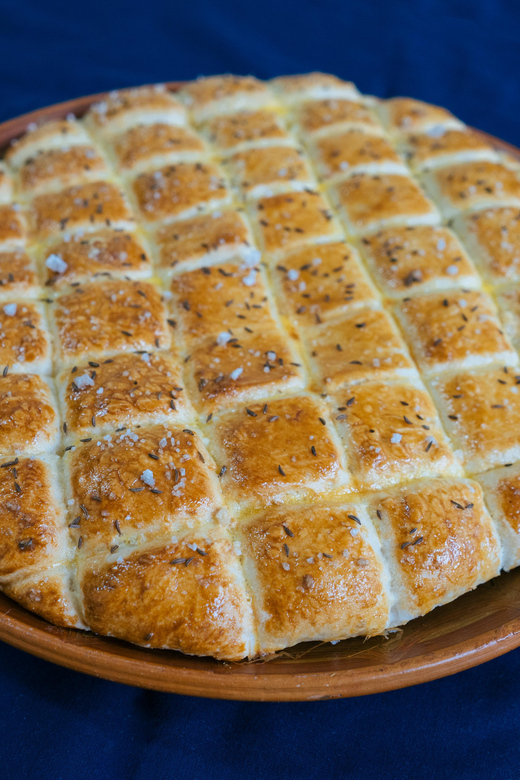
At $53 per person for a 2-hour session, you’re paying for three things at once:
- instruction from a host with strong English
- all the ingredients and equipment
- the full experience of baking and tasting your own Belokranjska Pogača
That package is the value. If you tried to learn this bread on your own, you’d still spend money on ingredients, kitchen time, and trial-and-error. Here, you skip the guesswork and get coached through the critical moments: kneading, rolling, and shaping.
Also, you’re not just leaving with food. You’re leaving with the mental model for how this bread is made and what to watch for in the dough. That’s the kind of “skill purchase” that lasts longer than a single meal.
Is it budget-friendly? Not really. But for an experience that’s active, cultural, and hands-on, the price feels aligned with the effort and included supplies.
Where to find the class: the square, the fountain, and the big window
The meeting point description is the kind of detail that can save you stress.
Here’s how to orient yourself when you arrive in the area:
- Look for a small square surrounded by buildings.
- In the middle, there’s a broken concrete fountain.
- You’ll either pass a Chinese restaurant near an old church, or go through a small passageway in a building near the bus stop.
- The shop is recognizable by the big clear window.
If you’re arriving by car, there’s a helpful rule of thumb:
- In the afternoon, call Luka for help with parking (he uses WhatsApp).
- In the morning, free parking spots can be found on the platform behind the building.
That’s not the kind of information you want to figure out once you’re already tired and hungry. Save yourself the hassle and plan to arrive a few minutes early.
Who this class suits best (and who might not)
You’ll probably love this class if you:
- want something hands-on and practical
- like traditional regional foods with an explanation of meaning
- enjoy talking with the host while your dough is baking
- are traveling with kids or teens who need an activity with clear roles
It’s also a good choice if you want a structured activity that fits into a short travel window. Two hours is enough to learn the process and still keep your day moving.
Who might hesitate? If you dislike cooking tasks or you only want to sample food without getting involved, this class may feel more work than reward. The focus is on making the bread, not just tasting.
Should you book the Slovenia: Belokranjska Pogača cooking class?
Book it if you want a real Slovenian food experience that’s active, guided, and culturally meaningful. The combination of a small group (max 10), English instruction, and hands-on kneading/rolling/shaping makes this more than a casual cooking demo.
I’d also book it if you care about learning something you can repeat at home, because the process matters here. The bread isn’t a mystery box—your hands learn what the dough should do, and your brain learns why.
Skip it if you’re hoping for a purely observational activity or you’re short on time and don’t want to handle dough and baking steps. But if you’re open to getting hands-on, this is the kind of class that pays you back in warmth, flavor, and a new bread skill.
FAQ
How long is the Belokranjska Pogača cooking class?
The class lasts 2 hours.
What does the class cost?
It’s $53 per person.
What bread will I make in the class?
You’ll learn to make Belokranjska Pogača, a traditional savory bread tied to Slovenia’s Bela Krajina region.
Is it a small group?
Yes. The group is limited to 10 participants.
What languages are used during the class?
The instructor teaches in English and Slovenian.
What’s included in the price?
You get a hands-on cooking class led by seasoned experts, an introduction to the bread’s history and cultural significance, all necessary ingredients and equipment, and the chance to bake and taste your own Belokranjska Pogača.
Where do I meet the instructor?
Meet in a small square with a broken concrete fountain. You can reach it by passing a Chinese restaurant near an old church, or by going through a small passageway near the bus stop. The shop has a big clear window.
Is it wheelchair accessible?
Yes, the class is wheelchair accessible.
Can I cancel or pay later?
You can cancel up to 24 hours in advance for a full refund, and you can reserve now and pay later.