REVIEW · CHENNAI
Chennai Dosa Making Class & Home-Dining Experience with Jyashree
Book on Viator →Operated by Traveling Spoon · Bookable on Viator
Paper-thin dosa taught in a real home. This private hands-on cooking class with Jyashree feels more like being welcomed into a Chennai kitchen than taking a generic tour, and the focus on Tamil family recipes makes it practical, not just fun.
What I love most is the way you learn by doing. You cook classic South Indian dishes with a local instructor, then sit down and eat what you helped make.
One thing to consider: there’s no hotel pickup, so you’ll need to make your own way to the meeting point near MG Ramachandran Road in Besant Nagar.
In This Review
- Key highlights at a glance
- Chennai dosa class in a local home: why this feels different
- Meeting near MG Ramachandran Road: simple logistics that matter
- Inside Jyashree’s kitchen: learning dosa the right way
- Chutney and spice: the Tamil flavor you’ll actually use again
- The banana-leaf meal: when cooking becomes a full dining experience
- Price and value: is $122 per person fair for this kind of class?
- Who this Chennai cooking class suits best
- Practical tips so you get the most out of the class
- Should you book Jyashree’s dosa-making class?
- FAQ
- How long is the Chennai dosa making class and home-dining experience?
- What’s included in the price?
- Is hotel pickup or drop-off included?
- Is this experience private or shared with others?
- Will the menu always be the same?
- What should I do if I have allergies or dietary restrictions?
Key highlights at a glance
- A private, personalized class in Jyashree’s home kitchen with only your group
- Dosa and chutney technique with Tamil family guidance so you can recreate it later
- Banana-leaf dining using the food you cooked, plus extra dishes
- Menu can shift by season, so expect small changes rather than a fixed script
- Recipes and spice know-how you can take home and use, not just tasting notes
Chennai dosa class in a local home: why this feels different
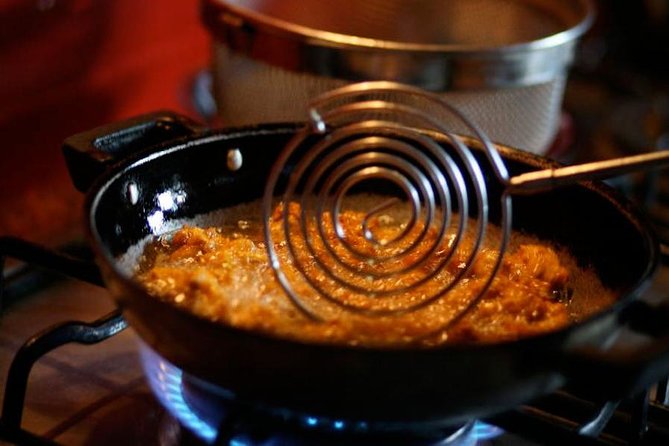
If you only eat South Indian food in restaurants, you get flavors—but not the system behind them. A dosa looks simple on the plate, but it’s really a chain of choices: batter consistency, heat management, timing, and the balance of toppings. In this Chennai home-dining experience, you learn that chain from a local host, with the context of Tamil cooking—what each dish is for, and why it’s made the way it is.
I also like the tone of the experience. It’s not a lecture. It’s you and your instructor in a real kitchen, working side by side, then sharing the meal together. That changes the whole vibe. You’re not just watching someone cook; you’re building muscle memory.
And because it’s private, you can ask questions that usually get skipped in group classes. That matters for dosas, chutneys, and spice blending—things that are easy to mess up at home if you only get a quick overview.
You can also read our reviews of more tours and experiences in Chennai.
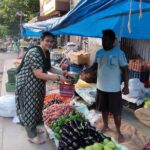
Meeting near MG Ramachandran Road: simple logistics that matter
You’ll start at the meeting point on MG Ramachandran Road, in Kalakshetra Colony, Besant Nagar (600090). Stop 1 is listed as Traveling Spoon, and the activity ends back at the meeting point, so you’re not left stranded or scrambling across town at night.
The key practical point: no hotel pickup and drop-off means you’ll want to plan your route in advance. If you’re staying in central Chennai, you’ll likely rely on a ride or taxi for this one. Give yourself extra margin so you can arrive calm and ready to cook—hot food class time doesn’t forgive lateness.
Duration is around 3 hours, so think of this as a focused, hands-on window. You’ll be moving from cooking to eating within that time, with everything happening in one home setting.
Also worth noting: you’ll receive confirmation within 48 hours of booking (subject to availability), and you’ll have a mobile ticket. That’s helpful if you’re traveling light and don’t want paper tickets.
Inside Jyashree’s kitchen: learning dosa the right way
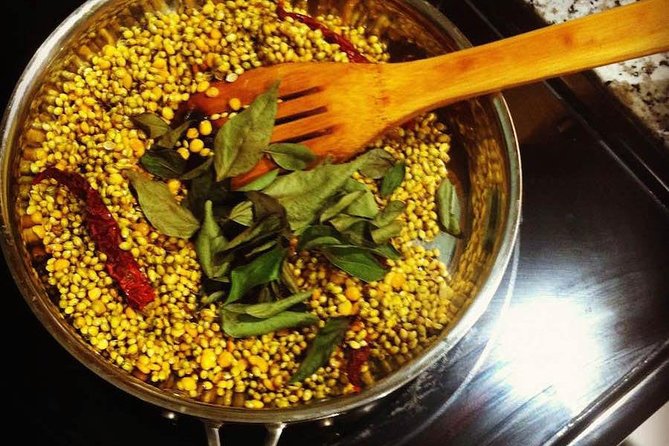
The core of the class is classic South Indian cooking, especially dosa. You’ll be taught by Jyashree in a local Chennai home kitchen, which is where the real value shows up. Restaurant kitchens are optimized for speed, volume, and consistency at scale. Home kitchens are about method and what to adjust when your ingredients, pan, or burner aren’t identical to someone else’s setup.
From the experience description, you’re aiming for dosas that are paper-thin, which is where skill turns up fast. When you’re cooking with guidance, you can learn how to manage:
- the batter texture and how it behaves on the pan
- the pour/spread step that affects thinness
- how heat impacts browning and flexibility
- how to keep the dosa from turning leathery
What makes this especially useful is that the class is designed around dishes you can replicate at home. That’s different from a showy cooking demo where you taste and leave. Here, the goal is that you walk away knowing what to change when your kitchen conditions differ.
You’ll also get a feel for dosa as part of a bigger Tamil meal pattern, not as a standalone snack. That matters because the “best” dosa is still the one that matches the chutney, pickle, and spice profile you pair with it.
Chutney and spice: the Tamil flavor you’ll actually use again
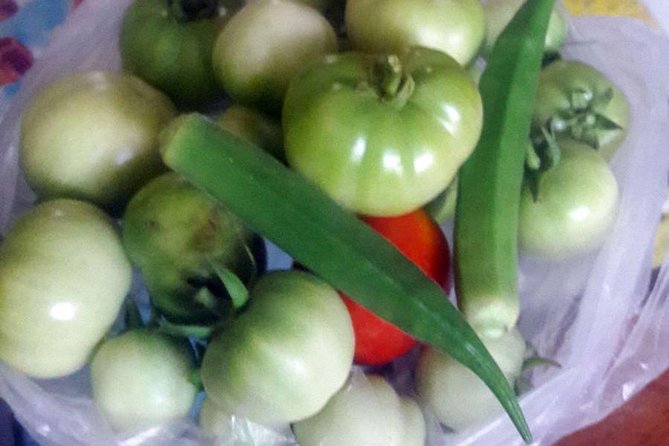
Dosa without chutney is like toast without butter. In this class, chutney is treated as a craft, not a garnish. You learn South Indian classics like chutney alongside dosa, and you also get the background on why each item matters in Tamil cooking.
One detail I really appreciate from the experience: it’s not only about techniques—it’s about understanding significance. That kind of explanation helps you decide what to make later, especially if you’re experimenting back home.
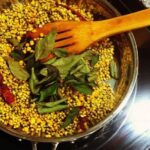
The description also points to homemade mango pickles, and the reviews back up that you get practical spice guidance. In particular, one guest experience highlights that Jyashree provides recipes and mixed spices so their family could recreate the dishes after returning from India. That’s exactly what you want from a cooking class: a toolkit you can use, not just a dinner you enjoyed once.
If you’re someone who loves Indian flavors but struggles to recreate them, this is the right angle. Chutneys and pickles often fail at home because people get the balance wrong—sweet vs. sour vs. heat, or they don’t know which spices are doing the heavy lifting. Having an instructor explain the role of each element makes the whole thing less mysterious.
The banana-leaf meal: when cooking becomes a full dining experience
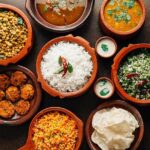
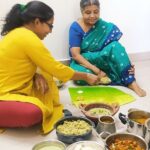
After cooking, you’ll eat together. The meal is included, vegetarian, and served on a banana leaf, which is more than presentation. Banana leaf dining is a whole sensory experience—aroma from the leaf, portioning style, and the sense that everything belongs together in one meal.
You don’t just eat your dosa and call it a day. You’ll enjoy the feast you helped prepare, plus other dishes. And because the menu may vary by season, your meal won’t feel like a factory line. Expect the day’s choices to reflect what’s available and what the home kitchen is making well at that time.
This part matters because it teaches you how the dishes connect. When you taste your own chutney next to your own dosa, you learn what “works” and what needs adjustment. Then later, when you cook again at home, you can troubleshoot by memory:
- Too bland? Your chutney balance likely needs tweaking.
- Too hot? Your spice ratios are off.
- Not crisp enough? Batter consistency or heat control needs attention.
The banana-leaf setting also makes the meal feel like a cultural moment rather than a pause. It’s a chance to slow down and enjoy the food while everything is still fresh in your mind.
Price and value: is $122 per person fair for this kind of class?
At $122 per person for about 3 hours, this isn’t a budget activity—but it also isn’t overpriced for what you’re getting. The value comes from three places:
First, it’s private and personalized. Only your group participates. That means your instructor time isn’t diluted, and you can ask questions without worrying about crowd management.
Second, it’s in a local home with hands-on cooking plus a meal you eat. Many paid classes give you a tiny tasting at the end. Here, you’re cooking and then dining on what you made.
Third, you come away with usable outputs: recipes and spice know-how. If you actually plan to cook after your trip, that alone can justify the cost. If you only want a one-time cultural meal and have no intention of cooking again, you may feel it’s pricier than a restaurant dinner.
One more value note: the experience lists group discounts, so if you’re traveling with a friend or two (or you’re flexible on timing and can share costs), you may get a better per-person deal.
Who this Chennai cooking class suits best
This is a great fit if you:
- want hands-on instruction rather than watching someone cook
- enjoy Tamil and South Indian food and want to understand the “why” behind the flavors
- like learning skills you’ll repeat at home, especially dosa, chutney, and pickle-style items
- prefer smaller, private cultural experiences over large tour groups
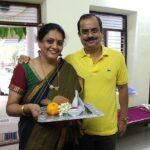
It’s also a good choice for food lovers who care about hospitality and atmosphere. The cooking happens in a home setting, and you’ll be welcomed into that space before you start working.
If you’re the type who dislikes getting your hands involved in the kitchen or you want a purely passive experience, you might prefer a guided food walk or restaurant meal instead.
Practical tips so you get the most out of the class
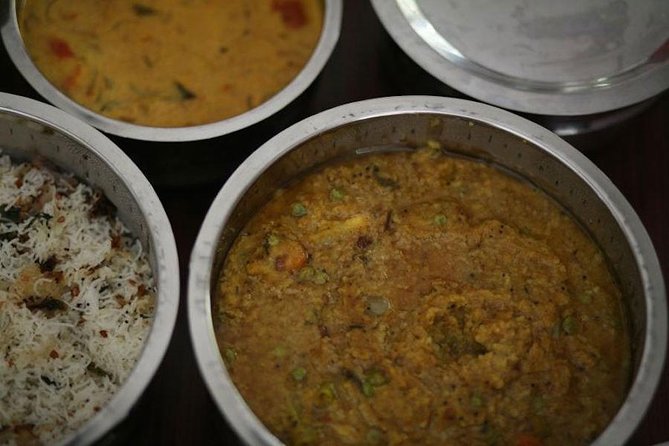
Plan for a kitchen setting, not a restaurant table. Wear clothes you’re comfortable cooking in, and expect the session to move at an active pace.
Here are a few smart ways to make the time count:
- Bring your questions on dosa and chutney. If you want consistency at home, ask what changes when your pan or burner differs.
- Mention any allergies or dietary restrictions at booking. The experience explicitly asks you to share needs ahead of time.
- If you’re sensitive to spice, say so. South Indian food can be mild or fiery depending on what’s chosen.
- If you’re coming with friends, decide who will ask the most questions during cooking. You’ll all remember the answers later.
Also, because menu may vary by season, don’t expect an identical lineup every time. Instead, think of it as a rotating Tamil home kitchen menu, centered on dosa and chutney.
Should you book Jyashree’s dosa-making class?
I’d book it if you want a Chennai experience that’s hands-on, local, and genuinely useful afterward. For $122, you’re paying for private instruction, a home-cooked vegetarian meal, and take-home guidance like recipes and spice mixing ideas. That combination is hard to beat if you’re a real food person.
Skip it only if you want hotel pickup convenience, or if you’re mainly seeking a casual meal with no interest in learning techniques. In that case, a restaurant dinner will be simpler.
If you do book, go in with curiosity. Treat it like a skill session, not just dinner, and you’ll leave with both full plates and the basics to cook Tamil comfort food back home.
FAQ
How long is the Chennai dosa making class and home-dining experience?
It lasts about 3 hours.
What’s included in the price?
You get a private hands-on South Indian cooking class and a home-cooked vegetarian meal in the host’s home.
Is hotel pickup or drop-off included?
No. You’ll meet at the listed meeting point and the experience ends back at that same meeting point.
Is this experience private or shared with others?
It’s private. Only your group will participate.
Will the menu always be the same?
The menu may vary depending on the season.
What should I do if I have allergies or dietary restrictions?
Advise the provider at the time of booking so they can plan accordingly.