REVIEW · SARAJEVO
Experience Sarajevo: Bosnian Cooking Class
Book on GetYourGuide →Operated by Sarajevo Experiences · Bookable on GetYourGuide
The smell of Balkan baking starts before you cook. This Sarajevo Bosnian cooking class pairs a market shop with a real home kitchen, then ends at the table. I like that you learn by doing, not watching, and you get meal-by-meal recipes you can recreate later. One thing to consider is that a glass of local wine or rakija is part of the experience, so think about how you want to handle alcohol.
You’ll also get a handy culture bonus: the food is tied to daily life, and the cook explains what’s happening as you go. I especially like the small group size, which keeps the kitchen from feeling chaotic and makes it easier to ask questions. The main drawback is time: four hours goes fast, so it’s best if you’re not trying to pack it around a tight schedule.
In This Review
- Key reasons this cooking class is worth your time
- A Home-Kitchen Class in Sarajevo that Starts at the Market
- Meeting Your Guide and Picking Ingredients Like a Local
- The Short Ride to the House: Part Practical, Part Atmosphere
- Bosnian Coffee Welcome and the Meal Plan Setup
- Hands-On Cooking Time: Learning Techniques Through Burek, Pies, and Sarma
- Lunch, Tasting, and the Joy of Eating Together
- Transportation, Timing, and How to Fit It Into Your Sarajevo Day
- Language, Group Size, and Why That Matters in the Kitchen
- Price and Value: Is $106 Worth It?
- Who This Class Suits Best (and Who Should Skip It)
- Practical Tips Before You Go
- Should You Book Sarajevo: Bosnian Cooking Class?
- FAQ
- How long is the Bosnian cooking class in Sarajevo?
- Where does the experience start?
- Is there time for shopping for ingredients?
- How many dishes will I be cooking?
- Do I get to eat what I cook?
- Is coffee and a drink included?
- Is this a small group?
- What language is the class available in?
Key reasons this cooking class is worth your time
- Market-to-kitchen flow: you shop ingredients with your guide before you cook
- Hands-on training: you’ll work through stages, not just stand nearby
- Traditional dishes built for learning: burek, pies, and sarma show different techniques
- Real hosting: you’re welcomed with Bosnian coffee and treated like a house guest
- Recipes you can take home: you get detailed explanations for each meal
- A proper finish: you’ll eat everything you make, with wine or rakija
A Home-Kitchen Class in Sarajevo that Starts at the Market
If you want Sarajevo that feels personal, this kind of class hits the sweet spot. You’re not just eating Bosnian food in a restaurant. You’re stepping into how a family plans a meal, buys ingredients, and turns them into lunch.
I like the order of events. You meet in the city center, then head straight to a local farmers’ market to pick up fresh items. That first stop changes how the rest of the day feels because you’re buying with purpose, not wandering. It also helps you understand why certain flavors show up in Bosnian cooking.
This is also a good class if you like structure. You’ll have a guide, private transport, and a set meal plan. And because the group is limited to 6 participants, the cook can slow down and explain technique instead of rushing you through.
Meeting Your Guide and Picking Ingredients Like a Local
The experience begins with pickup in Sarajevo. After you connect with your local guide, you’ll spend about 30 minutes shopping at a farmers’ market.
This short market window matters more than it sounds. Markets teach you what’s seasonal and what’s worth buying, and your guide can point you toward ingredients that are common in Bosnian home cooking. Even if you don’t buy much extra on your own trip, you’ll leave with a clearer sense of what makes the food taste like itself.
Practical note: wear comfortable shoes. Markets involve walking and quick decisions. Also, expect a few questions from the guide about what you like and what you want to learn, since the class is built around active participation.
The Short Ride to the House: Part Practical, Part Atmosphere
After the market, you’ll transfer by private car to the host family’s home. The ride is short, around 15 minutes, but it sets the tone.
This is one of those small-but-smart touches: you’re not dragging groceries or learning to navigate a new area while also trying to cook. Instead, you arrive at the right place ready to focus. The environment also matters. A home kitchen has a different pace and workflow than a demonstration space, and that affects how much you can actually do with your hands.
Bosnian Coffee Welcome and the Meal Plan Setup
When you arrive, you’ll be welcomed with a cup of Bosnian coffee. Then the cook explains what you’ll be making.
This start is more important than it looks. You’ll get context before you start, so ingredients and steps don’t feel random. Instead, you understand the logic of the dishes you’re cooking. That means you’ll be more likely to remember how to reproduce them later at home.
In past sessions, hosts such as Danijela and Armin have been involved, and the welcome is warm in a way that feels genuinely Bosnian, not scripted. You’re not just a customer passing through. You’re part of the meal preparation for the day.
Hands-On Cooking Time: Learning Techniques Through Burek, Pies, and Sarma
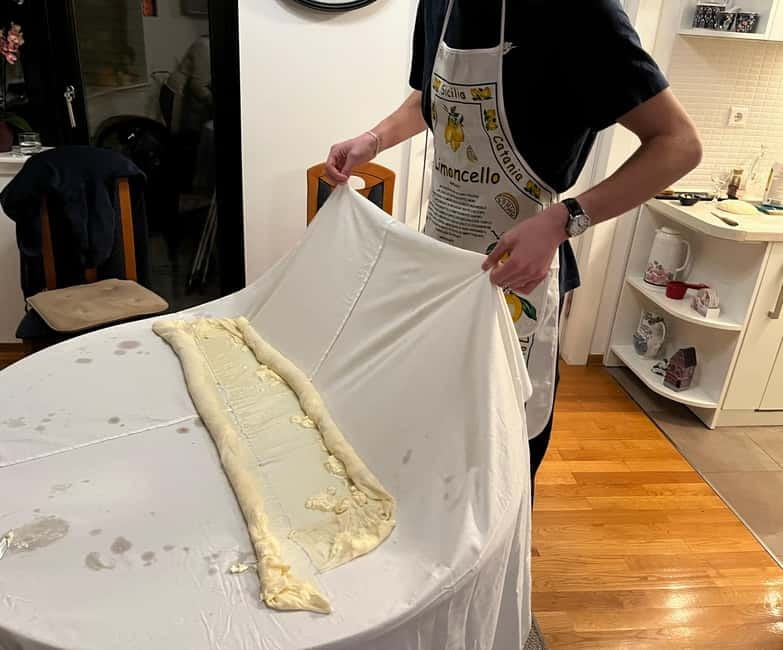
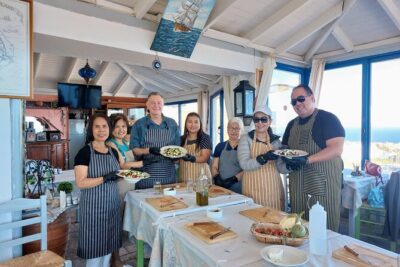
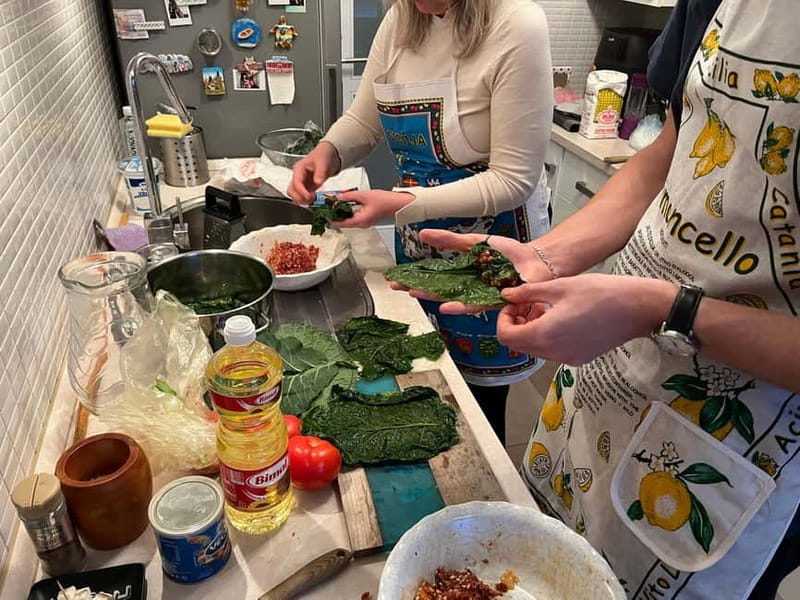
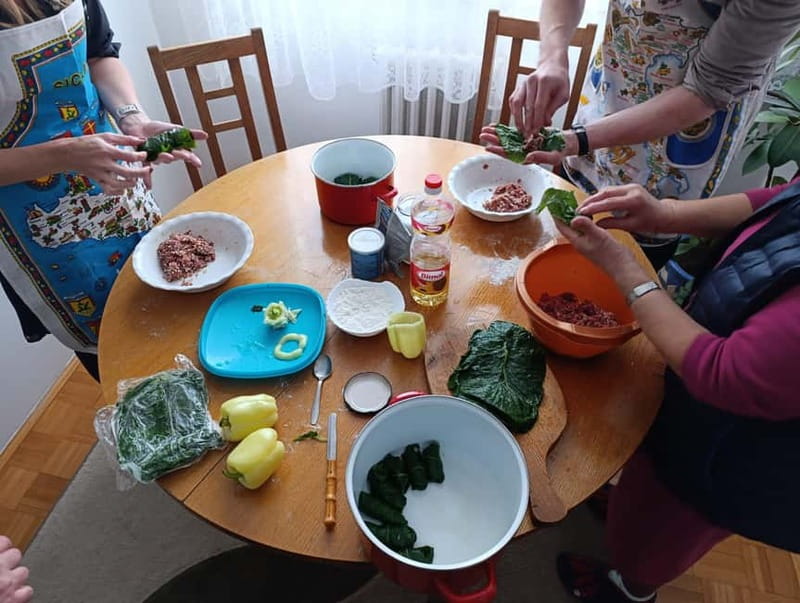
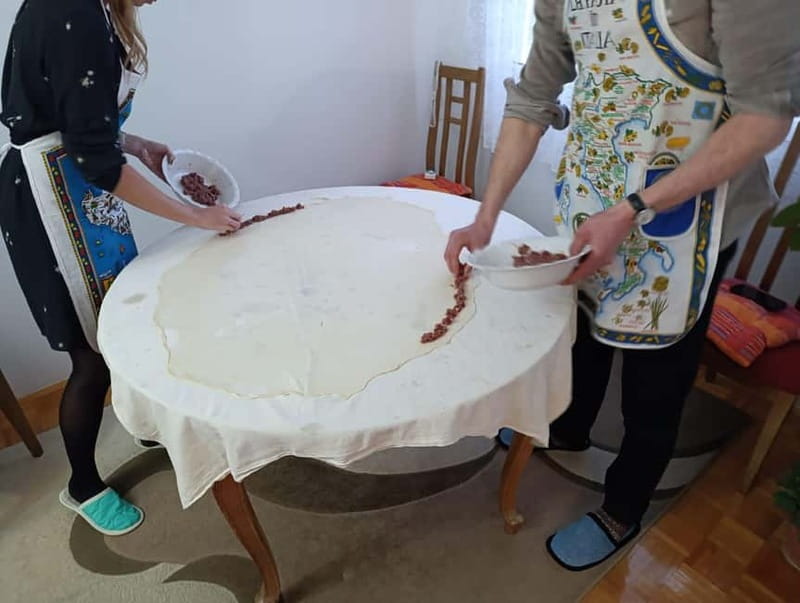
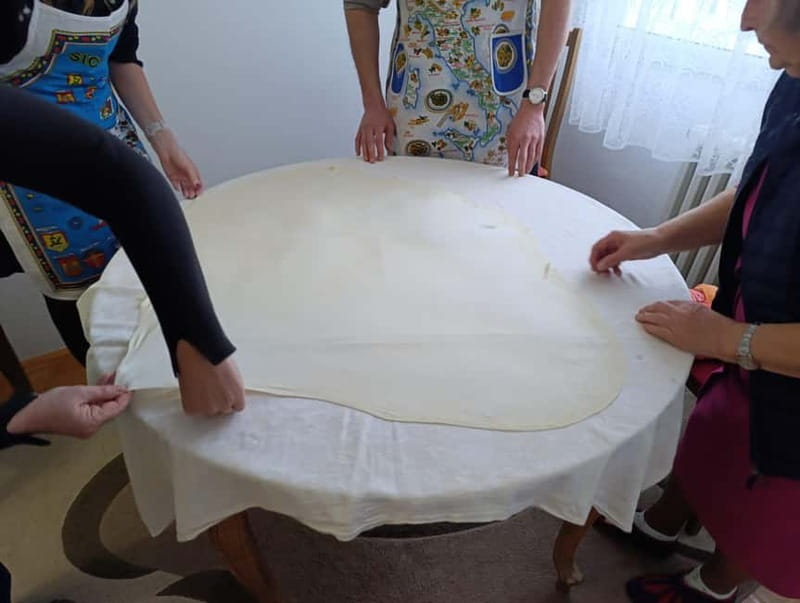
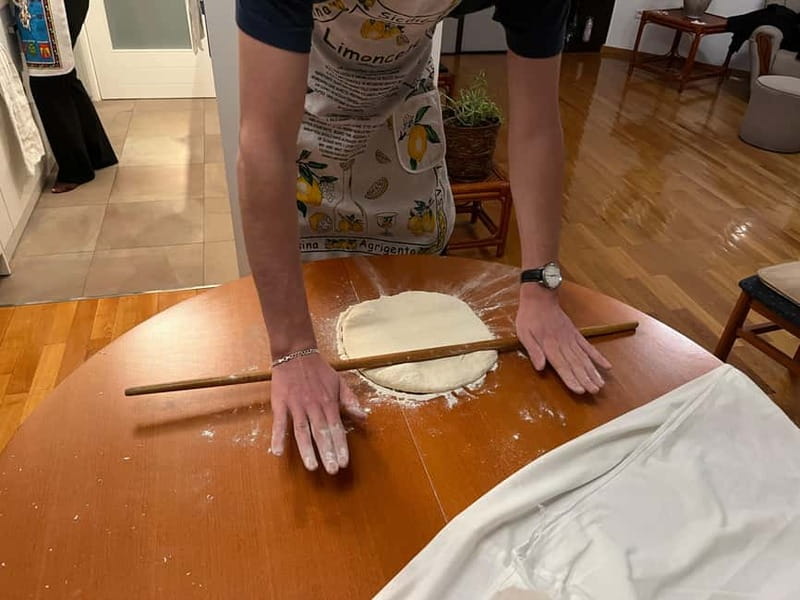
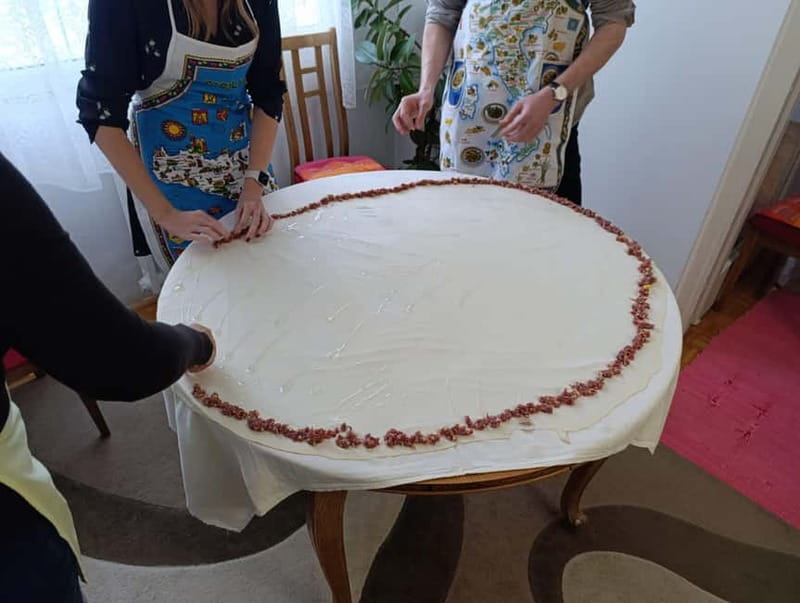
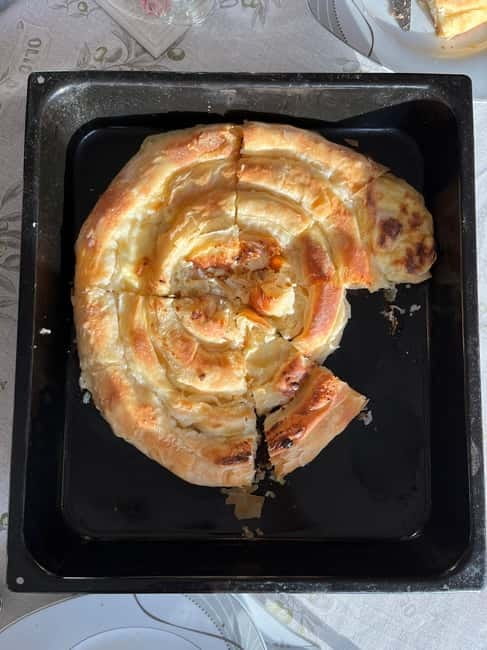
The cooking portion is the heart of the class, about three hours covering lunch, cooking, and tasting. The dishes you’re likely to make include burek, pies, and sarma.
Here’s why those choices are great for a learning-focused experience:
- Burek teaches dough handling and how layering changes texture. Even if you don’t finish a perfect burek on your first try, you’ll learn the mechanics that create the crisp, flaky feel.
- Pies help you understand how fillings and dough work together, plus how to balance thickness and folding.
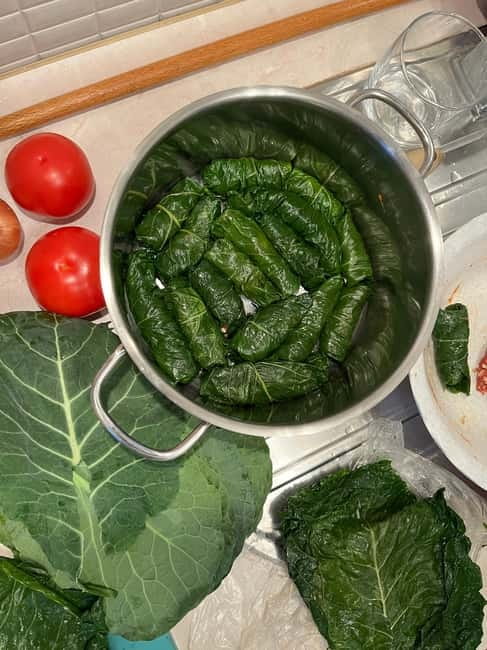
- Sarma is the technique lesson. Rolling (and staying patient with it) is where a lot of home-style cooking turns from simple to satisfying. You learn what to look for and how to keep things neat enough to hold up in cooking.
You’ll be hands-on through key stages. That’s the difference between a “watch and sample” cooking class and one where you can actually take skills home. The cook also provides a recipe and a detailed explanation for every meal, so it’s not only about taste during the session.
One more benefit: eating what you helped make builds confidence. When you sit down to taste your dishes, you’re tasting your decisions. That makes the recipes you’re given more usable later.
Lunch, Tasting, and the Joy of Eating Together
Once the cooking is done, you’ll enjoy the meal with your hosts. This isn’t a rushed tasting platter. It’s a real lunch, structured around the dishes you prepared.
You’ll also get a glass of local wine or rakija. This is a nice cultural touch because it frames the meal as a social event, not a solo project. If you’re not into alcohol, you should still go into it knowing this is part of the experience, and you can plan accordingly.
The best part of the tasting is how it closes the loop. You see how the dough worked, how the filling behaved, and how the final flavor comes together. It’s the kind of feedback you can’t get from recipes alone.
Transportation, Timing, and How to Fit It Into Your Sarajevo Day
The full experience runs about four hours. That includes shopping time, the ride to and from the home, and your lunch/cooking session.
Here’s how to think about timing:
- If you’re sight-seeing, treat this as an anchor activity rather than a quick side stop.
- It starts with pickup and stays in the Sarajevo area, with private car transfers.
- You’ll return to Sarajevo afterward, again by private transport.
Because the class includes hotel pickup and drop-off, it works smoothly if you’re staying in the city. If you’re staying farther out, just be sure you understand where pickup happens for your specific booking, since the experience is framed around meeting in Sarajevo and using hotel pickup.
Language, Group Size, and Why That Matters in the Kitchen
This class is designed for small groups, limited to 6 participants. That small size is a major quality signal. Kitchens are tight spaces, and learning takes time. With fewer people, the cook can correct your technique and explain the why behind steps.
The guide and host can work in several languages: English, Croatian, Serbo-Croatian, Serbian, and Bosnian. That matters because cooking instruction is detailed. If you can follow the explanation in your language, you’ll remember more and mess up less.
Wheelchair accessibility is listed. If you use a mobility aid, ask about the home setup in advance since you’ll be moving through a family kitchen, and home environments can vary.
Price and Value: Is $106 Worth It?
Let’s talk value. At $106 per person for a four-hour experience, the key question is what you get beyond a meal.
You’re paying for:
- a local guide
- private transportation
- cooking instruction with a local family
- all ingredients
- coffee plus meals and beverages
- hotel pickup and drop-off
- recipes with detailed explanations
When you look at it this way, it’s not just a dinner out. You’re buying time with a cook, access to a home kitchen, and structured learning. For many people, that’s exactly what they want in Sarajevo: a hands-on cultural experience rather than another sightseeing ticket.
There’s also a practical value piece: you take something home in a usable form. The recipes and step-by-step explanations can save you effort later if you try to recreate the dishes. If you love cooking, that recipe pack is part of the price.
If you’re the type who enjoys food but doesn’t want to cook, the class might feel like work. But if you’re curious, the cost makes sense because it’s an activity, not just a show-and-tell meal.
Who This Class Suits Best (and Who Should Skip It)
This cooking class is a strong fit if you:
- want Sarajevo culture through food, not just photos
- like hands-on activities more than lectures
- enjoy learning recipes you can actually redo at home
- travel in a small group or solo and want personal attention
It might be less ideal if you:
- hate cooking tasks and prefer only eating
- are short on time and can’t spare a full four hours
- don’t drink alcohol and would rather avoid wine or rakija entirely
- have very specific dietary needs, since the class centers on traditional dishes (the basic menu is described, but customizations aren’t stated)
Practical Tips Before You Go
A few small moves can help you get the most out of the day:
- Bring a light, comfortable layer. Kitchens can get warm.
- Wear something with grip shoes. You’ll likely move around more than you expect.
- If you’re sensitive to alcohol, decide in advance how you want to handle the wine or rakija.
- Ask questions while you cook. The value here is the explanation, not just the final plate.
Should You Book Sarajevo: Bosnian Cooking Class?
Yes, if you want an authentic Sarajevo experience that’s hands-on and not overly touristy. The format is smart: market first, home kitchen next, then a shared meal with coffee and local drinks. The small group size helps the cook teach properly, and the fact that you get recipes for each dish makes it more than a one-time meal.
If you’re hoping for a quick, low-effort activity, you might find it too involved. But if you want to leave with skills, confidence, and a table-full of what you made, this is one of the better ways to spend a half day in Sarajevo.
FAQ
How long is the Bosnian cooking class in Sarajevo?
The class lasts about 4 hours.
Where does the experience start?
You meet in Sarajevo, with hotel pickup included.
Is there time for shopping for ingredients?
Yes. You’ll visit a local farmers’ market with your guide for about 30 minutes to pick up fresh ingredients.
How many dishes will I be cooking?
The experience includes making traditional Bosnian dishes such as burek, pies, and sarma, and you’ll get recipes and detailed explanations for each meal.
Do I get to eat what I cook?
Yes. Lunch and food tasting are included, and you’ll enjoy the dishes you prepared with your hosts.
Is coffee and a drink included?
Yes. You’ll have Bosnian coffee, and you’ll also be offered a glass of local wine or rakija.
Is this a small group?
Yes. The group is limited to 6 participants.
What language is the class available in?
Your host or greeter can work in English, Croatian, Serbo-Croatian, Serbian, and Bosnian.