REVIEW · RIOMAGGIORE
Riomaggiore: Cooking Class at a Local’s Home
Book on GetYourGuide →Operated by Cesarine · Bookable on GetYourGuide
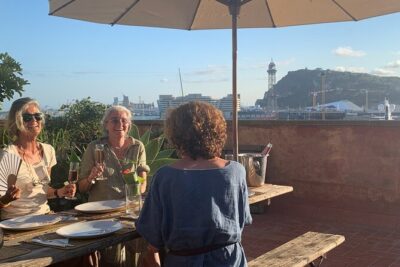
Cooking in a Ligurian home beats restaurants. In Riomaggiore, this Cesarine class is a hands-on small group lesson where you’ll make a starter, fresh pasta, and dessert from scratch, then sit down and taste it all with local red and white wines. I love how personal it feels, like you’re borrowing the family rhythm for a few hours. I also love the payoff: you don’t just cook, you actually eat what you made, right there.
This is the kind of food class that stays practical. Your host walks you through three authentic recipes, and you work at a station set up with utensils and all the ingredients. You’ll get the stories behind the food too, since hosts share from their family cookbooks and explain how these dishes fit regional tradition.
One consideration: the meeting area involves a short uphill walk and terrace steps, and the class is in a home, so it’s not suitable for wheelchair users. If you’re not comfortable with steps or steep cobbled paths, plan accordingly.
In This Review
- Key highlights to look for
- Riomaggiore cooking class at a local’s home: the real value
- Meeting point and the uphill walk: plan your shoes
- What you’ll cook: starter, fresh pasta, and dessert in a Ligurian rhythm
- How the class actually runs in a small group (up to 10)
- The wine pairing and tasting: where the evening clicks
- Price and value at $202.78: what you’re really getting
- Who should book this Riomaggiore class (and who should skip it)
- Before you go: practical tips that make the class smoother
- Should you book this Riomaggiore cooking class?
- FAQ
- How long is the cooking class in Riomaggiore?
- How many people are in the class?
- What will I cook during the lesson?
- Is tasting included?
- What drinks are included?
- Where do I meet the host?
- Will I get the full address before I book?
- What if I have an allergy or food intolerance?
- Is the activity wheelchair accessible?
Key highlights to look for
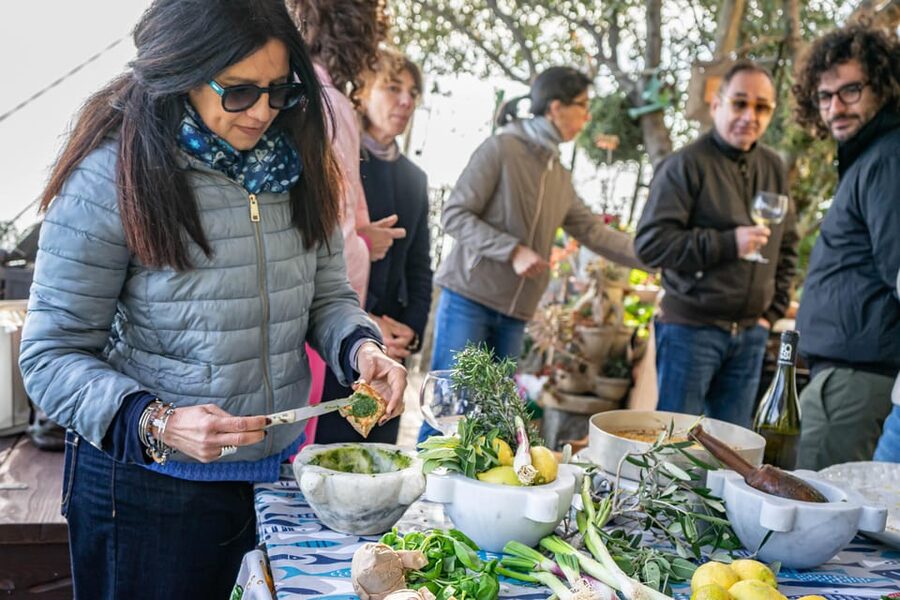
- Three dishes in 3 hours: starter, fresh pasta, and a typical dessert, cooked from scratch
- Workstations fully set up: utensils and ingredients are provided so you can focus on technique
- Wine at the table: water plus local red and white wines during tastings
- Family-story hosts: you’ll hear the recipe background from the host’s own family cookbooks
- Small groups (max 10): more hands-on help, less standing around
- Real local network: Cesarine brings home cooks across 500+ cities in Italy
Riomaggiore cooking class at a local’s home: the real value
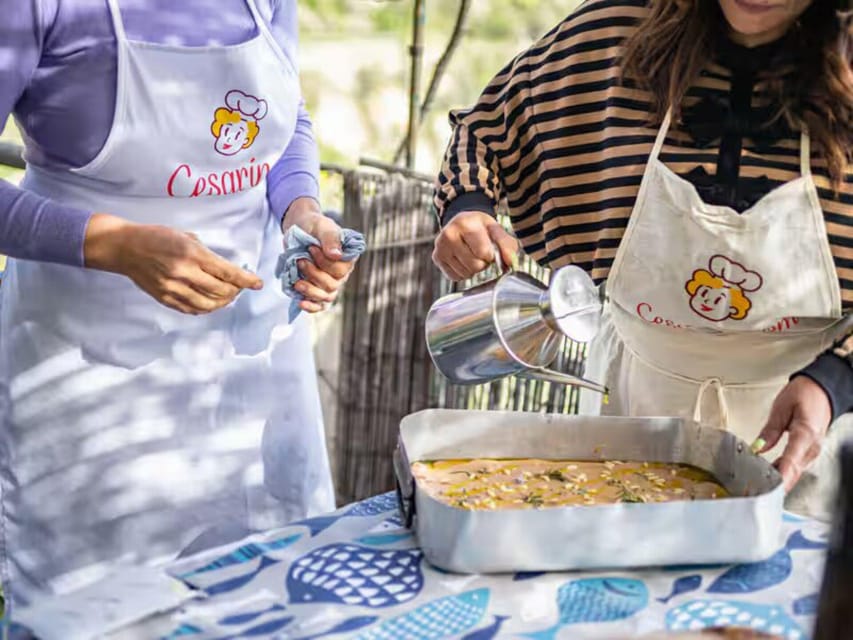
If you’ve ever taken a cooking class that felt more like watching than cooking, this is the opposite. In a Cesarine home in Riomaggiore, you learn three regional dishes through active prep: mixing, shaping, rolling, and finishing. It’s built for people who want to leave with skills you can repeat later, not just a photo of a plate.
What makes it feel authentically Ligurian is the structure. Your host isn’t teaching a generic Italian menu; they’re teaching dishes tied to the region and the way families have made them. That’s why the class includes small details like seasonal starter ingredients and a typical dessert, plus fresh pasta made during the session rather than before you arrive.
The other big value is the moment you sit down. You taste all three recipes you helped make, with water, coffee, and a selection of local wines—red and white. That pairing is part of how the evening stays grounded: you learn flavors, then you experience them as a finished meal, not as separate experiments.
And yes, it’s fun. The small group size (limited to 10) keeps it social without turning it into a noisy cooking demo. If you like laughing at mistakes and learning anyway, this format fits.
You can also read our reviews of more tours and experiences in Riomaggiore.

Meeting point and the uphill walk: plan your shoes
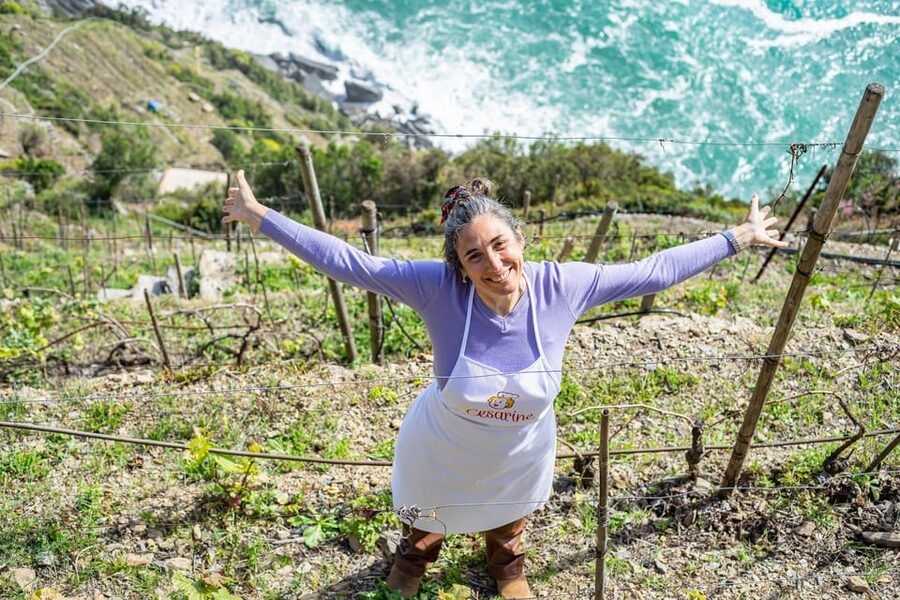
Your start point is a short walk from the host’s home, but it’s not flat. After you meet, you’ll need to walk about 200 meters uphill, then descend the terraced steps. You’ll turn right at the sign for I Foresti Farm and follow the path to your Cesarina house.
That matters more than it sounds. Riomaggiore homes are often reached by hillside paths and step-heavy terraces. So bring shoes you’d actually trust on stone steps and uneven ground. A slick sole isn’t your friend here.
Also, because the full address is shared only after booking, the best move is to arrive early enough to find the meeting point calmly. Once you’re with the group, the rest is guided by the route description—uphill, then down terraces to the kitchen.
Finally, remember that the home setting limits space. This class is not suitable for wheelchair users, and even if you’re able-bodied, you’ll likely be working in a compact kitchen. Think: practical movement, not wide aisles for slow wandering.
What you’ll cook: starter, fresh pasta, and dessert in a Ligurian rhythm
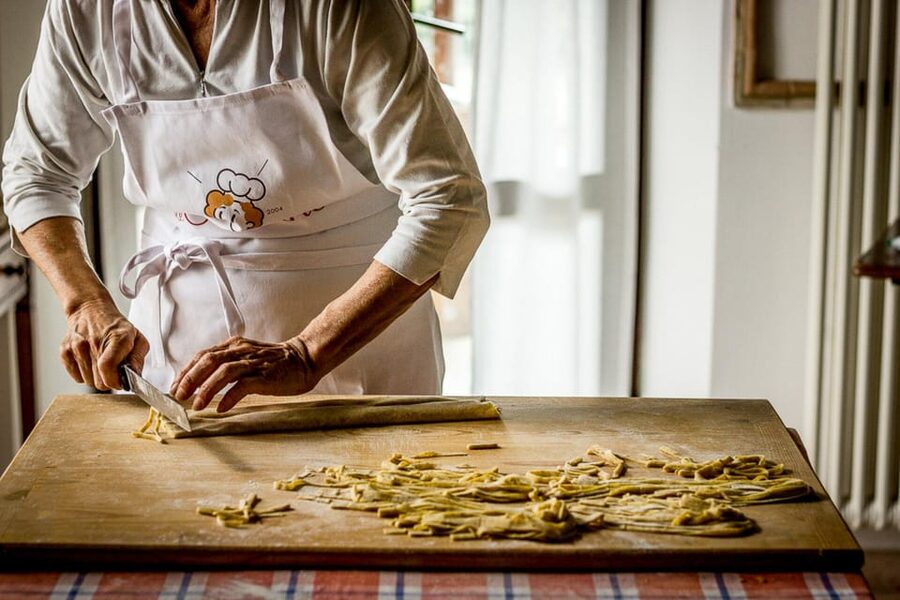
The menu is clear, and it’s designed to teach you more than one technique at a time. Your typical menu includes:
- A starter using seasonal ingredients
- Fresh pasta from the region
- A typical dessert to finish
The lesson is built around three recipes, taught by your host as you cook. Your workstation comes equipped with utensils and all the ingredients, so you’re not juggling trips to shop or figure out what you’re missing. That’s a big deal in a home class: you can focus on technique and timing.
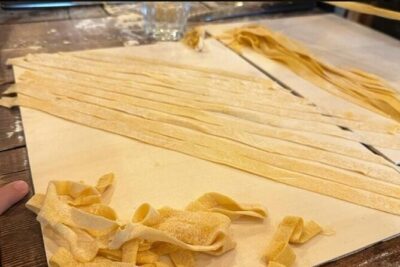
Fresh pasta is the centerpiece for a reason. It’s hands-on, and it tends to be the part people most enjoy recreating later. In the hands of hosts such as Barbara and Stefano, you’ll likely spend real time learning how homemade pasta comes together—rolling, shaping, and getting the texture right. I love that kind of learning because it’s skill-based. It’s not just about knowing the name of a dish; it’s about understanding how it should feel.
The starter and dessert matter too, because they round out the meal. They’re not filler courses. A seasonal starter teaches flavor balance with what’s in season locally. The dessert gives you a regional finish that shows how Italian sweets can stay simple and comforting rather than overly fussy.
By the time you’re done cooking, you’ll have three plates that reflect the region’s range: savory starter brightness, pasta comfort, and a sweet ending.
How the class actually runs in a small group (up to 10)
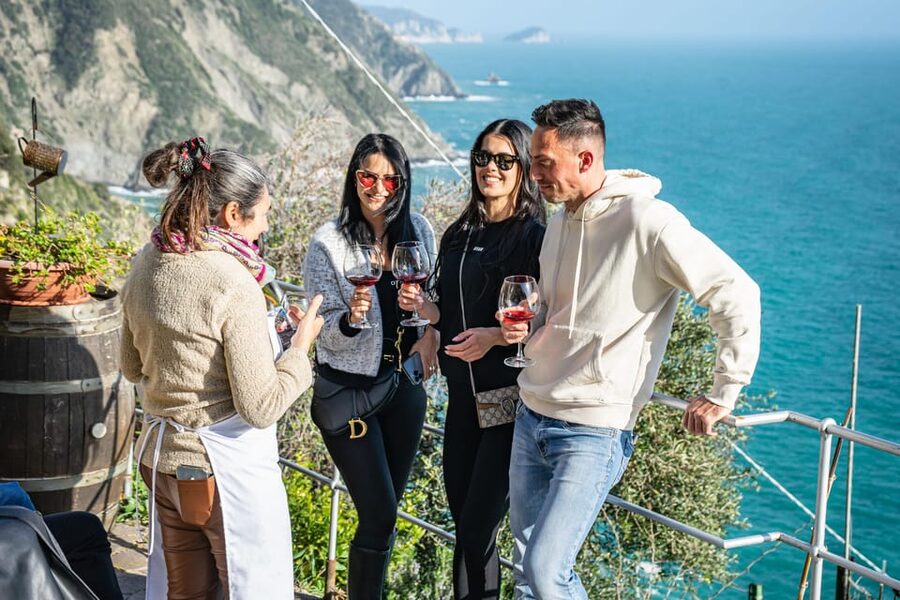
This is a shared cooking class, and that’s a good thing. With a group limited to 10, you’re not stuck watching your host do everything. You have your own workstation and enough space to actively participate.
You’ll also get guided help in English (and Italian too). If you speak only English, you should still be fine, because the instructor communicates in both languages. If you catch a few Italian food terms along the way, it can make the dishes easier to remember when you try them at home.
Here’s what I’d watch for during the lesson:
- Timing cues: pasta and sauces can’t wait while everyone catches up
- Texture signals: with fresh dough, consistency is the real teacher
- Small finishing choices: those are often the differences between good and great
Because your host serves from their family cookbooks, you’ll also hear how the dish was meant to be eaten—what it goes with, when it’s common, and how family versions may vary. That storytelling is not fluff. It helps you understand why a technique exists.
And it stays social. You’ll chat with the welcoming host during downtime and while food is cooking. The class is designed for that home atmosphere, so don’t be surprised if your conversation becomes part of the experience.
The wine pairing and tasting: where the evening clicks
This is one of the strongest parts of the whole experience: you taste everything you cooked. That means the class ends with a shared meal, not a quick handoff where you clean up and leave hungry.
Your beverages include water, wines, and coffee. During the tasting, you’ll be served local wines—both red and white—paired alongside your three recipes. The practical value here is huge. You learn how regional wine styles behave with regional flavors, and you get a chance to decide what you like and why.
It also changes how you cook. When you know you’ll taste at the end, you pay more attention to what the host is teaching. You’re not just performing steps; you’re building a meal you’ll judge in the moment.
This is also where the home element shines. Eating at a local table changes the emotional feel of the dishes. Fresh pasta straight from the lesson tastes different from pasta you reheated at home later. That live, warm moment is what makes a cooking class worth it.
Price and value at $202.78: what you’re really getting
At $202.78 per person for a 3-hour class, this is not a budget activity. But it’s priced like what it is: a guided shared cooking lesson hosted in a private home with ingredients, utensils, and wine included.
Here’s where the value comes from:
- You get three full recipes made from scratch (starter, fresh pasta, dessert)
- All ingredients and tools are included, which saves time and avoids “you’ll need to bring X” surprises
- Tastings are included, with local wines and coffee
- Small group size (up to 10) means more guidance per person than a large class
- Local tax and beverages are included, so the price is more transparent than pay-at-the-door activities
If you’re the type who learns best by doing, not just reading, this price makes more sense. You’re paying for instruction, for a kitchen setup, and for a meal you wouldn’t get from a typical cooking demo.
Also, the Cesarine network is a big piece of the value. Cesarine is Italy’s oldest network of more than 1000 home cooks across 500+ cities. That scale matters because it helps keep the experience consistent while still allowing each host to put their own family stamp on the recipes.
Who should book this Riomaggiore class (and who should skip it)
This class is a strong match if you want:
- A hands-on Ligurian cooking experience rather than a restaurant meal
- To learn three techniques across starter, fresh pasta, and dessert
- A small-group format where you’re not stuck waiting for instructions
- A fun evening with a host, built around tasting and conversation
It’s also great for food lovers who like structure. The menu is defined, the lesson is paced, and you walk away with a clear idea of what you did and what you ate.
You might want to skip it if:
- You don’t feel comfortable with stairs and uphill walking at the start and during the route to the home
- You need a fully accessible venue (this activity is not suitable for wheelchair users)
Food intolerance and allergies are handled through advance info. When you book, you’re asked to provide details about food intolerance and allergy, plus where you’re staying and how you’ll travel to the host home. Once Cesarine has that, you’ll receive the host’s contact details and full address. In other words: you’re meant to prepare, and the team tries to match you with the right host.
Before you go: practical tips that make the class smoother
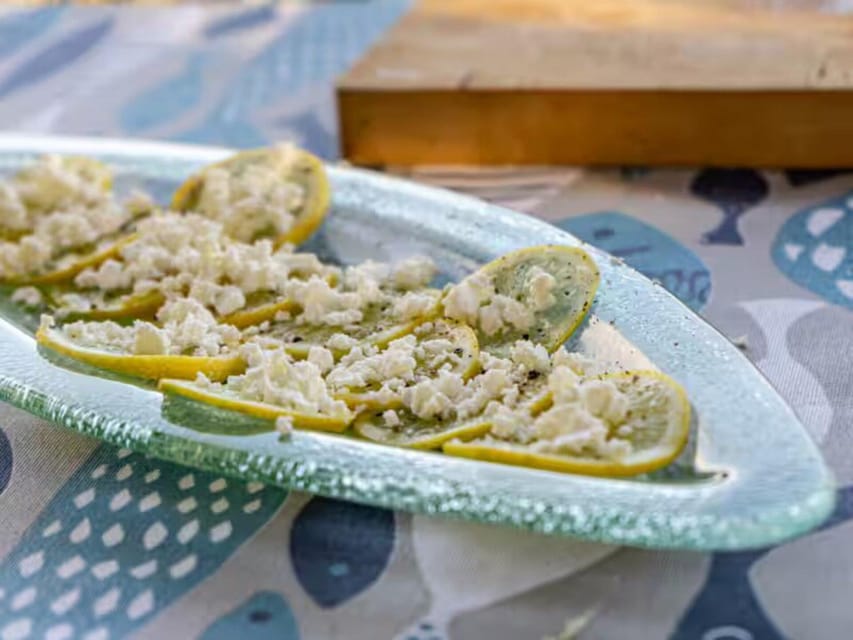
Because you’ll work in a home kitchen and cook for a shared table, a few small habits help you enjoy it more.
- Wear comfortable clothes and plan for light cooking mess. You’re making fresh pasta and likely handling ingredients.
- Bring a calm attitude about timing. In cooking, everything moves in cycles, and the host paces the group.
- If you have dietary needs, send the details at booking or by email with your booking reference and name. This is how the match is handled.
And don’t stress about finding the place if the address isn’t shared right away. That’s normal for privacy, and the directions from the meeting point are part of the plan.
Should you book this Riomaggiore cooking class?
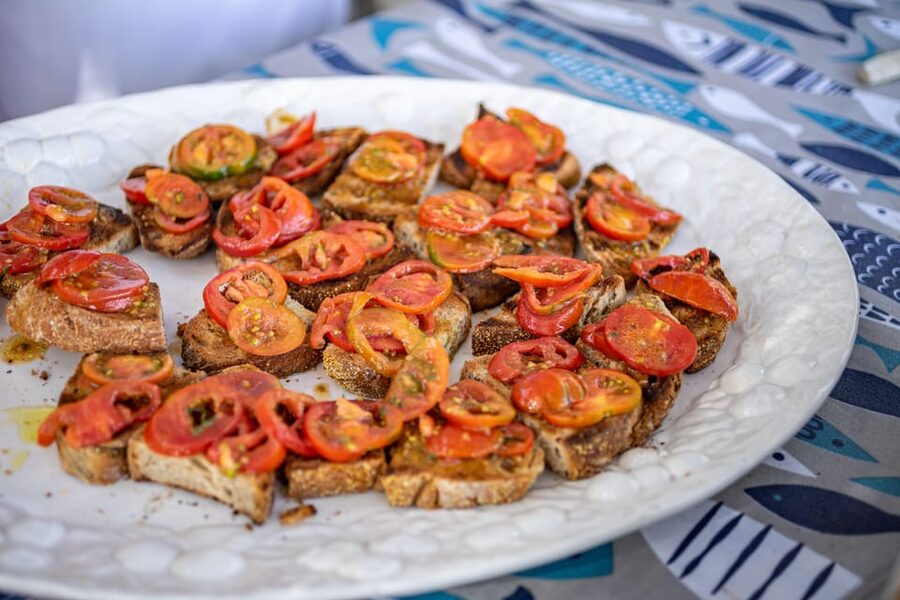
Yes, I’d book it if you want a real home-style cooking session in Liguria, with instruction that leads to a full meal you actually eat with local wines. The biggest reasons to choose it are the hands-on cooking format, the clear three-course menu, and the fact that the class ends with tastings of what you made.
If you’re limited by stairs or prefer a totally flat, fully accessible setting, then you should probably choose a different style of activity. But for most visitors, the walking and kitchen work are part of what makes it feel local and memorable.
If you like food you can reproduce, small-group attention, and a host who shares family stories alongside recipes, this is the kind of class that sticks with you longer than a standard tour stop.
FAQ
How long is the cooking class in Riomaggiore?
The class lasts 3 hours.
How many people are in the class?
It’s a small group limited to 10 participants.
What will I cook during the lesson?
You’ll learn to cook three recipes: a starter with seasonal ingredients, fresh pasta of the region, and a typical dessert.
Is tasting included?
Yes. You’ll taste the three recipes you prepared, paired with local wines.
What drinks are included?
Beverages included are water, wines, and coffee.
Where do I meet the host?
You start from a designated meeting point. From there, you walk about 200m uphill, descend terraced steps, turn right at the sign for I Foresti Farm, and follow the path to the Cesarina home.
Will I get the full address before I book?
For privacy, you only receive the full address after you have booked.
What if I have an allergy or food intolerance?
You should provide details at booking (including food intolerance and allergy). You can also email [email protected] with your booking reference and name.
Is the activity wheelchair accessible?
No. It’s not suitable for wheelchair users.